


The Rumah Penang is a heritage house dating from the early 20th century. Originally located on Jalan Perak in George Town, on the island of Penang, it was relocated to Rimbun Dahan in 2009.
An example of the classic Anglo-Malay style of bungalows in colonial Penang, the house is now used to accommodate guests and resident artists. It is also available for rent for film, photo and commercial advertisement shoots.
Story of the Relocation
In 2008, the house was slated for demolition, in its original location in George Town, Penang. Hijjas and Angela bought the house alone for the value of its timber floor, supposedly chengal mas, that being the only item of commercial value in the remaining structure. However, we then decided to save the entire house, or what could be salvaged before demolition. The structure of the house was documented on site, and then the timber structures and timber framework were removed and sent to Rimbun Dahan. The original brick and plaster could not be moved, so they were reconstructed from new materials at the new location.
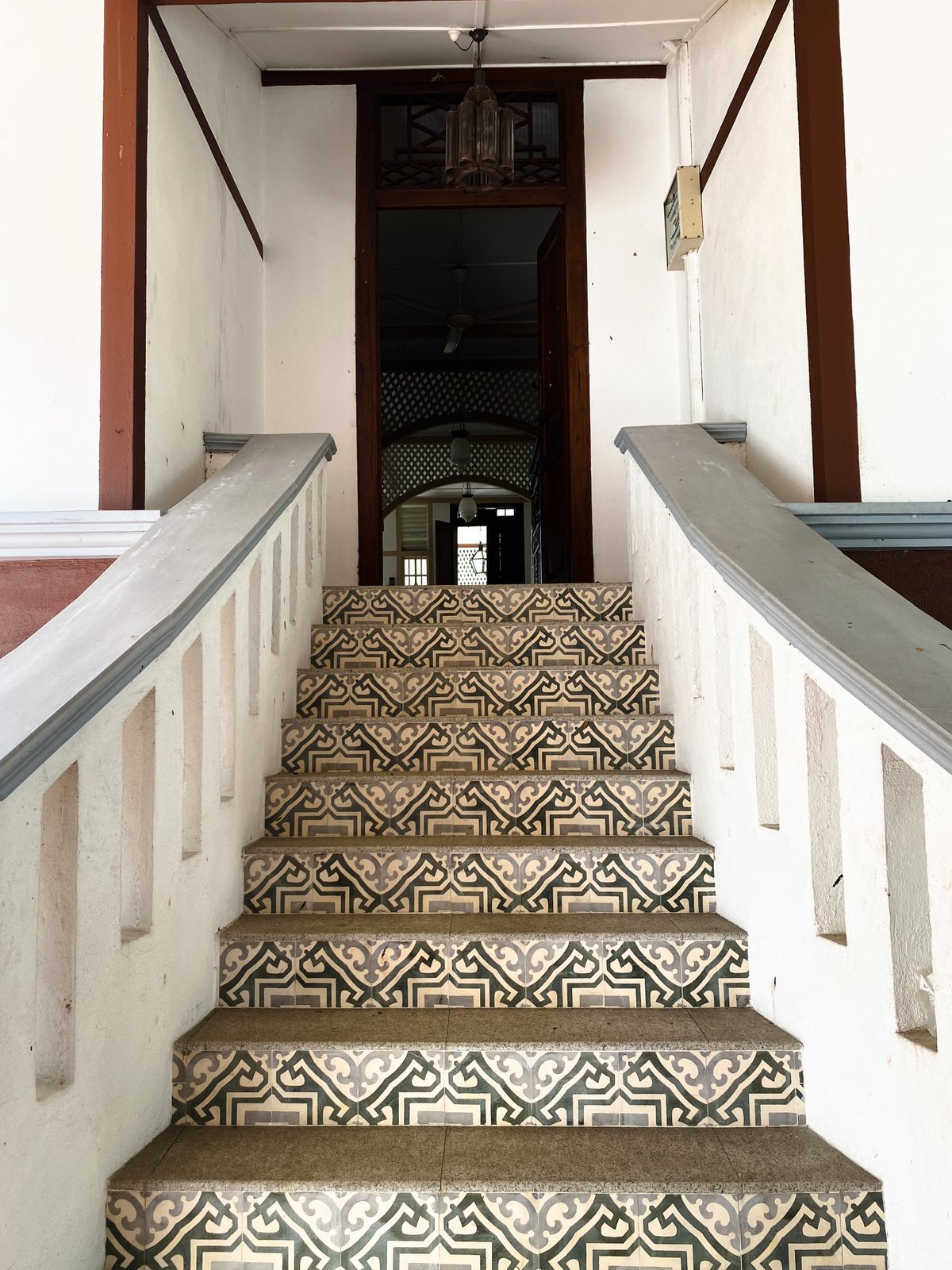
At Rimbun Dahan, the Penang House was placed alongside Rumah Uda Manap, the heritage Malay house from Perak, near Rimbun Dahan’s eastern boundary. As with Rumah Uda Manap, a few changes were made in the process of renovating to adapt it for modern use. The steep front steps that originally led immediately to the front door were set forward a few meters to provide more comfortable steps and a generous landing. To finish the steps we used encaustic tiles left over from the Hotel Penaga project, and polished granite.
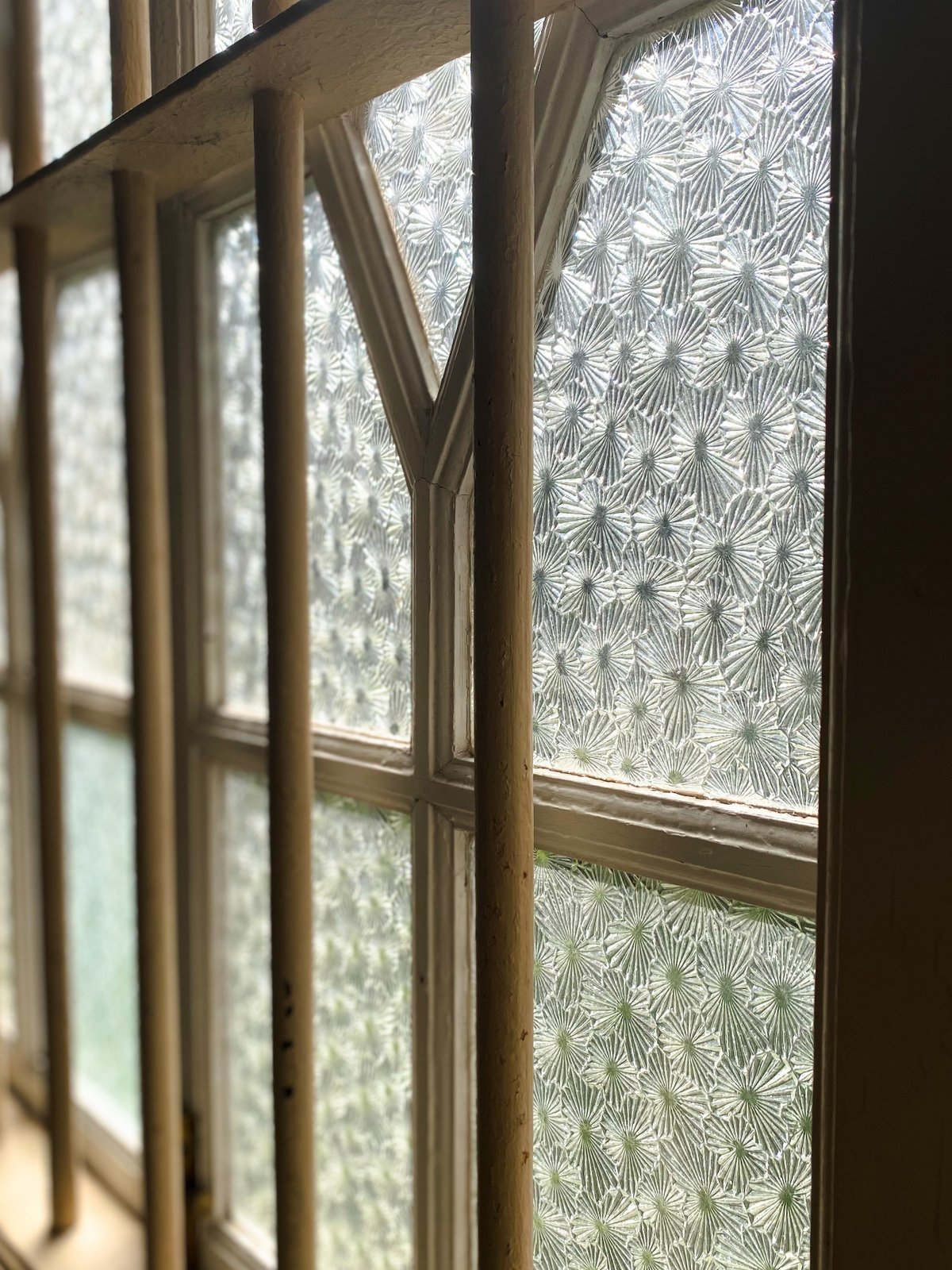

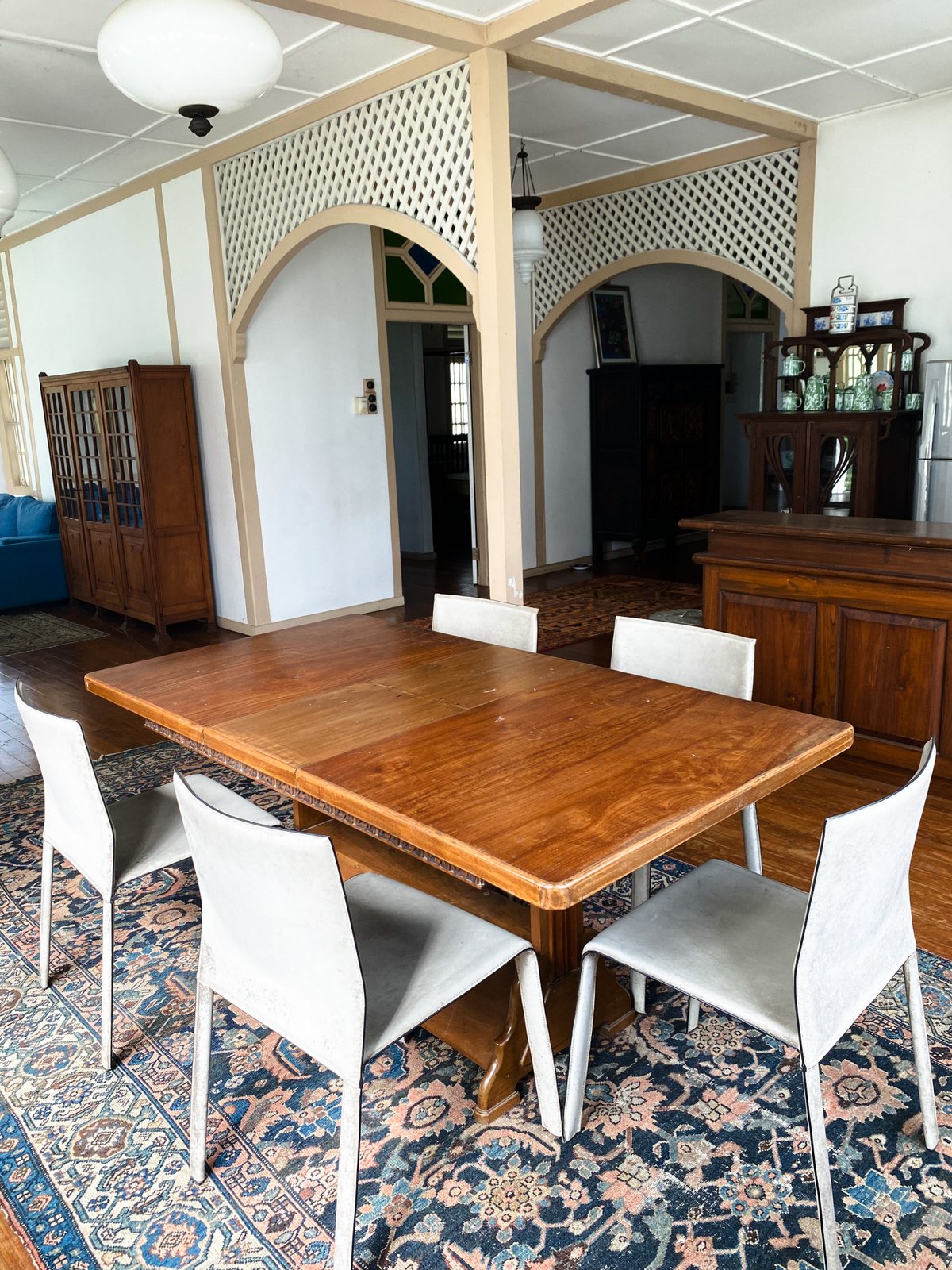
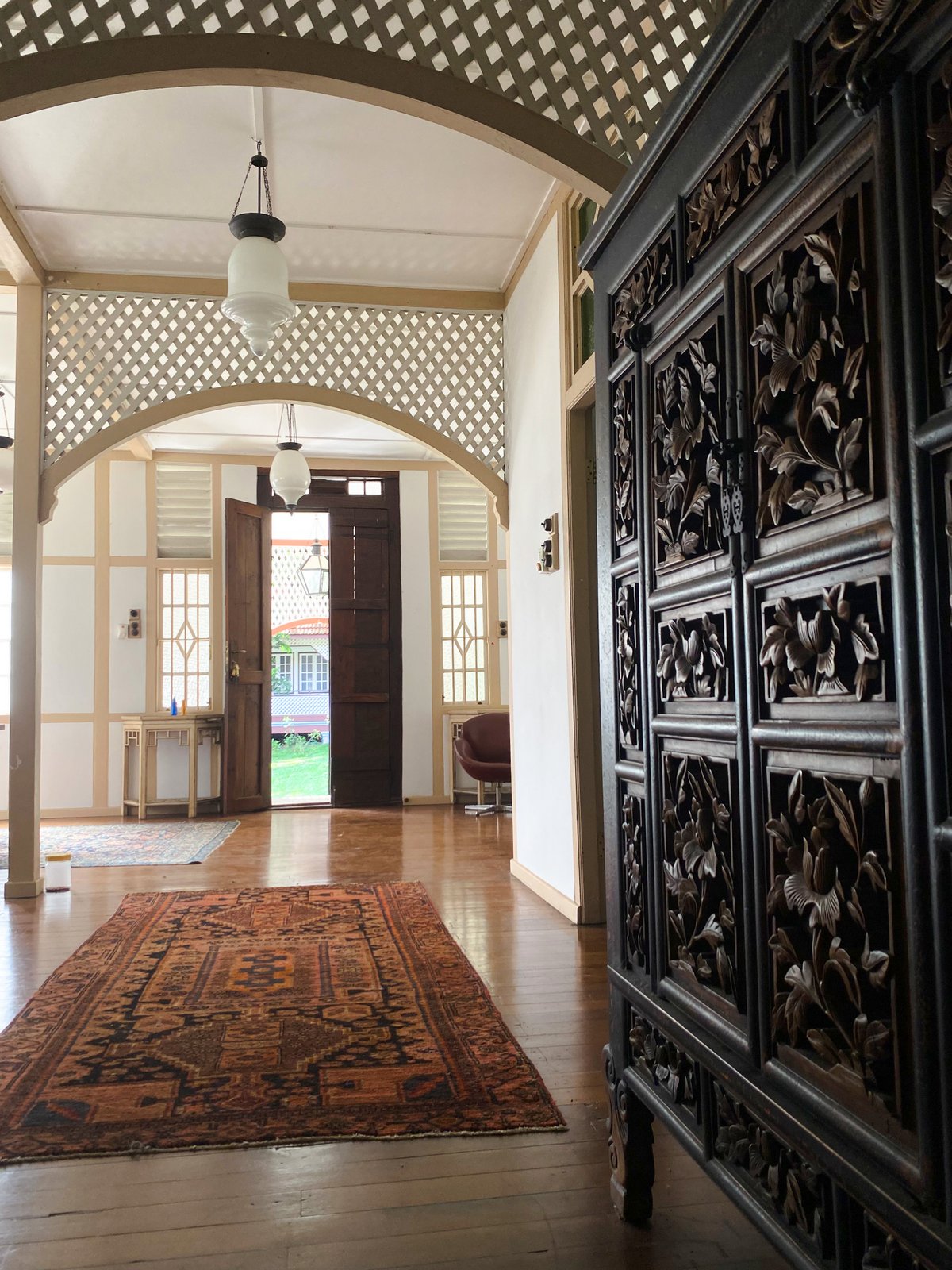
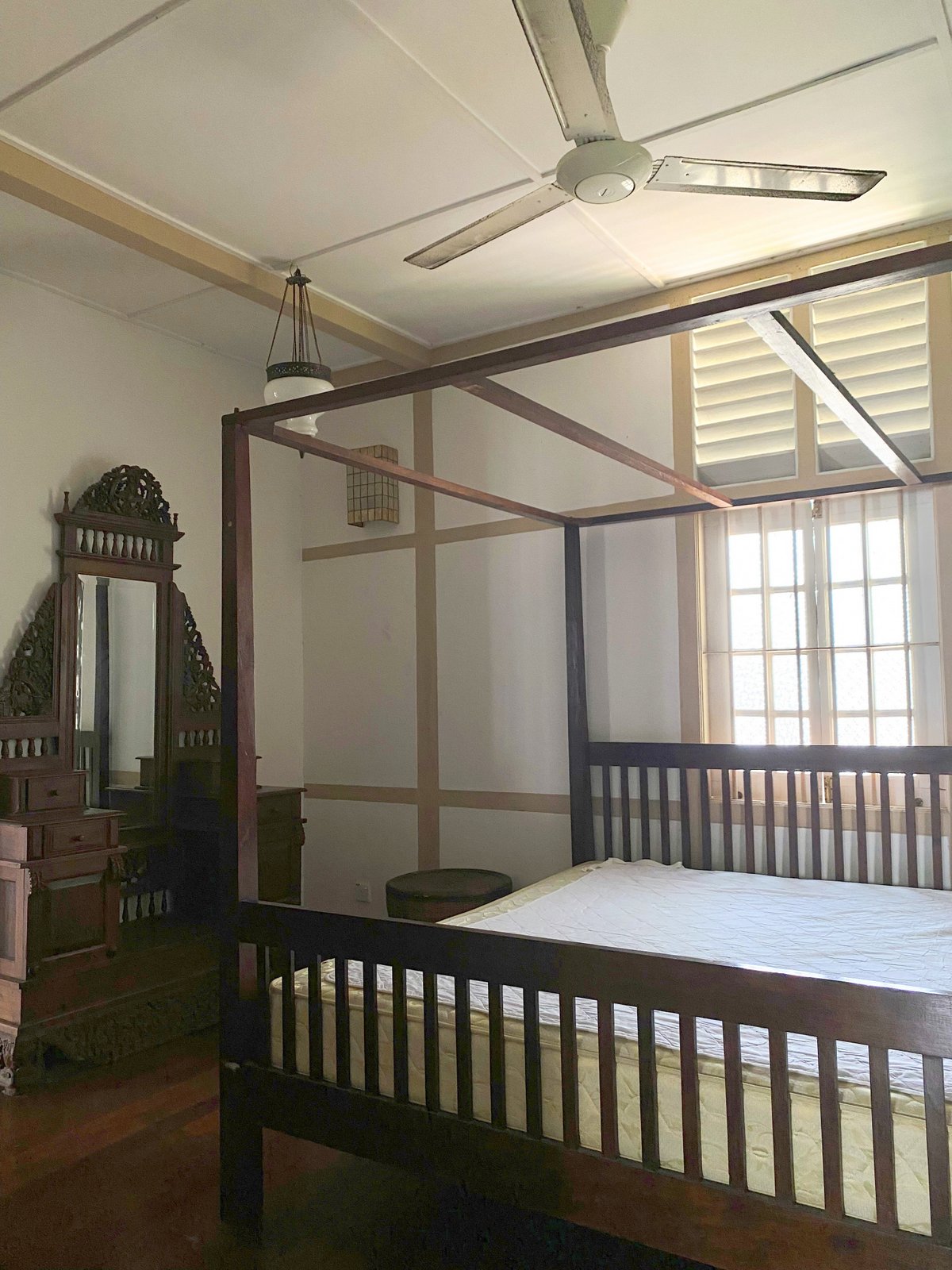
The window glass is original — a pattern of icy sunbursts — except where broken panes had to be replaced with new “kampong glass”. The flooring wood was stripped of many layers of paint to reveal the warm glow of chengal, but unfortunately a good part of the floor that we had “paid for” had disappeared during the move; where the colour changes in the back corridor is where it ran out and we had to substitute new wood.
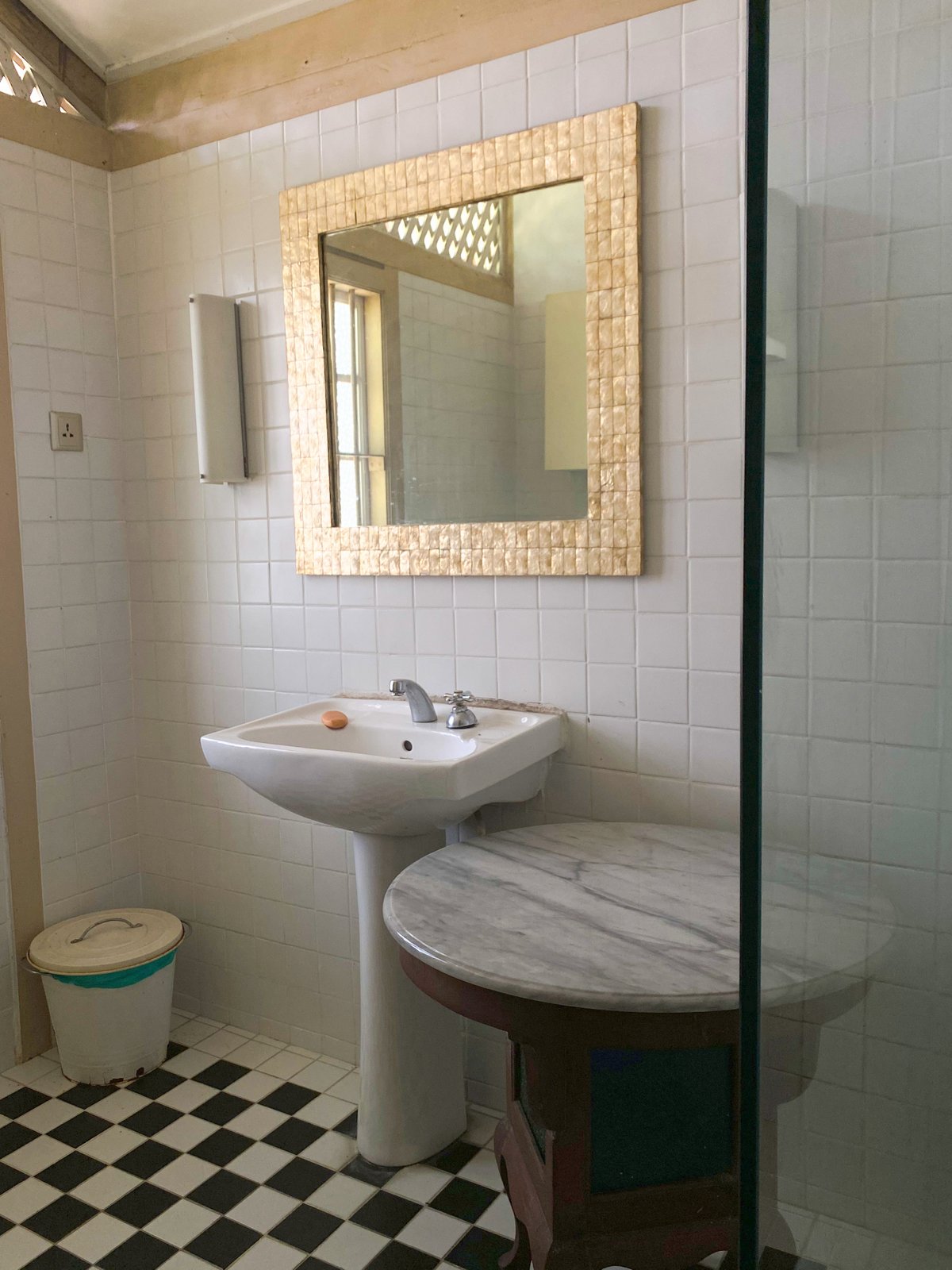
Like many colonial houses, it had two bedrooms with attached bathrooms at the back. In the original plan, you had to step down from the house to the toilet and bathing area, which were on the ground. During the renovation, the attached bathrooms were modernized and are now on the same level as the bedrooms.
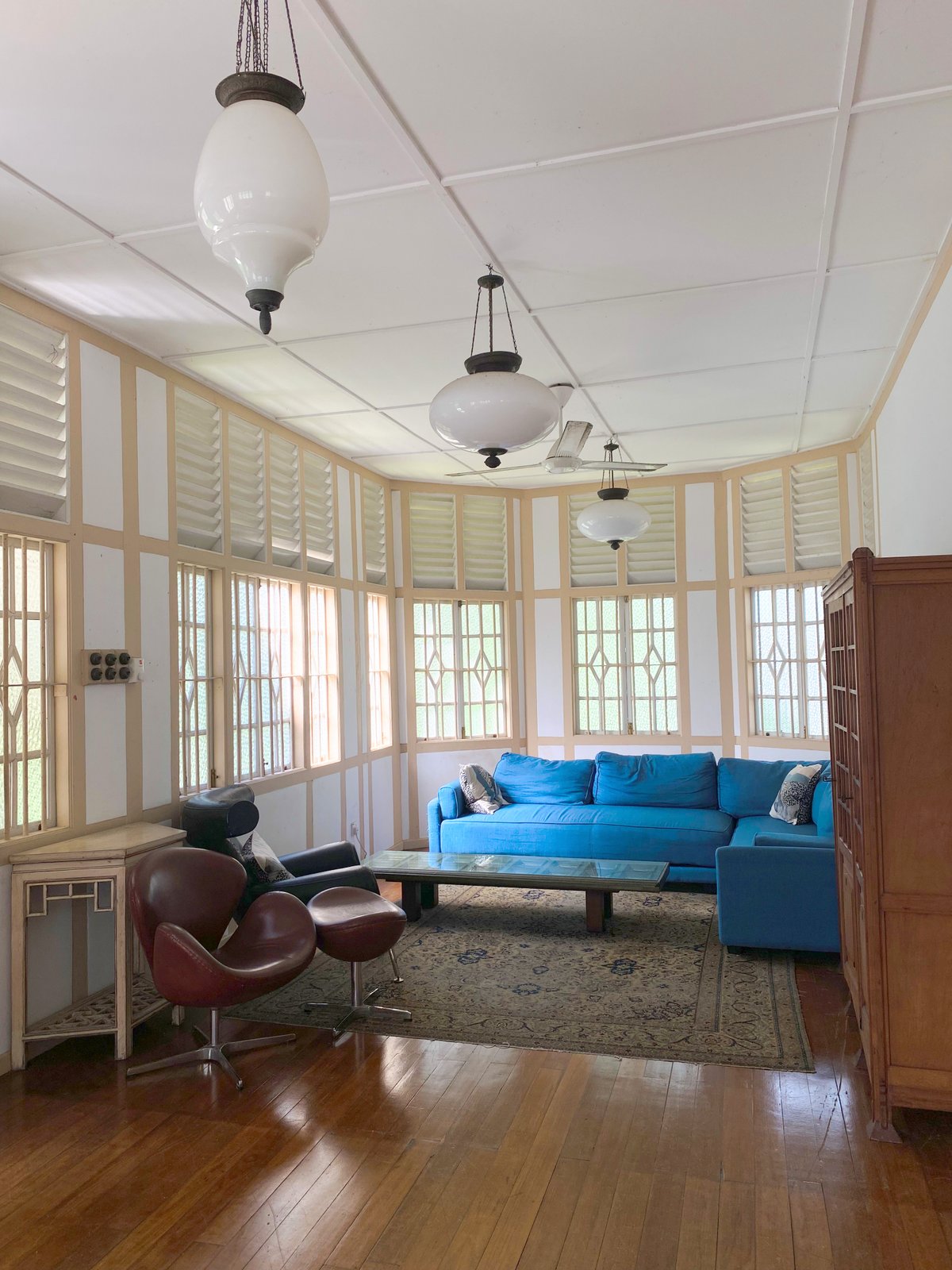
Originally cooking would have been done in the open area between the main house and the staff accommodation at the rear, but this would not be appropriate today, so we transformed part of the living room to become the kitchen.
The facade of the building features a wooden circular detail within the wood frame. When we bought the house, it contained some sort of aluminium foil attached to flecked plaster, but that obviously was not original. The detail seemed to need some sort of finish, or embellishment, so we ordered marble discs to be inserted — reminiscent of Nyonya black wood furniture with the landscape marble inserts.
The bricks we used are concrete, the cheapest option in Malaysia today, which were then carefully plastered by hand. Once the plaster had dried, it was meticulously rubbed down with sandpaper to get the smooth finish characteristic of the old houses, and then painted.
The roof must originally have been clay tiles, but when we bought the house the roof was made of corrugated asbestos. We used secondhand clay tiles sourced in Penang to make a new roof.
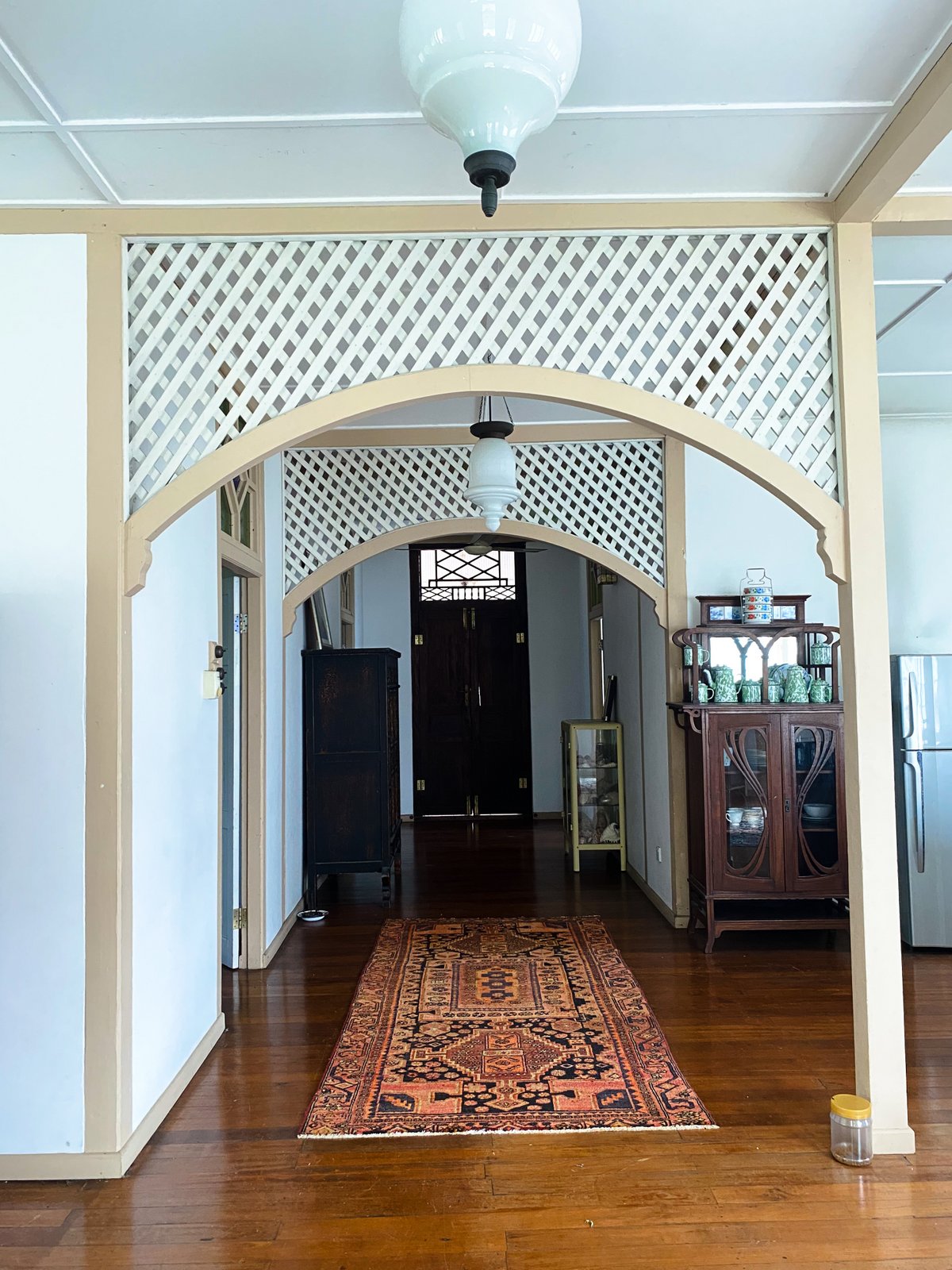
The house is furnished with art deco almari, or cabinets, from Surabaya, and Dutch-style lamps from Jakarta. The lamp hanging in the entrance loggia was given to us by the late Tan Sri P. G. Lim; it had originally been from her uncle’s house in Penang, and then had been used as a garden light at her home in Jalan U Thant, Kuala Lumpur, now part of the US Embassy compound.
A new structure has now been built on the site of the original house in George Town, Penang.


History of the House
Not much of the history of the house is known to us.
The family of Dr Lim Poh Thye, who had lived in this house on 37 Perak Road, Penang, from the early 1950s to 2006, have provided some information on the house as they knew it, through some passages and photos from a book titled “Book of Memories: Penang” written by Kwee Phaik Lim, a member of the family:
“The architecture of the house was common for houses built from 1930s. Considered a bungalow house, the house was built raised on concrete pillars in case there was flooding due to the heavy torrential tropical rain. Concrete steps led upstairs to the main living area. The main door was secured with collapsible metal doors to allow fresh air to flow in and provide security as well. The main house had wooden flooring throughout, with three bedrooms and two bathrooms. The bedrooms had large windows with metal rods from top to bottom for security. The windows had wooden frames and glass panels. Under the house was an area enclosed with wire netting for storing extra household furniture. One had to bend down to go through this low space and it was usually covered in cobwebs which once a year the gardener cleared.
Going down seven steps there was a short corridor which led to the kitchen with the servant’s room and bathroom adjoining. The corridor had “Sexe on Trent” clay tiles patterned in maroon, white and blue. The kitchen floor was of red cement with suspended ceiling boards.”


Pingback:Get Inspired by These Traditional Malay Airbnb Homes | Atap.co