Family Leguminosae

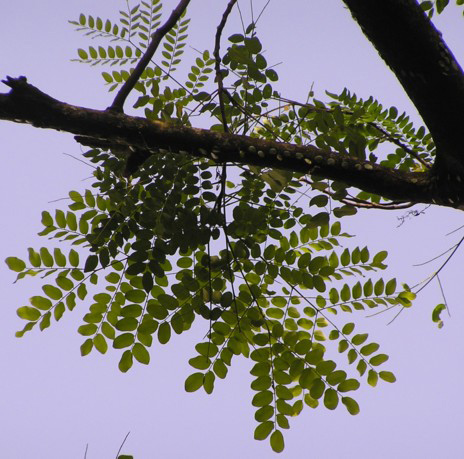
Adenanthera pavonina
saga

India, SE China to Maluku, wild on rocky headlands of east coast and
forest with Eugenia grandis and Sterculia foetida. Hard red heart
shaped seeds, said to be used for weighing gold. Name from Latin ‘pavo’
peacock.
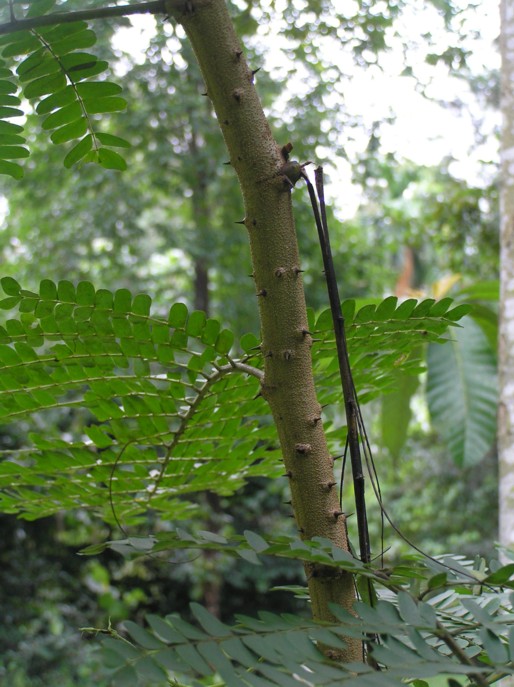
Archidendron jiringa / Pithecelobium jiringa

LEGUMINOSAE subfamily Mimosoideae

jering

Burma, Thailand, W. Malesia. Fruit eaten raw or blanched. Pounded
with ginger and boiled, to eliminate bladder stones. Purple dye from
pods.

Caesalpinia sappan

sepang
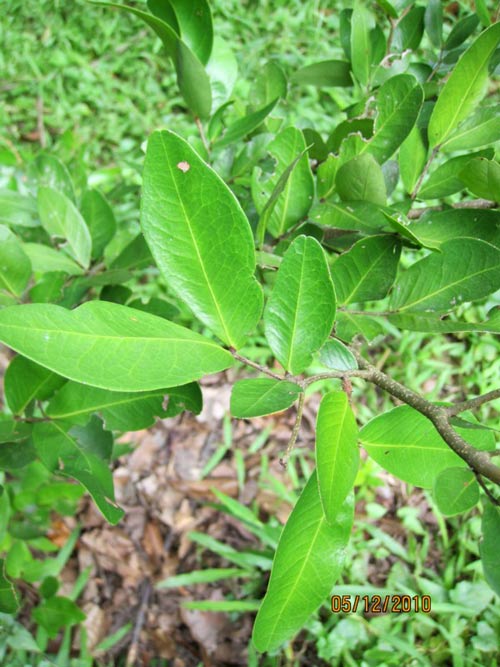
Cynometra iripa

katong laut

Shrub or small tree to 8m, mainly coastal but also inland, from India to Micronesia. Knobbly pod
with lateral beak. 1 fr TH 11.09.
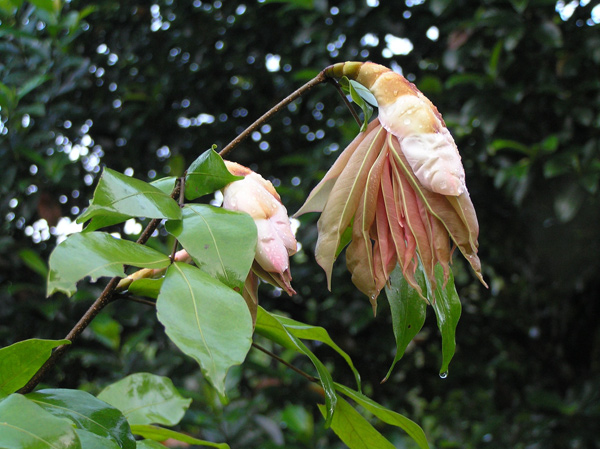
Cynometra malaccensis

kekatong, katong
katong, belangan

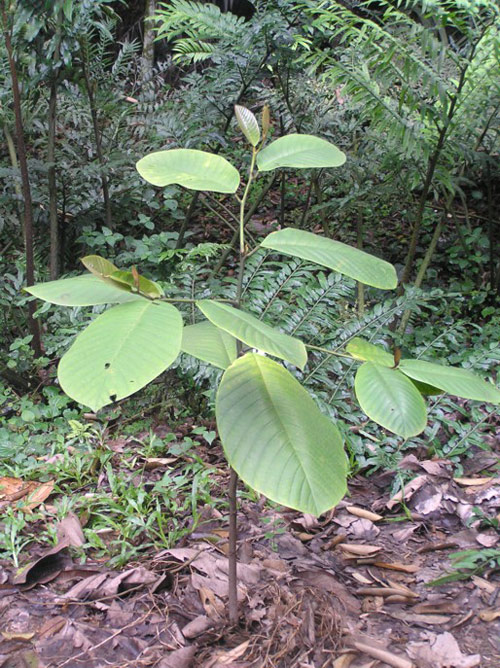
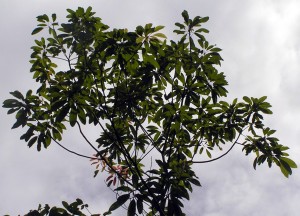
India, Siam, through Malaya, common exc. Johor. Big, up to 40m, straight bole, sometimes fluted, like sepetir (Sindora), buttress
like keranji (Dialium). Crown dense with numerous sub crowns, new foliage in dry season pink then pale green tassels.

Dialium indum

keranji kertas besar

Uncommon, Malaya, Sumatra, Banka, Java, Borneo. Found west of Wallace’s Line. Big slender trees. Pod roundish, brittle, one seeded; aril function transferred to the endocarp, pulpy and edible. Fruits traded to Singapore (Burkill).

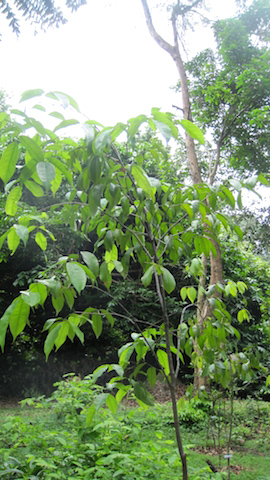
Dialium patens

keranji paya

S Malaya, Billiton, Banka, Borneo.  Locally common, esp coastal Pahang. In low lying areas incl peat swamp. Fr Tunas Harapan 6.2012.
Dialium platysepalum

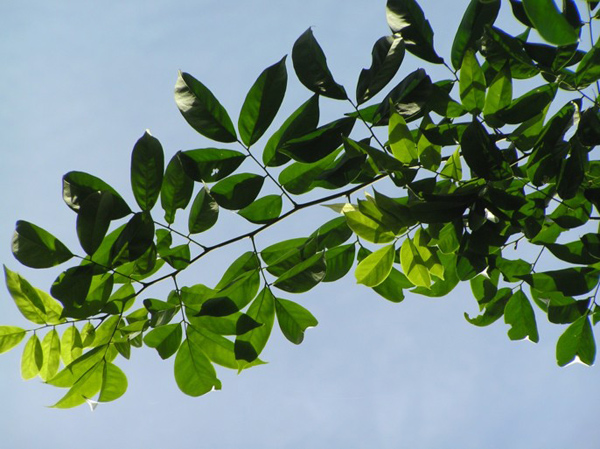
keranji kuning besar

Common throughout Malayan lowland forest. Sumatra and Borneo, genus
only west of Wallace’s Line. Edible fruit in a pod unusual for the
family: small, roundish and brittle, the one seeeded structure does
not break open.
Dialium wallichii
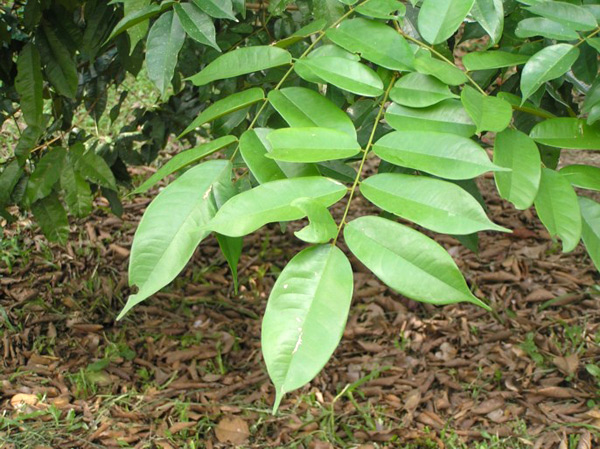
keranji kuning kecil

In Malesia all spp. west of Wallace’s Line. Big slender trees, to
40m & 3m girth, mature crown shallow domed, diffuse. Leaves simple
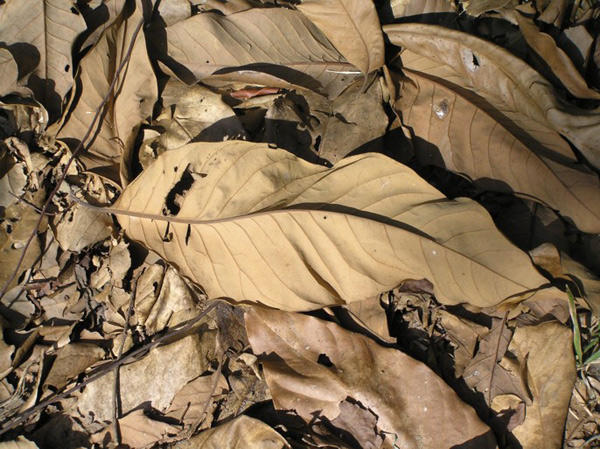
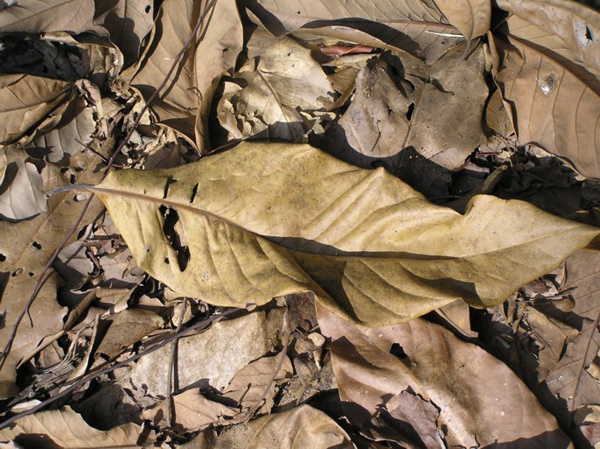
pinnate w/ terminal leaflet. This sp. leaves velvety under, dull brown
or golden with a beautiful silky sheen.
Intsia palembanica

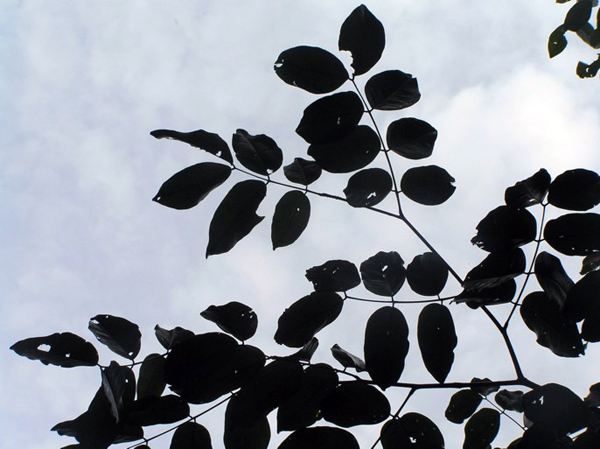
merbau

Throughout Malaya, Siam, Andamans, Malesia to W. New Guinea. Common in inland lowland forests, associated with tualang. V. big to 60m, bole often slightly sinuous, big plank-like buttresses. Domed crown with ascending big limbs. Very heavy hard wood. Leaves pinnate opposite leaflets, no terminal leaflet. Small but showy flowers in terminal panicles. Saplings to 10m straggly.

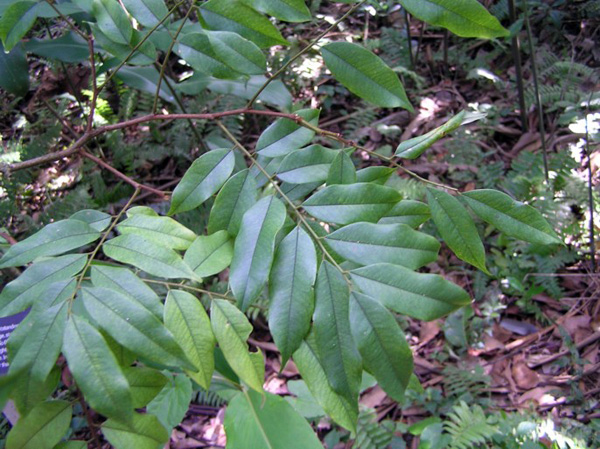
Koompassia malaccensis

(Caesalpiniaceae)
kempas

Malaya, Sumatra, Borneo. The outstanding tree of Malaysia’s forests,
extremely large, strong buttresses, v. hard heavy wood. To 60m. Used
for railway sleepers ‘thus are the mighty subjugated’ (Corner). Deciduous
Jan & June. In swamps kempas buttresses much larger than on dry.
Koompassia excelsa

tualang

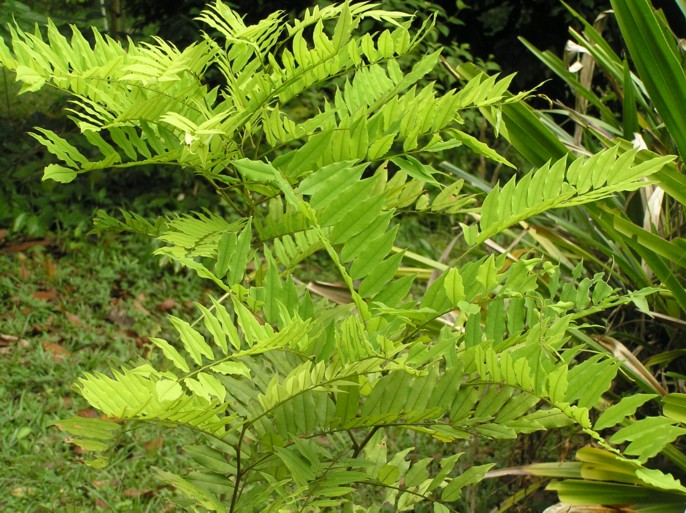
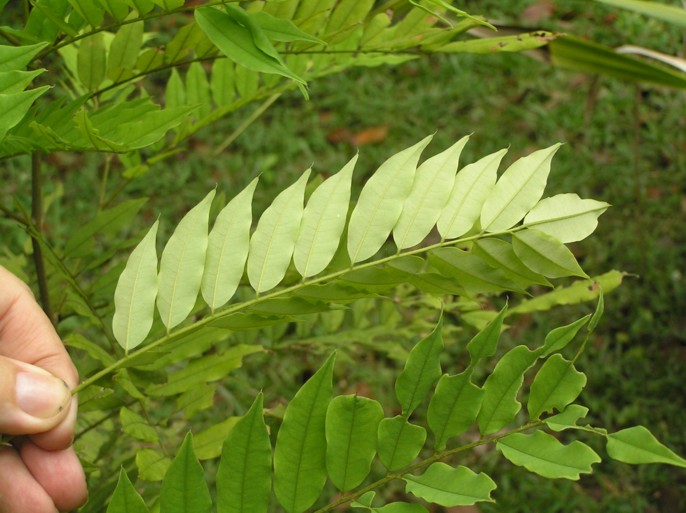
V. big, to 80m, columnar bole, crown bright to pale green, sub-crowns
small and numerous. Central to northern Malaya, valleys and lower
slopes of hills. Fairly common and locally abundant. Not found south
of KL-Kuantan line.
Milletia atropurpurea

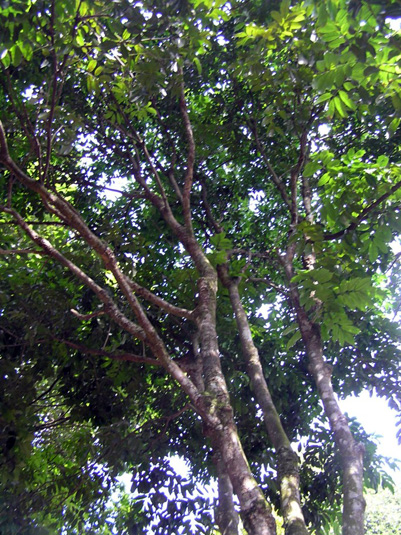
tulang daing

Common throughout Malaya, Burma, Siam, west Malesia. To 30 m, crown dense, bole form often poor. Flowers in terminal panicle, deep purple. Large pods, splitting open when fallen on ground. 1 or 2 seeds per pod.

Ormosia bancana

saga hutan

Malaya, Sumatra, Banka, Borneo. Scattered in coastal forest and along rivers, uncommon. Leaflets like kempas (Koompassia malaccensis) thinly gold and velvety to glabrous below.

Tunas Harapan 6.2012.

Parkia speciosa

petai

Frequently planted in villages, also wild scattered in lowland forest. Pods 12 to 16″ long, straight, wavy or twisted, strongly swollen at the seeds. Young pods and mature seeds esteemed as vegetable, reeking of garlic.

Pithecellobium clypearia (Mimosaceae)

petai belalang, cahar

Abundant in belukar (secondary forest) India to Borneo.

Sindora coriacea

sepetir licin

Malaya, Sumatra, Borneo. Huge column-like trees, to 50m, massive bole and crown. Deciduous for a few weeks, flowering soon after, fruiting 2 months later. Common. This species recognized by glabrous leaves and smooth pods.

Sindora echinocalyx

sepetir daun nipis

Malaya and Riau, on hillsides and ridges, sometimes coastal. Big trees,
massive crown, deciduous, clear growth rings, light hardwood.
Tamarindus indica

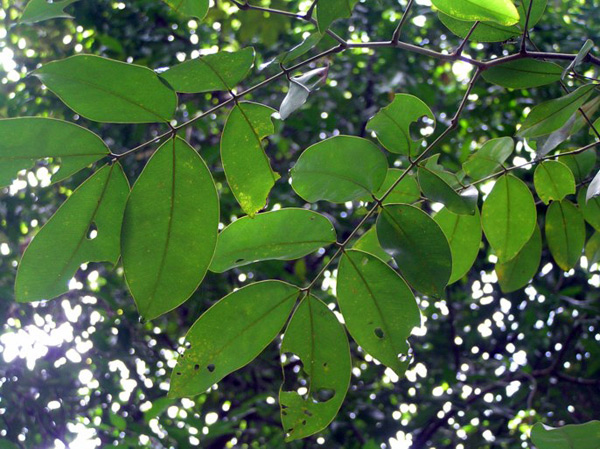
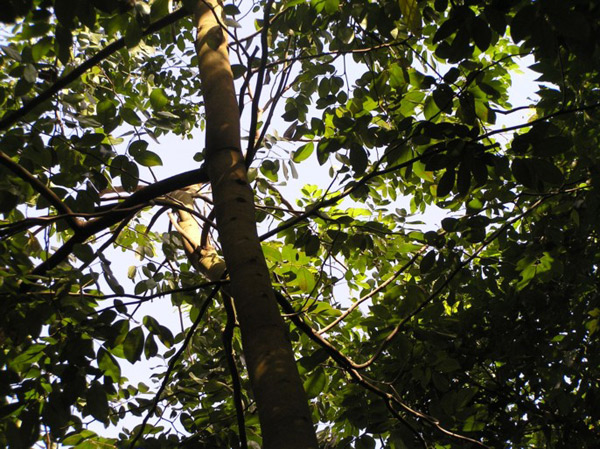
asam jawa

Africa; introduced by Arab traders to India & SEAsia (tamar-ul-Hind,
‘the date of India’). Young shoots eaten raw; decoction of leaves
treats fever. Pulp of fruit added to curry for sourness; bark a poultice
for sores and boils.

Family Lauraceae

Actinodaphne macrophylla
medang payong
Malayan lowland to mountain forests; very common at Frasers Hill. Java. Twigs reddish brown hairs, leaves in whorls of 6-12, reddish brown hairy below.

Actinodaphne sesquipedalis
medang paying, pedalis
Tenasserim to Borneo. Widely found thru Malaya. Leaf under yellowish brown hairy, apex usually pointed. Fruits poisonous?

1 from Elango 6/08

Cinnamomum mollissium
medang wangi
Endemic, common, except in Kedah and Perlis. All species have aromatic crushed leaves, this one distinguished by hairy leaves and twigs.

Cinnamomum verum
kayu manis, cinnamon
India. Cooking spice. Roots treat rheumatism and fever. The tree bark is used in many medicinal powders and tinctures, tonics for diarrhea and colic.

Litsea castanea
medang
About 400spp., thru tropics, except Africa. In Malaya, 54 spp. Sumatra, Borneo, Java. Common in Kota Baru and widely distributed. Tall tree, to 33m, bole with spreading thin buttresses to 1m ht. frequently coppiced for construction material. Bark reddish, smooth with horizontal rings. Large leaves, completely deciduous in the north.

Litsea myristicaefolia
medang asam, medang baros, medang kelaya
Widely distributed from mountain to lowland forests, Burma to Singapore. Leaves alternate,
spirally arranged, midrib sunken above. Flower clusters from leaf axils, fruits 1cm globose white with green perianth cup.

1 fr TH 11.09

Litsea robusta
medang
About 400spp., thru the tropics except Africa. In Malaya, 54 spp. Burma, Java. Tall, to 36m, bark fawn smooth w/many corky lenticels. Leaves spirally arranged, uncommon, on low hills by streams. Acorn hemisphere, green ripening blue.

Litsea sp.
medang
2 new specimens June 2008.

Family Lamiaceae

Clerodendrum bungei (Previously Clerodendron bungei in Family Verbenaceae)
China. Cultivated. Many tropical species from this genera are attributed with spiritual & magical properties.

Clerodendrum fragrans (Previously Clerodendron fragrans in Family Verbenaceae)
popkok rabu kambang, exhilaration tree

China. Used by Malays for rheumatism and ague, or with other substances for treating skin diseases.

Clerodendrum paniculatum (Previously Clerodendron paniculatum in Family Verbenaceae)
panggil panggil
Burma, s. China to Java, but not known in the wild. Summons spirits. One of the plants used to sprinkle tepung tawar in weddings, blessing fish stakes & ‘in the taking of the rice-soul’ (Burkill). Infusion is purgative. Elephant medicine, to protect them from harm.

Peronema canescens
(Previously in Family Verbenaceae)
sungkai
Malaya, Sumatra, Java, Borneo. Common in secondary forest and near rivers and clearings in primary forest. Small tree. Compound leaves increase in size from basal pair upwards, leaflets sessile, young leaves rich purple.

Premna foetida
(Previously in Family Verbenaceae)
buas buas
Malay peninsula, Java, Borneo. Straggling shrub, twigs and stalks finely hairy. Coastal forests, used to treat fever, asthma.

Tectona grandis
(Previously in Family Verbenaceae)
jati
India, Siam, W. Malesia to the Philippines, not wild in Malaya. Large deciduous tree, prefers open monsoon forest where a dormant period is forced by dry weather. Flowering and fruiting after new leaves emerge with wet weather.

Family Hypericaceae

Cratoxylum arborescens
geronggang

Common except Perlis and Kedah. Burma, Sumatra, Borneo. Seasonal flowering, once or twice a year after dry weather. Greek name: kratos (strength) xulon (wood).

Cratoxylum cochinchinense
derum seluncur,
mampat

Malesia. Throughout Malaya. A variable sp. with two extremes, shrub or a large tree, ornamental. Flowers dark red to pink, bark smooth light buff, peeling off in pieces or strips as in Tristania (pelawan).

Cratoxylum formosum
mempat

Indochina, w. Malesia, Philippines. Common through Malaysia in belukar or forest. Like almond blossom, flowers after leaves fall. Flowers borne in axils of old leaves.

Family Hamamelidaceae

Family Hamamelidaceae

Maingaya malayana

Named for A.C. Maingay (1836-69) sometime gaoler at Malacca.
Endemic to Penang Hill, Perak (Gg. Bubu) to elev. 600m., only 10 collections, all 19th century except one in 1971. Leaves entire, pinnately nerved; flowers bisexual, dense round yellow heads.

This specimen from Mr. H. Barlow, c. 1995.

Maingaya-malayana

Rhodoleia championii

kerlik

Large shrub/tree to 20m. Showy flower heads, to
15mm across, red petals; fruit to 2cm. Malaya,
esp lowlands of Selangor, on quartz dykes at
Klang Gates. Attracts birds & bees. 1 fr TH 11.09.

Family Poaceae

Family Poaceae

Gigantochloa scortechinii
buluh galah/minyak/semantan/telor

Thailand, Malaya, all states. Culm sheaths green base, intense orange
at top, covered with irritant hairs. To 20m. Rare in primary forest,
common at margins. Uses handicrafts, chopsticks, skewers. Gr. gigantos
huge, chloa grass.

Gigantochloa-scorteccinii

Family Gentianaceae

Family Gentianaceae

Fagraea crenulata
malabera

W. coast, in swampy ground. Med tree to 23m, 1.5m girth, crown big
leafed, open, flat topped with stiff spreading branches. Minutely
toothed leaves. Terminal inflorescence, cream flowers, corolla thick,
stamens not projecting from tube.

Fagraea fragrans
tembusu padang

Lwr. Burma, Malesia to New Guinea. In open and swampy lowlands. To
30m, terminalia branches have upturned ends. Irregular fissured bark.
Fine leafed crown, conical when young. White fragrant flowers 4 months
after dry season, then red berries, seeds dispersed by bats.

Fagraea-fragrans

Fagraea racemosa

kopi kopi

Malesia to northern Australia, Solomon Islands. Shrub to small tree, or straggling climber. Frequent in secondary forests, sometimes in wet places.

Fagraea-racemosa