Kafayat Quadri is a poet (poetographer), singer-songwriter, music producer and a certified attorney. She was the first African to speak and perform at the TEDxKLwomen, Malaysia in 2013. Her music and poetry have been performed on the stages of George Town Literary Festival, KAKISENI International Arts Festival, Generation-Y Music Festival, Lake Garden Music Festival, Coffee & Fringe Art Festival, and so on.
Her first album ‘KQ the EP’ which she co-produced with Aman Junaid, a Grammy Award Recipient and her second album ‘April 16′, instrumentals in honour of her mother can both be found on iTunes, Spotify, Apple Music & VEVO. Her prose poem was recently shortlisted by the PWDC Writers Workshop by Bernice Chauly for the End Violence Against Women Campaign & GTLF 2015. She is a recipient of the Hotel Penaga Artist Residency 2016 and her first poetry collection is due to be published by Garden Bench in the same year.
In anticipation of her first collection of poems, Kafayat is working on interpreting some of the poems from the upcoming poetry collection, Aquarius, alongside her photography as printed on canvas, which would be exhibited at the Penaga Hotel at the end of her residency. The photography exhibition would be from the 30th January until the 29th of February 2016.
Also, during her residency, she would commence work on the composition of the music to be featured in her 3rd album in collaboration some Malaysian rappers and poets (especially the Penang-based ones) for her newly found music & poetry genre – RAPCOUSTICS, which comprises mainly of a single musical instrument accompanied to a rap or poetry rendition with musical choruses at intervals which would come from a direct and on-spot musical interpretation of the poem or rap as rendered by the featured artist.
She is the founder and the Managing Editor of the Poetry Digest Magazine in Nigeria and hopes to get the world reading, writing and sharing poetry everyday.
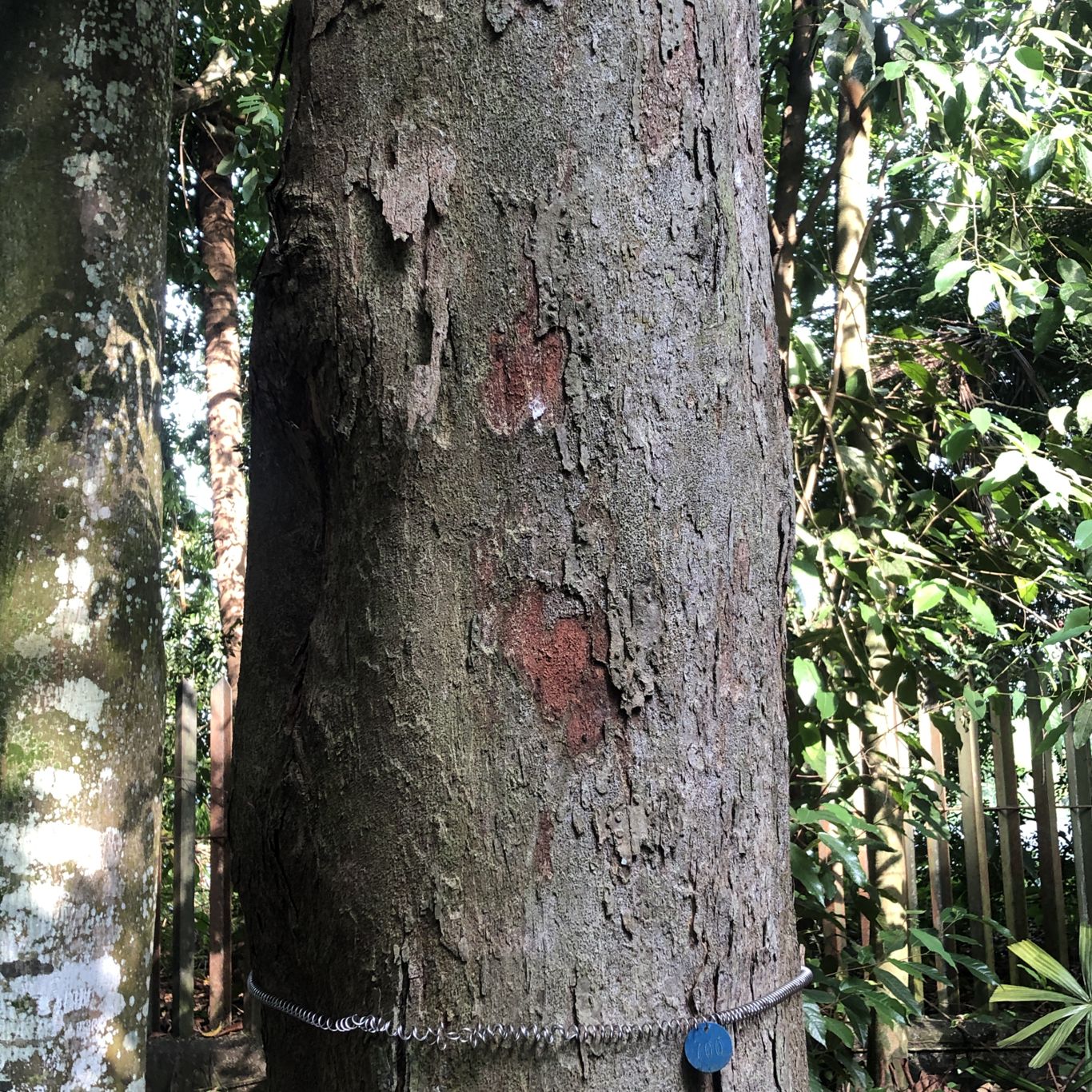
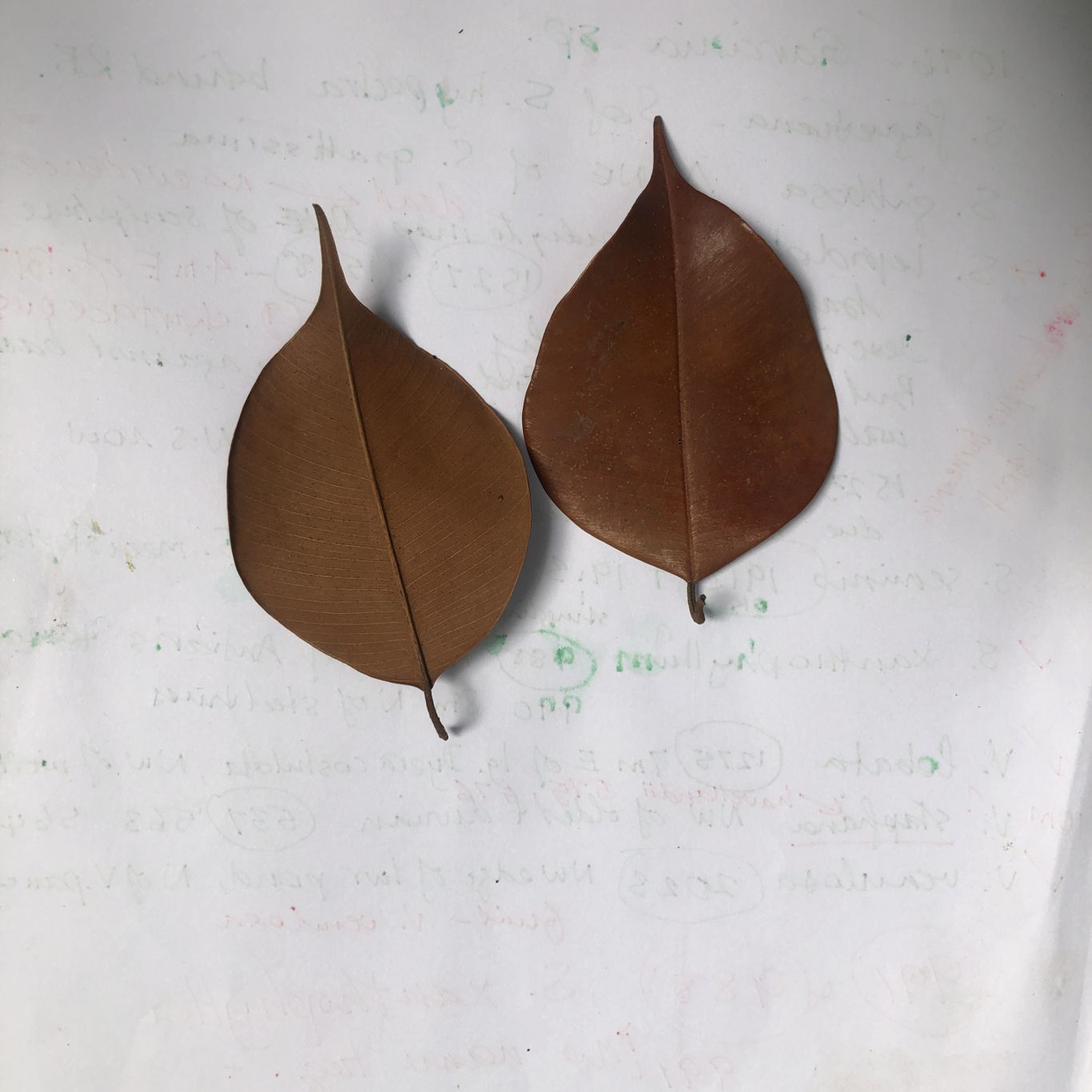
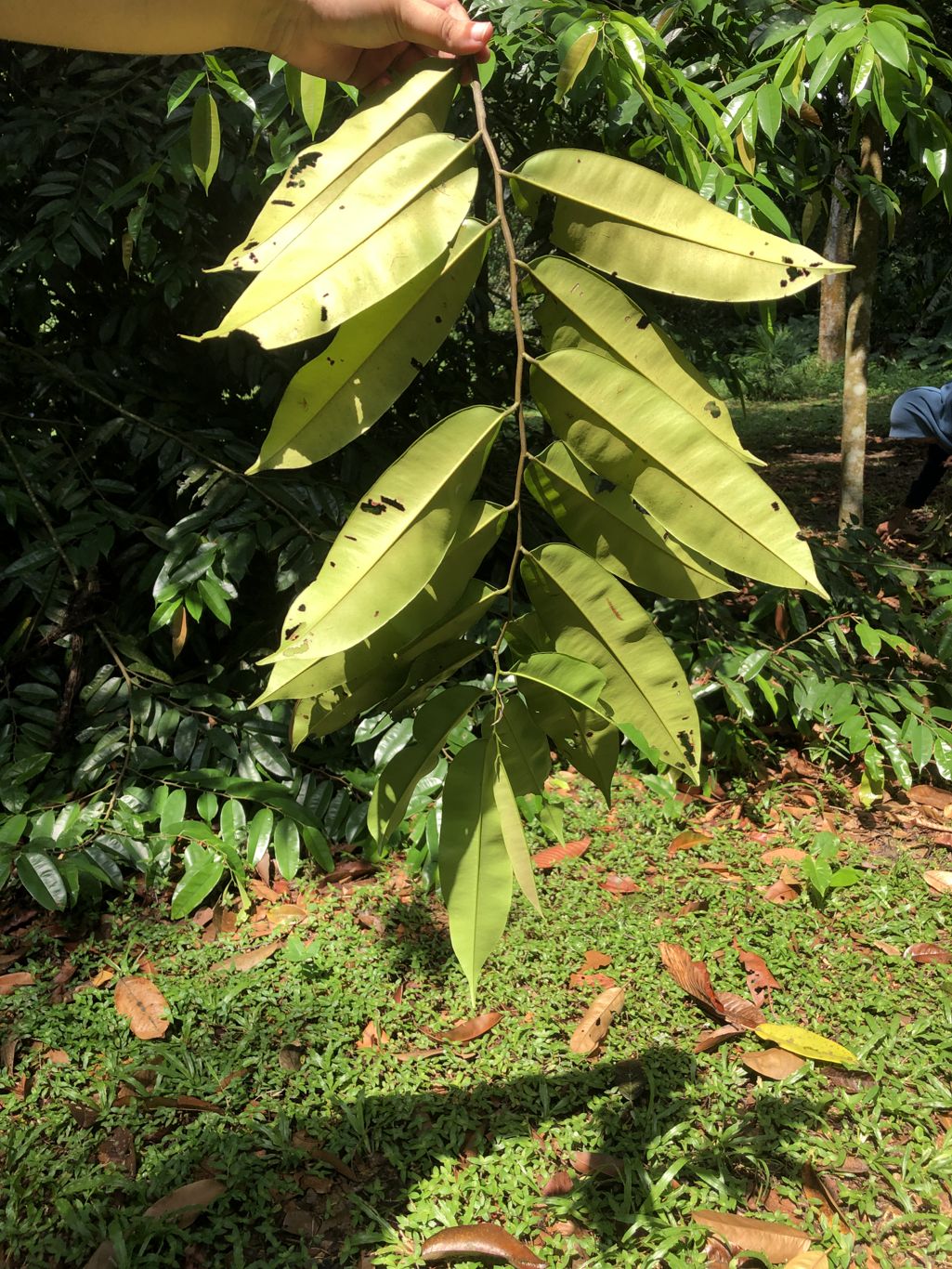
Neobalanocarpus heimii cengal Endemic Malay peninsula. V. large trees, bole with short buttresses, dark bark with irregular fissures becoming scaly in older trees. Produces the primary timber of Malaya. Seeds heavy & wingless fall just beneath parent tree.
Previous images:
Images from September 2022:
Neobalanocarpus heimii front leavesNeobalanocarpus heimii back leaves
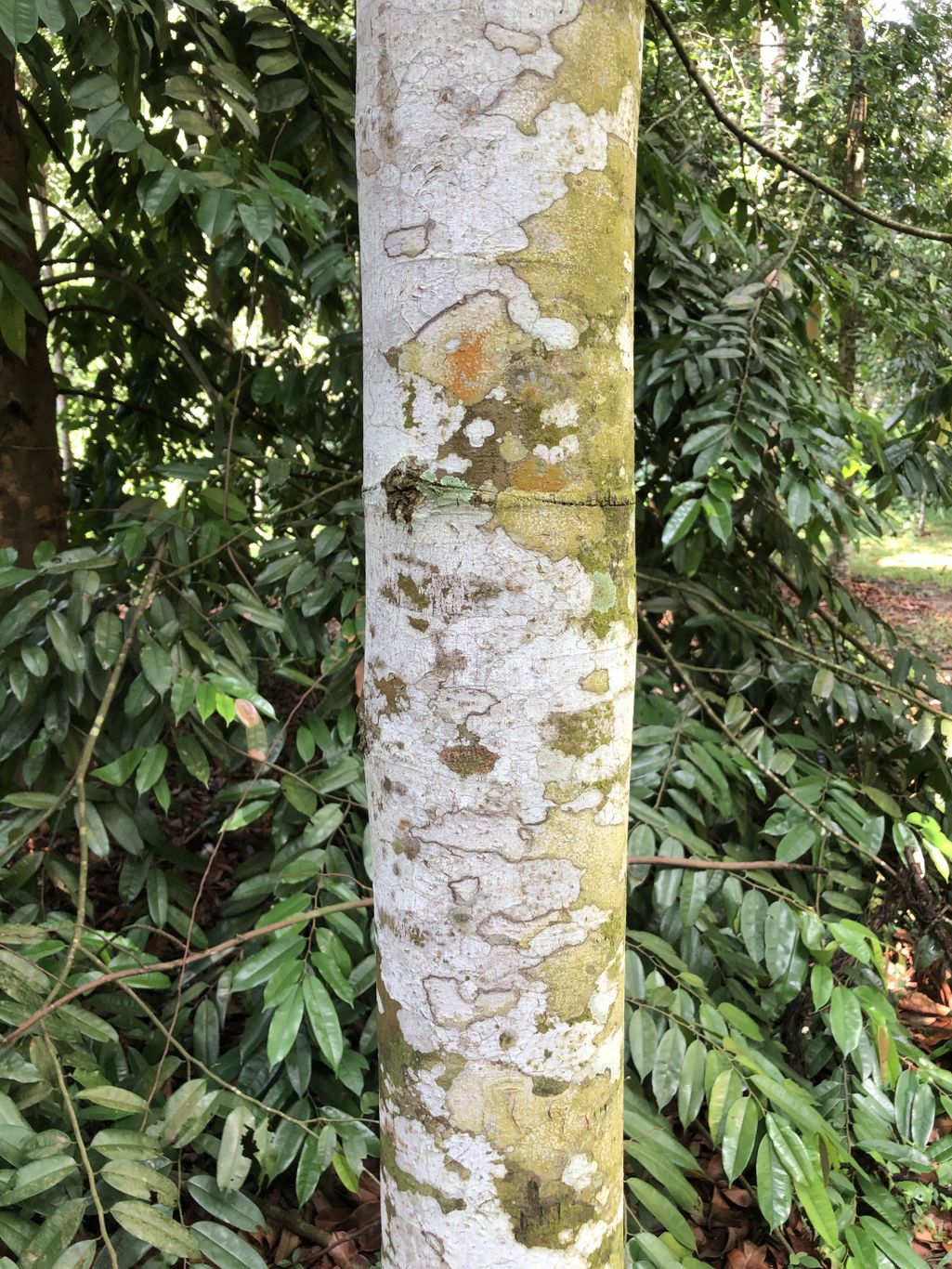
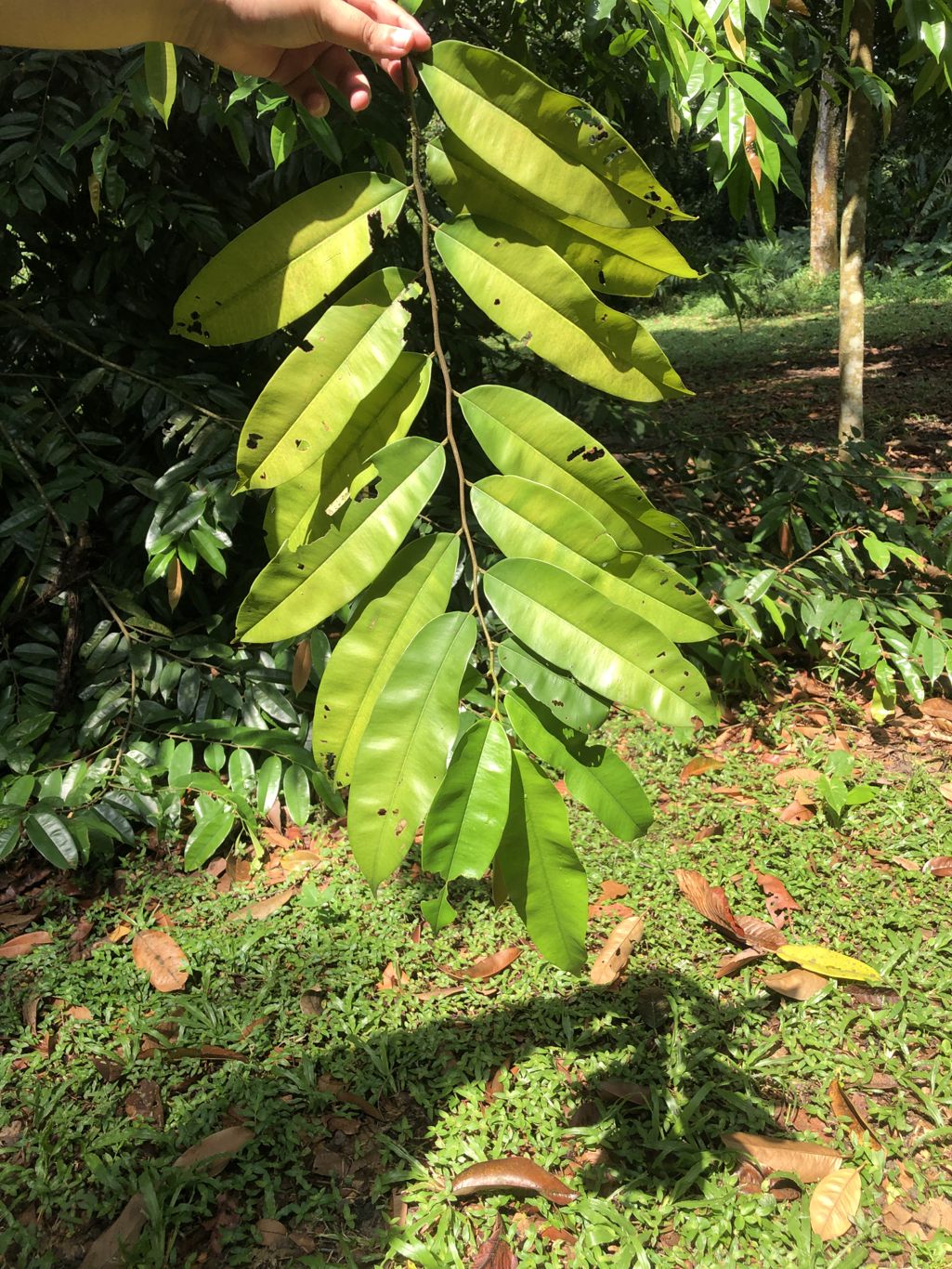
Anisoptera laevis mersawa durian Malaya, Sumatra & Borneo. Most common of genera widely distributed between 300 & 900 m. Vulnerable, due to logging & habitat loss; small smooth leaf, sparse reddish scales on lower surface. Planted 6/07.
Images from September 2022:
Anisoptera laevis bark
Anisoptera marginata mersawa paya E Sumatra, Malaya, Borneo. In Malaya near coastal peat swamp forest of S Perak, Selangor, Pahang, and Johor. Critically endangered by land conversion. Smooth leaves, bright yellow under. 1 fr TH 11/09
Images from September 2022:
Anisoptera marginata bark
Anisoptera scaphula mersawa gajah South from Chittagong; most common in north of Malaya but found as far south as NS. Favours low altitudes and deep gorges, now endangered through range. Large thin glabrous leaf. Very large trees, up to 9m girth. Planted 6/07.
Images from September 2022:
Anisoptera scaphula bark
Anisoptera sp. mersawa Small genus of about 14 species, 7 in Malay peninsula. Most have distinctive leaf: prominent looped marginal vein. High silica content of wood makes sawing difficult. Large buttresses were frequently cut to make pans for tin washing.
Vatica cinerea resak laut A coastal species that grows to 700m elevation, of Kedah and Perlis, Thailand, Vietnam and Cambodia. Small trees that are easily confused with Vatica odorata, best known as a small tree on exposed ridges, rocky headlands and limestone hills, and in the Schima-bamboo forests of Kedah and Perlis.
Vatica cuspidata (Ridl.) Sym. resak daun runcing Endemic to Malaya, and most common Vatica, on coastal hills. Vulnerable, due to conversion and placing logging roads on ridges. Long petioled acuminate leaf that dries dark. TH 2012.
Images from 2022:
Vatica flavida Foxw. Resak padi Endemic to Parit FR, Keroh & Cikus. Feared extinct. Elliptic-obovate cuspidate leaf with veins hairy on under surface. Yellow flowers in great profusion. These from Univeristi Petronas campus, 2011.
Images from 2022
Vatica havilandii Brandis [??] resak degung N. Borneo, Malaya: Parit FR. Prefers low forest, critically endangered, close to extinction in Malaya. Obovate-oblong leaf sharp at apex, rounded at base but variable. Dries papery dark purple. Nut globose.
Vatica lobata resak paya Endemic sp from Sg Paka, Trengganu. Swampy land near streams, now critically endangered if not extinct due to the conversion of habitat to estate. Obovate leaf with only 5 prs nerves. 1 fr TH 11/09.
Vatica lowii King emend. Sym. resak pipit From SE Thailand to Johor. Small bluntly acuminate leaf. Typical Vatica, up to 1.5m girth. From Tunas Harapan 6.12
Images from 2022
Vatica maingayi resak lidi A species of Pelambang, Sumatra, the peninsula and NW Borneo, particularly abundant in Melaka. Lidi refers to the slender petioles.
Vatica nitens King resak daun panjang Malay peninsula and NW Borneo. From Penang and s. Kedah to Panti, s. Johor. Common in northern Selangor but not abundant anywhere. Vulnerable to logging and forest conversion. Large oblong leaves, bole up to 3m girth.
Images from 2022
Vatica odorata (Griff.) Sym. resak ranting kesat Throughout Malaya, more common in north. Sub species, on low hills. Rusty pink tomentose young twigs (kesat: rough twigs) and semi-inferior fruits. Fr Tunas Harapan 6.12.
Vatica pauciflora (Korth.) Bl. resak paya Fr S Vietnam to S Sumatra, in low lying swampy habitat. Vulnerable due to fragmentation. Typical Vatica, less than 3m girth, wingless fruits adapted for water dispersal. Tunas Harapan 6.12.
Images from 2022
Vatica stapfiana (King) Sloot resak mempening, resak laru Malaya and Sumatra. Not uncommon in Selangor, Perak, Pahang, often in valleys, near streams. Rarely exceeds 1m girth, exudations of yellow dammar. Fruits resemble acorns of Quercus, mempening.
Images from 2022
Vatica venulosa Bl. resak letup Malaya, Sumatra, W Java, Borneo. Near streams in damp soil, probably endangered, but not studied. Typical small Vatica, <1m girth. Small leaves, nut concealed by 5 sepal wings 3 cm long. Lata Belatan, Trengganu. TH 6.2012.
Images from 2022
Vatica yeechongii Endemic sp from Sg Lalang FR Selangor, first described in 2002, on slope not far from Saraca stream. V large leaves, 40cm long, billowed between at least 28 prs nerves, short stout petiole and stout twigs. 1 fr TH 11/09.
Shorea acuminata meranti rambai daun Southern half of Malay peninsula, most abundant in hilly country about 330m. Drooping branchlets, large semi-persistent stipules, unequal sided leaves and purple-red flowers. Grey to reddish bole, rough irregular fissured bark. Although greatly reduced by forest conversion, this species is not currently at risk. A specimen planted in 1997 at Rimbun Dahan fruited sparsely in Sept 2009. Location in row 3 W of entrance to main house, near Ahmad’s white sculpture.
Images from August 2022:
Shorea acuminatissima Symington seraya kuning runcing Latin, accuminatassimus = prominently acuminate; the leaf apex. Borneo endemic. Vulnerable. Norsham 5.13. Located with other Sabah spp front area W of stream source.
Shorea assamica Dyer subspecies globifera (Ridl.) Sym meranti pipit (meranti pa’ang) group From NW India through to Malaya, Sumatra, Philippines, Borneo, Sulawesi, Maluku. Several geographical races are distinct botanical forms, that of Malaya and Sumatra is the form globifera. Common in north, not found in Selangor. Leaves oval elliptic, 7 x 3cm, 17 nerved.
Images from August 2022:
S. assamica bark
Shorea balanocarpoides Sym. damar katup (meranti damar hitam) N Sumatra, w Borneo, Malaya; from Kedah to Kinta; Kelantan & Terengganu. On undulating low land, endangered by logging, habitat conversion. Large oval 7 nerved leaves, heavy crowns, fruits wingless. Estimated height in 08/2022: 7 m
2022
Shorea bentongensis meranti mengkai (meranti pa’ang group) Endemic sp. found in Ulu Gombak, Bentong, Rompin, NE & S Johor, on low land, deep valleys, endangered by habitat loss. Large trees with smooth bole like sepetir (Sindora spp.), leaves elliptic, c. 15 nerved, large fruit w/ short narrow wings, 3 outer 2 inner. Planted 6/07.2 new specimens June 2008, pictured below. One planted on path from Uda Manap to front, on left just beyond entrance to path, 2 more at N end of area with Ahmad’s white sculpture.
Images from August 2022:
Shorea blumutensis Foxw. meranti kelim Sumatra, Johor. Elliptic lanceolate, leathery leaves with revolute margins, and fulvous tomentose twigs and petioles. Up to 30m height, 2m girth. Critically endangered by logging. On right of laterite road to Uda Manap.Estimated height in 08/2022: 16 m
Previous images:
Images from August 2022:
Shorea curtisii seraya Malaya, from Pattani to Singapore. common and characteristic species of hill dipterocarp forests. Light coloured crowns, lanceolate, glaucescent leaves (pale waxy bloom on upper leaf surface, lower surface pale yellow glaucescent). Large trees to 3m girth, record 7m. Dark red meranti.
Images from August 2022:
Previous image
Shorea curtisii subsp grandis Seraya daun besar Endemic form found only in Keledang Saiong and Bukit Kinta FRs, Perak, bw 200 and 500m. Deeply fissured bark, leaves resemble seraya, but much larger. Fr Tunas Harapan ’12.
Shorea dasyphylla meranti batu (red meranti group) Malaya, eastern Sumatra, Sarawak. Favours low but well drained forest, now (critically?) endangered by land conversion & logging. Leaves ovate lanceolate to elliptic oblong, 11 x 6 cm, variable, 13 nerved, softly tomentose under. Planted 6/07 to NW of Rumah Balai.
Images from 2022:
S. dasyphylla bark
Shorea faguetiana damar siput(meranti damar hitam group) Borneo, Malaya. Widely distributed, large tree. Leaves curl up on ground, ovate-lanceolate, 8 x 3 cm, 10 nerved, glabrous, petiole 12 mm, young expanding leaves dark red.
Images from September 2022:
S.faguetiana barkS.faguetiana bark 2
Shorea foxworthyi balau bukit Endemic species, throughout the peninsula except south of Ulu Selangor on west coast, on undulating land up to 2,000 feet.
Shorea gibbosa damar hitam gajah Malaya, SE Sumatra, Borneo. Malaya only in central & s Johor, Singapore. Pale silvery brown striated dried twigs and larger fruits distinguish it from S. faguetiana, v similar. Larger than damar hitam (S. multiflora). 1 from TH 11/09.
Abundant in Sabah where it is known as seraya kuning gajah. Latin, gibbosus = pouched; the stamina filament. SE Sumatra, Malaya, Singapore, Borneo. Widespread in Sabah. Vast emergent to 70m, 2m diam bole. Variable sp. Norsham 5.13
Images from 2022
S. gibbosa barkS. gibbosa back leavesS. gibbosa front leaves
Shorea gratissima Dyer meranti laut Peninsula, w Sumatra, Borneo, Singapore. Bukit Jugra. Sm ovate-lanceloate smooth leaf. Girth >3m, short buttresses. 1cm flowers, short stalked fruit, small nut ovate-oblong with short sharp point, 3 outer, 2 inner wings.
Images from 2022:
S gratissima barkS.gratissima front leavesS gratissima back leaves
Shorea guiso membatu (balau group) From China to Malaya, Sumatra, Philippines, Borneo. Endangered. Small, thin 16 nerved leaves, 9 x 4 cm. Leaves larger on saplings than on mature trees. Planted 6/07.
selangan batu merah fr Filipino name. Cochin China, Thailand, Sumatra, Malaya, Borneo, Philippines. Common in weakly seasonal tropics. Large emergent to 60m, 1.6m diam. Norsham 5.13.
[Images below not available in larger size]
Images from 2022:
S. guiso bark
Shorea hemsleyana chengal pasir daun besar Malay peninsula and Sarawak, especially in swampy land on lower Perak. Common in Ijok and Parit. Timber worked in Parit sawmill, but not plentiful
Images from 2022:
Shorea hemsleyanaShorea hemsleyana barkS. hemsleyana back leaf
S. hemsleyana front leaf
Previous images
Shorea henryana meranti jerit (scream) From south lower Burma, S Laos and Vietnam, and SE peninsular Thailand to Perlis, north Kedah and Langkawi. Yellow crown, ovate lanceolate leaves glaucous or pink under, rusty pink twigs. Timber hardest, heaviest, most difficult to saw. 2 planted 8/08.
Images from 2022:
Shorea hopeifolia damar siput jantan Borneo, Sumatra, Malay peninsula, but not Selangor; near streams. Large winged fruit, 3 outer wings (5cm x 1 cm), 2 inner wings (3cm x .5cm), all red when mature.
Shorea hypochra meranti temak (meranti pa’ang group) Cambodia, S. China, Thailand, Riau, Lingga, Malaya. Usually in low swampy forest. Endangered. Large oval to elliptic-oblong leathery leaves. Planted 6/07.
Estimated height in 08/2022: 4 m
Images from 2022
Previous images
Shorea kuantanensis ??
Images from 2022
Shorea kudatensis Wood ex Meijer
seraya kuning
Of Kudat, Sabah. Endemic in NE Sabah. Large emergent to 45m, 1.9m diam, low rounded buttresses. Endangered. Norsham 5.13.
Images from 2022
Shorea kunstleri damar laut merah A species of the peninsula, northern Sumatra and Borneo. Best known in the Kinta district of Perak where it is gregarious on ridges. The main diagnostic features are the closely fissured bark and frequent exudations of yellow-crusted dammar.
Shorea laevis Ridl. kumus Burma, Thailand, N Sumatra, Borneo, Malaya. Common on inland ridges, often with S. curtisii Probably largest trees in balau group. Fresh leaves bright yellow midrib.HSBG Tawau, Sabah, fr Tunas Harapan ’12.
Images from 2022:
S. laevis barkS. laevis front leavesS. laevis back leaves
Shorea lamellata Foxw. meranti lapis Riau, Borneo, Malaya. S Perak, now critically endangered. Oblong hairly leaves with c 24 prs prominent main nerves. Often >3m girth, short stout buttresses. TH 6.2012
Images from 2022:
S. lamellataS. lamellata barkS. lamellata front leavesS. lamellata back leaves
Shorea lepidota meranti langgong Sumatra and Malaya, except Perlis, Kelantan, Selangor, usually on low land. Deeply fissured bark (mature), thin oblong glabrescent leaves, & saplings with persistent falcate stipules and downy twigs.
Images from 2022:
S.lepidota front leavesS.lepidota back leavesS.lepidota bark
Shorea leprosula Miq meranti tembaga red meranti group of Shorea Throughout the Peninsula, Sumatra, Borneo. Used to be common on well drained lowland soils and the most abundant form of meranti; now much reduced but still common in protected areas, regenerates vigorously. 11 planted inside front fence in 1989, now (Jan 08) the largest has a CBH of 158 cm, 62″. Yellowish brown crown. Leaves elliptical, short blunt acuminate; about 15 nerved, yellow tomentose on lower surface. Twigs hairy. 1 new specimen June 2008, pictured below.
Images from 2022:
S. leprosula trunk
Shorea longisperma meranti damar hitam (meranti damar hitam group) E. Sumatra, Borneo, Malaya (mainly S). In undulating & low forest, up to 300m. Rare scattered tree; once locally common in parts of Selangor, now critically endangered. V. large trees, fallen leaves curled up, reddish brown on upper, pale and hairy on lower. 13 nerved, petiole 12mm coarsely stellate hairy. Planted 6/07.
Images from 2022
Shorea lumutensis Sym. balau putih Endemic, only from coastal hills in Dindings, Perak. Critically endangered. fissured bark, glaucous, leathery, elliptic-oblong leaves.
Previous images
Images from 2022
Shorea macrantha Brandis kepong hantu, cengal/meranti pasir Sumatra, Sarawak, Malaya (lower Sg Perak, E Pahang & Johor). Swampy areas, critically endangered by land conversion. Drooping branchlets; unequal sided leaves, tomentose; large wingless fruits. New specimen June 2008 pictured below.
Images from 2022:
Shorea macroptera melantai (red meranti group) Malaya, Sumatra, west Borneo. In low lying well drained forest, to 900m. Frequently assoc with seraya (S. curtisii). Leaves obovate oblong, 13 x 5 cm, variable, frequently folded along midrib, 15 nerved, drying dull yellow brown. Planted 6/07.
Images from 2022:
Shorea materialis balau pasir Endemic species limited to east coasts of Pahang, Johor and possibly Trengganu. Name refers to sandy habitat on river banks. Broad ovate, glaucous, leathery leaves, prefers low flat land, but largely logged from accessible areas.
Shorea materialis planted in a group.
The canopy of Shorea materialis.
S. materialis seedlings
S. materialis growing on the ground.
Images from 2022:
S. materialis barkS. materialis front leavesS. materialis back leaves
Shorea maxima meranti sengkawang putih (meranti damar hitam group) Endemic Perak, S Pahang, & Kelantan. Once common in T. Malim on low hills. Endangered but conserved in parks. Dense crown w/twisted branches, large flowers, large wingless fruits. Small girth, rarely 2m. Leaves oblong lanceolate, 16 x 6cm, 9 nerved. Planted 6/07.
Images from 2022:
Previous image
Shorea maxwelliana damar laut daun kecil Essentially Malaya, sometimes in Borneo. Prefers well drained positions to 700m, more common on low ridges. Small elliptic/ovate-lanceolate leaves, faintly nerved and usually glaucous under.
Shorea mecistopteryx kawang burung (Sabah), engkabang burung (Sarawak)
Borneo endemic. Large emergent tree, vulnerable due to land conversion. Leaves chartaceous, brittle when dry, blade oblong up to 30 x 12 cm.
Images from 2022:
S. mecistopteryx barkS. mesicopteryx front leavesS. mecistopteryx back leaves
Shorea multiflora damar hitam Malaya, Sumatra, Borneo. Often on ridges in association with seraya (S. curtisii) & kumus (S. leavis). Small leaves dry light, golden brown under; small wingless fruits. Understorey tree.
Shorea ochrophloia seraya batu (balau group) Endemic, all states of Malaya, sporadically on low well drained land & hills up to 300m. Once common, now critically endangered. Yellow grey bole, large trees, girth up to 3m, short buttresses, crown large, heavy, dark coloured. Leaves ovate to elliptic-ovate, 7 x 5cm, 15 nerved. Planted 6/07.
Images from 2022:
S. ochrophloia barkS. ochrofoila front leavesS. ochrophloia back leaves
Shorea ovalis kepong Malaya, Sumatra, Borneo. A common meranti in lowland forest, favouring lowland and stream side. Boat shaped scabrid leaves, hairy twigs, semi-persistent triangular stipules. One of the largest and tallest trees, often >4m girth (2m in 45 yrs?), sharp buttresses. Light red meranti timber.
Shorea ovata meranti sarang punai bukit Malaya, w Sumatra, Borneo, Mindanao. Rarely found outside preferred habitat 600-1300m asl. Oblong hairy stipules to 13mm. Slow growth cf other dark red merantis. 1 from TH 11/09.
Images from 2022:
S. ovata barkS. ovata front leavesS. ovata back leaves
Shorea parvifolia meranti sarang punai Widely distributed, up to 800m, but generally most at 500m. Frequently the most abundant species of Shorea present in any forest. Semi persistent triangular stipules.
Images from 2022:
S. parvifolia bark
Shorea pauciflora nemesu Malaya, Sumatra, N. Borneo. Low but well drained habitat, up to 700m. Common in Ijok FR, Perak. Scaly bole, purplish brown dried leaves, inconspicuous tertiary nerves. [NB 2022: specimen cannot be located.]
Shorea peltata Sym. meranti telepok E Sumatra, W and central Borneo, NE Johor in Jemaluang FR. Low land, critically endangered in Malaya. Peltate leaves, telepok for similarity to lotus leaf. 1 fr Tunas Harapan ’12.
Shorea platycarpa meranti paya red meranti group Malaya, E. Sumatra. Edges of swamp forests from coastal Perak & Trengganu to Singapore. Locally abundant in Parit. Endangered. Coarsely fissured bark, dark coloured crown, & broad scabrid or tomentose leaves. Elliptic, 17 nerved.
Images from 2022
Previous image
Shorea platyclados meranti bukit, karai Mountainous areas of Malaya, Sumatra and Borneo in upper dipterocapr forest zone, higher than any other Shorea. Rich stands at the Gap, Fraser’s Hill. Flattened branchlets, smooth lanceolate leaves with sharply keeled midrib. Up to 5.5m girth, buttresses stout, bark falling in flat scales. Much logged, endangered.
Images from 2022:
S. platyclados barkS. platyclados front leavesS. platyclados back leaves
Shorea resinosa meranti belang (meranti pa’ang group) Sumatra, Malaya, W Sarawak. Wide range but rare, on undulating hills blw 500m. Critically endangered by habitat loss. Elliptic lanceolate smooth leaf 10 x 4 cm with 13 nerves prominently yellow against darker under surface of dried leaf. Large trees, over 3m girth, no buttresses. Planted 6/07. 2 new specimens June 2008, pictured to the right.
Images from 2022:
Previous images:
Shorea roxburghii temak meranti pa’ang group of Shorea From India (deciduous) to Malaya, very adaptable, north of the Malaya-Burma floristic division. Characteristic of Schima-bamboo forest in Perlis and Kedah. Thick bark, oblong thin, long petioled leaves. Tolerates drought and fire. Likely to expand its range with increasing dryness in remaining forests. It flowers and fruits when just a few years old. Formerly S. talura.
Images from 2022:
S. roxbughii barkS. roxburghii trunk
Shorea scrobiculata balau sengkawang A species of the northern peninsula and Borneo. Small leafed with open crown. Leaves similar to Shorea sumatrana, seng-kawang.
Shorea seminis (de Vriese) Slootenselangan batu terendak
Borneo and Philippines. Locally common along rivers. Large emergent to 45m.
Images from September 2022:
S.seminis barkS.seminis back leavesS.seminis front leaves
Shorea singkawang meranti sengkawang (red meranti group) Malaya, Lingga, E. Sumatra. In lowland forest from Kedah & Kelantan to Johor. Usually on well drained land up to 400m. Not common. Large purple brown dead leaves, elliptic 20 x 8cm, 13 nerved; large fruits almost wingless. Planted 6/07.
Photos from 2022:
Previous images:
Shorea singkawang var. scabrosa meranti sengkawang (red meranti) Malaya, Lingga, e Sumatra. This sub sp (13 nerved leaf) only in E Terengganu & Pahang, rare, critically endangered. Large purple dead leaves (elliptic oblong 20cm). [NB 2022: this specimen possibly lost.]
Shorea smithiana meranti rembau (Sarawak), preferred name seraya timbau (Sabah) Borneo endemic, widespread, occurs in Lambir and Mulu National Parks, but vulnerable due to land conversion.
Images from 2022:
S. smithiana barkS. smithiana front leavesS. smithiana back leaves
Shorea sumatrana sengkawang (balau group) Sumatra, Malay peninsula, generally on the east coast. Frequently in lowlying swampy habitats along the banks of rivers. Critically endangered by population fragmentation and habitat destruction. Twigs glabrous, leaves elliptic-oblong with about 10 pairs of nerves sharply prominent on undersurface. Fruits have reduced wings, adapted for water dispersal. This was one of the first Dipterocarps planted at Rimbun Dahan in 1990, and the single specimen has a girth of 90 cm (2008). The revised edition of Symington notes a much slower growth rate, to 60 cm in 19 years. This specimen was felled by a freak gust of wind, 12 Nov 2009. Seedlings propagated from it will be planted at Rimbun Dahan.
Images from 2022:
S. sumatrana barkS. sumatrana front leavesS. sumatrana back leaves
Shorea superba selangan batu daun halus Borneo endemic, vast emergent tree, scattered in mixed Dipterocarp forests, represented in National Parks, but endangered due to land conversions.
S. superba front leavesS. superba back leaves
Shorea symingtonii Wood.C.F. Symington (1905-1943) master of the dipterocarps.
melapi kuning
Endemic to Borneo, confined to eastern Sabah, scattered in dipterocarp forest on clay rich soils.. Large emergent tree to 50m.
Images from 2022:
S. symingtonii barkS. symingtonii front leavesS. symingtonii back leaves
Shorea sp. (balau) Seed from Johor. Undescribed species.
Shorea sp. (at old foundations)
Shorea waltonii seraya kelabu Borneo endemic; occurring in Sepilok Forest Reserve, but elsewhere endangered by forest clearance.
S. waltonii barkS. waltonii front leavesS. waltonii back leaves
Parashorea densiflora meranti pasir Endemic to southern half of peninsula. Scattered in undulating or hilly forests up to 450m. Now endangered, perhaps critically, by land conversion. Small hairly leaves, and globose fruits with reflexed calyx lobes. Med to lg trees, up to 4m girth; crown heavy dark coloured.
Previous images:
Images from September 2022:
Parashorea densiflora bark
Parashorea malaanonan urat mata daun licin Borneo white seraya, not found in Malaya.TH 6.2012. (Tagalog, mala=false, anonang=the custard apple) Borneo, Philippines. Widespread in Sabah. To 60m, 2m diam, dense dome shaped crown. Vulnerable, cut for timber. Norsham 5.13.
Previous images:
Images from September 2022:
Parashorea malaanonan barkParashorea malaanonan back leavesParashorea malaanonan front leaves
Parashorea stellata gerutu-gerutu Occurs in evergreen forests of northern peninsula, Thailand, Burma, Cambodia and Vietnam. It was common in peninsula virgin forests, but not in secondary forests, it is however conserved in Thai national parks.
Images from 2022:
Parashorea stellata bark
Parashorea tomentella Symington Meijerurat mata beludu Latin, tomentellus = with small stuffing (eg a pillow): the indumentum. Emergent to 65m, 2m diam. Borneo endemic. Vulnerable.Norsham 5.13, all 3 planted in Sabah area, to NNW.
Previous images:
Images from September 2022:
P. tomantella barkP. tomantella back leavesP. tomantella front leaves
Hopea auriculata Foxw. merawan Rare endemic fr Panti, Johor & G. Tapis, Pahang. Lanceolate few nerved leaf w/ almost invisible tertiary venation, and auriculate fruit, 2 winged, 7×1.5cm. Small trees, smooth bark. 3 planted NW of large clump of nibong palms on stream.
Images from 2022:
Hopea beccariana Burck
merawan batu
Borneo, E Sumatra, Malaya. Throughout peninsula, esp coastal hills of Penang and Dindings. Small populations surviving at Muka Head, Penang. Hard fissured bark and broad, long petioled leaves, to 3m girth. Resembles H latifolia, but H latifolia does not have regularly deep-fissured bark. These trees too young to differentiate. 3 planted on north fence of tennis court, now with many seedlings.
Hopea bilitonensis Ashton no recorded local name Banka, Bilitung, once on Perak limestone. Long, narrow, equal-based leaves w/remotely tertiary scalariform nerves. Winged ovate fruits, 1 cm w/short point, sepals narrowly winged at base, 2 longer and 3 shorter than nut. 2 planted E & SE of Rumah Balai.
Images from 2022:
Hopea coriacea Burck
Borneo and east coast of peninsula from s Kelantan to s Pahang. Rare, possibly extinct in peninsula. Large ovate, leathery glabrous leaf w invisible nervules, and the pointed fruits with 2 long wings and 3 papery lobes. 3 planted on N fence to Lg Belimbing uphill from Rumah Balai.
Images from 2022:
Hopea dryobalanoides mata kuching hitam Sumatra, Borneo, Malaya (Kedah, Perak, Sel, NS, Pahang). Endangered. Thin elliptic to oblong lanceolate dryobalanoid leaves. Small trees, adventitious aerial roots; tear-like stalactitic exudations of pale damar. Two planted on back fence early 90s, one more 6/07, W of nibong clump in stream valley.
Images from 2022:
Hopea ferrea Lanessan malut, cengal batu Indochina, Thailand, NW Malaya, this from Langkawi. Near or on rocky hills; now endangered. Shaggy bole, small leafed crown that is red in new leaf. Fr Tunas Harapan 6.2012, in front lawn, north of upper pond.
Images from 2022:
H.ferrea barkH.ferrea front leavesH.ferrea back leaves
Hopea ferruginea Parjis mata kucing merah, merawan jangkung Malaya, Sumatra, Riau, Borneo; Melaka, NS, Johor, on low undulating land. Habitat loss now endangered. Buttresses sharp, stilt roots, bark cracked w/clear dammar. In front lawn, N of upper pond.
Images from 2022:
Hopea glaucescens merawan kelabu Endemic to the peninsula, occuring in Kedah, Perak, Pahang and Johor. Five trees were planted at RD in the early ’90s where it has flowered but not fruited to our knowledge.
Hopea helferi lintah bukit From NW of peninsula into Thailand, Cambodia and Burma. Common in Langkawi, but severely depleted where accessible. Large, oblong, silver backed leaves distinctive. Now critically endangered through its range.
Images from 2022:
Hopea kerangasensis merawan kerangas Generally a species of Borneo but discovered in Pahang and Trengganu. Found close to the coast in leached humic yellow soils; now endangered due to habitat conversion.
Images from 2022:
H. karanganensis barkH. karanganensis back leafH. karanganensis front leaf
Hopea mengarawan merawan penak, pengarawan jangkang Sumatra, Malaya, Borneo. East coast & south peninsula. On low, often swampy land. Often stilt-rooted, jangkang. Endangered, habitat loss, small stipules, reversing curve before falling. Large leathery, many veined leaves; fruits 2 winged. 1 fr TH 11.09
Images from 2022:
H. mengarawan bark
Hopea nervosa merawan jangkang Borneo & Malaya. Endangered by habitat loss, all states. Smooth barked Hopea up to 2.5m girth. Large oblong leaves w prominent main nerves; large fruits, 2 winged to 10cm; jangkangprominent stilt roots. 1 fr TH 11.09.
Images from 2022:
H. nervosa back leavesH.nervosa front leaves
Hopea nutans giam Trengganu, Pahang, Johor, sometimes in gregarious and rich stands. Timber very hard heavy and durable, hence greatly depleted.
Hopea odorata chengal pasir Indo-China, Burma, Siam, Andaman Is. and north Malaya. Rarely far from streams. Identified by pore-like domatia in leaf axils. Flower petals pale yellow, fruits 2 winged; nut ovate conical. Timber: merawan, commercial in Burma & Siam. Planted along entrance road to main house.
Images from 2022:
H. odorata bark
Hopea pierrei HANCE merawan palung (trough, ref sunken rib) S Indochina, Thailand, Pasoh FR, Ulu GombakFR, now endangered by conversion and logging. This fr Gombak. Small ovate-acuminate many nerved leaf with midrib depressed on upper surface. Fr Tunas Harapan 6.2012, in front lawn, E of upper pond.
Images from 2022:
H. pierrei barkH. pierrie back leavesH. pierrie front leaves
Hopea polyalthioides giam rambai (Ulu Gombak) Rare endemic, only in well drained forest in one valley in Panti FR Johor; maybe extinct, but this fr Ulu Gombak. Large, long-oblong leaves arranged in distichous sprays and velvety young twigs. Fr Tunas Harapan 6.2012, N of upper pond close to stream crossing.
Images from 2022:
H. polyalthoides back leavesH. polyalthoides front leaves
Hopea pubescens merawan bunga Endemic to Kelantan and Pahang on flat drained land & low hills. Fissured bark, pubescent twigs and small leaves (sparsely hairy on midrib that is sunk on upper surface). Fruit 2 wings only 2cm long, v. small nut. Planted in ’95 (?) in Jambu plot, S of Ahmad’s red sculpture.
Images from 2022:
Hopea sangal mersiput Thailand, Malaya, Sumatra, Borneo, islands of Sunda shelf. Typically near rivers. In extreme north its place is taken by closely related and very similar H. odorata (cengal pasir). Vulnerable because of lowland habitat. Planted 6/07, S of laterite road to back.
Images from 2022:
H. sangal canopy
Hopea subalata merawan kancing Endemic to Kancing FR Selangor. Thin oval ovate, caudate-acuminate subdyrobalanoid leaves and almost wingless fruits. Small smooth barked Hopea to 1m girth, buttresses stilted, w/ adventitious stilt roots, bole straight but not tall. SE of Bulatan Plong, beside path to Uda Manap.
Hopea sp. Planted June 2012, from Maxwell Hill, Bukit Larut. S of east studio.
Dryobalanops aromatica kapor Sumatra, Rhiau, Borneo. In Malaya confined to northern east coast, except for small important area near Rawang. Distinguished by aromatic crushed leaf, wood resistant to fungal attack.
Latin, lanceolatus = shaped like the head of a spear (the leaf blade). Emergent tree to 80m. Endemic in Borneo. Saplings shade tolerant, but given a light gap grow very fast. Norsham 5.13. D. lanceloata on left, specimen on right seems to be D. keithii, with very large leaves and different tree architecture.
Previous images:
Images from September 2022:
Dryobalanops lanceolata barkDryobalanops lanceolata front leavesDryobalanops lanceolata back leaves
Dryobalanops oblongifolia Dyer keladan Malaya, e Sumatra, w & centr Borneo, seasonally flooded forest, but absent in deep peat. Used to build boats. Vulnerable due to habitat loss. Large canopy trees, bark closely studded w/small lenticels, heavy wingless fruits. Seed c 2.5 cm enclosed at base by 5-lobed calyx tube.2 new speciments June 2008, pictured below right.
Information about these species has been sourced from the following:
Foresters’ Manual of Dipterocarps, by C. F. Symington, Malayan Forest Records No. 16, revised in 2004 and published by the Malaysian Nature Society.
Tree Flora of Sabah and Sarawak, Vol. Five, edited by E. Soepadmo. L.G. Saw and R.C.K. Chung; published by the Gvt. of Malaysia
Dipterocarpus alatus
Dipterocarpus alatus was naturally distributed in central and southern Vietnam, Cambodia, Laos, the Philipines, and Myanmar; recently it has been found on Pulau Payar, Kedah. It is recorded as a Vulnerable species in Peninsula Malaysia. Its resin is used medicinally.
Images from 2022:
D. alatus bark
D. alatus bark
D. alatus canopy
Dipterocarpus baudii keruing bulu
Indo China, Burma, Thailand, Malaya, Sumatra. In every state, but rare, used to be comparatively abundant in Sungai Buloh. Rapid early growth, girth of 3′ in 20 years. Prefers low lying but well drained forest. 2 located E of northern end of stream valley, one on back fence in line with back of Uda Manap.
Images from August 2022:
D.baudii barkD.baudii back leavesD. baldii front leaves
Dipterocarpus caudiferus Merr. keruing putih
Latin, cauda = tail, ferre = to bear (the narrow acumen of leaf apex). Immense emergent tree to 65m, columnar bole and buttresses to 3.5m. Endemic Borneo, not in S & SW. Norsham 5.13.
D.caudiferusD.caudiferus leaves
Dipterocarpus chartaceus keruing kertas From Thailand to Johor, but rare, generally in low coastal locations. Crisp papery dead leaf. Twigs are terminated by buds protected by sheathing stipules that fall to reveal a young folded leaf and another expanding bud beneath.
D.chartaceus stipule
Images from August 2022:
D.chartaceus bark 1D.chartaceus bark 2D. chartaceus front leafD. chartaceus back leaf
Dipterocarpus cornutus keruing gombang Malaya & Borneo. Rare over large areas, but common in parts of Perak, Ulu Selangor, K. Pilah, w. Pahang and w. Johor. Conspicuous crown of large light coloured leaves. Twigs and buds covered with velvety tomentum. Leaves oblong, 20 x 12 cm, with c. 20 prs nerves, ridges between.
D.cornutus dried leaves
Images from August 2022:
D.cornutus barkD.cornutus leaves
Dipterocarpus costulatus keruing kipas All states Malaya, Sumatra, N. Borneo. On low lying flood prone land, & on hills. Endangered. Leathery, glabrous, ridged leaf acute at the base. Grey bole, bark studded with lenticles, stipules to 16 cm, tomentose, pastel pink. Planted 6/07.
Images from August 2022:
D.costulatus barkD.costulatus front leavesD.costulatus back leaves
Dipterocarpus crinitus Dyer keruing mempalas Malaya, Sumatra, Borneo; these from Labis FR, Johor. Prefers low drained land, now vulnerable, small population at Pasoh. Small harshly hairy oval leaf. Stipules up to 5 x 2.5 cm, boat shaped, smooth or w/deciduous hairs, pink when fresh. Viable fruits rare, excessively insect predated. 2 in front on N side, under Durians.
Images from August 2022:
D.crinitus back leavesD.crinitus front leavesD.crinitus barkD.crinitus stipule sheath
Dipterocarpus dyeri Keruing etoi
A large species with coarse twigs and large many nerved leaves with slender petioles. In the peninsula it is restricted to Perlis and northern Kedah where is was tapped for oil, and is now Critically Endangered in the wild.
Images from 2022:
D. dyeri leaf
D. dyeri bark
D. dyeri
D. dyeri stipule and front leaf
Dipterocarpus elongatus keruing latek Malaya, NE Sumatra, N Borneo. Usually in low lying forest, near swamps or on flood prone land, critically endangered by land conversion. Large many nerved leaves, & large wingless fruits. 3 planted NW of upper pond, indistinguishable from D cornutus planted later. 1 D. elongatus well established W of service driveway near original red store.
Images from August 2022:
D. elongatus barkD. elongatus front leavesD.elongatus back leaves
Dipterocarpus eurhyncusMiq. keruing baran Sumatra, Borneo, S Philippines, Malaya in east coast south of KT, was common Arong FR Johor, now critically endangered. Small ridged leaf. From Tunas Harapan 6.2012.
Images from 2022:
D. eurhyncus barkD. eurhyncus front leavesD.eurychus back leaves
Dipterocarpus gracilis keruing kesat Chittagong, Andamans, Vietnam, Malaya, Java, Sumatra, Philippines. Endangered. Grey bole w/reddish patches where scales have fallen; finely lenticillated bark. Leaves 15 x 8 cm, 14 -18 nerved. Planted 6/07.
Dipterocarpus grandiflorus keruing belimbing From Andamans to Philippines; widespread in Malaya. Name from calyx tube like belimbing. Bole light yellow, scaly, with smooth lenticellate portions. Stipules v. large before falling, 18 x 5 cm, purple pink when fresh. Fruits among the largest of the genus. Young leaves of saplings dark purple. Planted 6/07, S of path to Uda Manap near Bulatan Plong.
Images from 2022:
Dipterocarpus humeratusSlooten keruing kerukup
Latin humeris = shoulder; the articulated petiole. Sumatra & Borneo. In mixed Dipterocarp foests on well drained clay soils. Emergent tree to 50m with 2m buttresses. Norsham 5.13. 3 located E of upper end of stream valley.
Dipterocarpus kerriiKing keruing gondol Andaman Islands, Burma, Thailand, Malaya, east Sumatra, Philippines. Widely distibuted, tends to be gregarious, but absent from large areas particularly on the east coast. Rather small shiny, few nerved long petioed leaves, stipules silky on inside. Large globose fruits. Norsham 5.13; 5 planted north of chicken coop.
Images from August 2022:
D.kerrii barkD.kerrii front leavesD. kerrii back leaves
Dipterocarpus kunstleri keruing gombang merah Malaya, Sumatra, Borneo, Philippines. Lowlands, now endangered. Twigs w/broad stipular collars, large glabrous leaves. Young boles marked w/horizontal furrows, older yellowish bark studded w/diffuse, medium lenticels. Linear stipules. Leaves broad ovate or elliptic, 22 x 15 cm, 15 nerved, petioles 5-7 cm, black, glabrous. Planted 6/07.
Estimated height in 08/2022: 23 m
Early image
2022 image
Dipterocarpus oblongifoliusBl. keruing neram Borneo, Malaya, along rivers above tidal zone, strictly riparian. Rare in west, but in Bubu FR Perak. Secure in Taman Negara, but threatened elsewhere. Thick fissured bark, sub-ovate velvety leaves. Fr Tunas Harapan 6.2012, located NNW of upper pond.
Images from August 2022:
D.oblongifolius barkD. oblongifolius front leavesD. oblongifolius back leaves
Dipterocarpus rigidus
Keruing cogan
Dipterocarpus rigidus is found in the Malay Peninsula, the Riau and Lingga archipelagos, Borneo and the Anamba Islands. It is known askeruing cogan. It occurs only in the east of the peninsula, on coastal hills of Terengganu, Pahang and Johor. It is now endangered by logging and land conversion.
Images from August 2022:
D. rigidusD.rigidus front leavesD.rigidus back leaves
Dipterocarpus sarawakensisSloot keruing layang Sarawak, Brunei, south Borneo, & near Kemaman River, Terengganu. On low leached sandy soils. Extinct in Malaya? Small obovate obtuse leaf, wavy margin towards apex, short petiole, dense coarse indumentum. Fr Tunas Harapan 6.2012. One located in open path to W of Bulatan Plong, the latter from TH in front near grove of Shorea sumatrana.
Previous images:
Images from 2022:
Dipterocarpus sublamellatus Foxw. keruing kerut Sumatra, N Borneo, Malaya. Most abundant on undulating land s of Temerloh, scattered on west coast. Small ridged leaves, sub-lamellate fruits. Fr Tunas Harapan 6.2012. Also 3 trees north of Dance studio, originally identified as D. dyeri, fruited in 2014, and seem to be D. sublamellatus.
Images from August 2022:
D. sublamellatus bark
Dipterocarpus tempehes
Keruing asam
Dipterocarpus tempehes is endemic to Borneo where it is known as keruing asam in Sabah, and keruing tempayan in Sarawak. A low emergent tree to about 40m tall, with buttresses up to 2m. It is classified as Vulnerable, and possibly endangered by forest conversion.
Bridie Gillman’s practice is grounded in her experiences of living in Indonesia when she was younger and further experience of being ‘in-between’ places and cultures since. Her work explores ways in which experiences of awkwardness and the ‘unknown’ can be translated through found materials, installation and photography.
Gillman is an emerging artist based in Brisbane, Australia and completed her Bachelor of Fine Art with Honours at Queensland College of Art in 2013. Since graduating she has conducted a residency in Indonesia and exhibited nationally and internationally.
She was in residency at Hotel Penaga from August to October 2015, where she researched the transient space of hotels, tourism and souvenirs in our increasingly globalised and transnational world. Her residency culminated in an exhibition titled Round Island Tour, held at Run Amok Gallery in Georgetown. For more information on her work, visit her website.
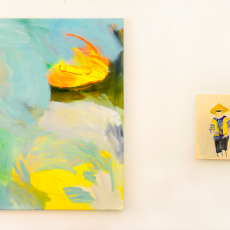
left: Souvenir: Tropical Fruits of Malaysia 2015, oil on canvas. right: In Thailand I got a girl in every club 2015, oil on canvas board.
Left: Sprite at night 2015, Batik painting. Right: Local Lingo 2015, Set of 6 digitally printed postcards, edition of 100.