M. Sahzy

M. Sahzy

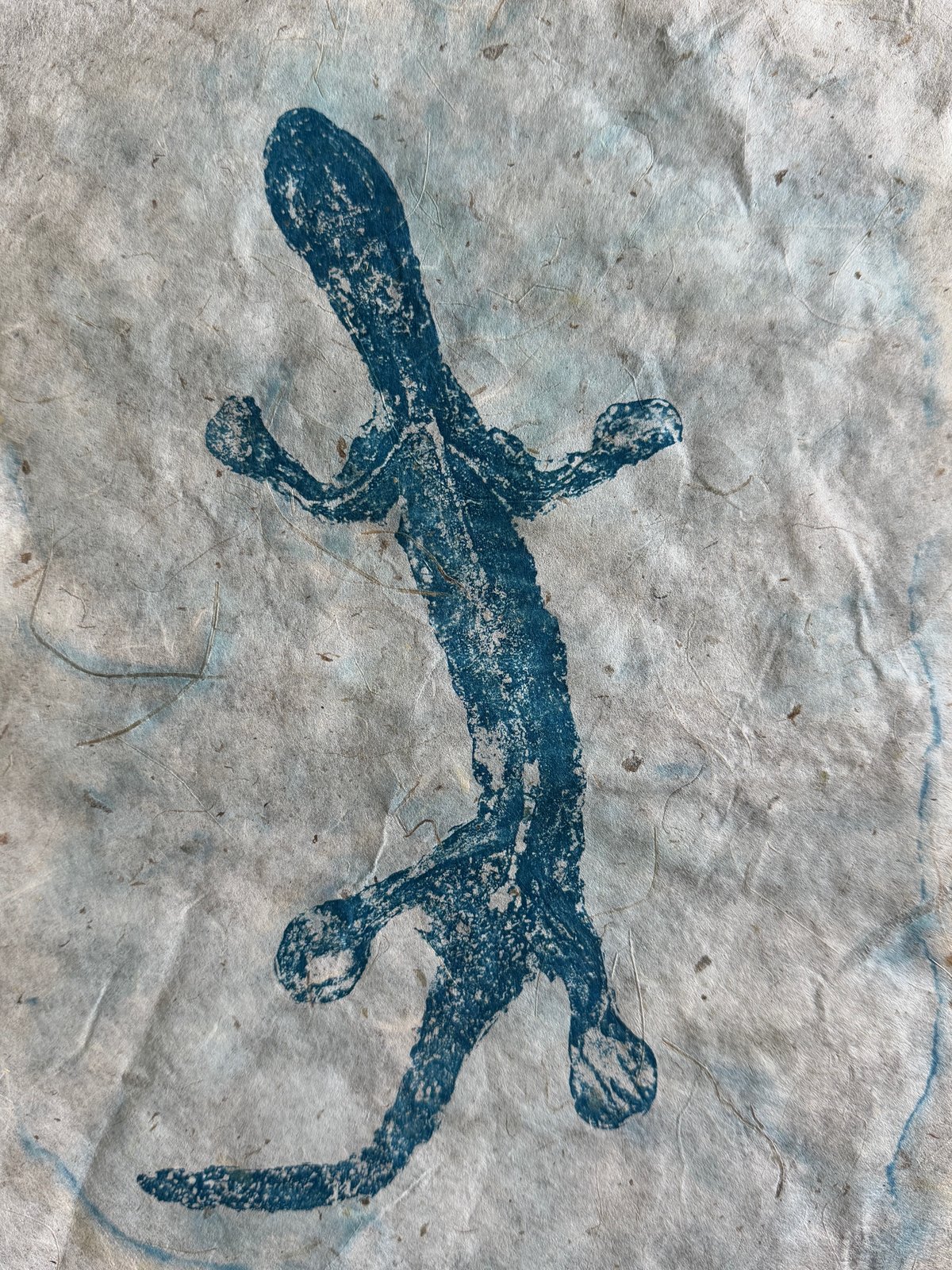
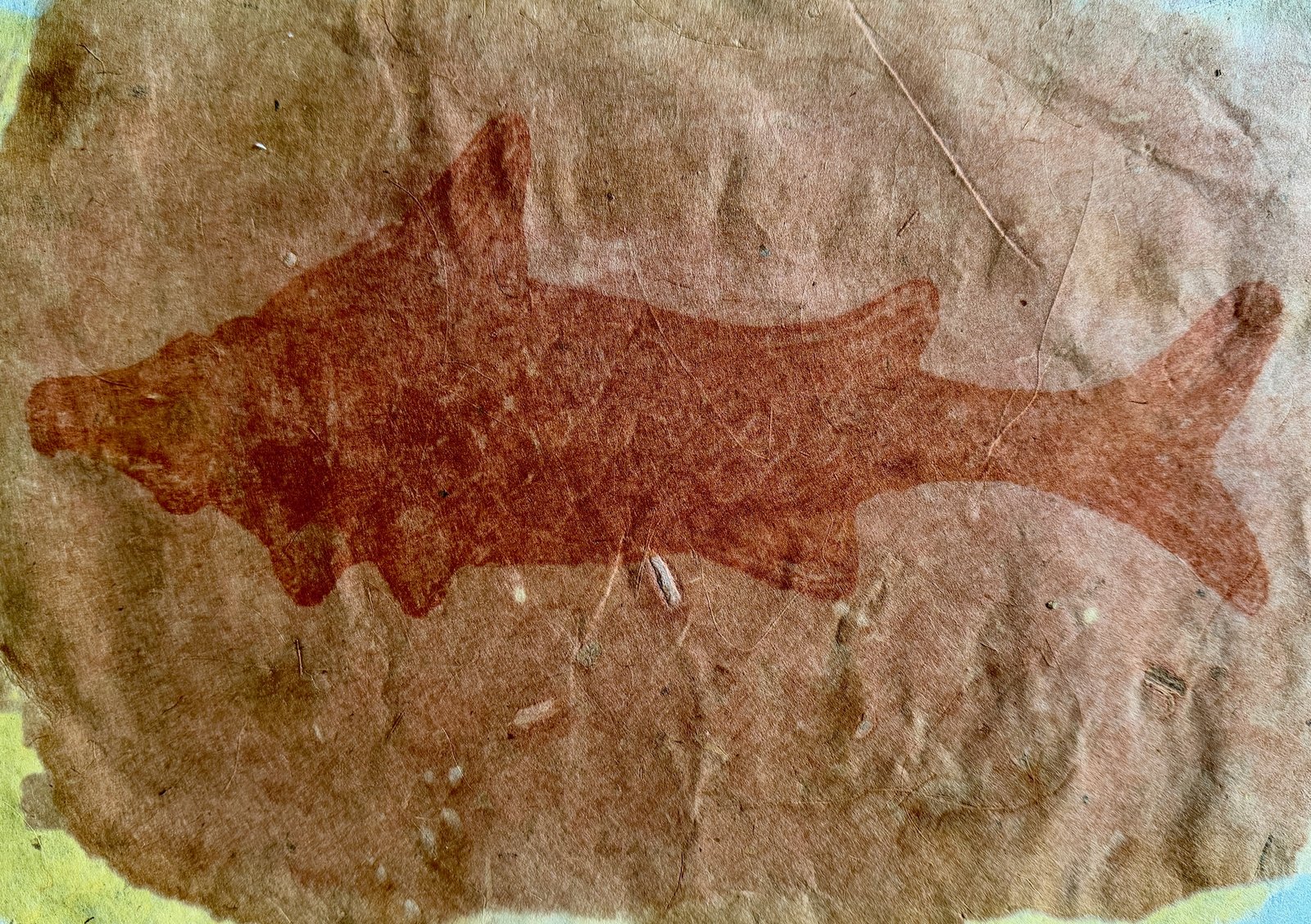
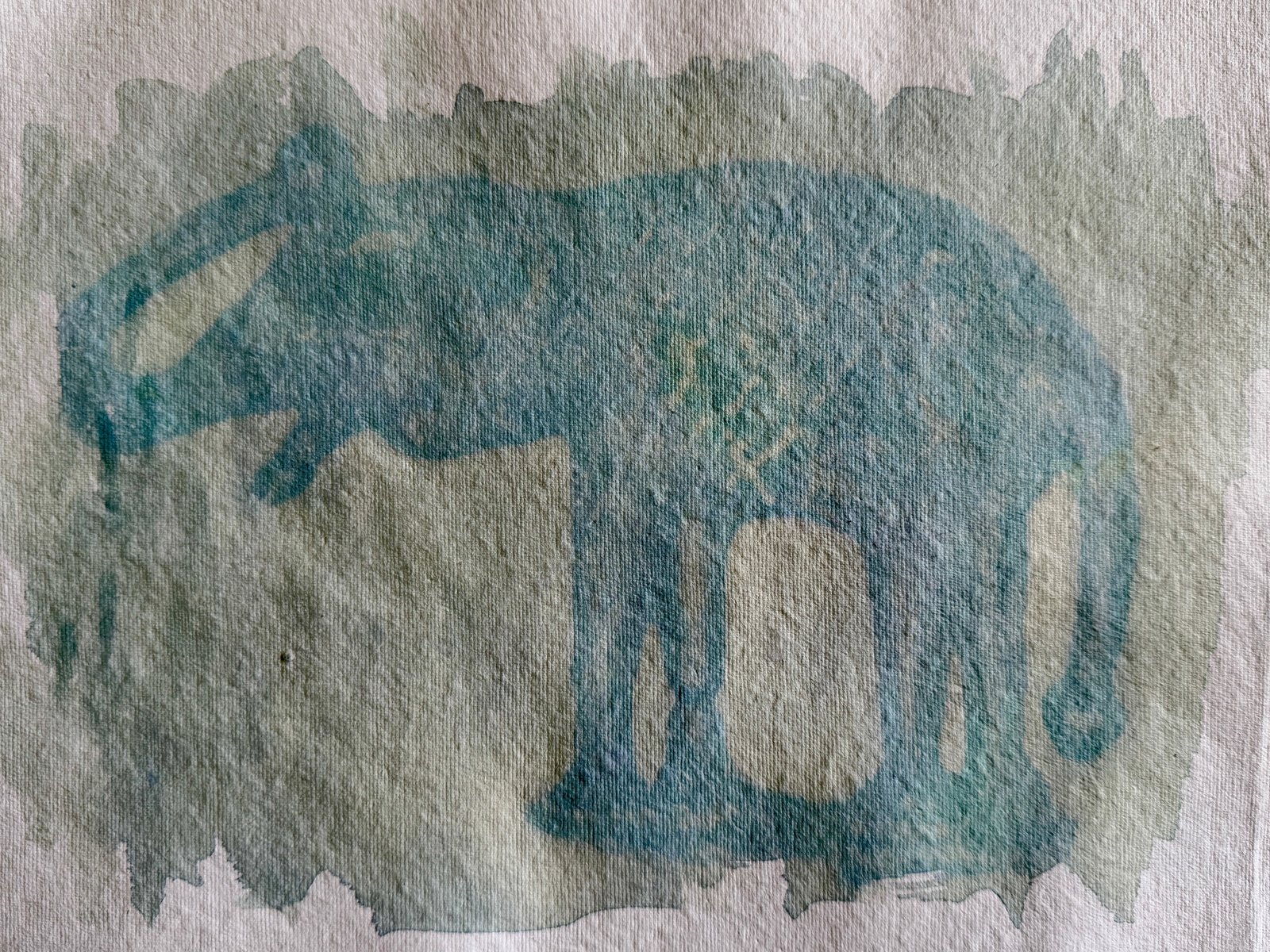
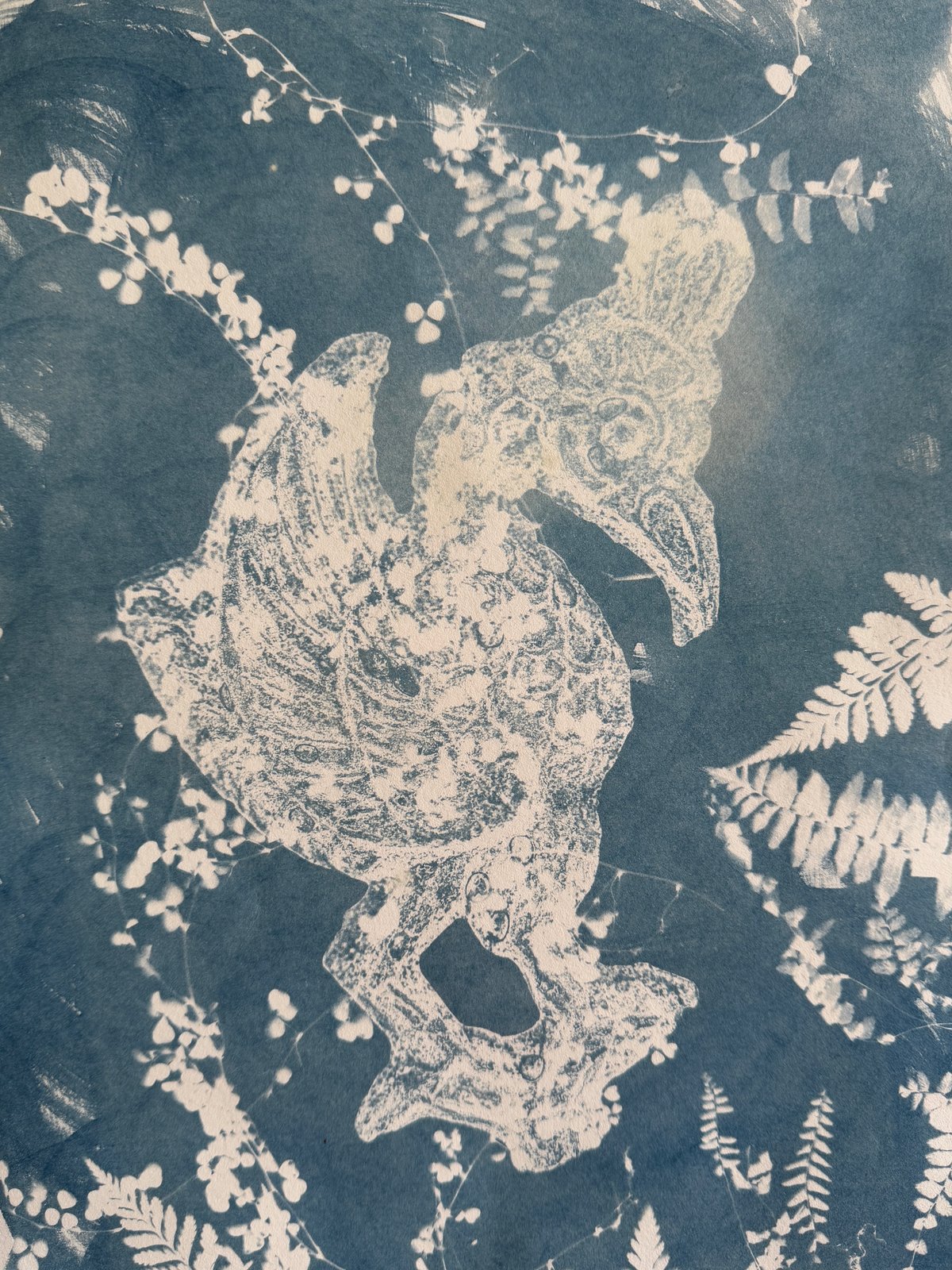
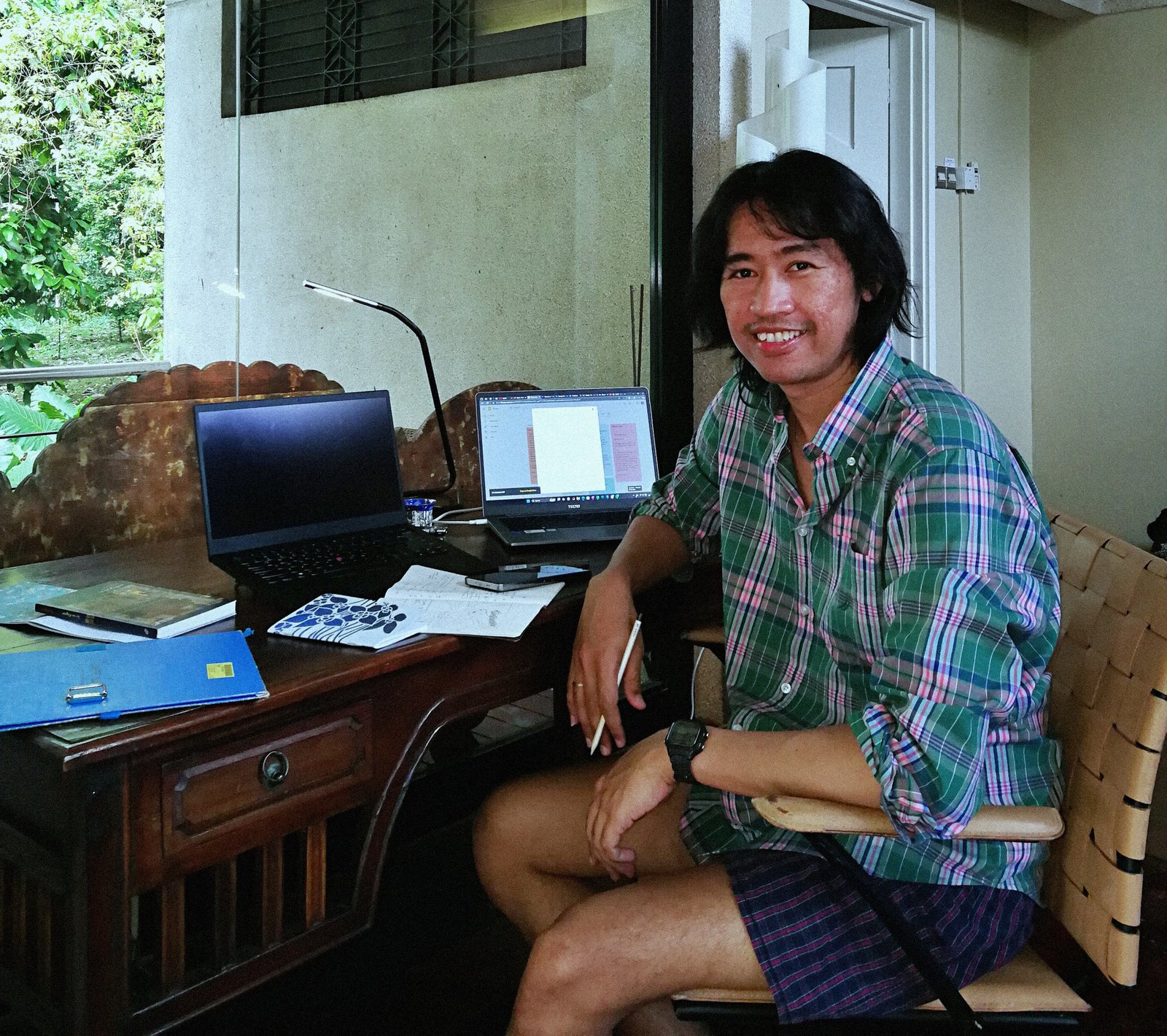
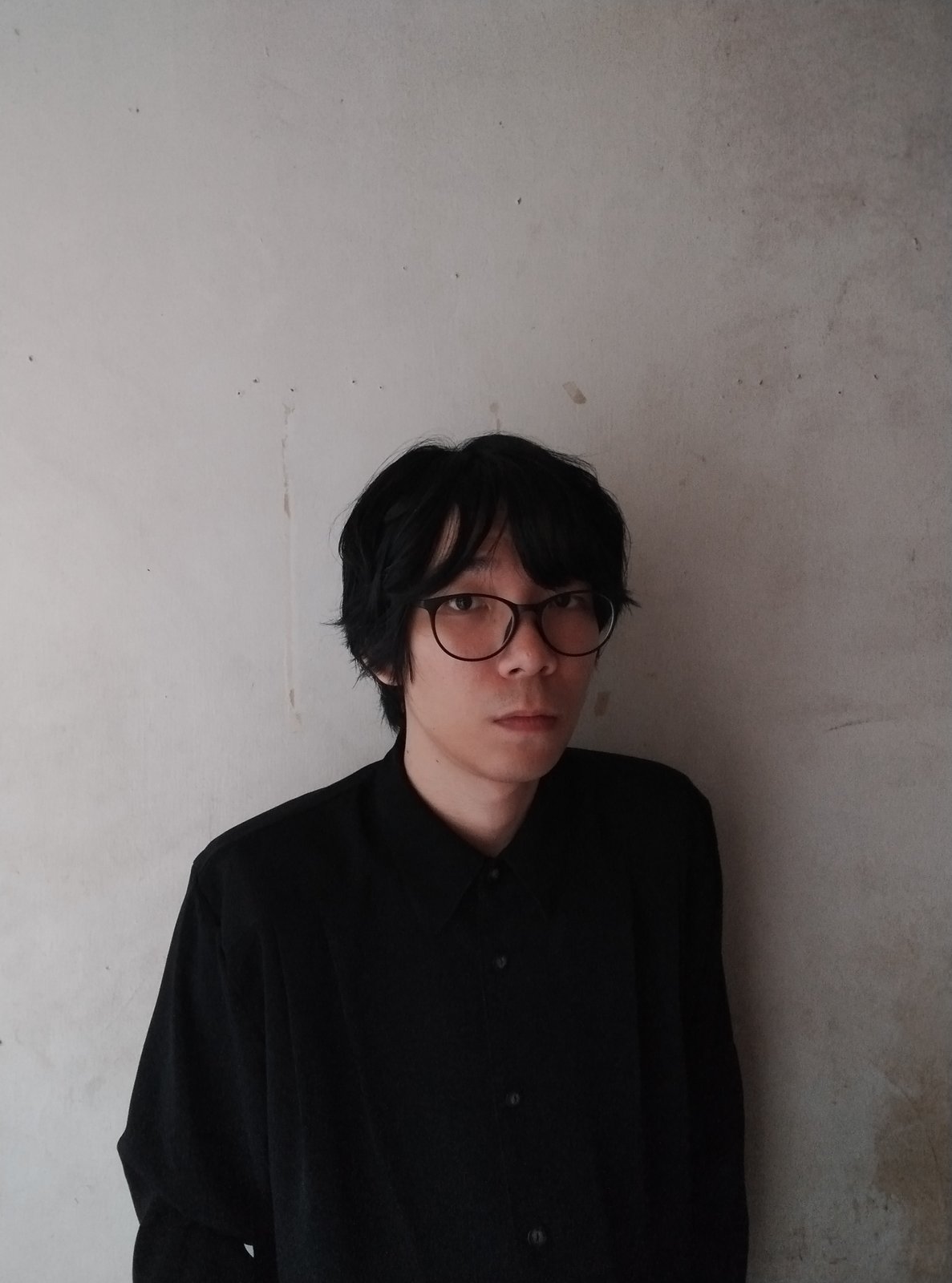
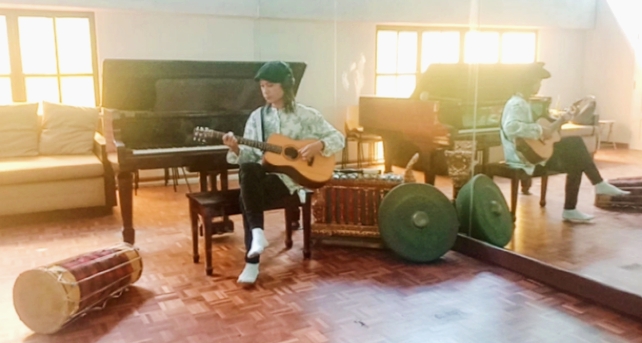
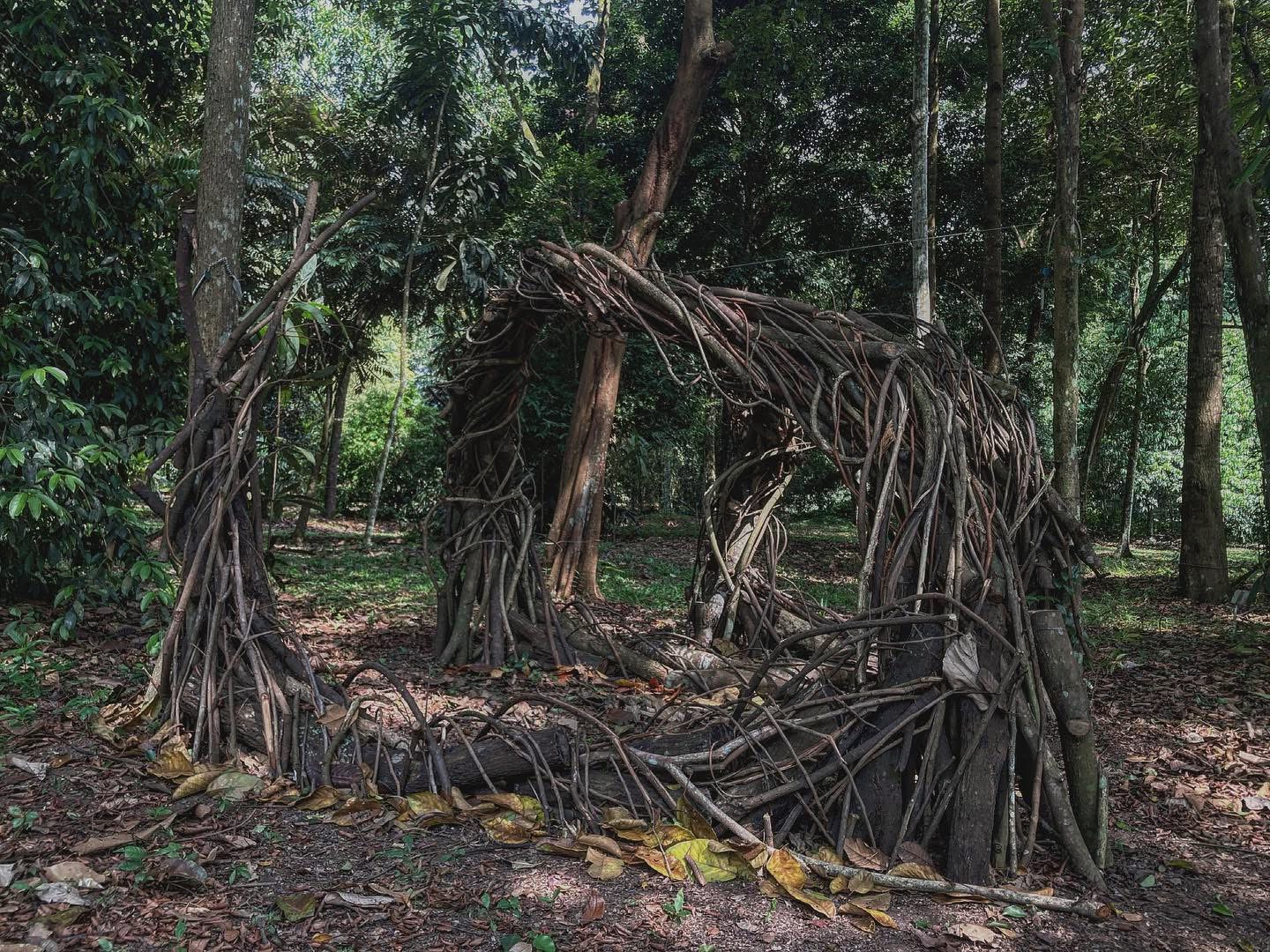
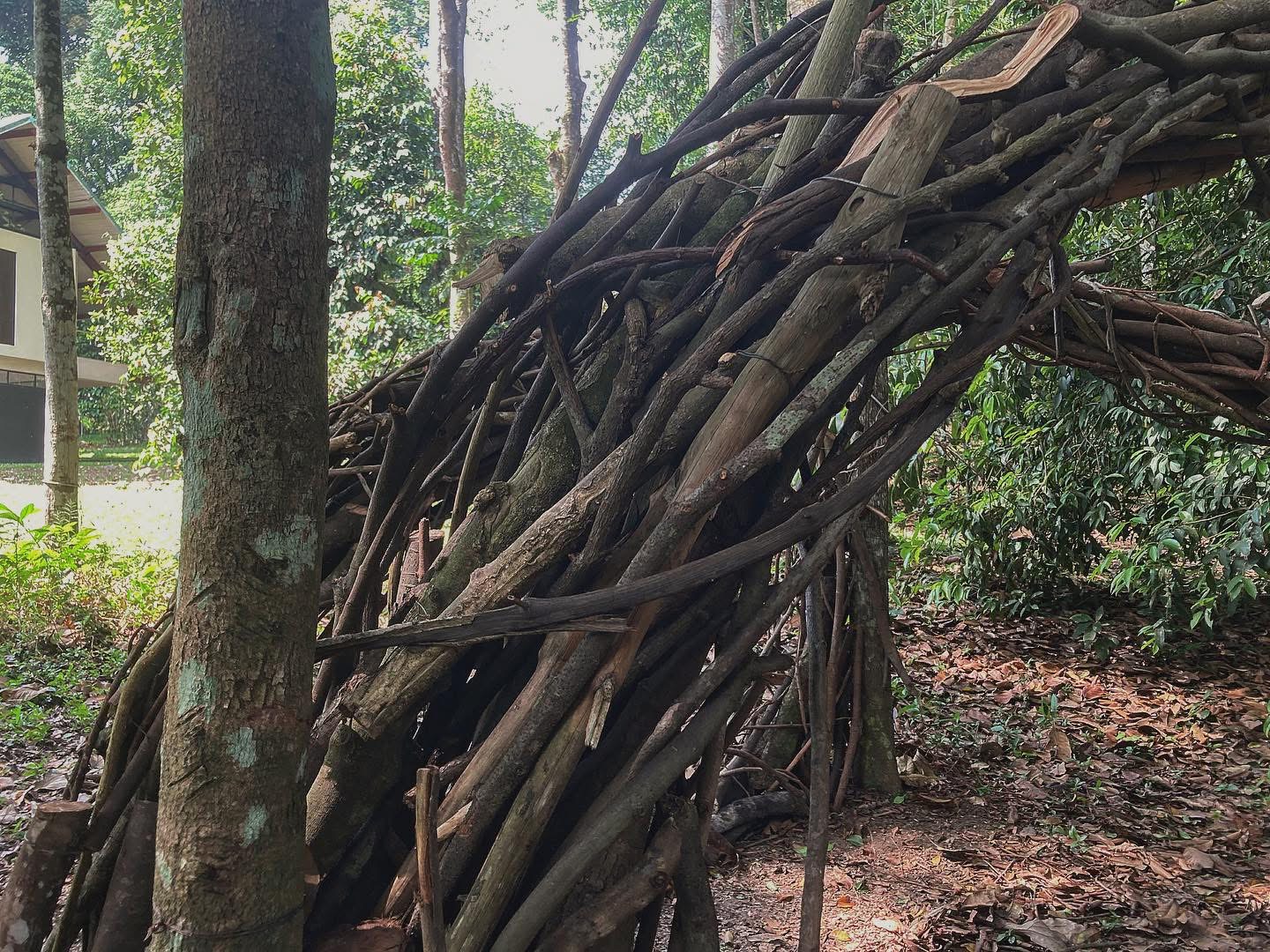
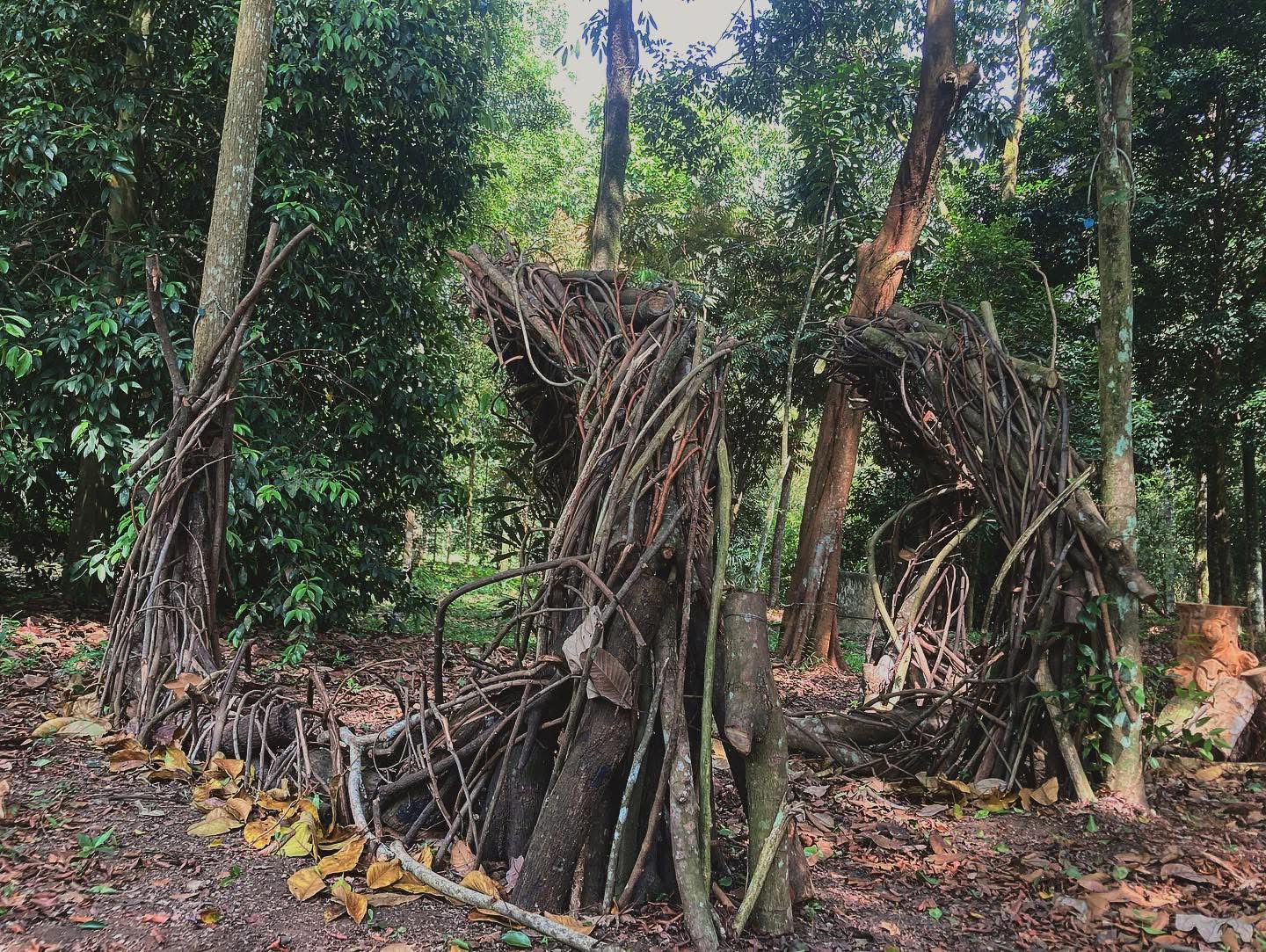
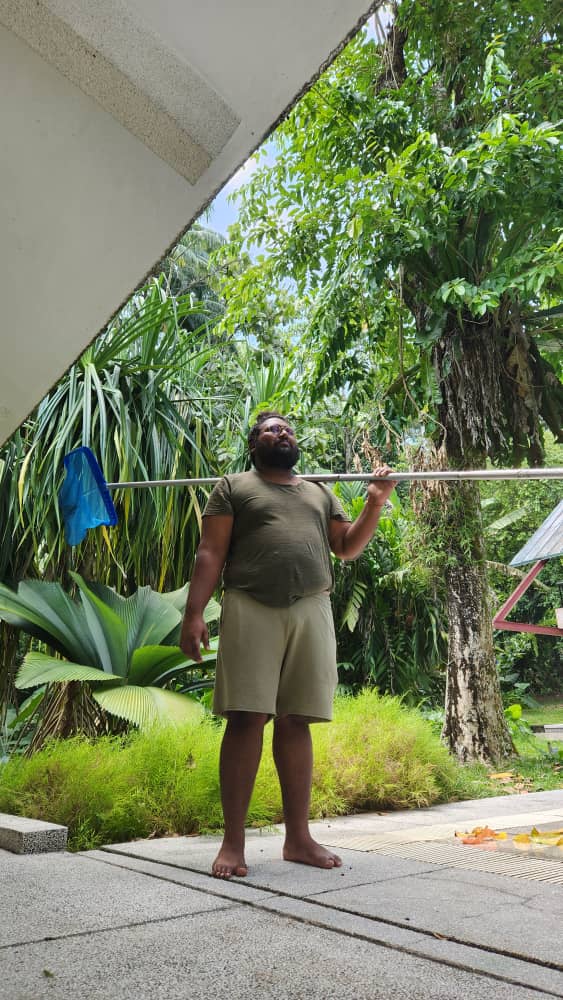
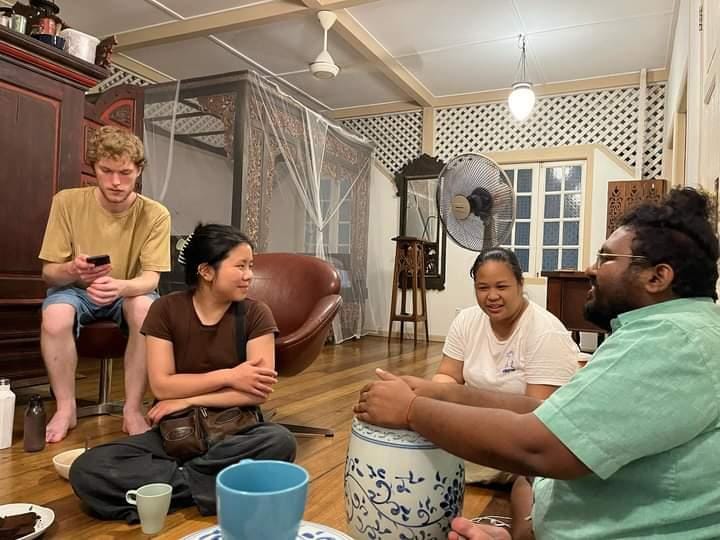
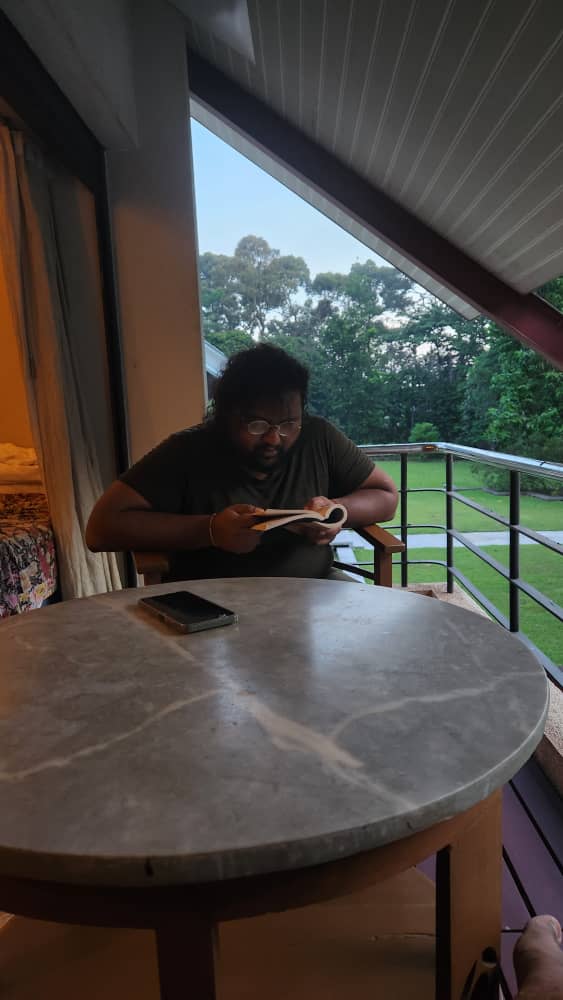
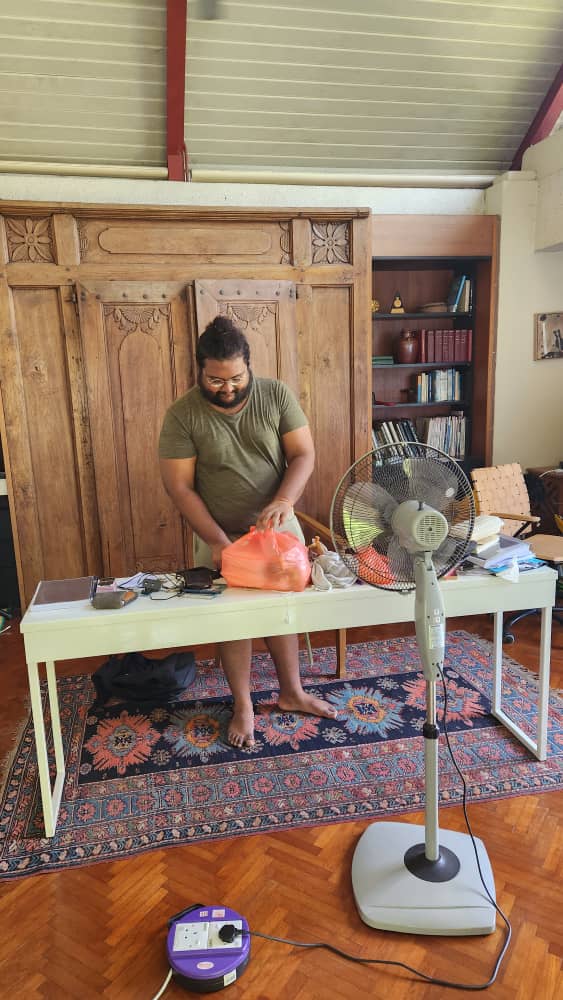
Malaysia sculpture artist M. Sahzy was in residence at Rimbun Dahan for one month in March 2025.

About the Artist

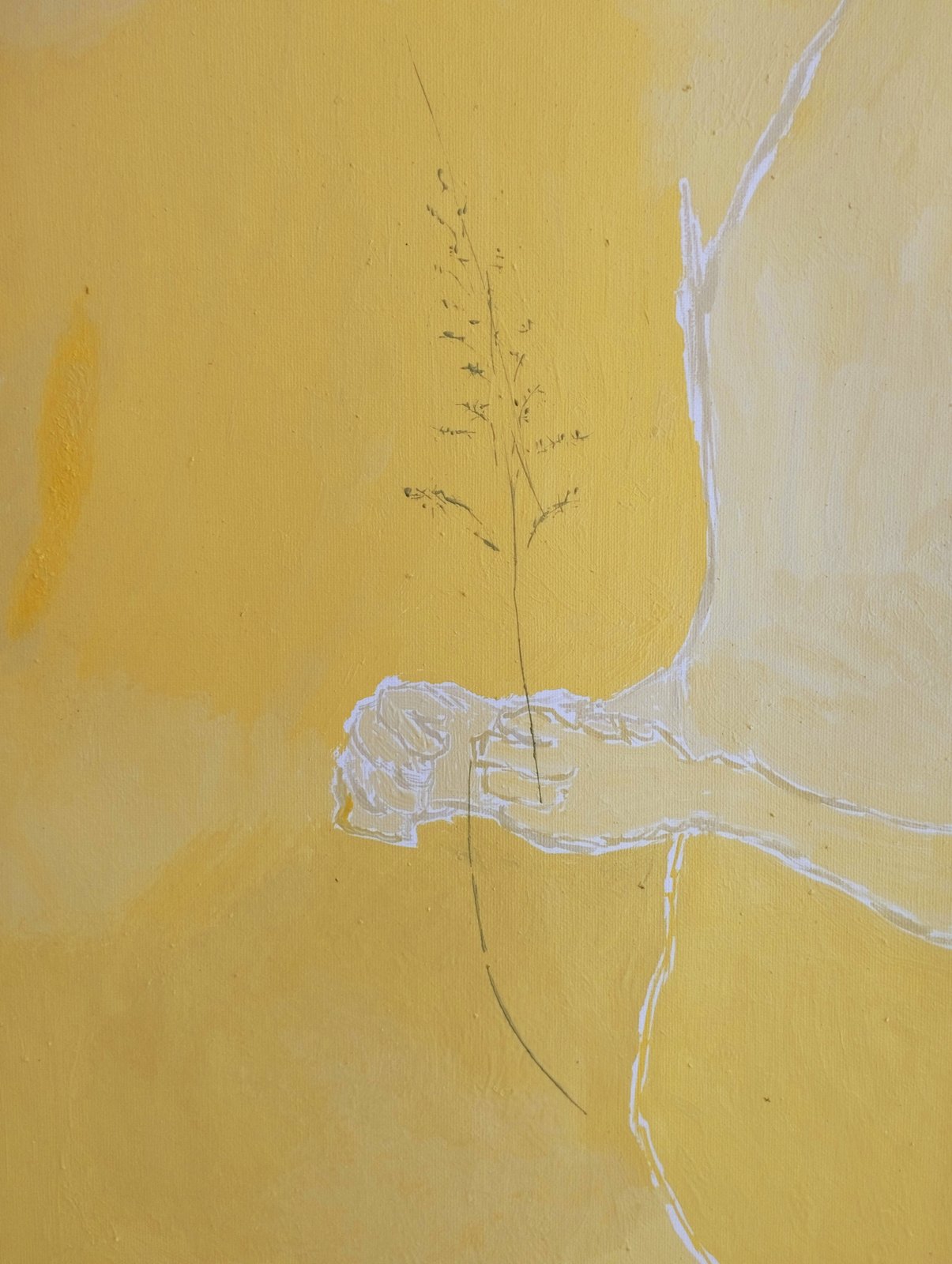
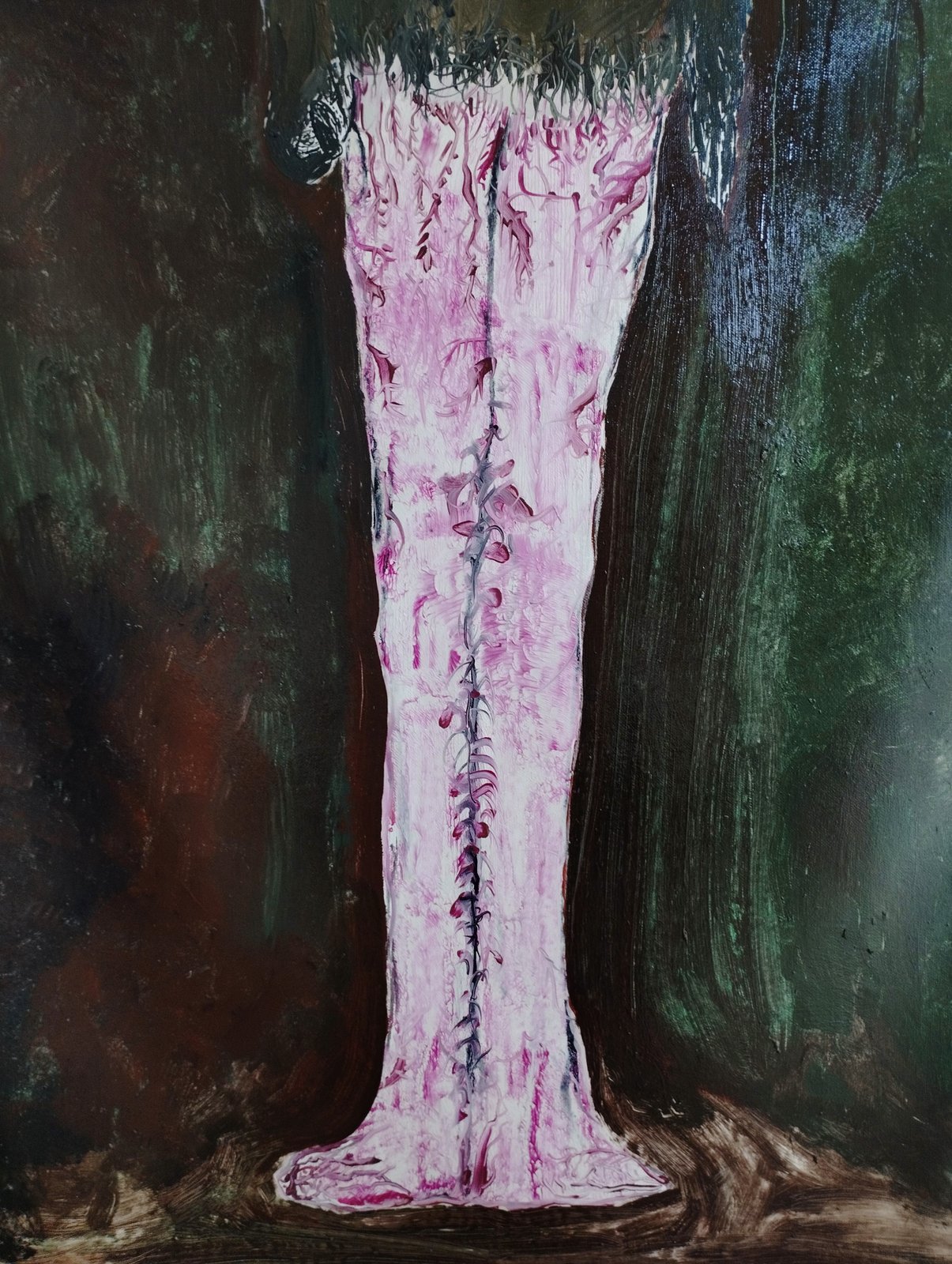
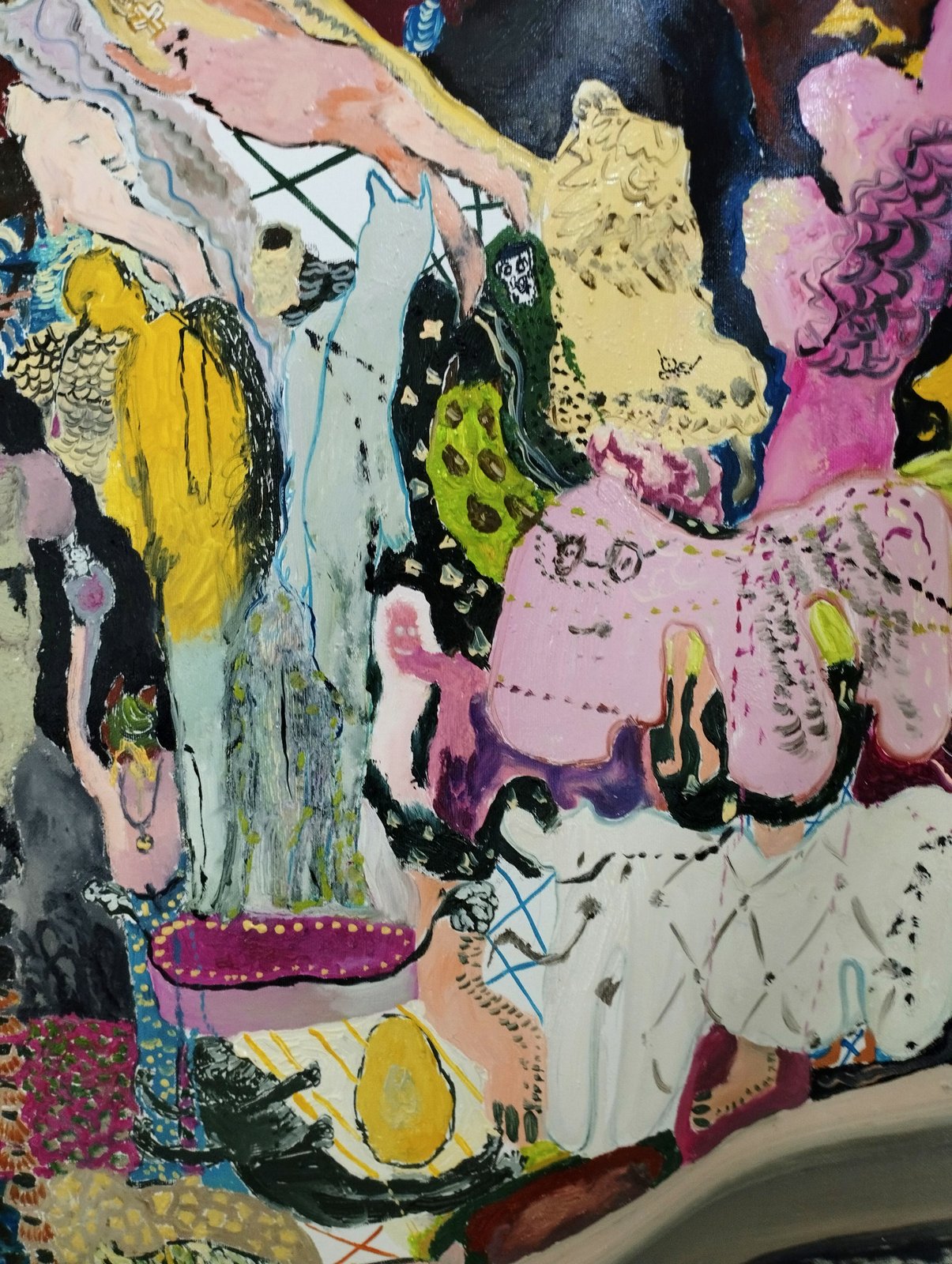
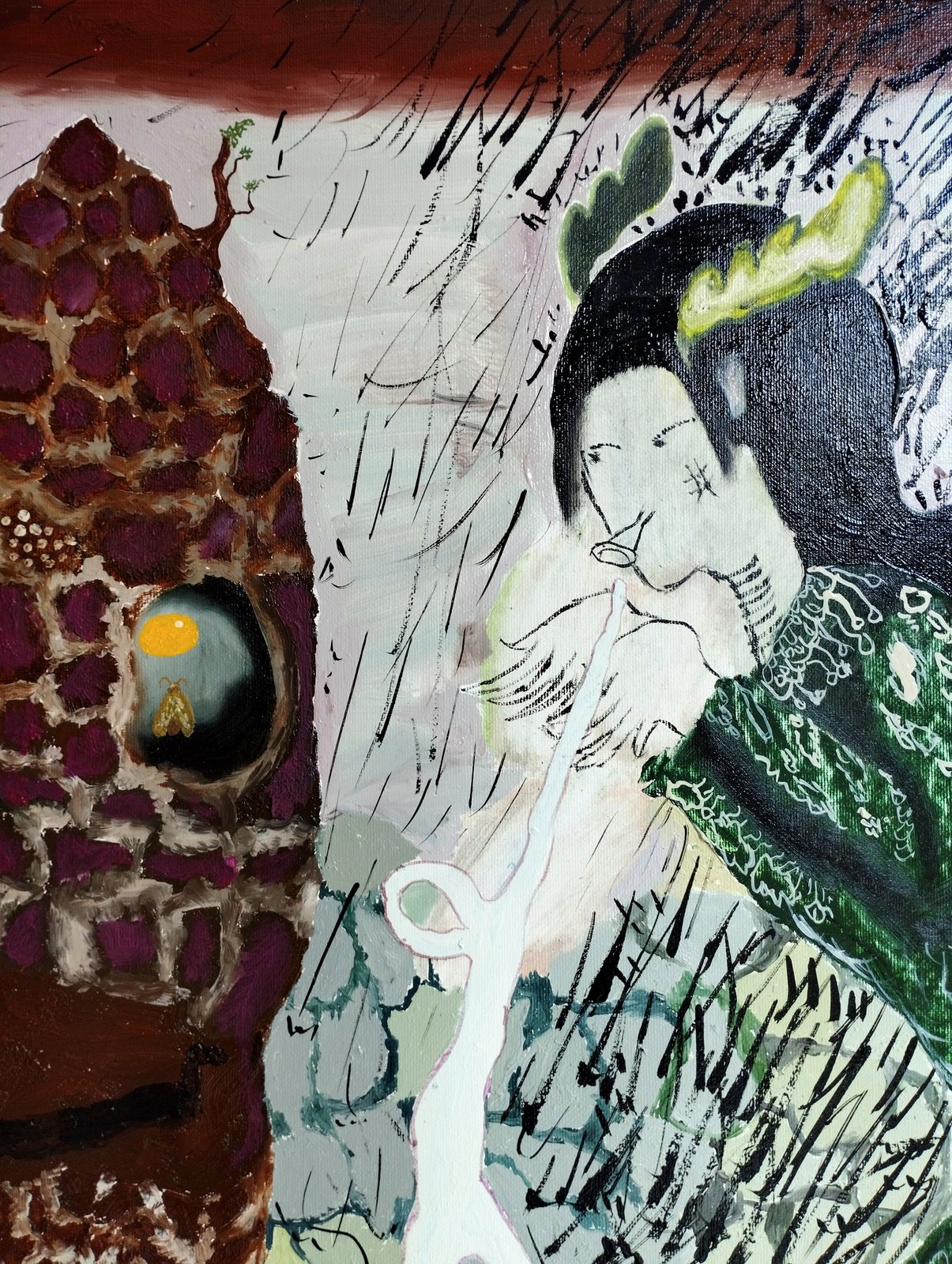
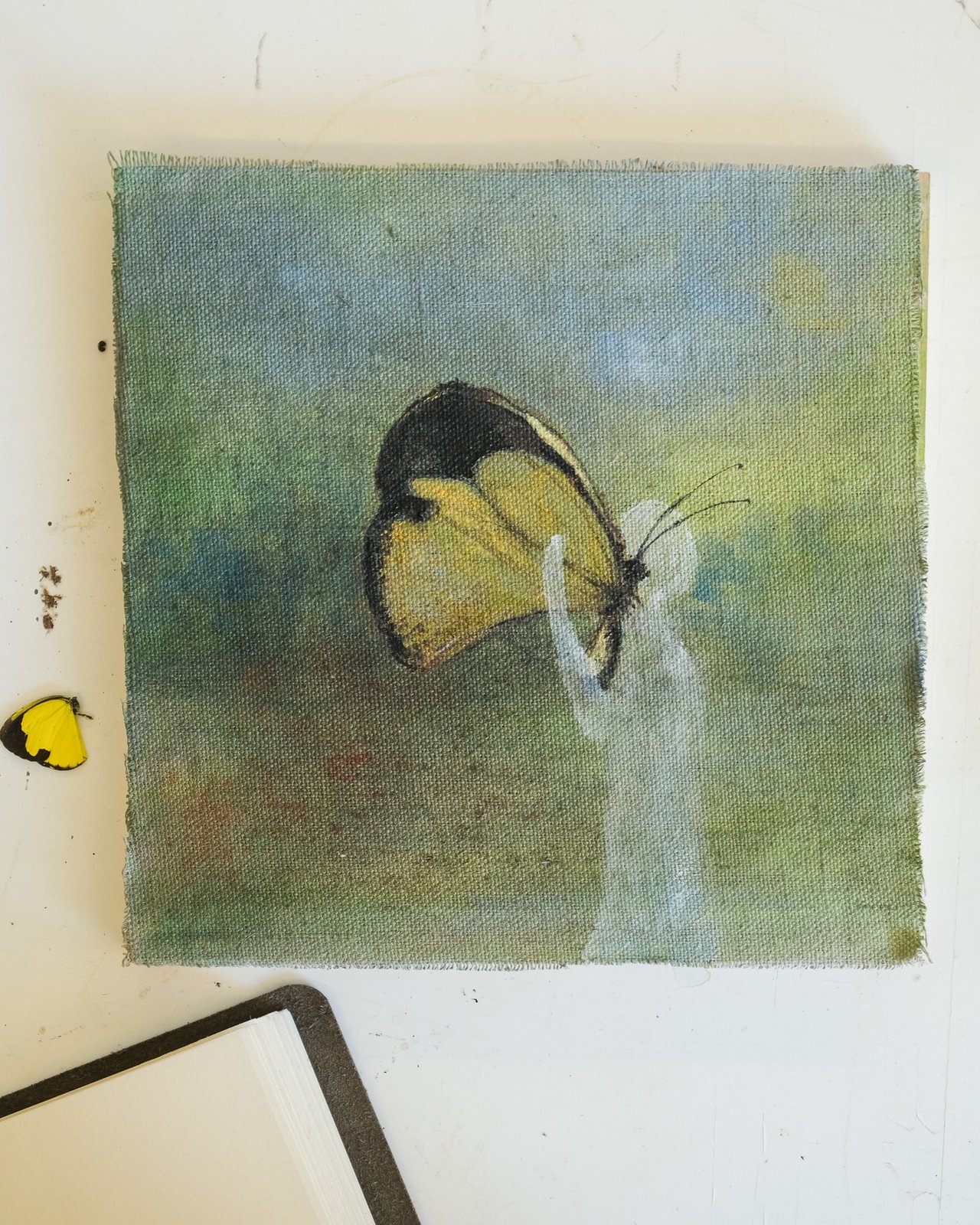
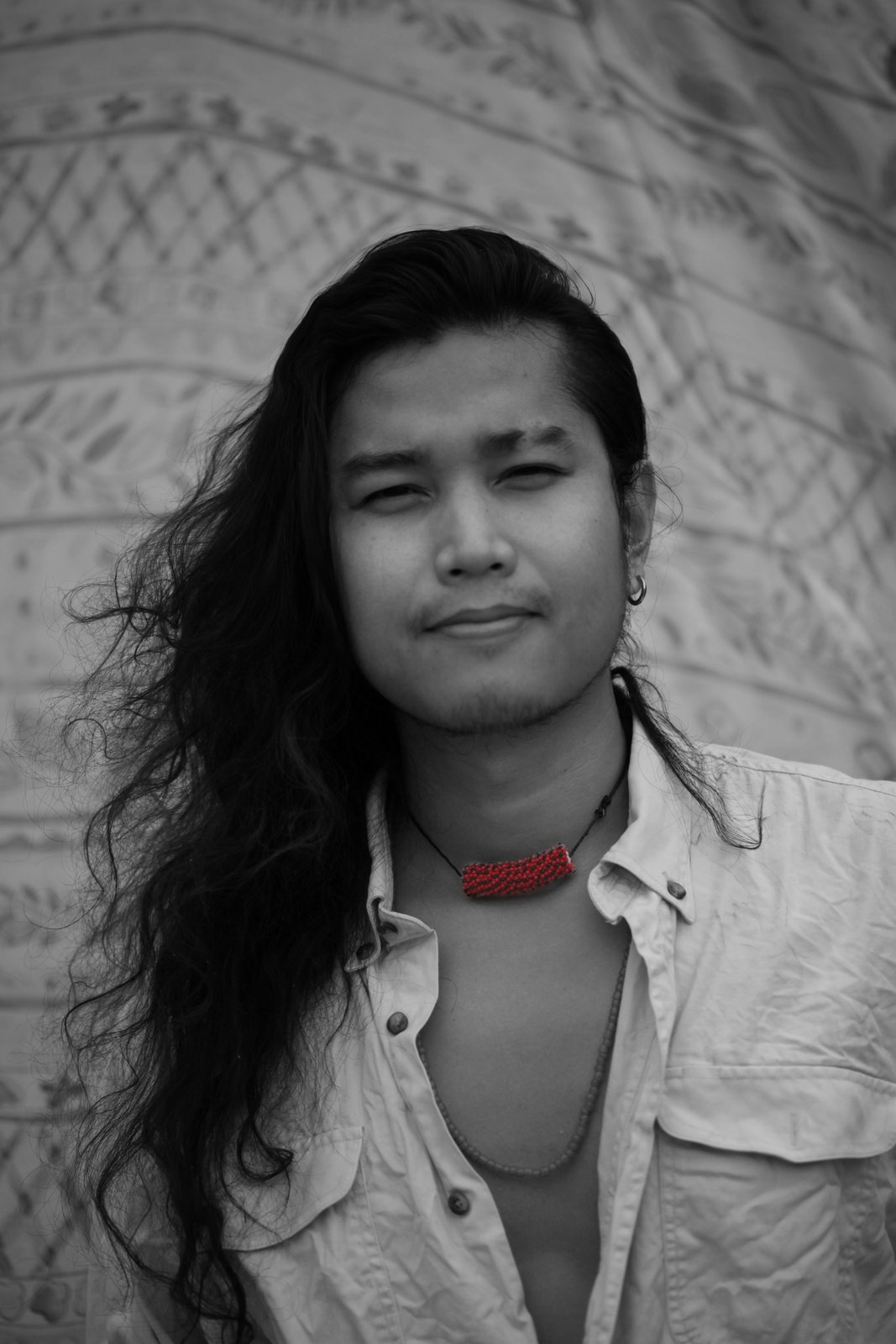
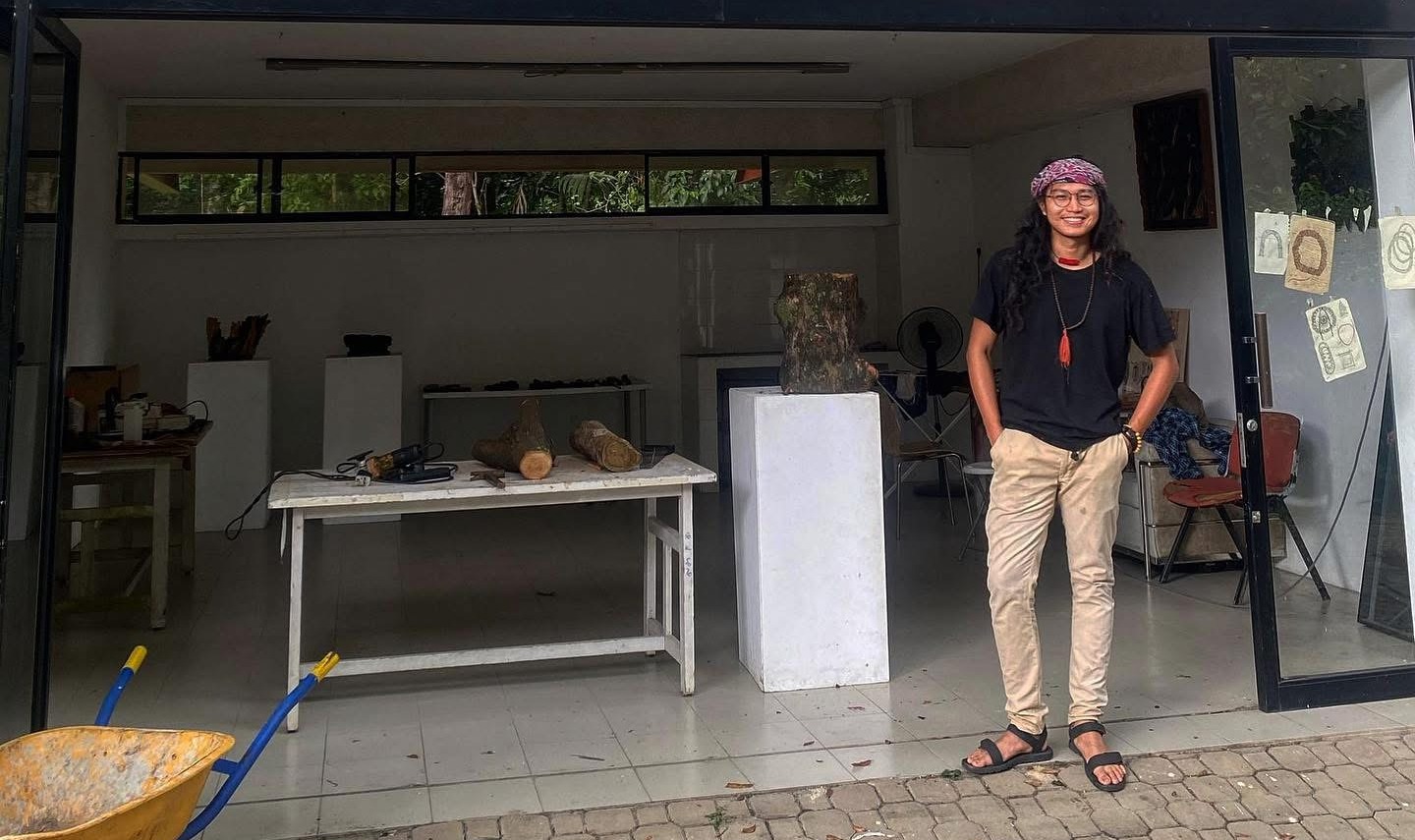
Born in 1996, M. Sahzy, an artist and sculptor residing in Kuching, Sarawak, draws inspiration from the lush jungle surroundings, crafting surreal sculptures from organic materials found within.

Each artwork is a testament to his deep connection with nature, reflecting the intricate interplay between materials, environment, and his boundless imagination. Spending weeks or even months on each piece, Sahzy infuses his sculptures with personal narratives and experiences, creating a captivating visual journey for the viewer. In addition to natural elements, Sahzy seamlessly incorporates discarded man-made objects, further enriching the storytelling aspect of his creations.

Through his artworks, Sahzy invites people to think about change, strength, and the cycles of life. He also highlights his deep interest in forgotten objects and the spaces they inhabit.

About the Residency

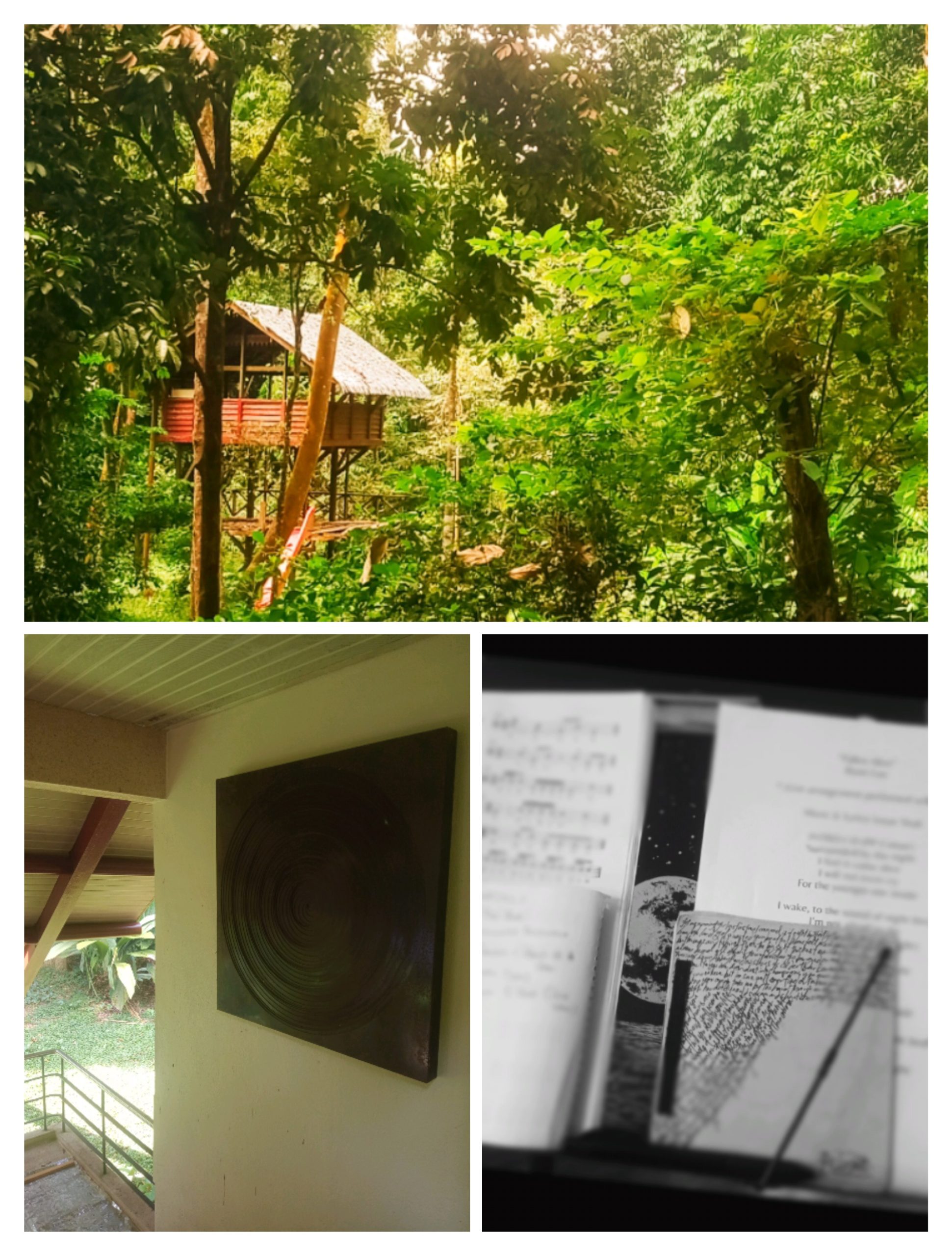
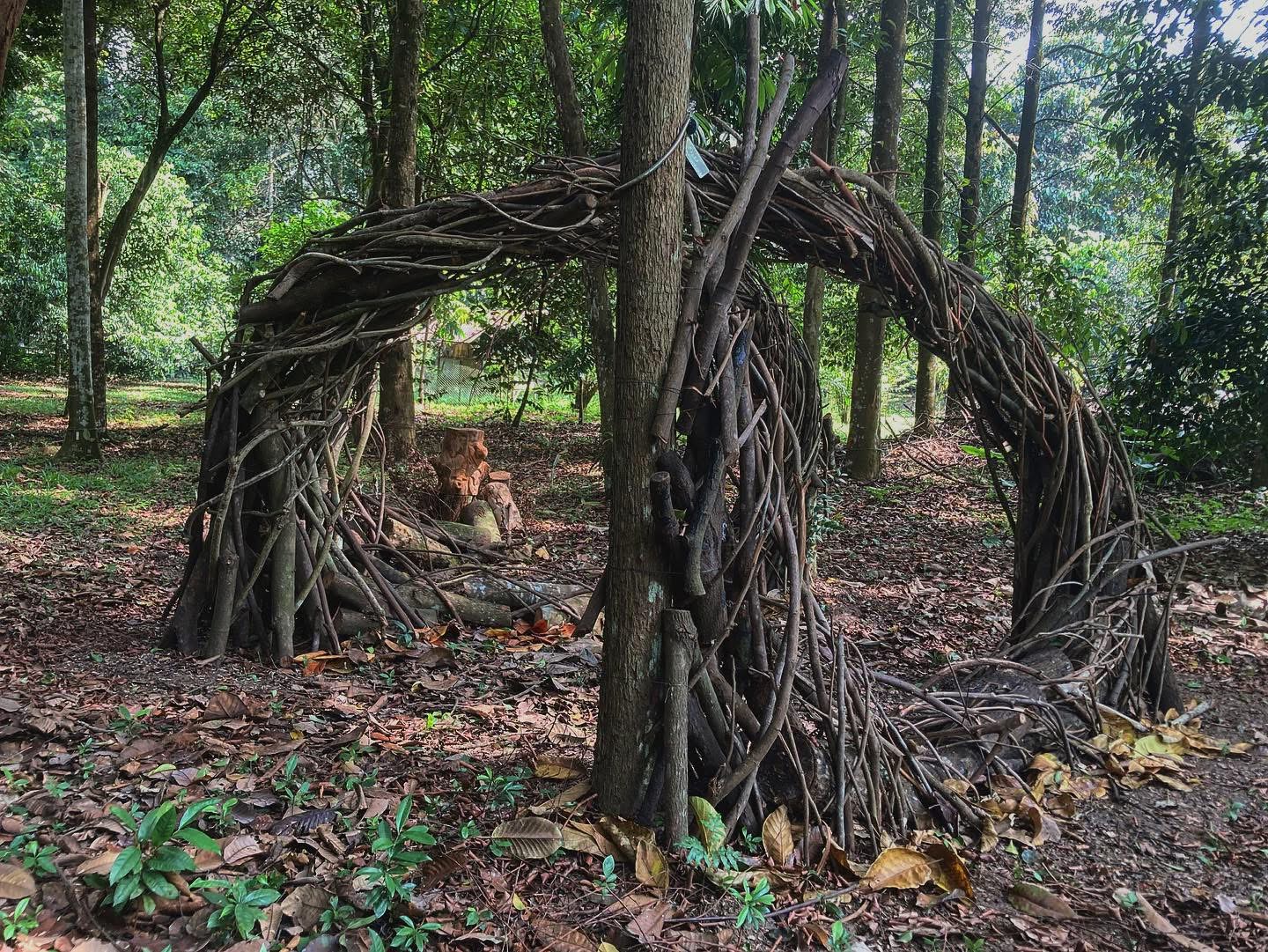
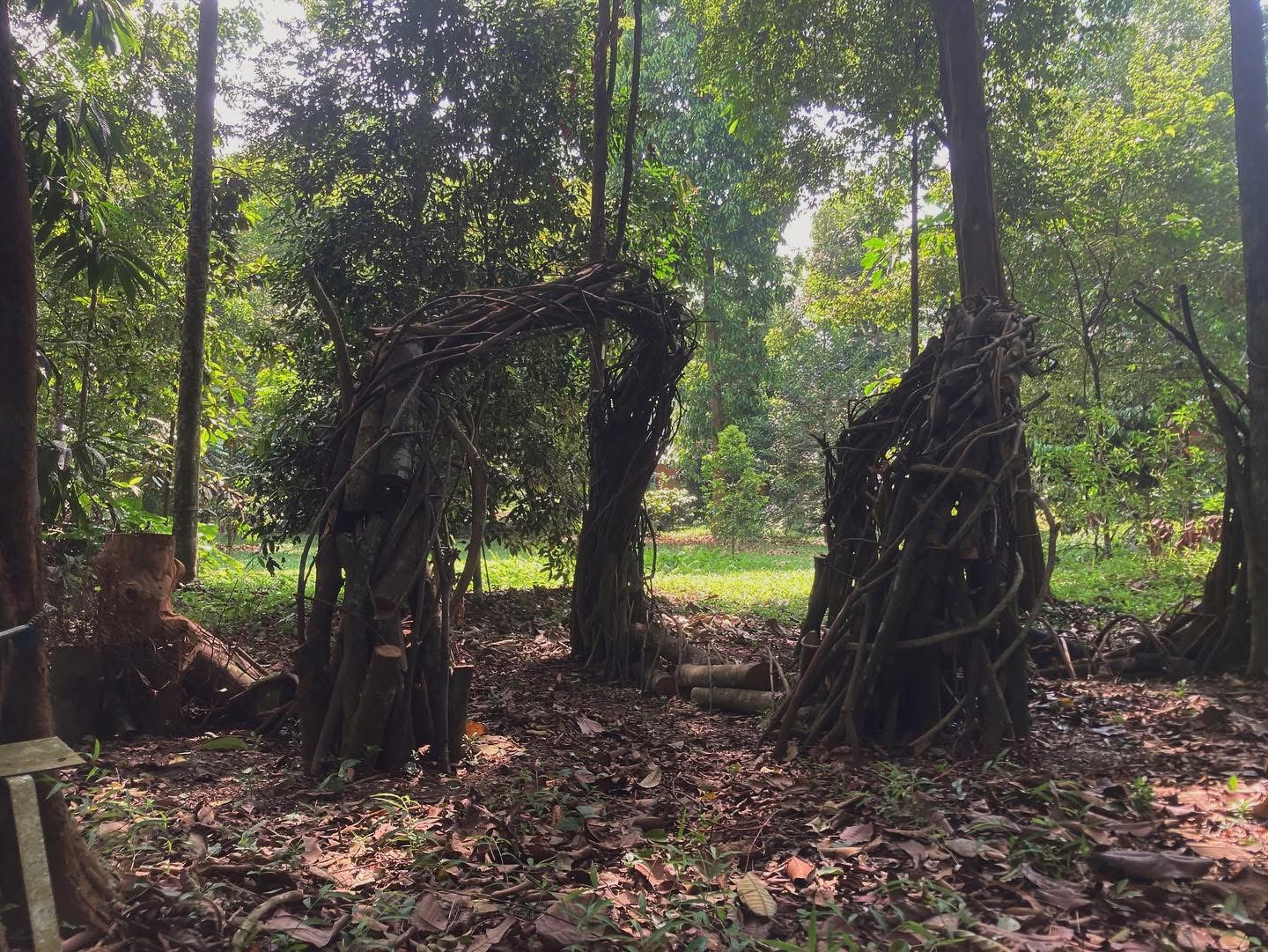
During my one-month art residency at Rimbun Dahan, I embraced the challenge of creating an installation and sculptures that carried a familiar narrative—but using entirely new materials and spaces, far from my usual resources in Sarawak.

The lush forest of Rimbun Dahan became both my muse and my source of materials. I collected discarded objects scattered throughout the woodland, transforming forgotten fragments into something meaningful. With my studio nestled so close to the forest, I was able to fully immerse myself in the creative process.

Each day, the symphony of rustling leaves, the earthy scent of damp soil, the presence of monkeys, birds, and frogs, and the textures of bark and trees guided my hands.

What began as an experiment in adaptation became a month-long dialogue between nature and creation.

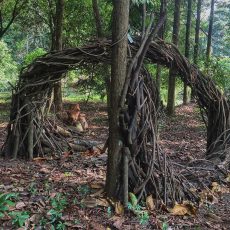
Now, Gerbang Alam / Portals stands complete—a testament to the beauty of reinvention and the quiet whispers of the forest that shaped it.

The Otters sculpture, crafted from driftwood and ironwood, will find its place by the lake at Rimbun Dahan—a fitting home for its spirit.

Kieu-Anh Nguyen

Kieu-Anh Nguyen

In July 2024, Kieu-Anh Nguyen undertook one month of residency at Rimbun Dahan. Due to other visa challenges, her second month of residency has been postponed to 2025, but her studio will be open for Open Day on Sunday 25 August 2024, although she will not be present.

About the Artist

Kieu-Anh Nguyen (b. 1997) is an interdisciplinary artist based in Hanoi, Vietnam. She enjoys creating spaces to foster inclusive conversations around underrepresented bodies and narratives, notably about women.

Her art practice has foregrounded olfaction as the core line of inquiry to explore memory tracing and care practice, as it has taken the forms of participation and soft sculpture, and often suggests travels between time, spaces, and sensory experiences. 

Her work has been exhibited in various spaces, including VIVA ExCon, Vietnamese Women’s Museum, Asia Art Archive and documenta fifteen. 

About the Residency

Kieu-Anh has been immersed in inter-liminal spaces, either those given to her or those she created herself through her continuation of work and current exploration in the natural and cultural landscape of the residency.

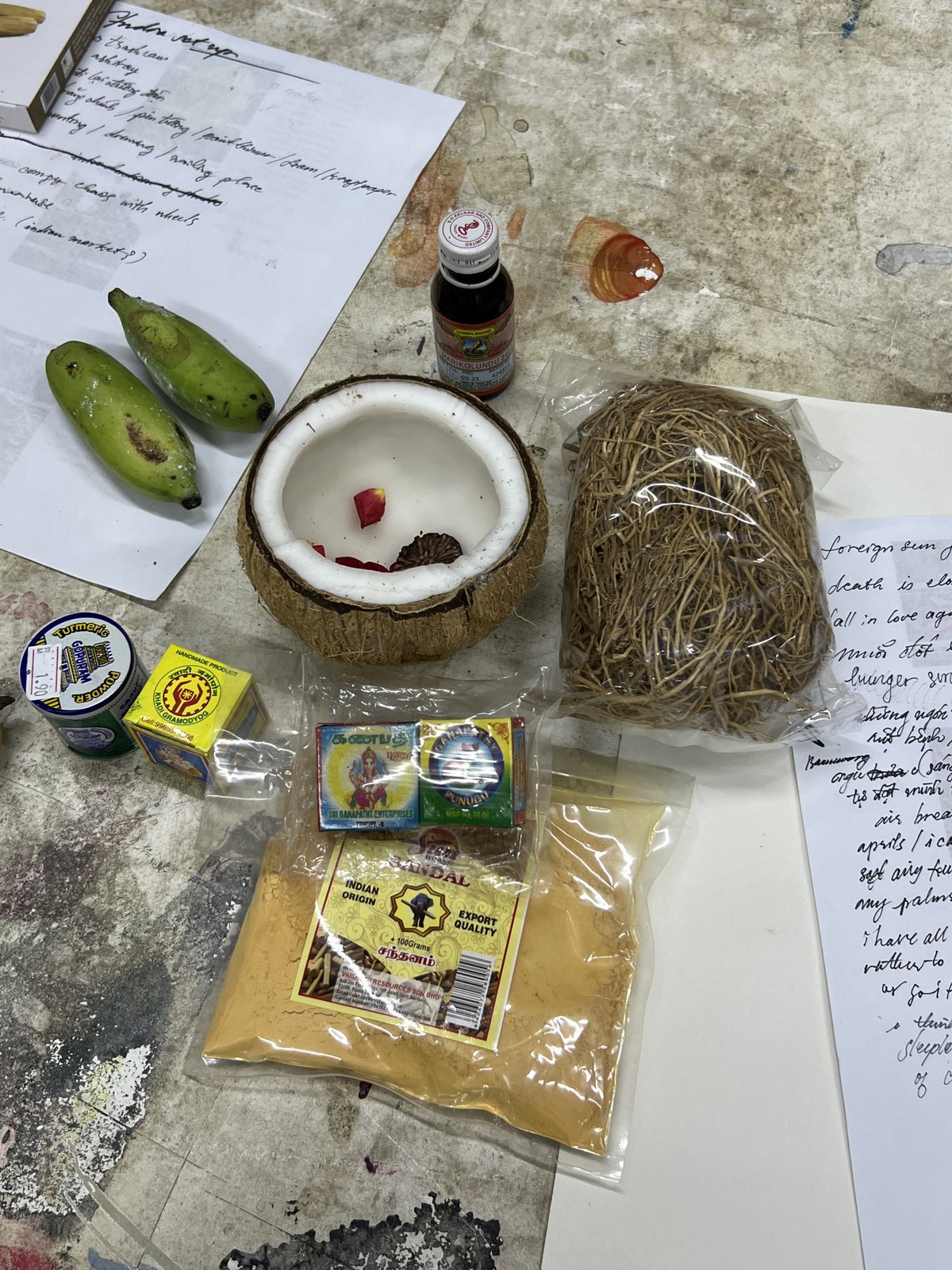
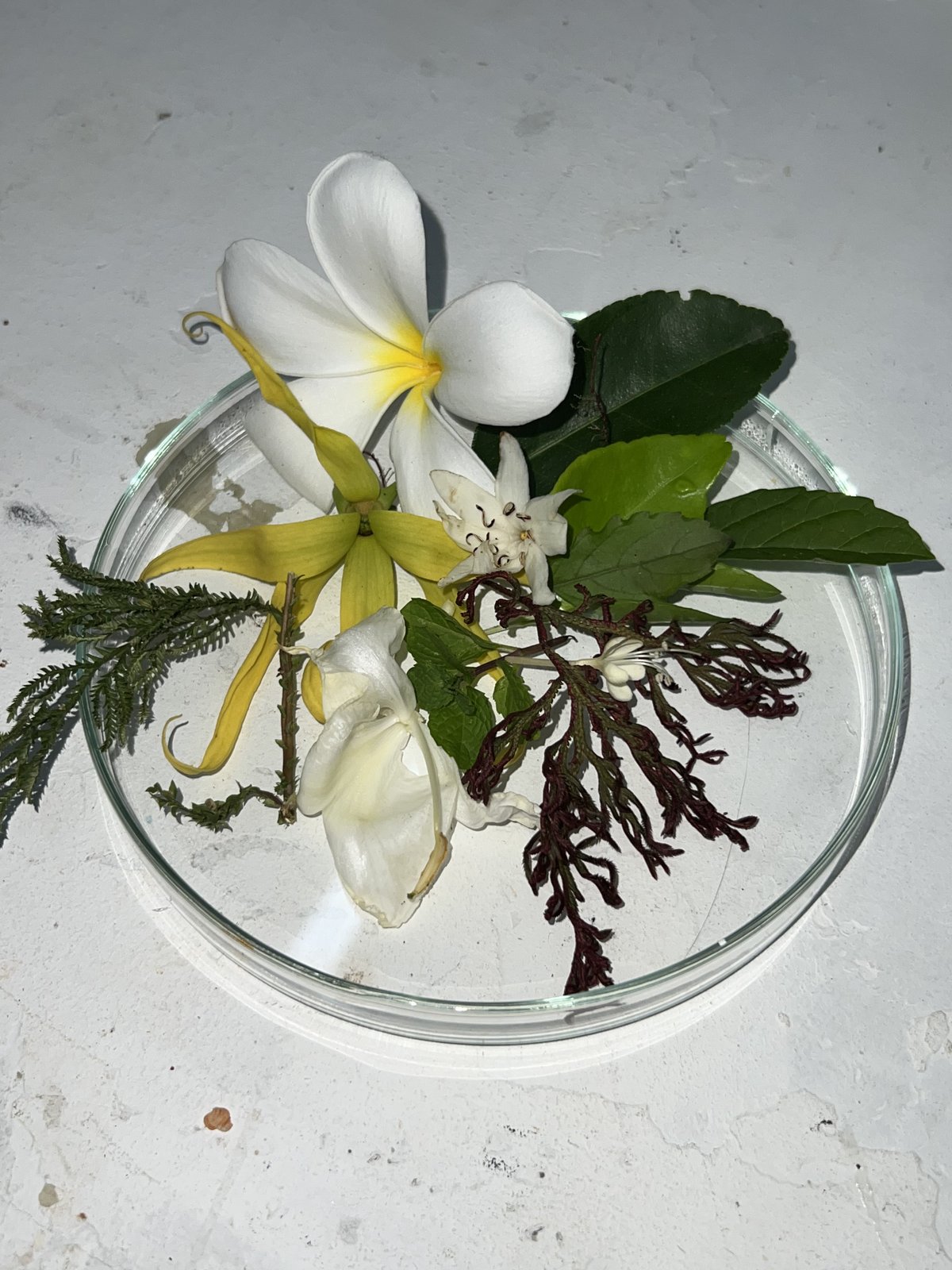
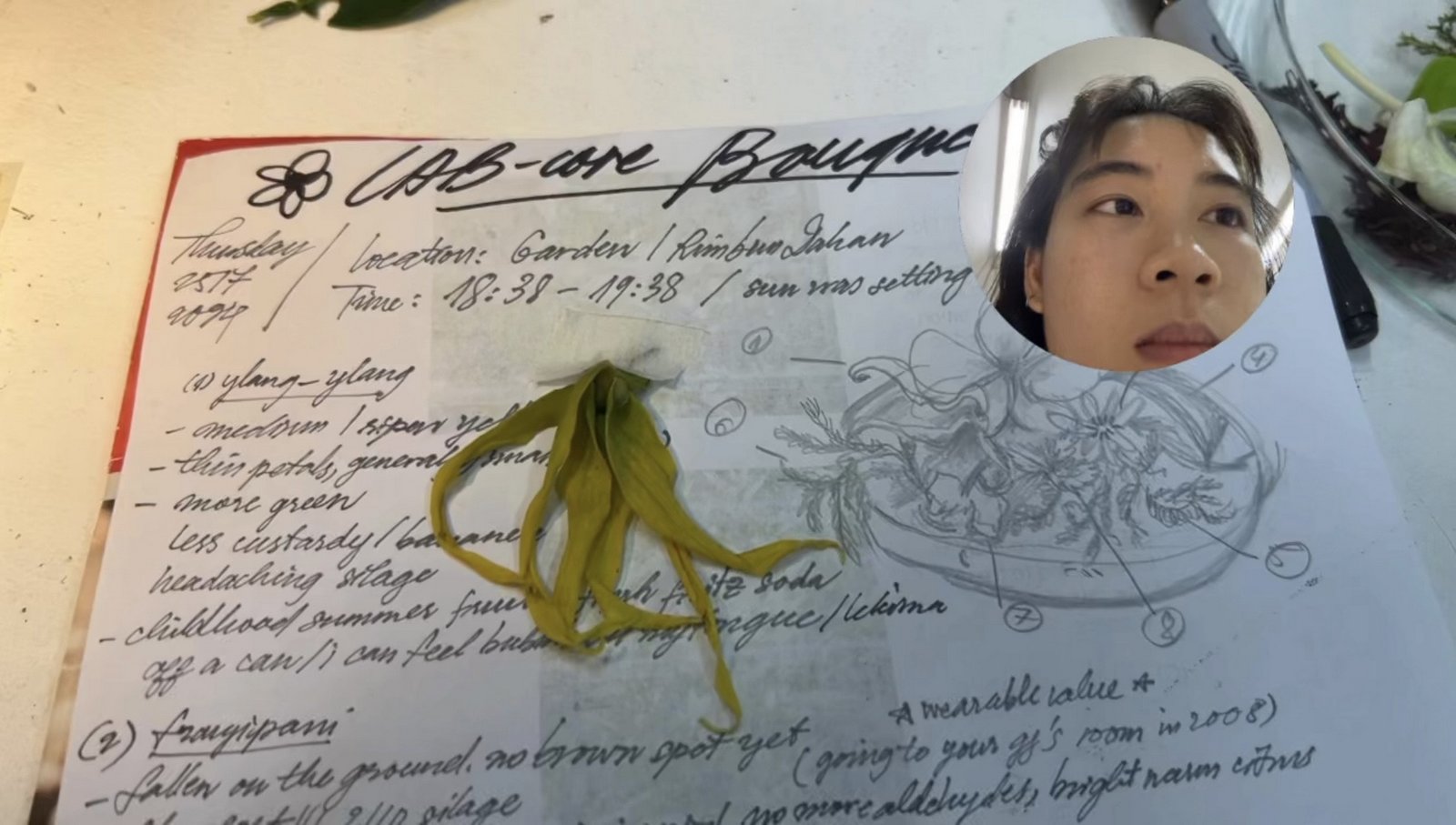
During the first month of her residency, Kieu-Anh found belonging and familiarity in creating themed bouquets from collecting plants and found objects from the garden at Rimbun Dahan and from Hindu temples on Jalan Ipoh. She then narratively recorded the experiences to reexamine and study means of nativity in nature through the smell of flora and fungi in the garden — those that share similarities and differences with species in neighboring countries. The scented rituals in the Hindu temples, coming from a religion foreign to Kieu-Anh, brought her interest to a fictional discovery of a flawless faunt of protection that came to her in a dream.

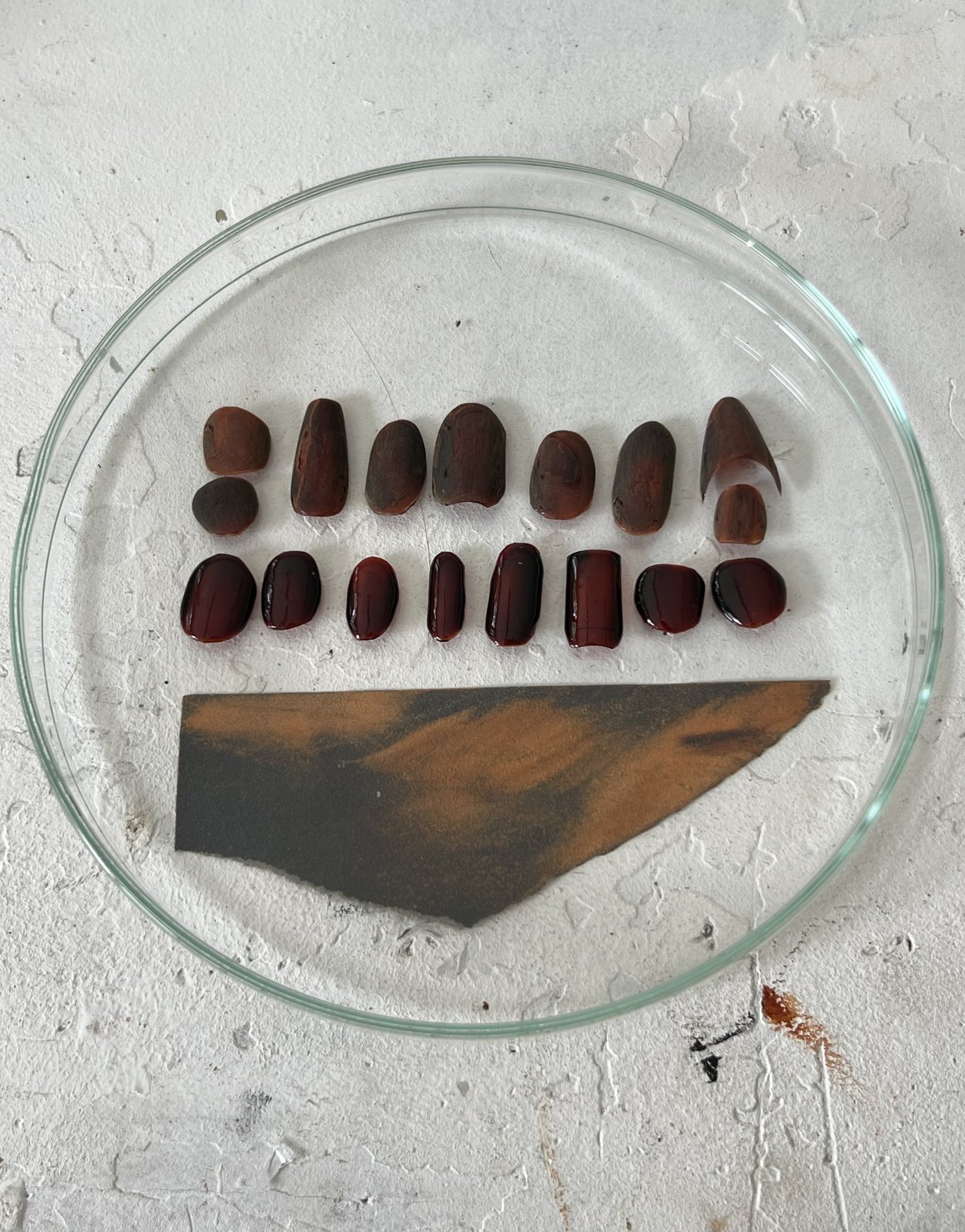
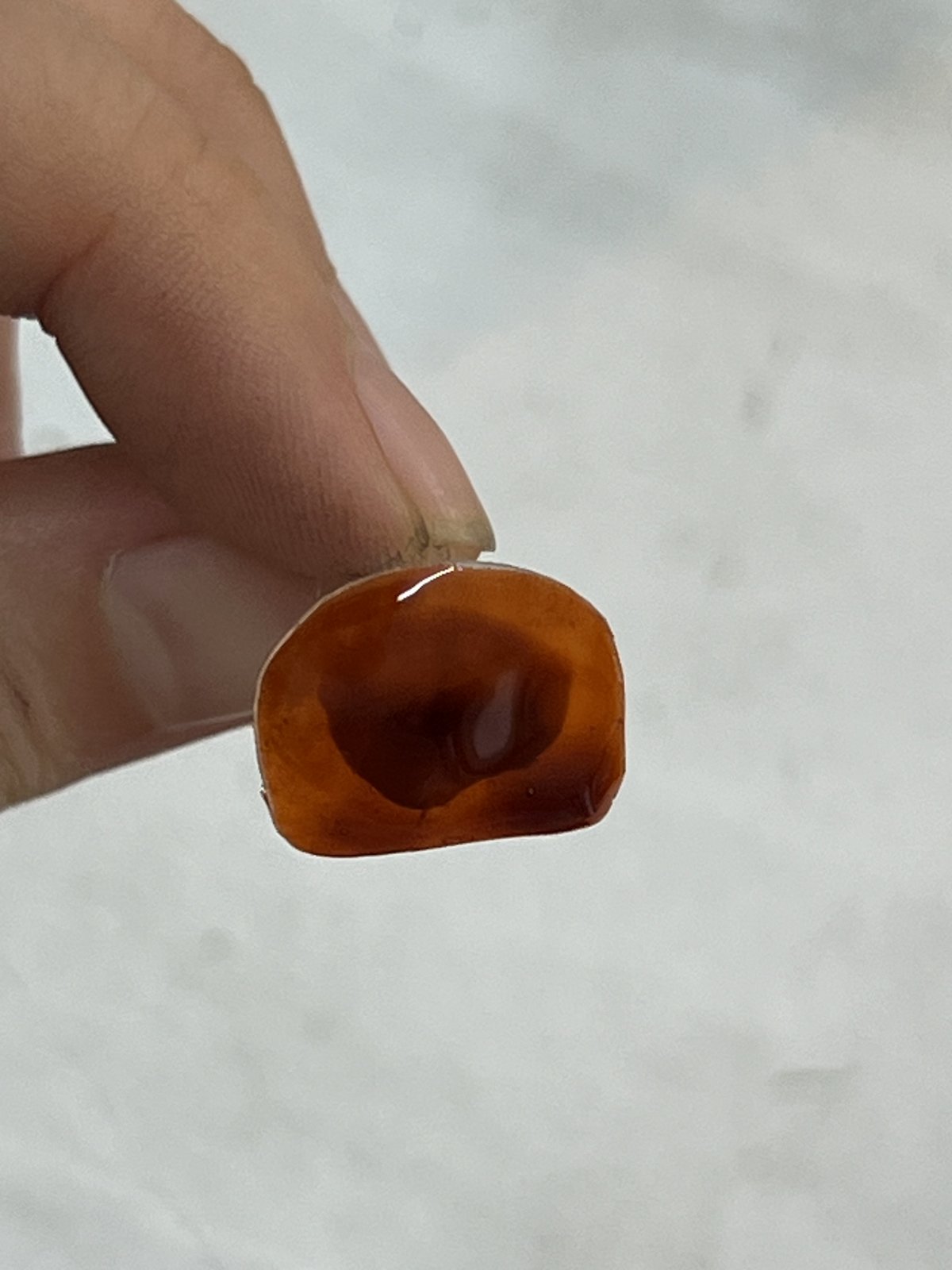
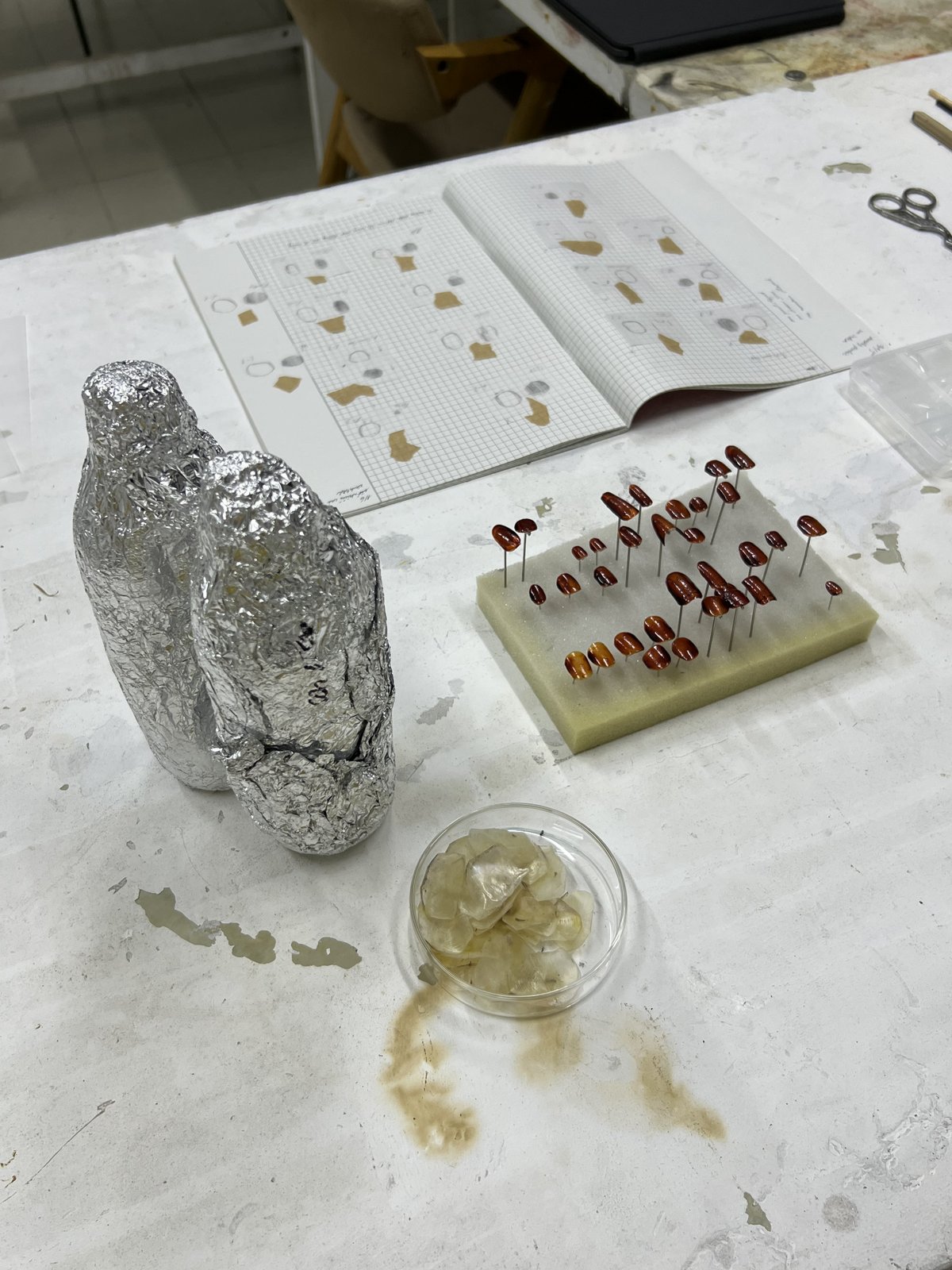
When she is not walking around and smelling plants, she is probably in the studio, doing nails eternally — stretching the reality of time and other beings that she encounters on the tiny surfaces of nail replicas. The work experiments with traditional lacquer techniques, and explores “standards of beauty” in both lacquer craft and nail aesthetics. It captures organic encounters with people through a made-up service — “one Eternailty later” — continuing its first chapter from Berlin in May and June this year. At Rimbun Dahan, she has documented every encounter into little nail copies, scanning them onto fish scales found near the pool (thanks to the otter season!), and repeats it in her eternailty. 

instagram.com/kieu____anh

About the Open Studio

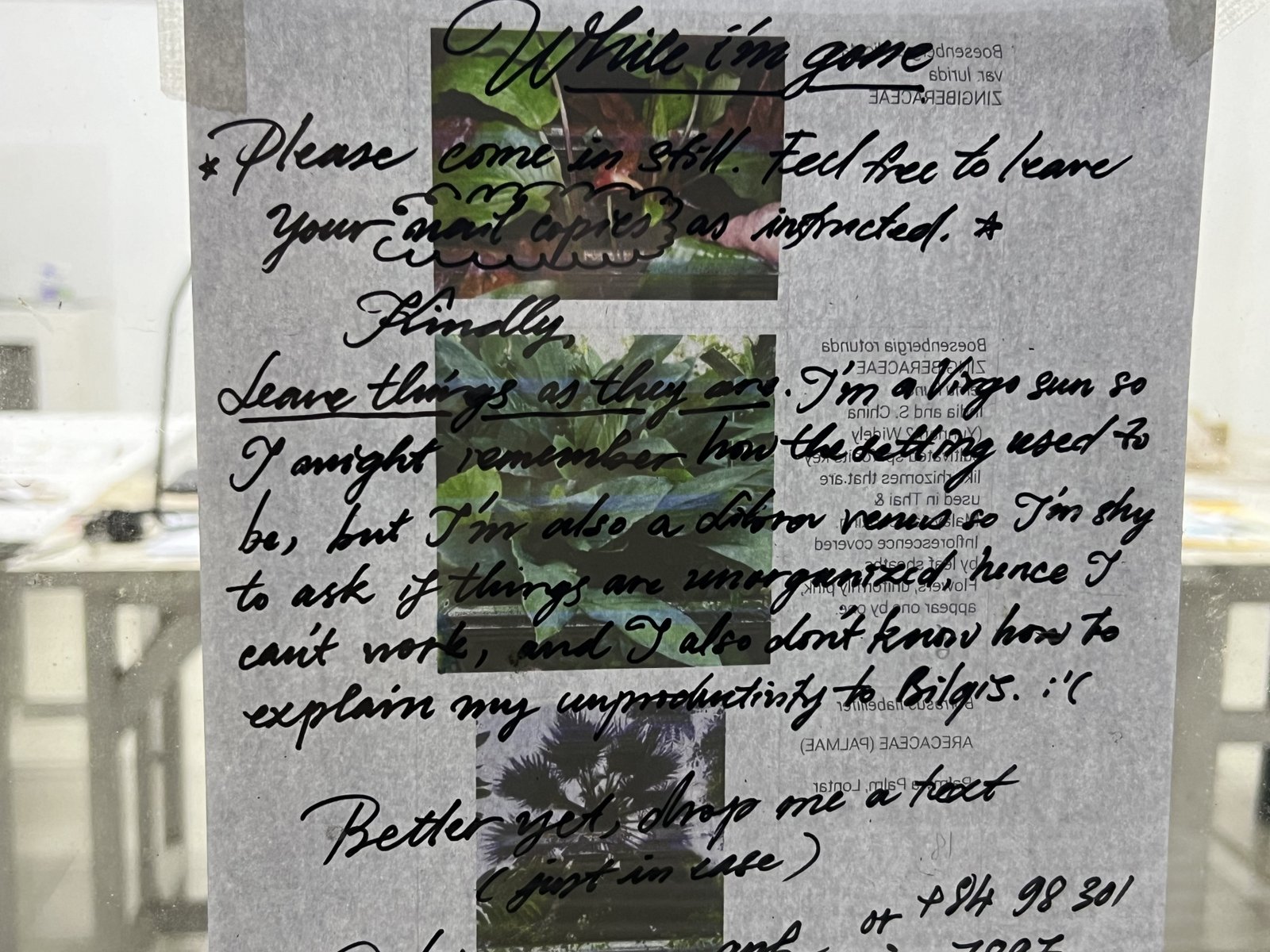
Ironically, while spending most of her headspace living and creating in a borderless world of scent and other means of counting time, Kieu-Anh is unfortunately absent for this Open Studio, not because it was her birthday, but due to an actual border problem. She has been forced to suspend her second month of residency. The flowers she has prepared have wilted, the milk-scented prayers need her presence to recharge their magic, so for now the open studio relies purely on the nail shop’s instruction to continue her residency project.

Please leave Kieu-Anh a copy of your nails, and pretend that we have actually met! Until Kieu-Anh returns to RD, let her take care of your nails in the meantime until you meet (again). 

Noelle Varela

Noelle Varela

In August 2024, Filipina visual artist Noelle Varela spent one month in residency at Rimbun Dahan.

About the Artist

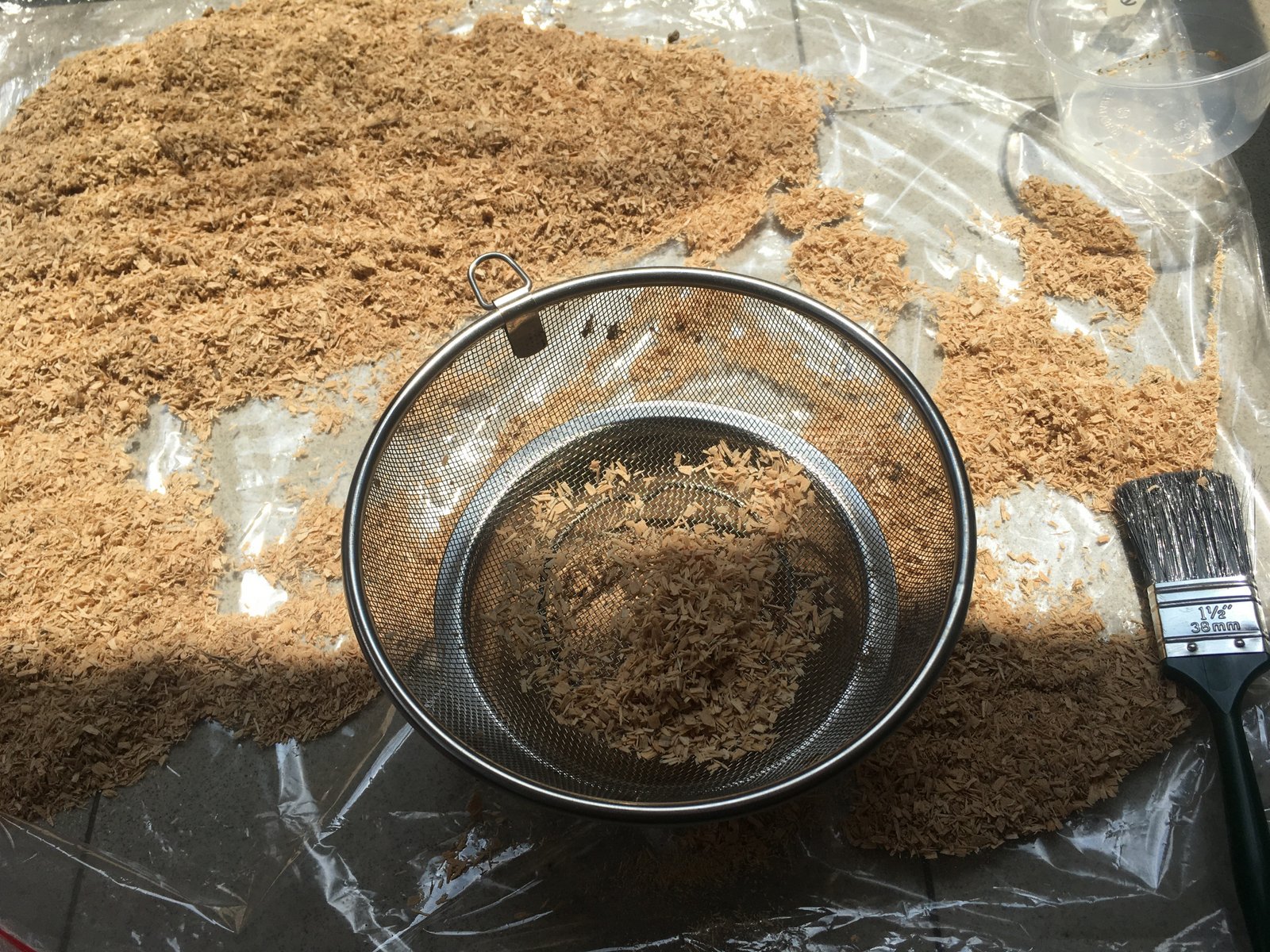
Noelle Varela (b. 1993) is a Filipina visual artist who studied and earned her degree in Fine Arts at the University of the Philippines- Diliman. She mainly works with three-dimensional pieces and continuously constructs contemporary images using sawdust through fl­ora and female imagery to depict female and women experiences, sensuality and societal standings.

https://www.instagram.com/varelanoelle

About the Residency

Continuing my exploration around sawdust as textile during my residency, I delved into a more narrative imagery about finding familiarity — similar and the same, within a new environment to cope with the sense of place. There is a challenge for me to expand and allow myself to experience new places, to have myself familiarize and notice similarities between my home back in the Philippines and here in Malaysia has encouraged me to attain a sense of ease.

To establish one as ‘usual’, we ought to progressively obtain familiarity with the environment through routines, finding similarities and by building practical inhabitation around our surroundings. We tend to gravitate towards things and experiences that seem familiar to us, something we had experienced and played into beforehand to which our repetitive encounter with the unknown becomes familiar. There is a hand-in-hand relationship between our personal experiences and daily routines to the place itself. Our cognitive aligns with our intimate perception of reality — to be able to distinguish similar against ‘the same’ happenings. Activities revolving the practical use of the place and landscape afforded a sense of ease and belongingness.

For the Open Day, I will be showing a series of sawdust work and drawings in which both portray places and objects I interact with daily here in Rimbun Dahan. These images range from the path to and from my studio space and home, depictions of the daily routines I continued and imposed during my stay, familiar plants, interactions with the pets and areas in the house I inhabit with my usual doings. Places are experienced, new landscapes develop to “normal experiences” processed by the body and its senses.

Sabiq Hibatulbaqi

Sabiq Hibatulbaqi

From June to August 2024, Sabiq spent three months in residence at Rimbun Dahan.

About the Artist

Sabiq is a visual artist based in Bandung, Indonesia, born in Tasimalaya in 1994. His artistic practice explores the potential of sequential images across diverse mediums, including comic illustration, animation, code-generated art, and installation.

Typically, his main themes arise from the mundane, transforming everyday observations and experiences into visual narratives. His recent work focuses on the interplay between logic and aesthetics, seeking to find tension between these two seemingly disparate concepts.

https://www.instagram.com/sundaymanggo/

About the Residency

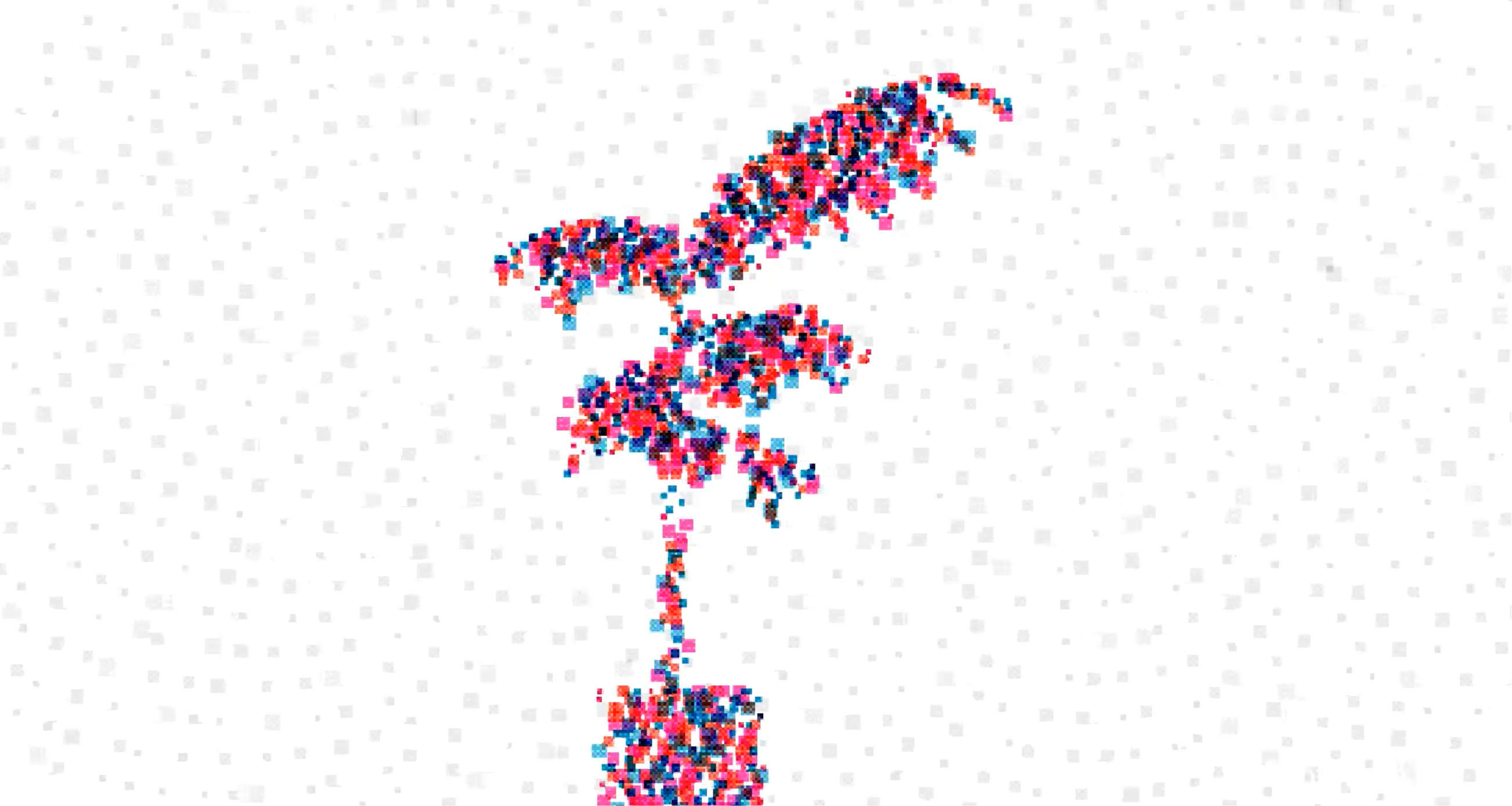
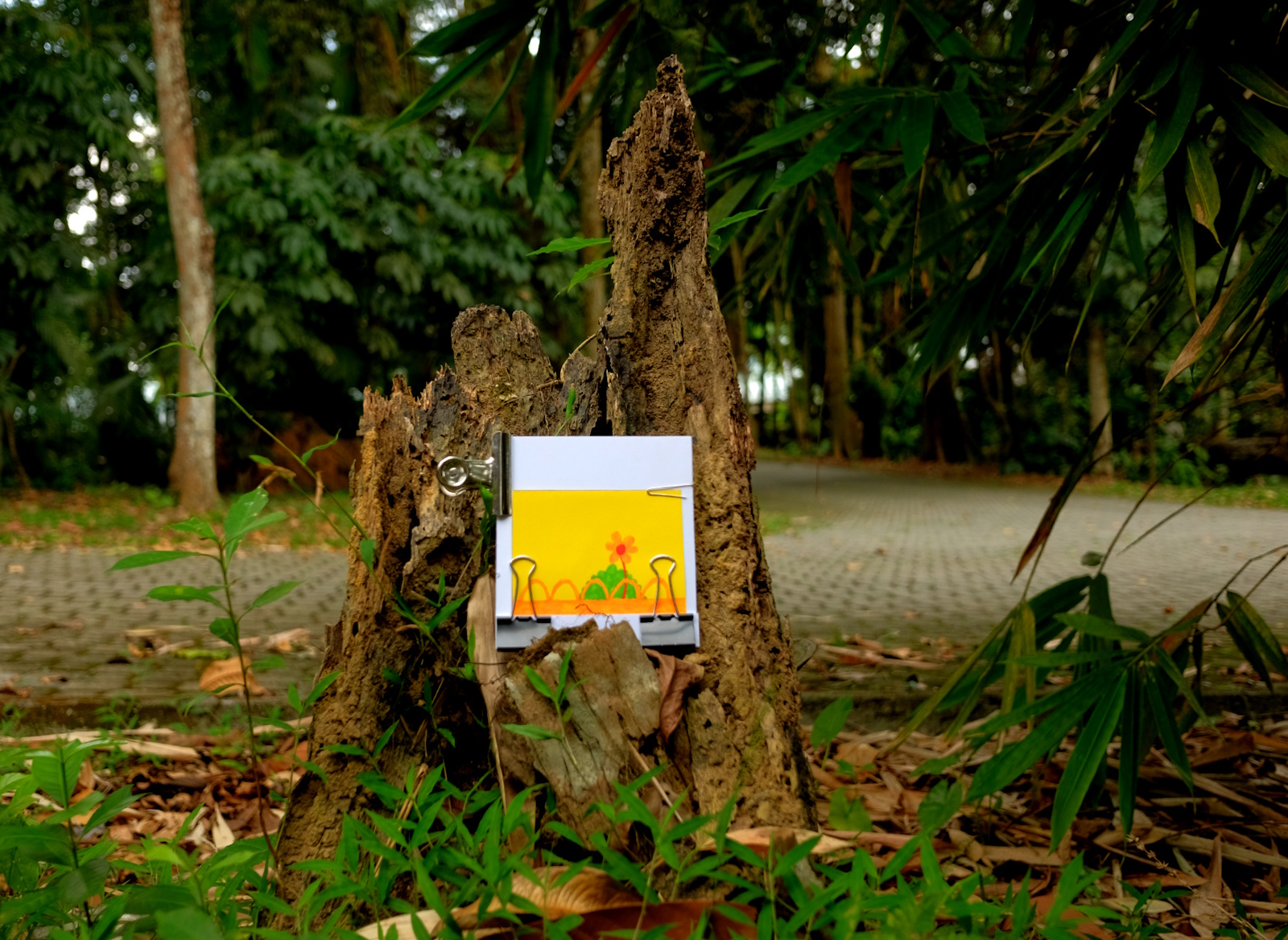
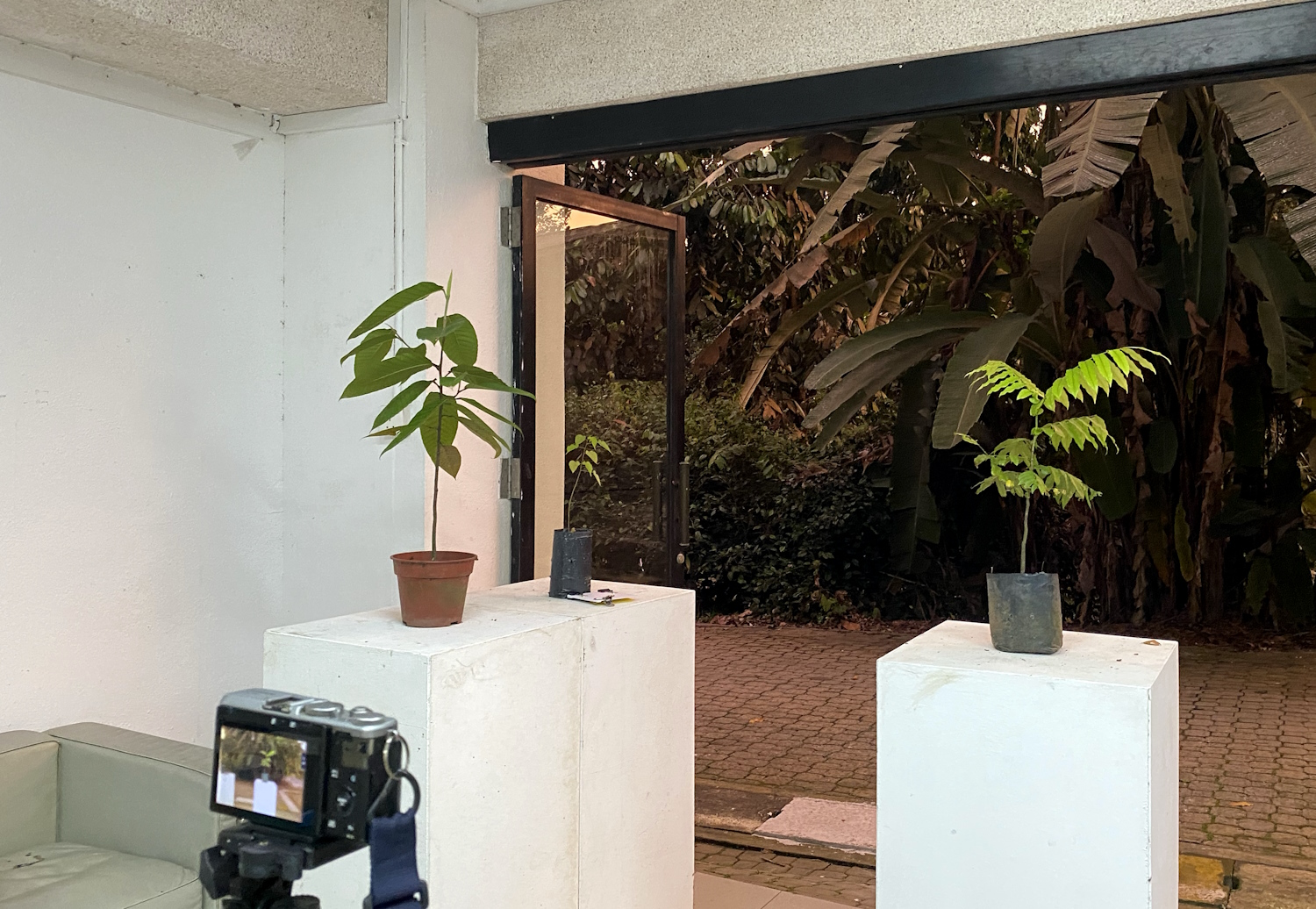
At Rimbun Dahan, Sabiq tried to grow plants from the collection at Rimbun Dahan and observed them as they grew day by day. He took pictures of the plants almost every day.

During the residency, Sabiq continued his exploration of drawing with systems and nature as his main references. He sought to understand how nature grows and to imitate its processes using logical lines. He found it interesting because, while logic is often seen as stiff and rigid, nature is fluid and organic.

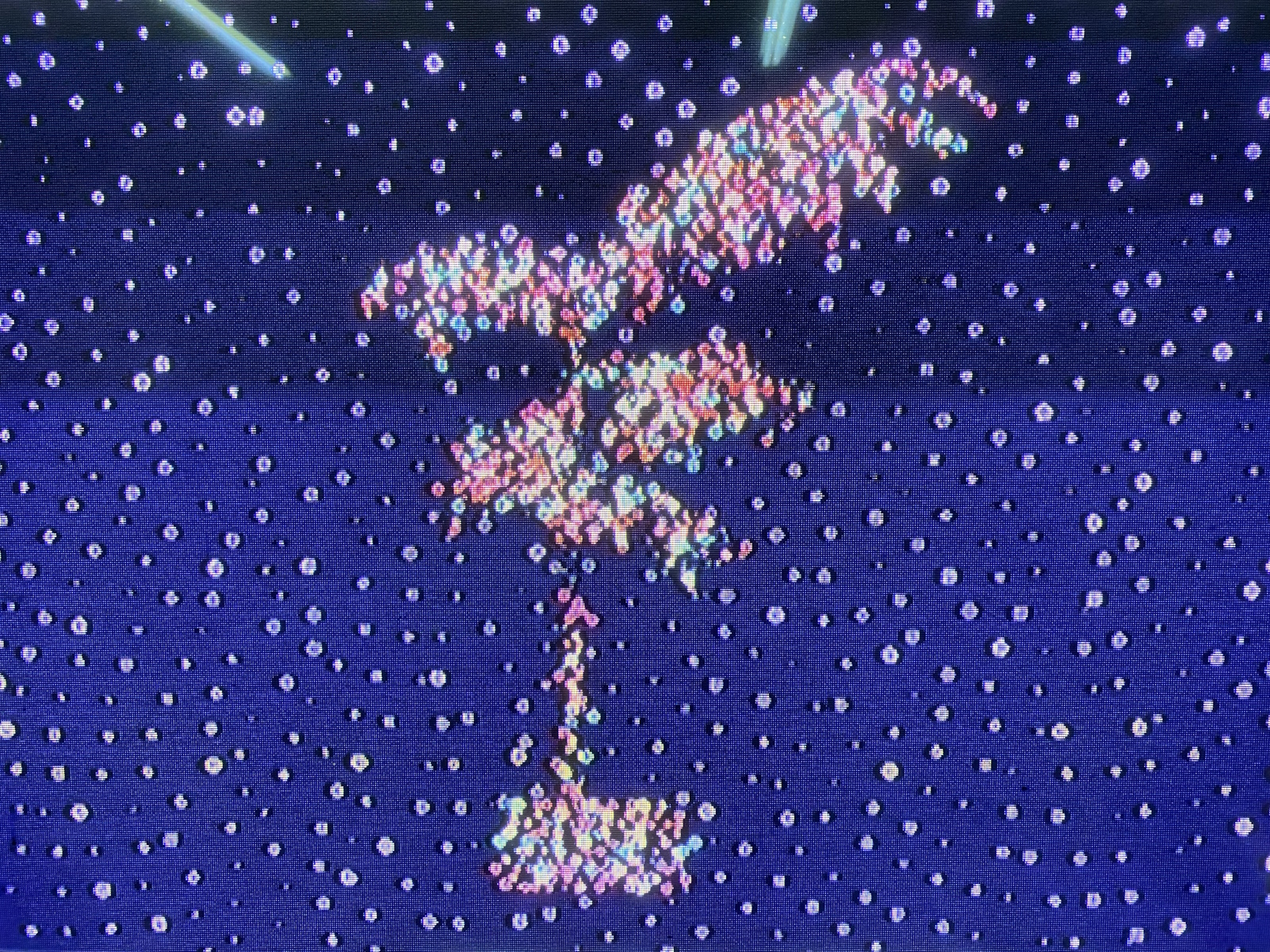
The main work he focused on during this residency was procedural animation. The animation had no traditional keyframes; instead, its movements were driven by instructions from a function, such as timeframe, randomness, noise, or oscillation. The values and parameters of the animation were based on the photos of the plants he took almost every day.

Gogularaajan Rajendran

Gogularaajan Rajendran

Malaysian filmmaker Gogularaajan Rajendran undertook a two-month residency at Rimbun Dahan from June to July 2024.

About the Artist

Gogu (Gogularaajan Rajendran) is a filmmaker based in Kuala Lumpur, Malaysia. He focuses on telling stories about Malaysian Indians, blending horror and humor through both provocative and poetic approaches. The short film “Walay Balay”, which he co-directed, premiered at the 2024 Cannes Directors’ Fortnight. He received the Krishen Jit Fund for his ongoing project “Araro Ariraro”, documenting the stories of Malaysian Indian plantation workers. Gogu is also currently developing his first fiction feature film, “Kaali: Depth of Darkness”, which received the inaugural mylab FINAS Award and was featured at the 2021 Seapitch Bangkok and the 2022 Film Bazaar Co-Production Market in India.

https://www.instagram.com/gogularaajan/
Research project: https://www.instagram.com/plantation.life/
Tumblr: gogu will die one day.

About the Residency

Gogu developed his feature film project “Kaali” during a two-month residency at Rimbun Dahan. The peaceful and calm natural environment played a crucial role in helping him find the essence of the story and build its structure after conducting intensive research on how folklore, fairy tales, and myths can be translated into the medium of cinema. Below is the logline for the film, “Kaali”:

1966, a plantation bordering a lush forest in Malaysia. Kali (24) is a young wife and plantation worker of the Indian diaspora community who struggles with her mother-in-law Chellammal’s impatience to have an heir. She begins to feel accepted when she eventually gets pregnant, but a wrong decision triggers a miscarriage. Suddenly, Kali faces the wrath of Chellammal, who turns everyone against her. Left alone, Kali discovers her divine connection to the forest and uses it to take revenge.

Scenes from the Residency

Showing on Open Day, 25 August 2024

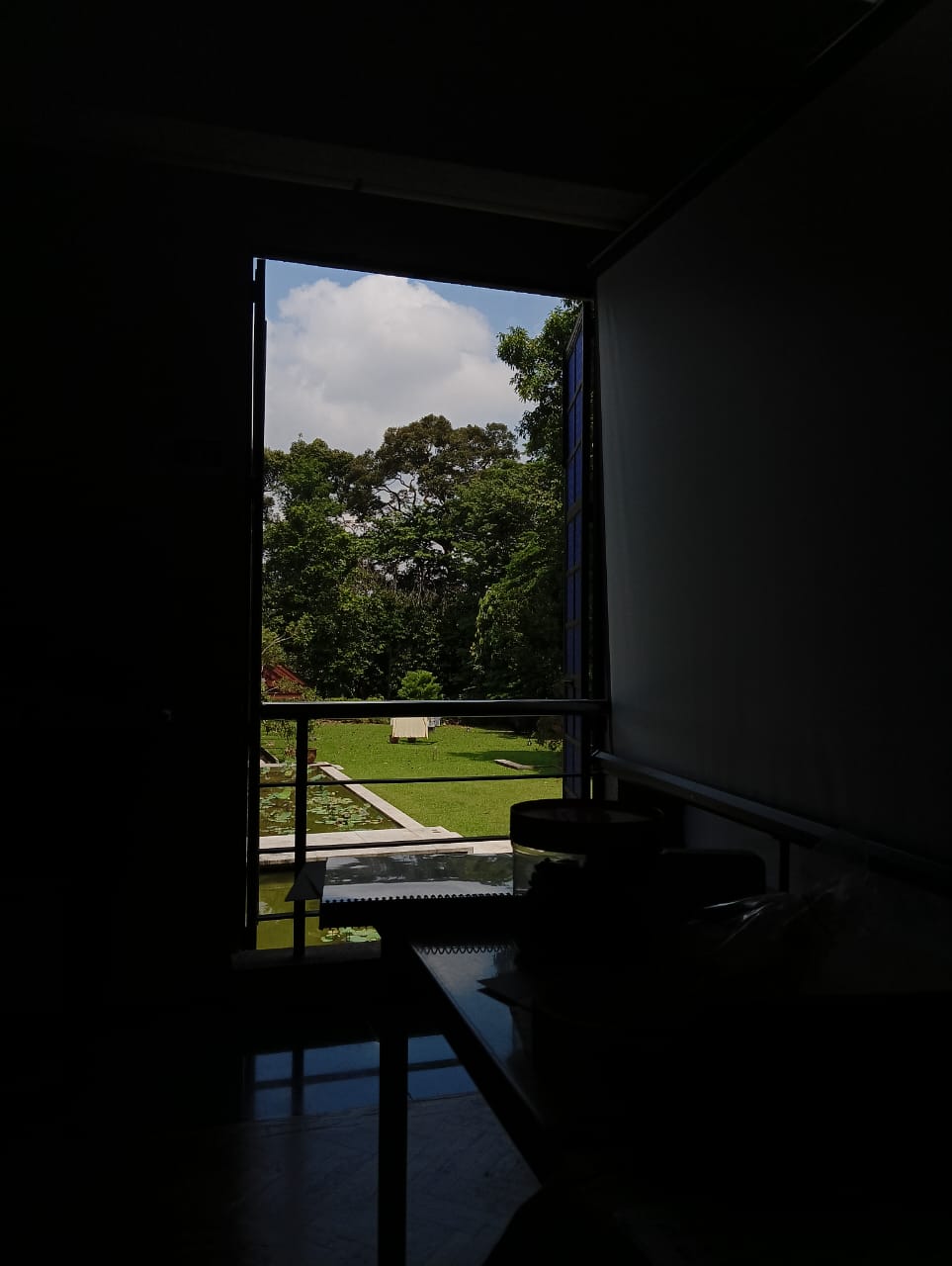
“Every day when I wake up, I open the window panels that overlook a beautiful pond filled with lotus flowers. This pond has become my best friend. I gaze into it, share my thoughts with it, and it returns some back to me. I observe it daily, noticing how it changes and connects with the people and animals around it. This is a love letter to the Rimbun Dahan lotus pond.”

Naraphat Sakarthornsap

Naraphat Sakarthornsap

Thai artist Naraphat Sakarthornsap is undertaking a one-month residency at Rimbun Dahan in August 2024.

About the Artist

Naraphat Sakarthornsap is a Bangkok-based artist whose work explores societal inequalities and gender discrimination through the medium of photography and installation. Flowers serve as central motifs in his practice, imbued with profound symbolic meaning. These floral elements function as keys to unlocking the complexities concealed within his work, often reflecting his personal and emotional depths. Naraphat’s early artistic inquiries focused on the ephemeral nature of flowers, mirroring a broader exploration of challenges imposed by the natural world. Over time, this interest evolved into a critique of societal power structures, as expressed through his floral imagery. His work invites viewers to look beyond the superficial beauty of his compositions and to contemplate the deeper messages embedded within them. In doing so, Naraphat’s work resonates with the experiences of many who grapple with societal norms and inequalities.

www.instagram.com/naraphat_s/
www.naraphatsakarthornsap.com

About the Residency

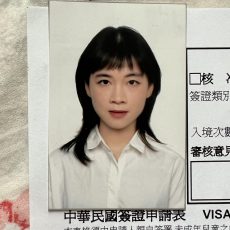
Passport photo for the outsider

by Naraphat Sakarthornsap

The complex visa application process and stringent document checks faced by many Asian citizens highlight the unequal treatment of people based on one’s country of origin as indicated on their passports. In a similar vein, the garden within Rimbun Dahan can be seen as a microcosm of a nation, where the gardener is the supreme ruler. Cultivated plants represent legal residents, coexisting with ‘outsiders’ such as grasses, weeds, and creepers whose seeds are carried by wind or animals. These uninvited plants strive to establish their presence and claim the right to exist within a space that isn’t their native habitat. Their presence creates conflicts within the garden’s ecosystem, sometimes competing for nutrients with the primary plants selected by the gardener, yet simultaneously demonstrating a desire to secure a place to survive.


The attempt to capture the individuality of these plants through black and white portraits against a white background is akin to passport photos that establish a clear identity, serving as a starting point for seeking residency. This is a way to affirm their existence and claim the right to live, even as unauthorized outsiders. However, the ultimate decision-making power rests with the gardener, leaving these plants vulnerable to expulsion or eradication. This raises questions about the circumstances of these plants’ existence as outsiders. Will they be granted the right to coexist with other living beings when all life seeks a better place to thrive?

Lim Wan Phing

Lim Wan Phing

Malaysian writer Lim Wan Phing is in residence at Rimbun Dahan for 3 months from July to September 2024.

About the Author

Wan Phing Lim was born to Malaysian parents in 1986 in Butterworth, Penang. She lives in Penang and is the fiction editor of NutMag zine. Her first short story collection ‘Two Figures in a Car’ was published by Penguin SEA in 2021. Her second collection, ‘Adorable’ is forthcoming in 2025. 

About the Residency

Wan Phing is working on her third short story collection. The plong trees found in Rimbun Dahan have inspired her first piece, entitled ‘Spirit of the Plong’. It has been completed, workshopped and submitted to speculative fiction magazines online. Her current work-in-progress is another short story, tentatively titled ‘Paris’, inspired by the moulded and woven sculptures created by Kristi Chen, a recent resident artist, from Canada.

wanphing.com
facebook.com/wanphingwriter

Sensorial Writing Workshop (1 hour) on Open Day

4-5:30pm in the Dance Studio at Rimbun Dahan, Sunday 25 August 2024

Engage with the senses as you participate in short, guided writing exercises, inspired by the nature and architecture of Rimbun Dahan. Describe sights, sounds, smells, touch and taste using clear, vivid and imaginative prose as we find inspiration in our immediate surroundings. Wan Phing will read from her own current works created at Rimbun Dahan.

Bring your own pen, notebook, or write on your phone or tablet. Pen and paper will be provided just in case. Free entry, just show up, no need to register.

Faye Abantao

Faye Abantao

Faye Abantao, a visual artist from Bacolod, Philippines, joined us for a two-month residency at Rimbun Dahan from May to June 2024.

About the Residency

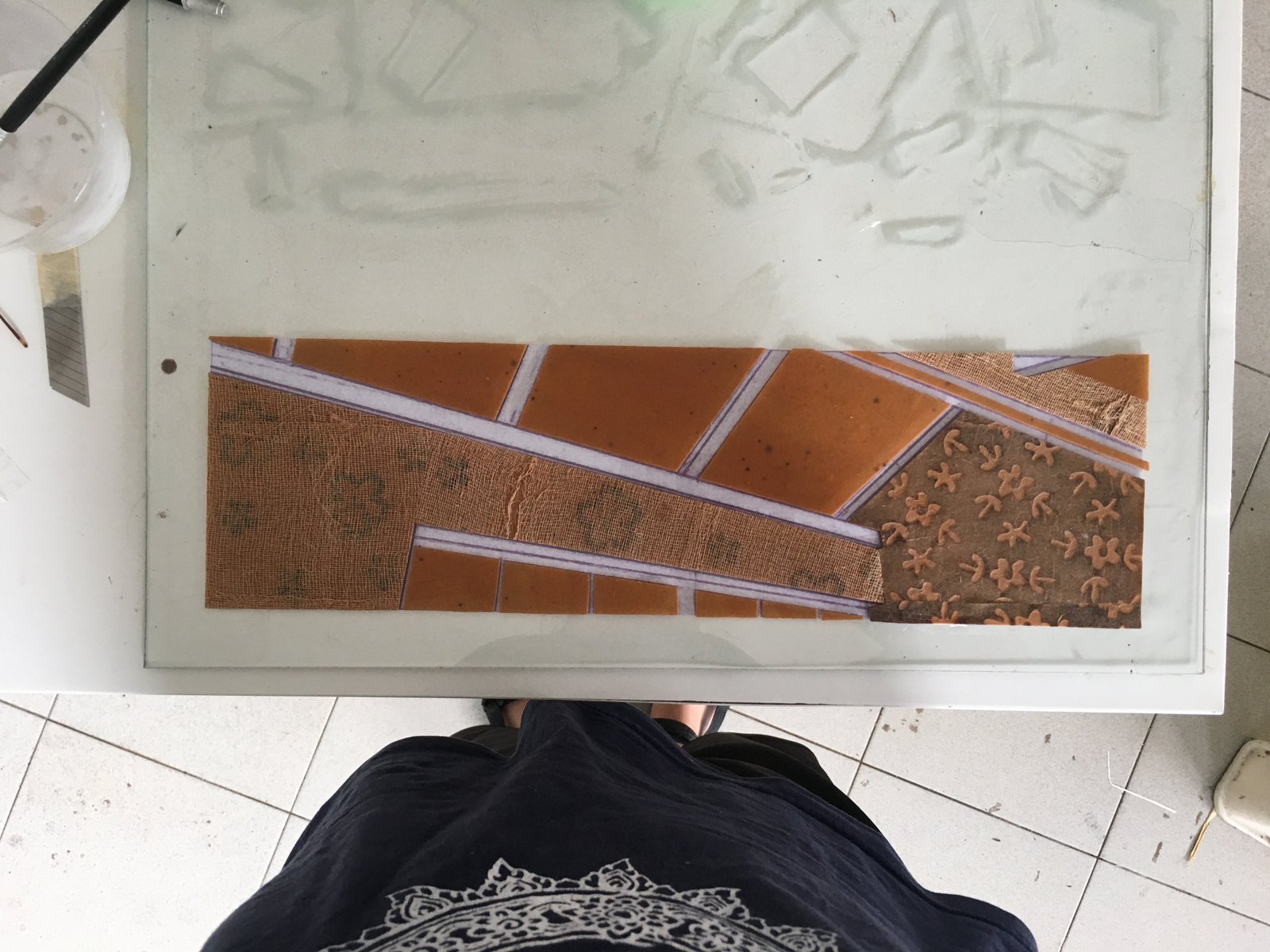
During her time with us, Faye explored various printmaking techniques and advanced her project, Withering Memories. This ongoing series, which she began in 2020, evolves into its third installation titled What Becomes of Memories if There’s No One Around to Remember Them? This collage-based, wall-bound mural talks about the ephemeral nature of memory and the existential query surrounding its legacy in the absence of witness.

A combination of various medium—photographs, tearing and the use of paper as a material—each representing a different aspect of memory. The photographs depict fleeting moments of joy and mundane routine, now suspended in time. Tearing conveys intimate thoughts and unspoken words, slowly blurring into oblivion. These layers peel off eventually, leading us to reveal different memories, the vulnerabilities and our intricacies. Paper, with its worn texture, symbolizes the decay and erosion of physical remnants over time.

It raises a question: Do memories have any meaning beyond the minds that contain them? And if a recollection is an individual’s own story or narrative, a subjective perception of reality, what becomes of it when the person who told the story is no longer there to tell it? Memory in the real sense refers to human collective memory and experiences—our histories, cultures, and societies. Without preservation and transmission these too would be lost into nothingness.

It is a challenge to consider how we choose to preserve our memories and the stories we leave behind. In an age where digital archives are vast yet volatile, the permanence of memory becomes even more uncertain. The interplay of traditional and modern underscores this tension, prompting reflections on how future generations will access and interpret the past.  

About The Artist

Faye Abantao (b. 1994) is a visual artist from Bacolod City, Philippines. She captures an essence of culmination in her multifaceted art practice. She makes homogenous the panache of creative impulses such as origami, print, digital art, photography, collage and painting.

The focus of her artistry is weaving in stories from the used books and archive of photographs that she uses into the diorama presented through her work. It visually represents herself with profiles and portraits of the human condition. It imitates life through the impact of culture and experiences to individuals. Her art establishes a link between the collection and deconstruction of altered digital images that presents a realm of memory and experience. These images have been noted for their distinct aesthetics and use of monochrome, which are common threads throughout her work. Whether depicting a personal experience, a portrait, or solitude in a peculiar context, they stand apart.
IG: @fayeperproject

William Tham

William Tham

Writer and editor William Tham joined us from Petaling Jaya for a two-month residency from May to June 2024.

About the Residency

William has written novels, short stories, and creative nonfiction, and is particularly drawn to topics rooted in the twentieth century. His writing project at Rimbun Dahan centres around the 1927 visit by Rabindranath Tagore to Southeast Asia, engaging with questions of translation, interpretation, and politics in a time of change. Its epistolary structure is particularly inspired by Zhang Ruihe’s short story “Driving North” (2023) in The Second Link: An Anthology of Malaysian and Singaporean Writing, which engages with similar themes.

Tagore, despite being better known for his poetry and fiction, was also a philosopher who engaged deeply with key questions of a nascent modernity. Having navigated the nineteenth to the twentieth centuries in British-ruled India, where anticolonial foment would take the form of nationalism, he deeply pondered ideas of nation and tradition, modernity and spirituality—ideas which are addressed here. William’s work approaches Tagore by interrogating the act of translation, and in the process, what also emerges is a story about the aspirations and imaginaries of Tagore’s contemporaries: the peoples of Malaya/Nanyang/Tanah Melayu and their imagined nation-to-come—as well as the unease associated with these rapid political changes.

About the Writer

William Tham is the author and editor of several books, as well as an editor-at-large for Wasafiri. His writings have appeared in PR&TA, NANG and The Best of World SF: Volume 2, among others. He also co-edited The Second Link: A Malaysia-Singapore Literary Anthology and has an interest in literary and cultural studies.

Since we are looking at the stars, somebody must need them…

Since we are looking at the stars, somebody must need them…

Work-in-Progress Showing

Sunday 19 May, 7:30pm
The Dance Studio at Rimbun Dahan
The work-in-progress performance will last about 30 minutes, followed by Q&A and discussion.
Free entry, no registration required.

Présenté par Groupe A – Coopérative Culturelle [FB IG]
Artistic direction : Pascal Marquilly [FB IG]
Sound composition : Rodolphe Collange [FB]
Video creation : Nicolas Tourte [FB IG]

[Translated from the original French, below]

Performances of wayang kulit in Kota Bharu, Kelantan
Shadow puppets and discordant sounds
A mythological tale and childlike smiles

A border in the far North
A few soldiers and congested roads
A makeshift vehicle

The moucharabiehs at Jahar Palace
Set against a backdrop of lace, the play of light glides across the floor
Spaces preserved from the furnace

White-hot beaches and sparkling waves
Insects sizzle in the sunshine
A few temples here and there, the voice of the Muezzin

All around, the forest, impenetrable and imperious
A misty green mass, teeming yet fragile
A few coloured sparkles

Gaping holes, exploitations
Palm groves as far as the eye can see
Ribbons of tar smoke

A city bristling with grey towers
An amorphous underground panorama
Upside down

Humid, dense air
Threatening low clouds
Electrically charged skies and sudden storms

In Selangor, a haven of peace
A few barks and fleeting ghosts
A botanical garden and facetious monkeys

The haughty words confine conversations
The night defies the darkness
Dark silhouettes outline the azure sky

This heat…

————

We carried out an initial creative residency in April 2023 at Rimbun Dahan. We have sketched out a mechanical shadow theatre that aims to question our representations of nature. After a month’s work, we’re adding to it with new research and trial and error. In the night, we no longer seek the light, but rather the darkness.


Puisqu’on regarde les étoiles c’est qu’elles sont à quelqu’un nécessaires…

[FB IG]

Direction artistique : Pascal Marquilly [FB IG]
Composition sonore : Rodolphe Collange [FB]
Création vidéographique : Nicolas Tourte [FB IG]

————

Des représentations de Wayang Kulit à Kota Bharu, dans le Kelantan
Des marionnettes d’ombres et des sonorités discordantes
Un récit mythologique et des sourires enfantins

Une frontière à l’extrême Nord
Quelques militaires et des routes encombrées
Un véhicule de fortune

Les moucharabiehs du Jahar Palace
Dans un écrin de dentelles des jeux de lumière glissent sur le plancher
Des espaces préservés de la fournaise

Des plages chauffées à blanc et les vagues scintillent
Des insectes grésillent sous le soleil
Quelques temples ci et là, la voix du Muezzin

Tout autour la forêt, impénétrable et impérieuse
Une masse verte brumeuse foisonnante pourtant fragile
Quelques éclats colorés scintillent

Des trous béants, des exploitations
Des palmeraies à pertes de vues
Les rubans de goudrons fument

Une ville hérissé de tours grises
Un panorama clandestin amorphe
Sens dessus dessous

L’air humide et dense
Des nuages bas menaçant
Un ciel chargé électrique et des orages soudain

Dans le Selangor, un havre de paix
Quelques aboiements et des fantômes fugaces
Un jardin botanique et des singes facétieux

Les paroles altières confinent les conversations
La nuit défie les ténèbres
Des silhouettes sombres dessinent l’azur

Cette chaleur…

————

Nous avons effectué une première résidence de création en avril 2023 au centre d’art Rimbun Dahan. Nous avons esquissé un théâtre d’ombre mécanique, qui a pour ambition de questionner nos représentations de la nature. Nous augmentons celui-ci, après un mois de travail, de nos nouvelles recherches et tâtonnements. Dans la nuit, nous ne cherchons plus la lumière, mais bien à rejoindre l’obscurité.

————

All monochrome works pictured on this page: scalpel cut on 250gr Bristol paper