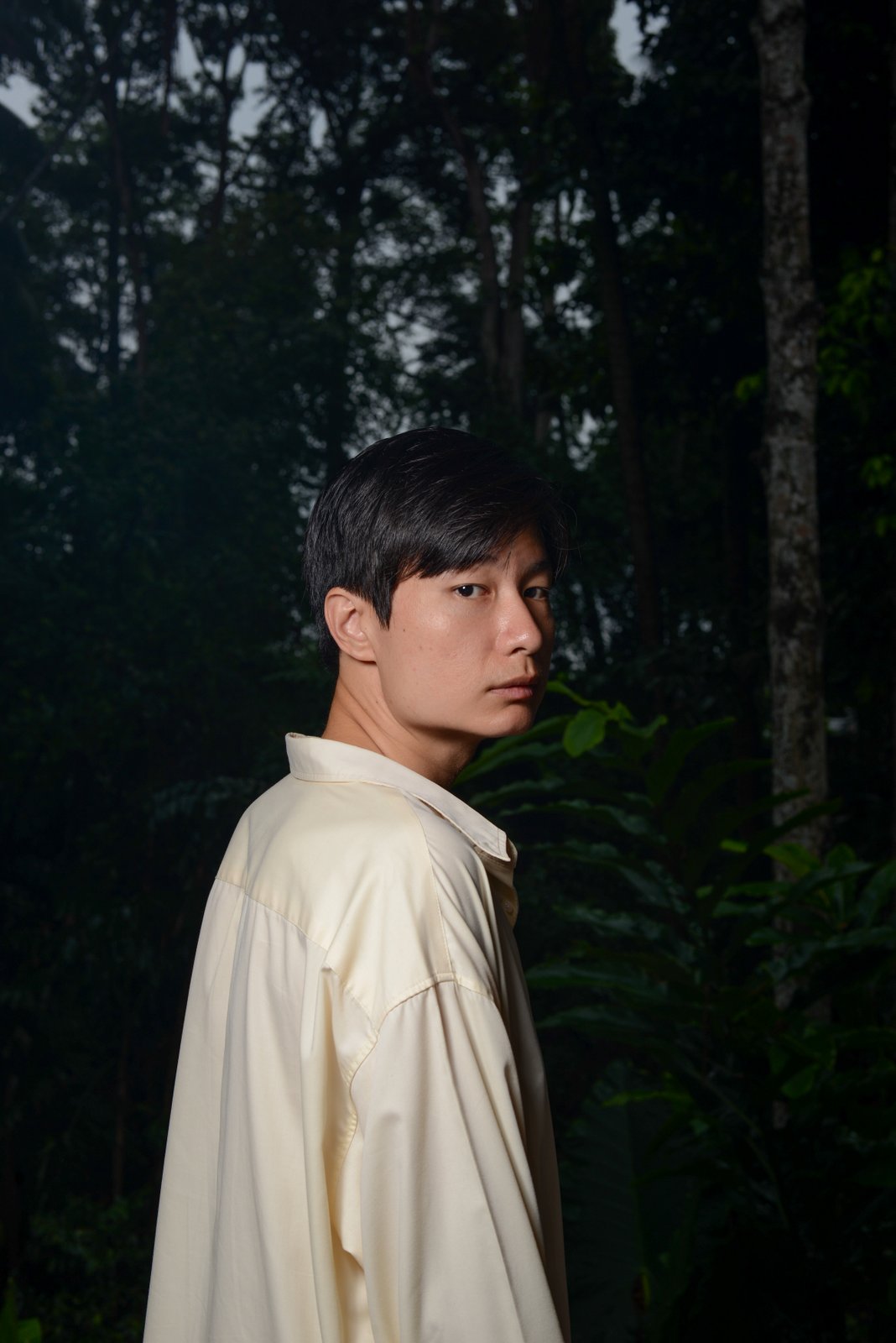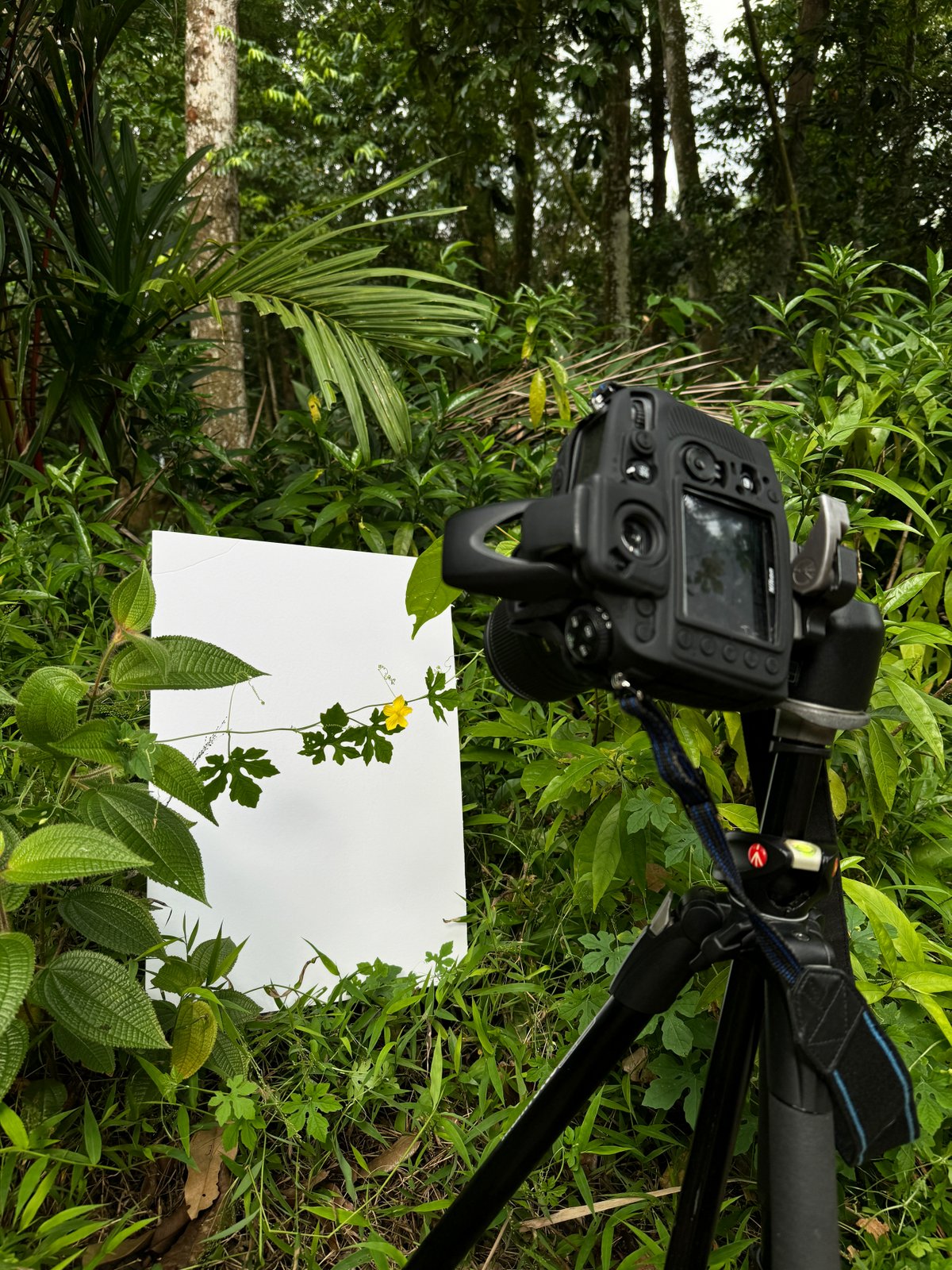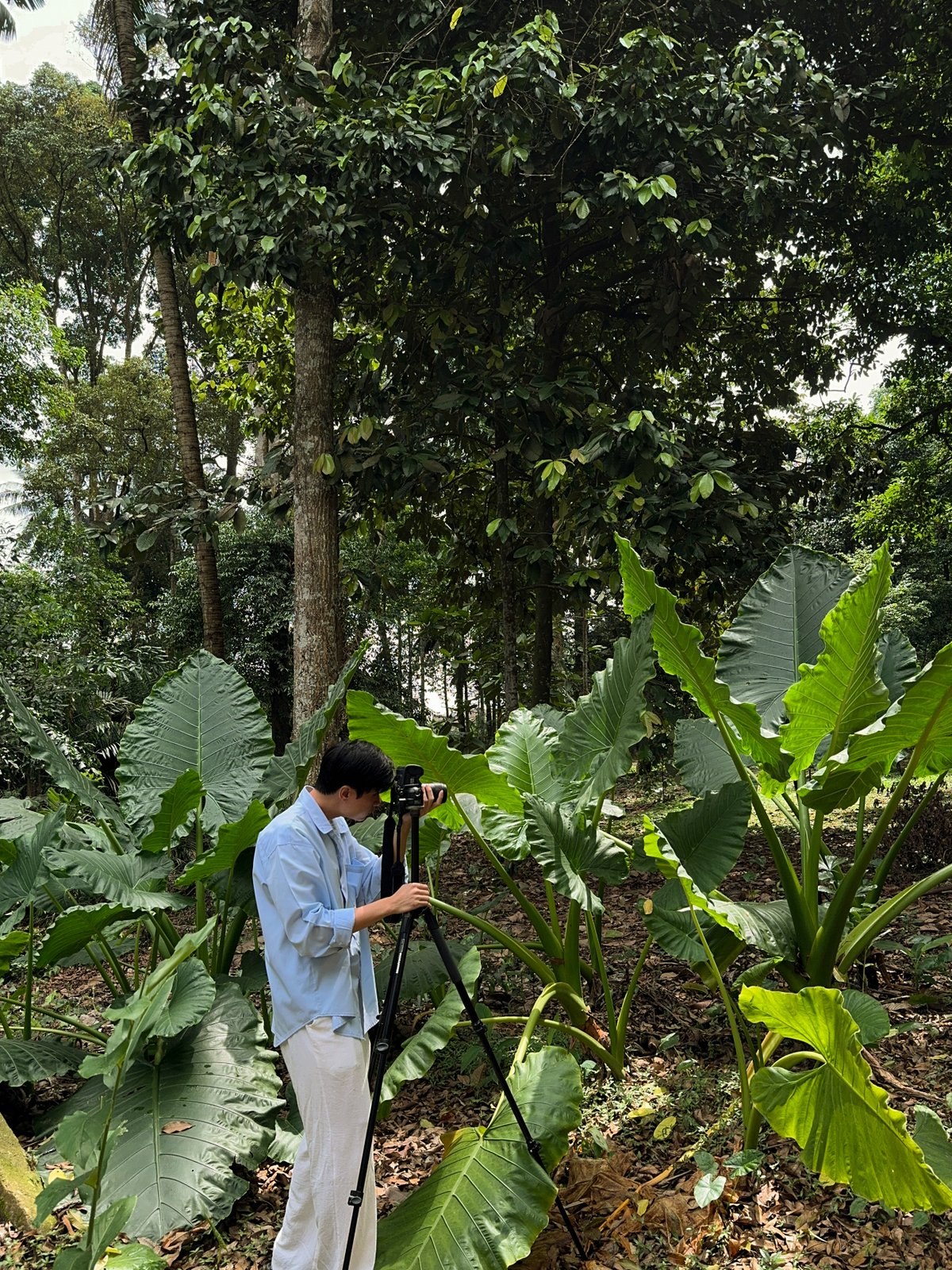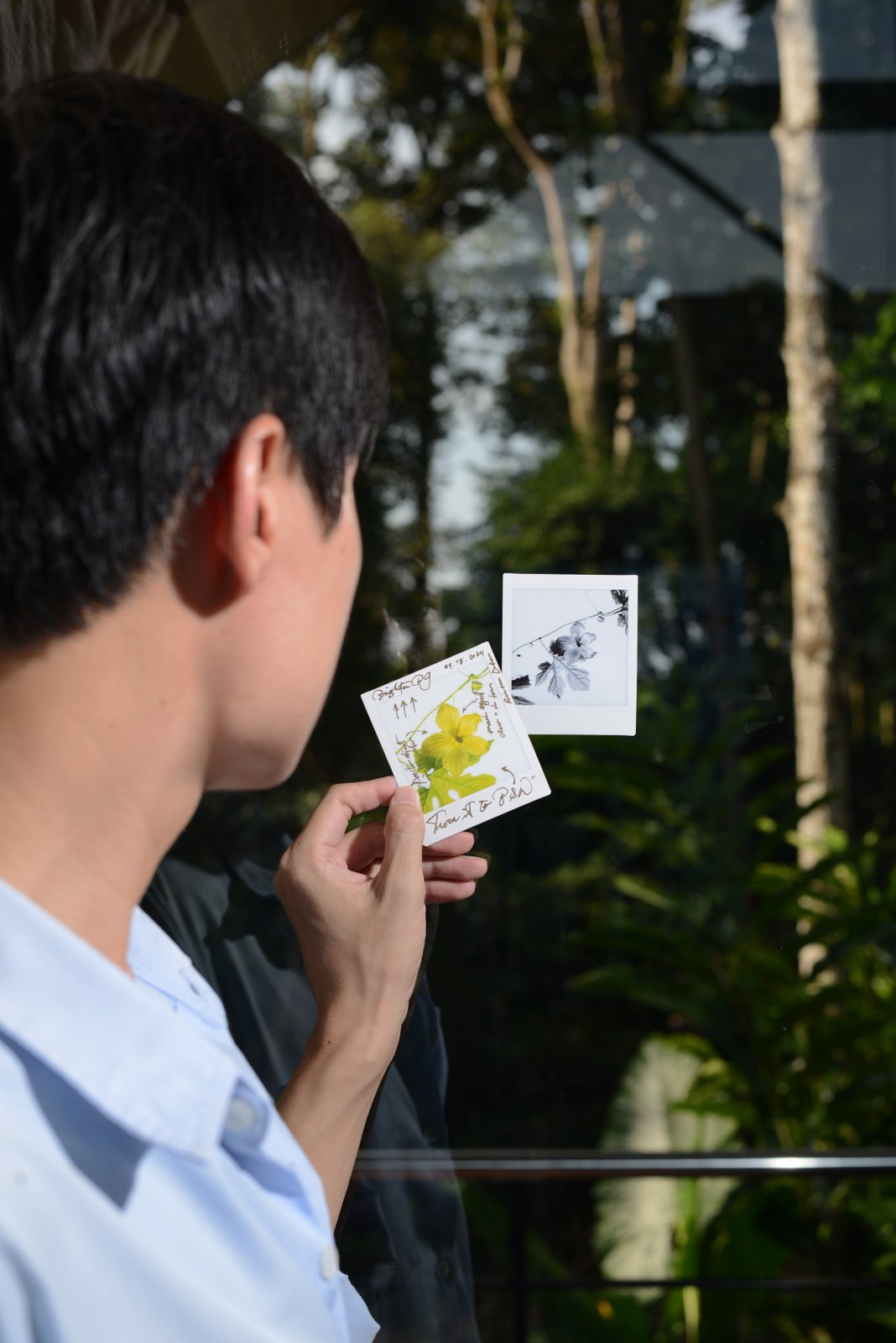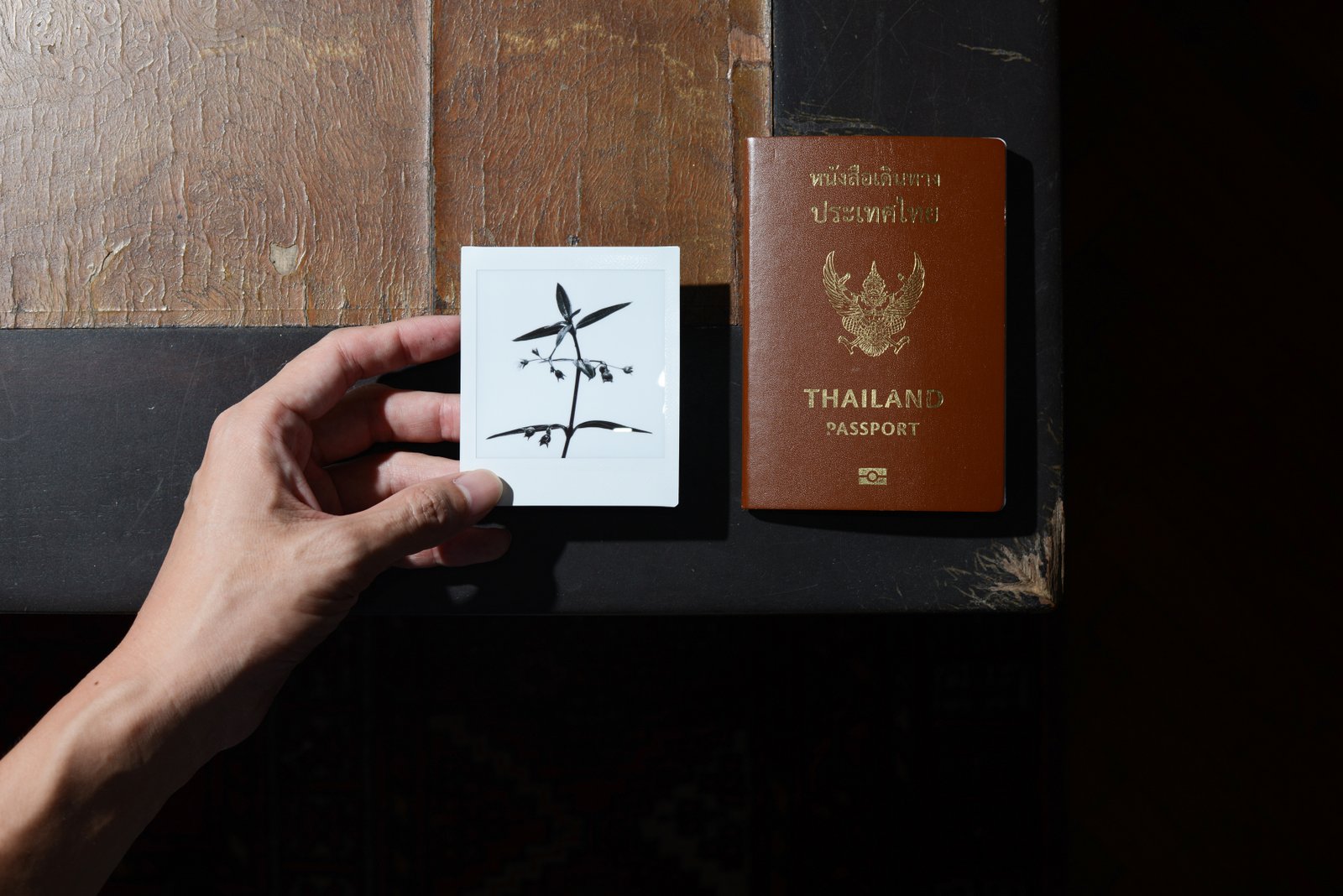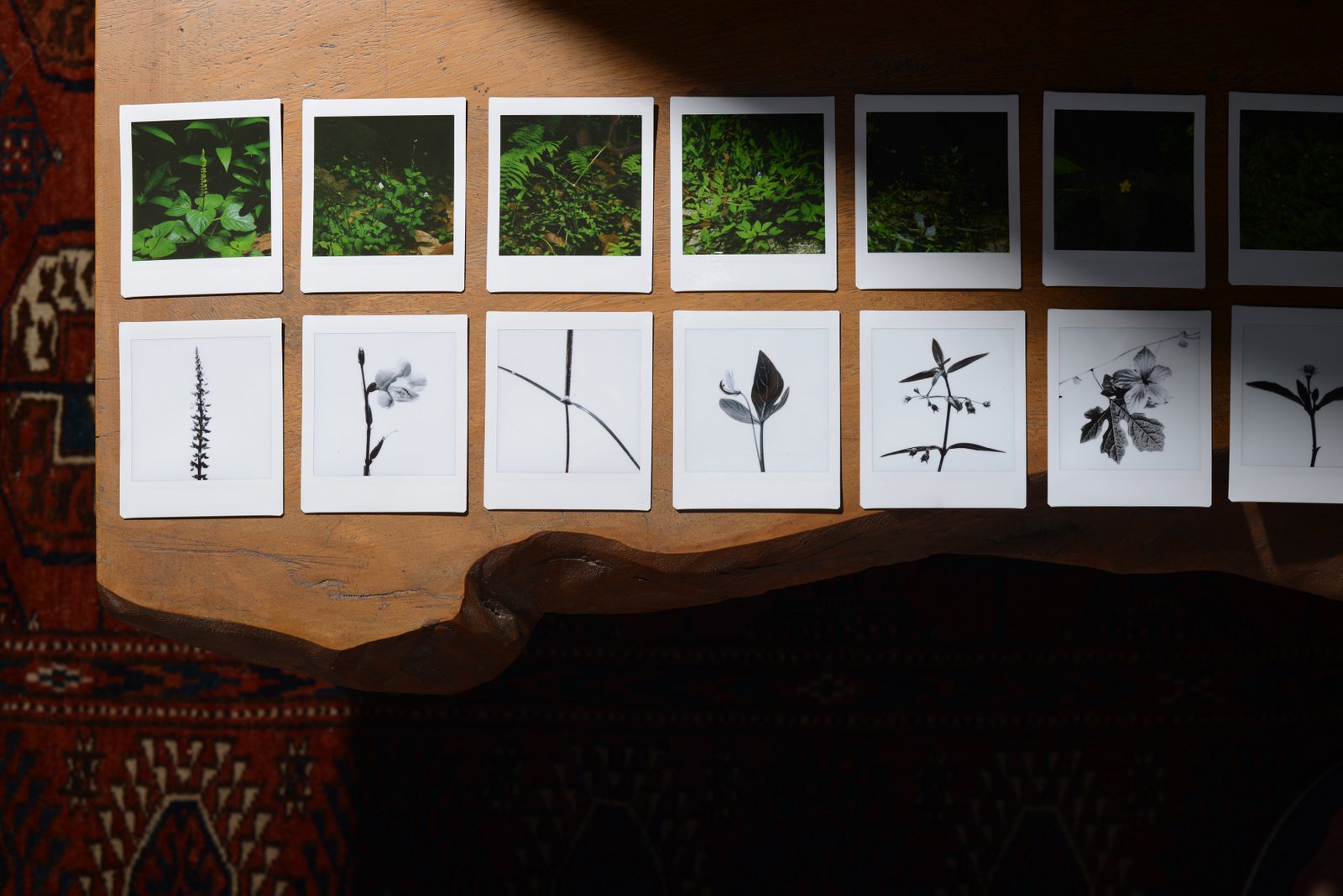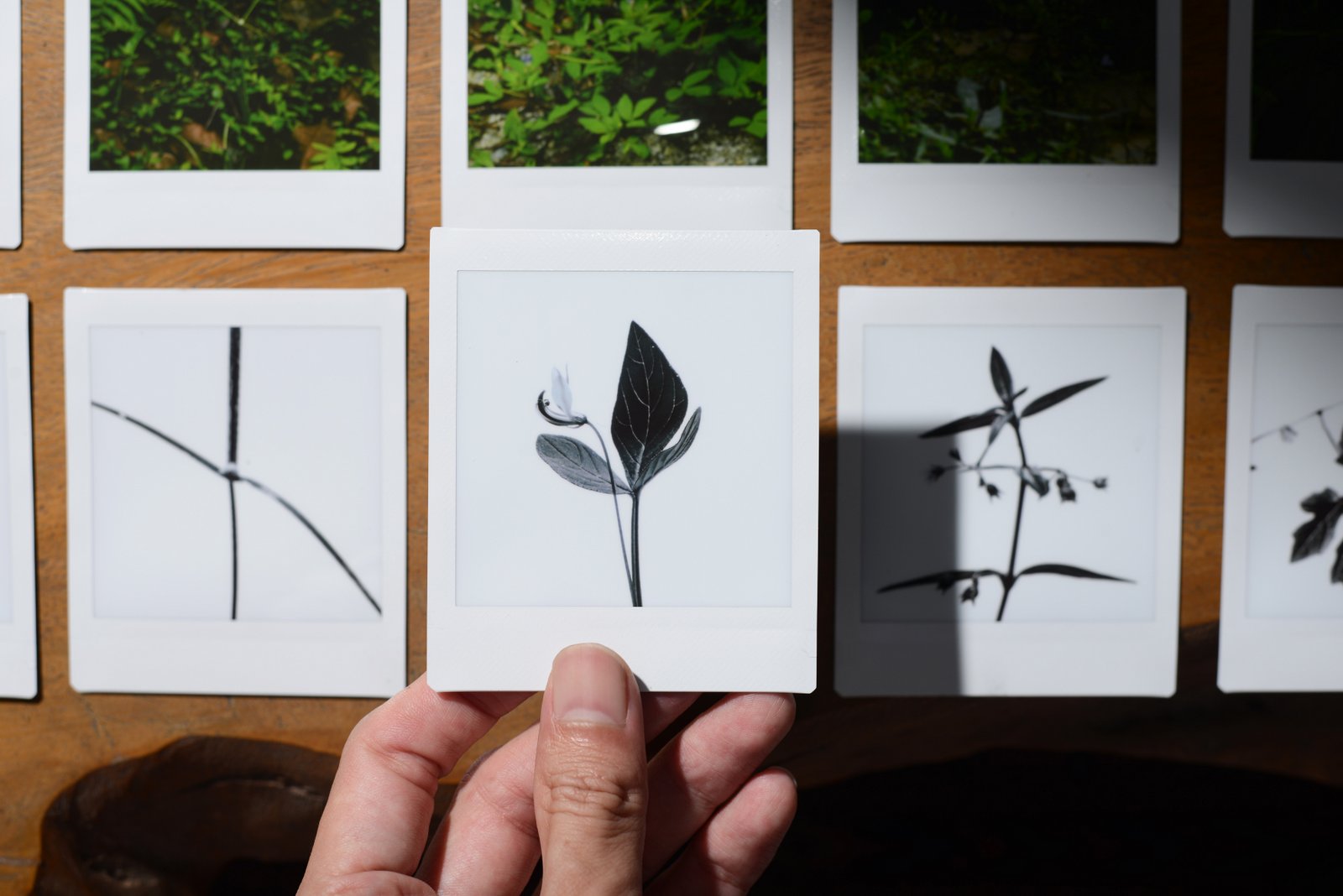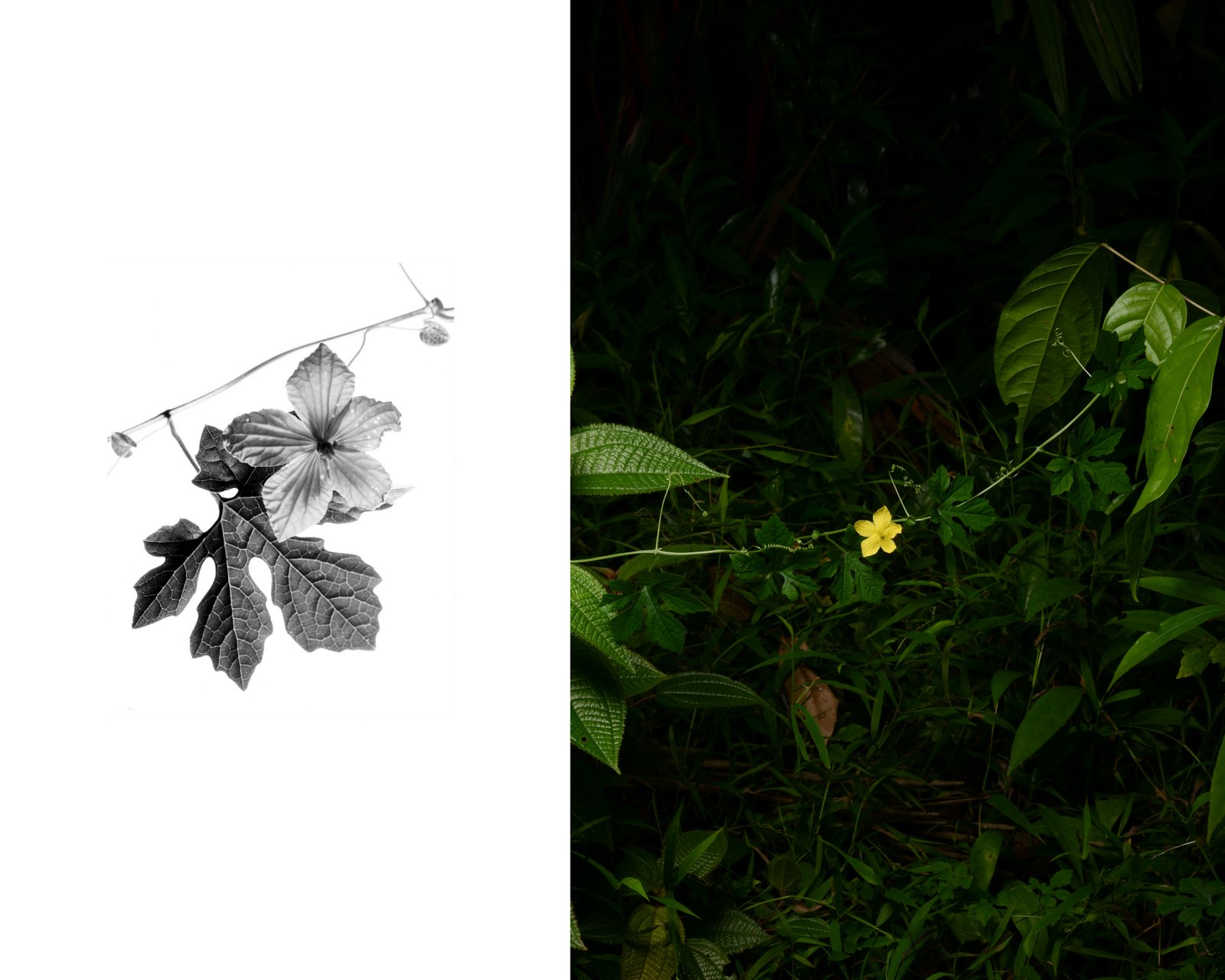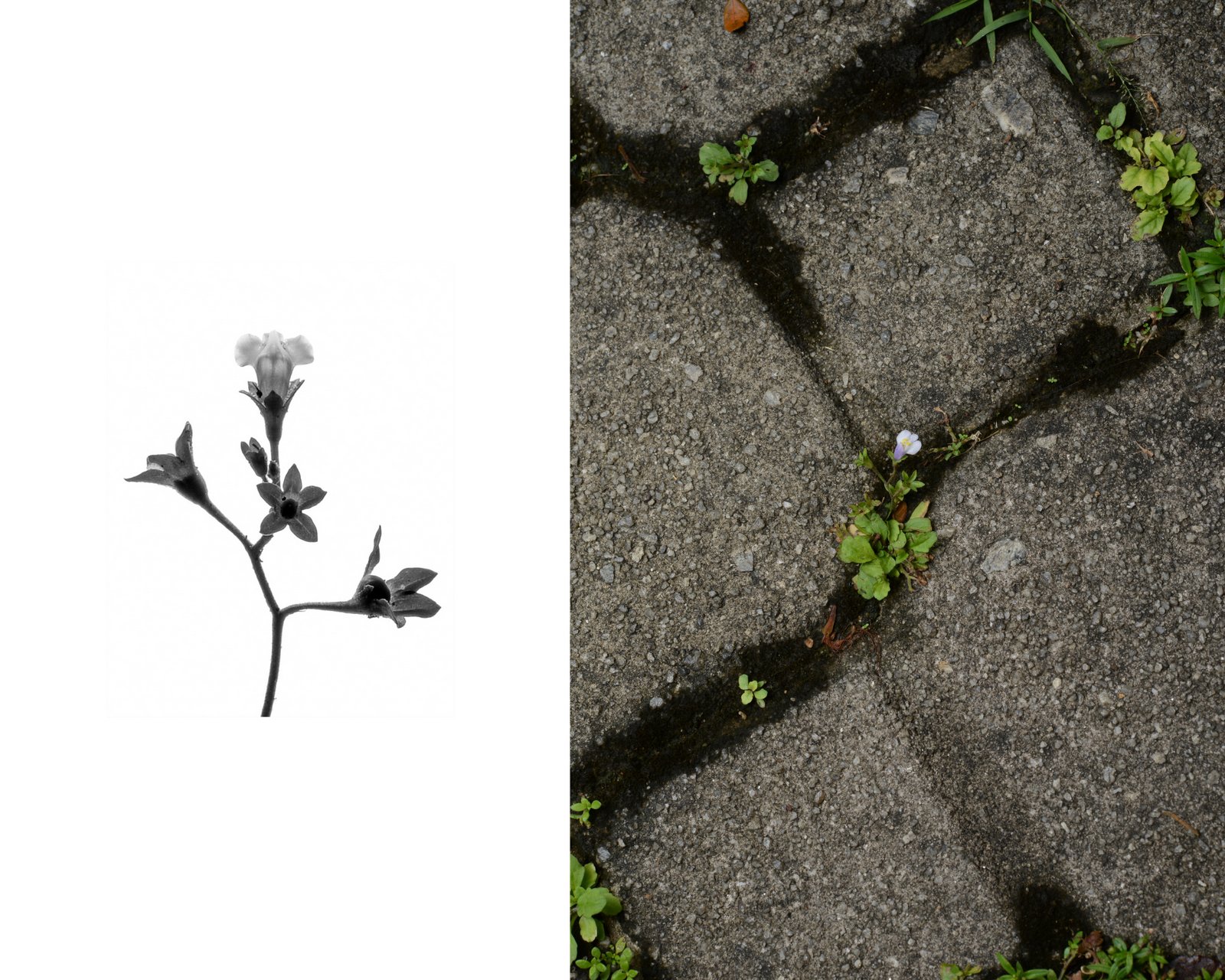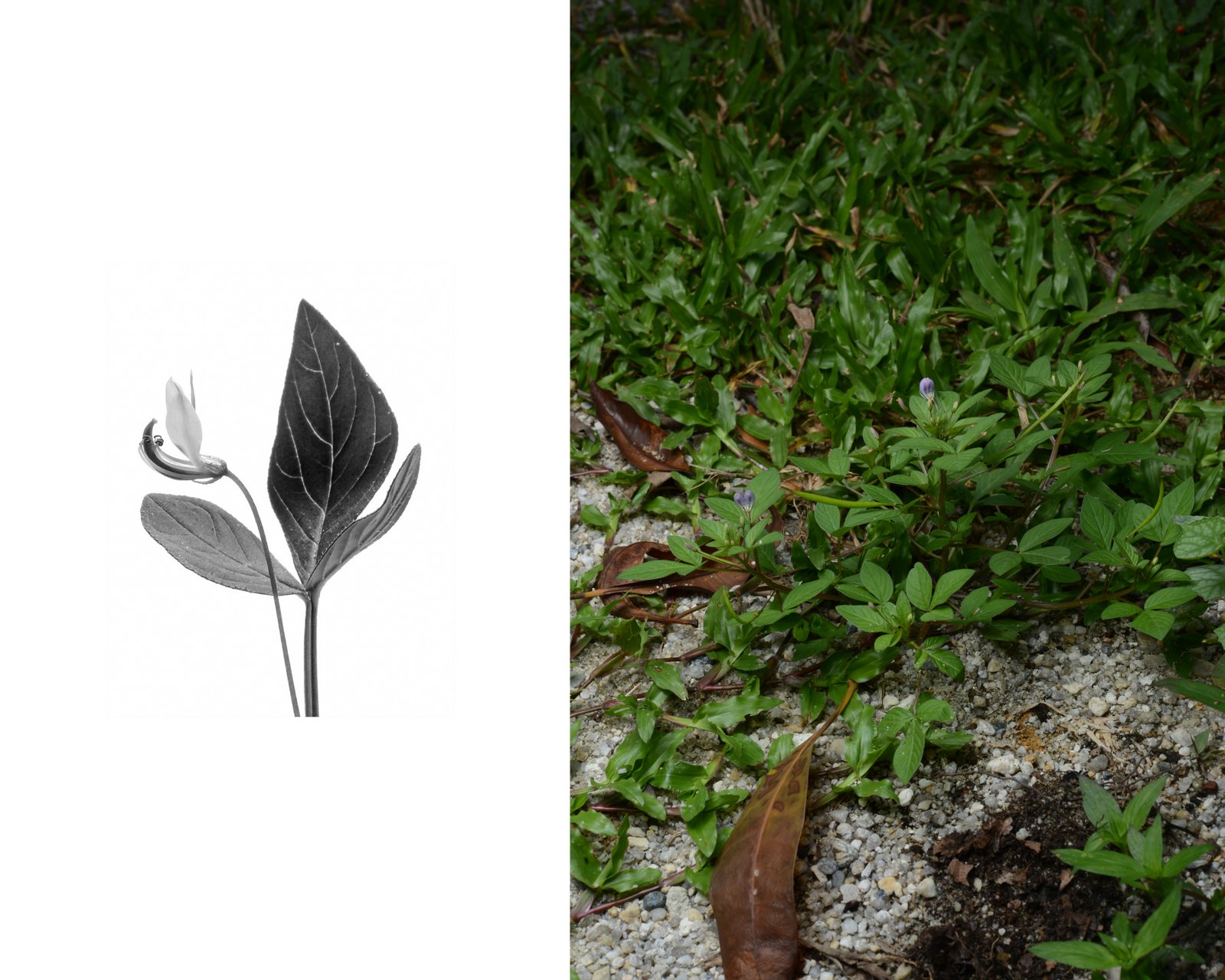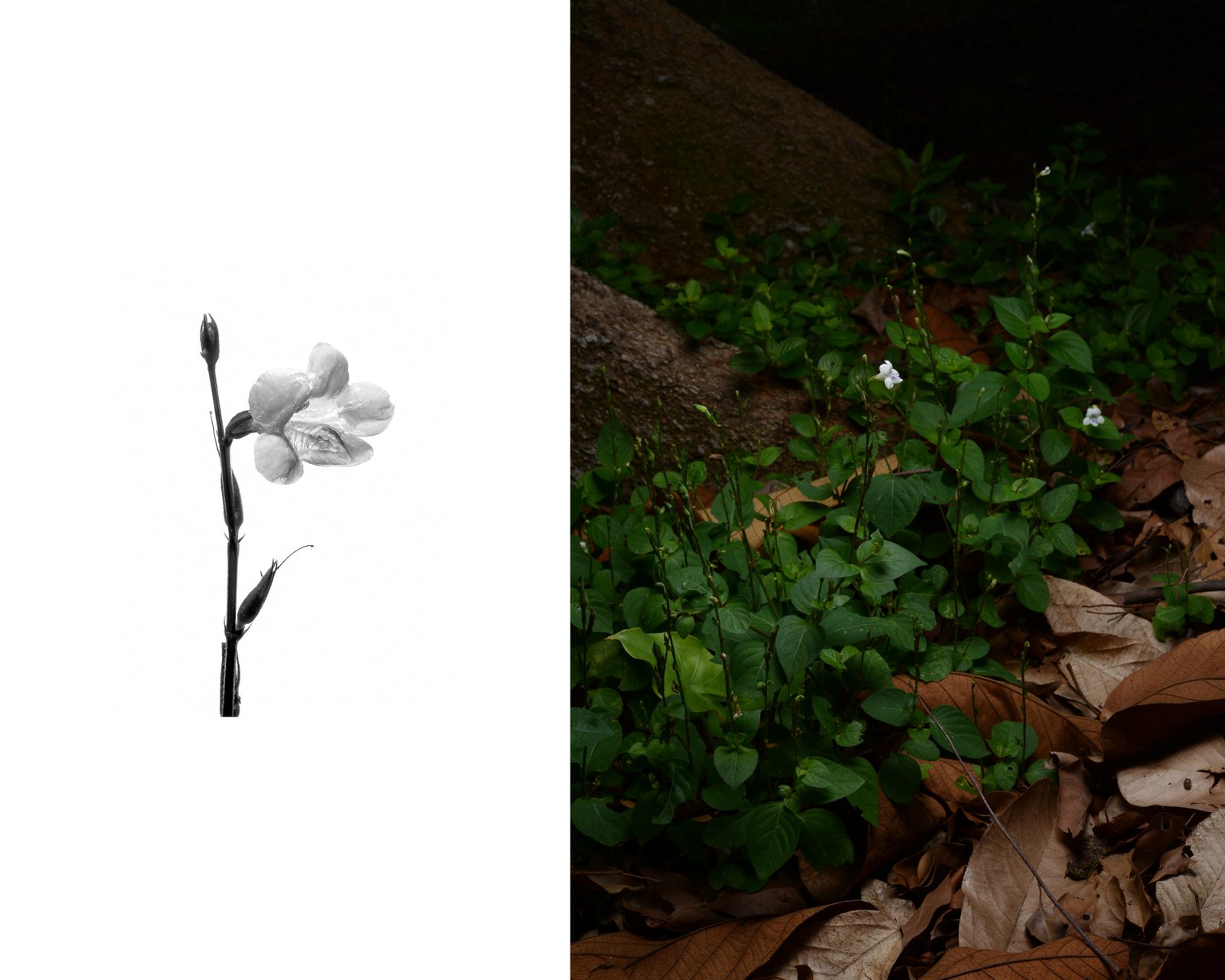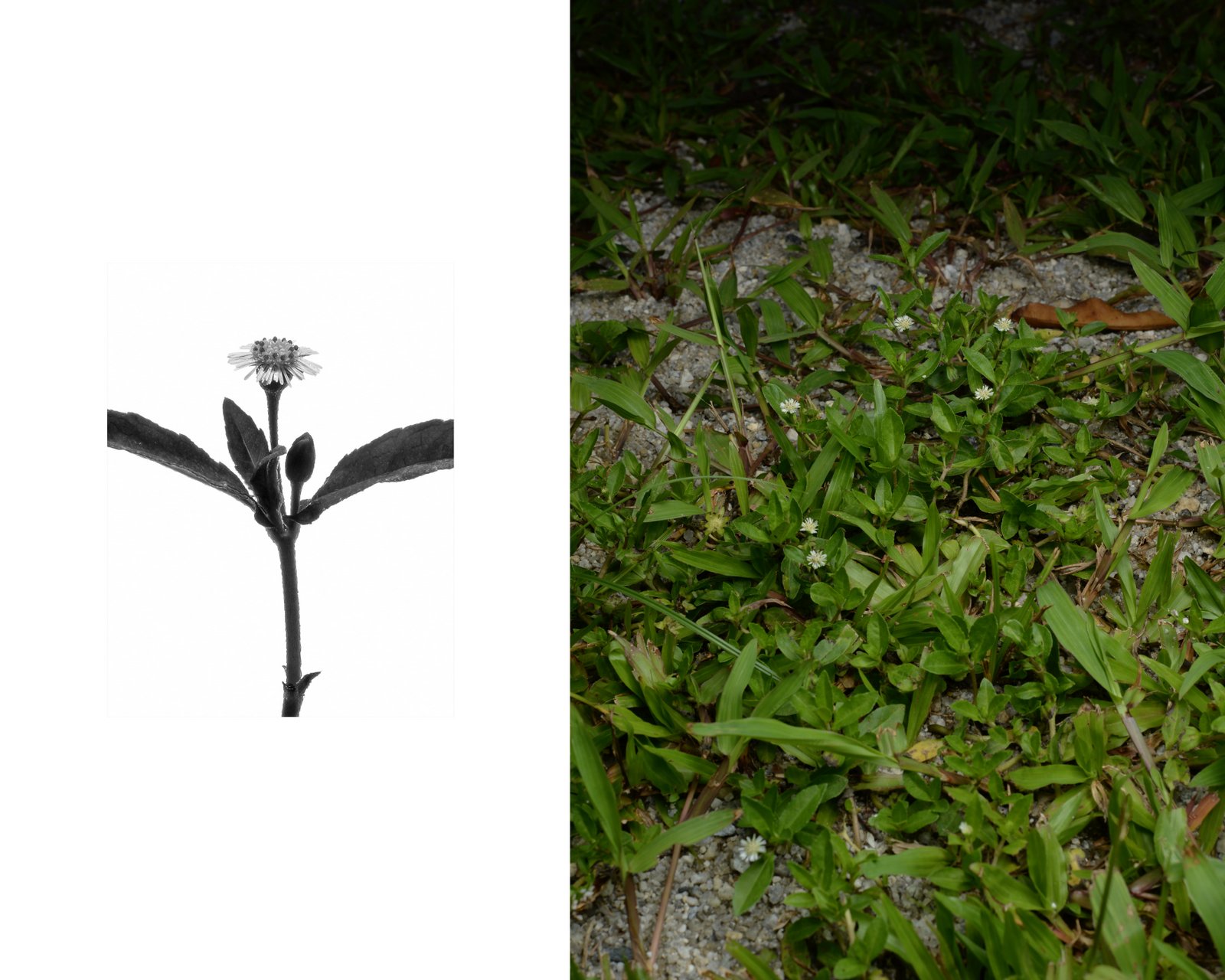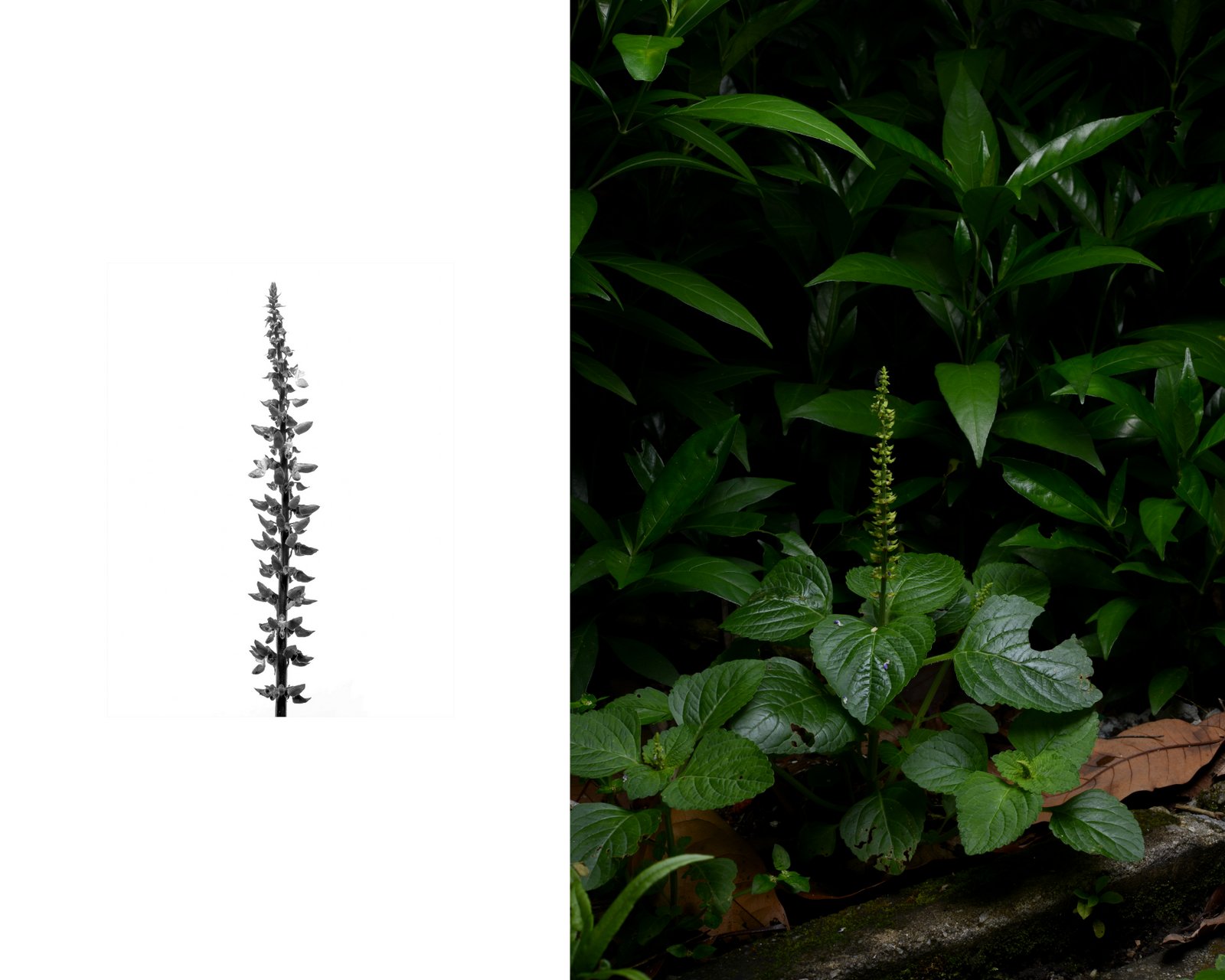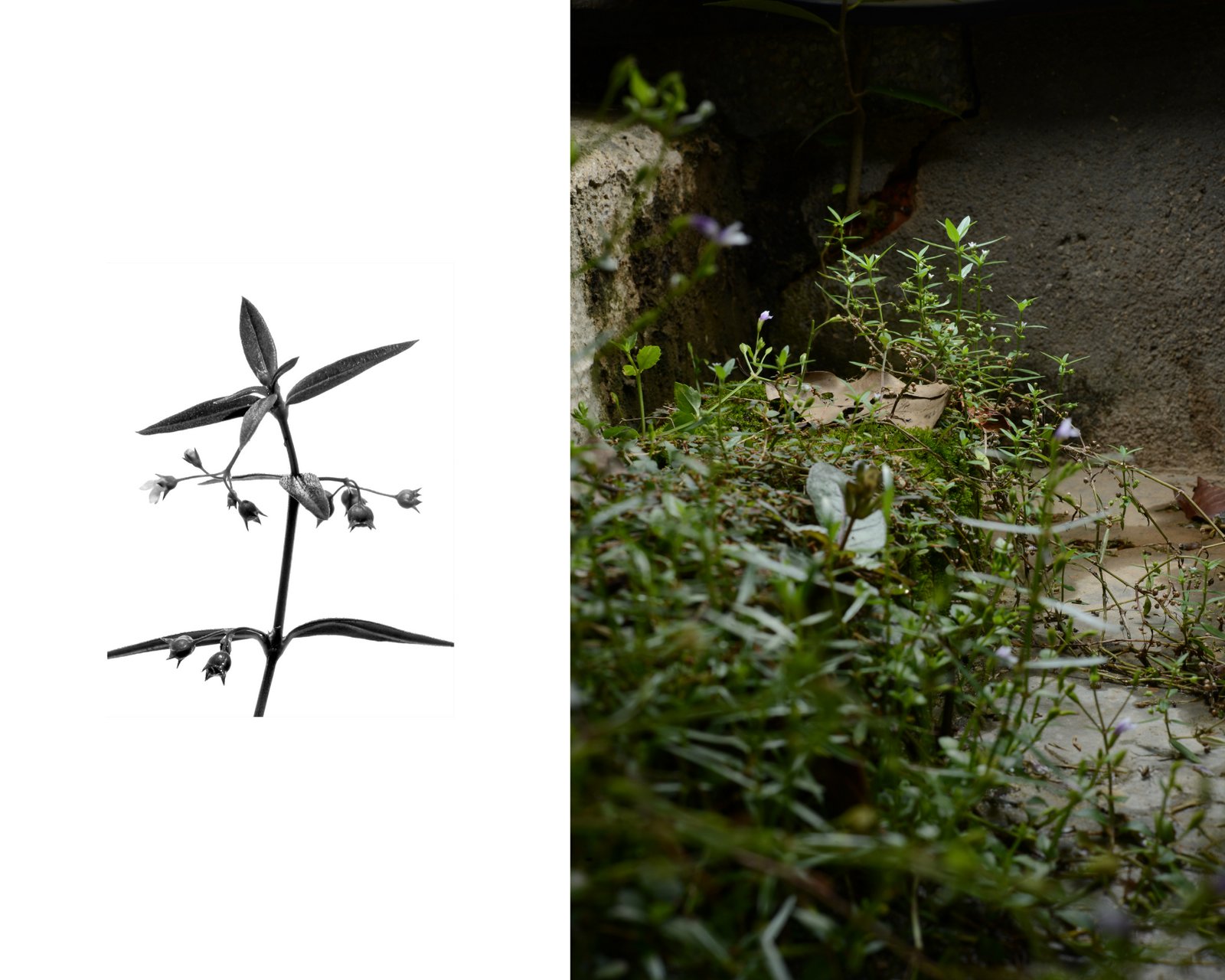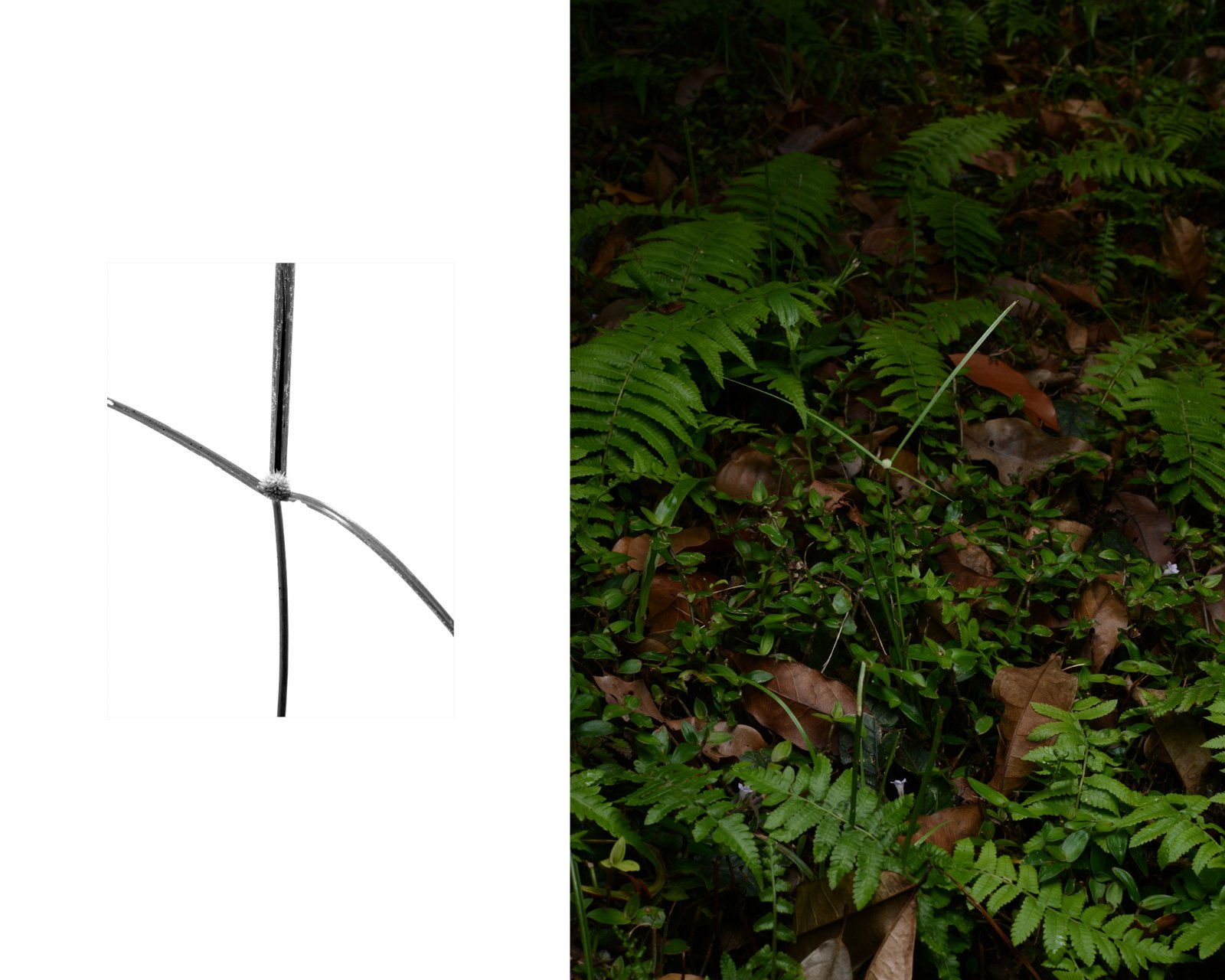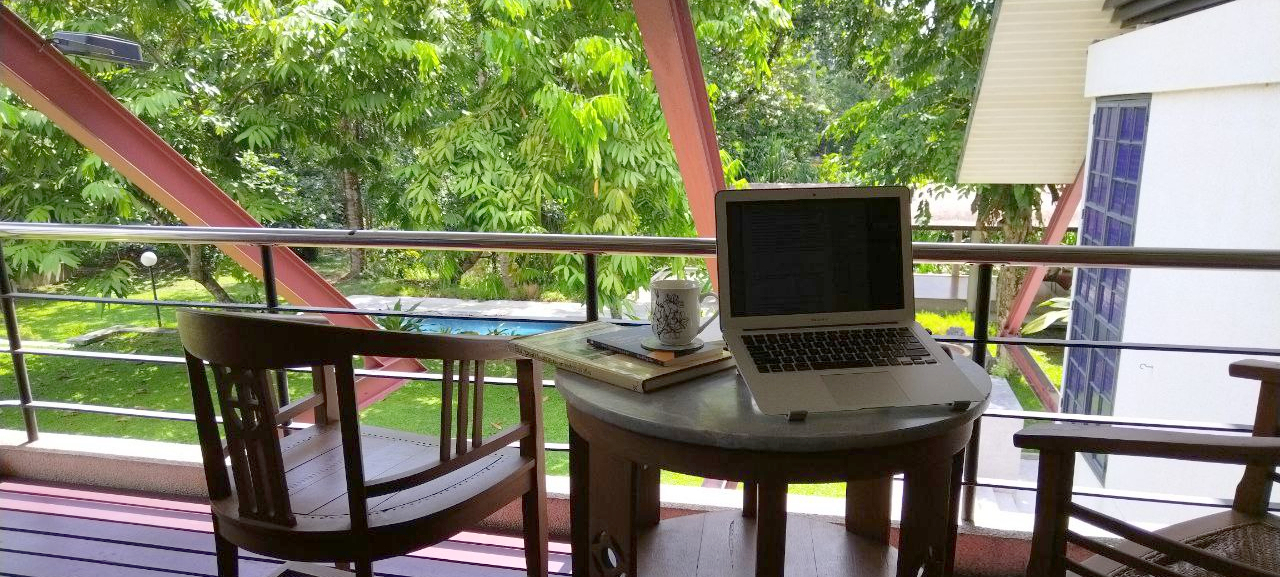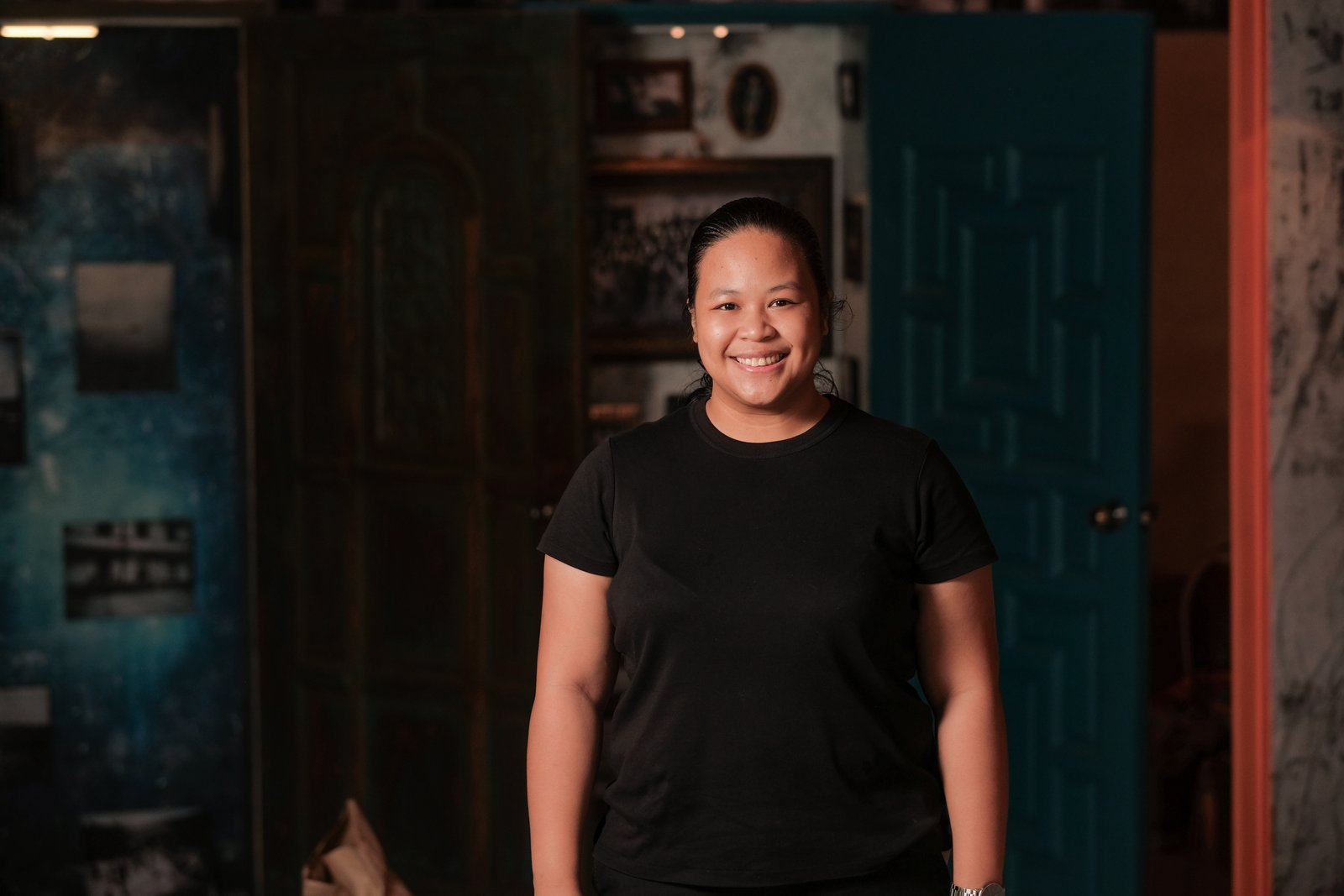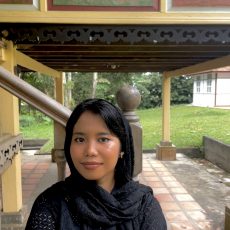
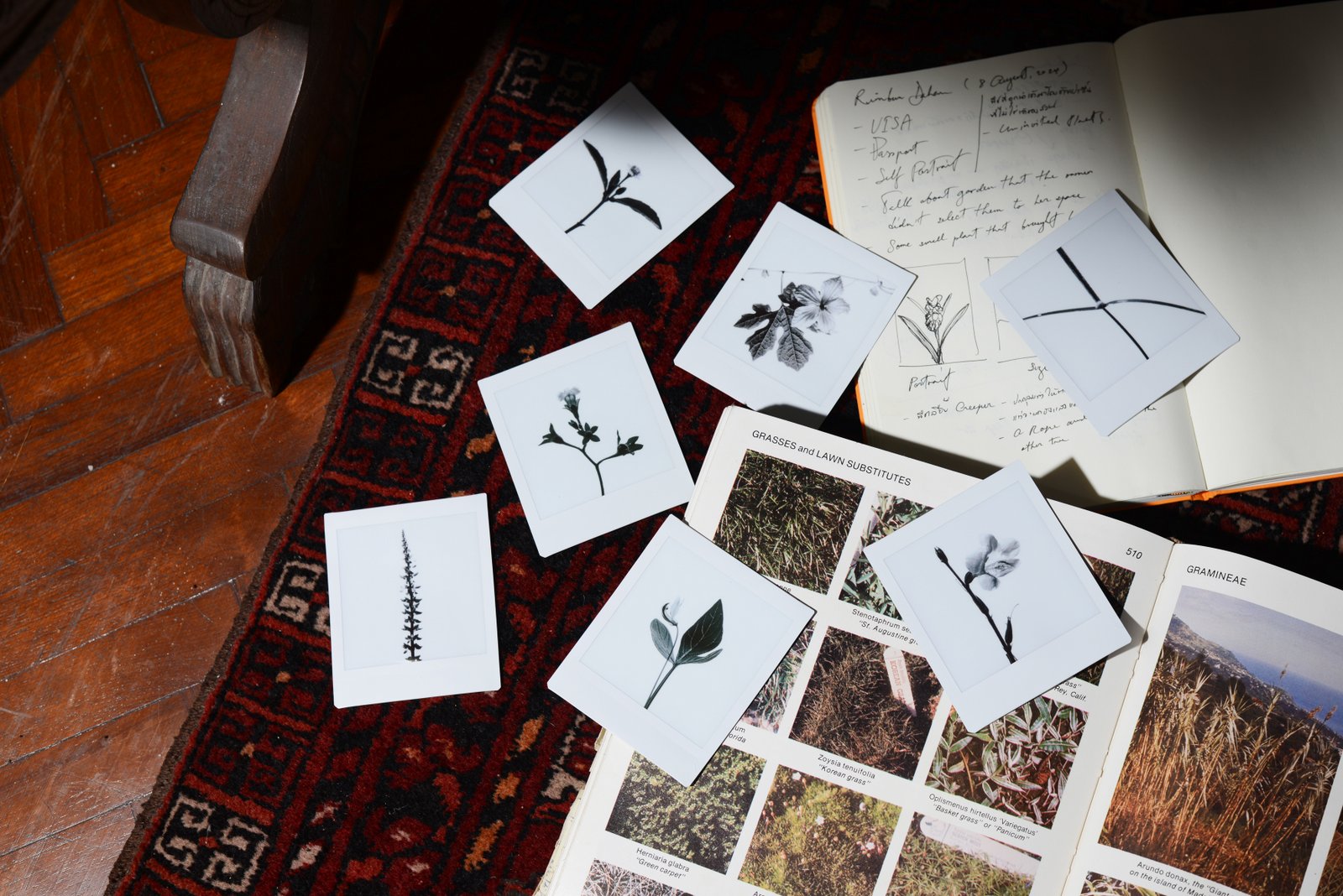
Malaysian writer Lim Wan Phing is in residence at Rimbun Dahan for 3 months from July to September 2024.
About the Author
Wan Phing Lim was born to Malaysian parents in 1986 in Butterworth, Penang. She lives in Penang and is the fiction editor of NutMag zine. Her first short story collection ‘Two Figures in a Car’ was published by Penguin SEA in 2021. Her second collection, ‘Adorable’ is forthcoming in 2025.
About the Residency
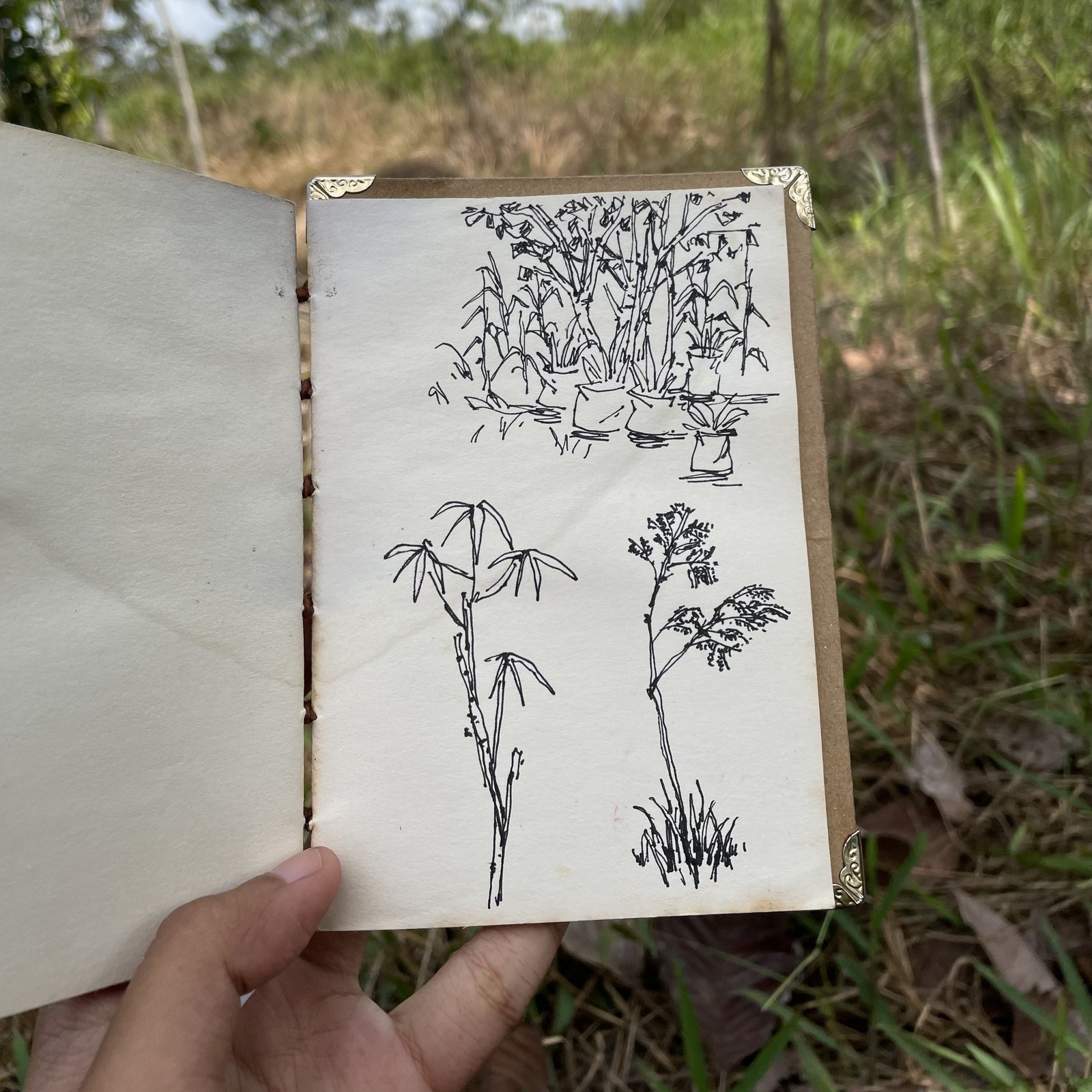
Wan Phing is working on her third short story collection. The plong trees found in Rimbun Dahan have inspired her first piece, entitled ‘Spirit of the Plong’. It has been completed, workshopped and submitted to speculative fiction magazines online. Her current work-in-progress is another short story, tentatively titled ‘Paris’, inspired by the moulded and woven sculptures created by Kristi Chen, a recent resident artist, from Canada.
4-5:30pm in the Dance Studio at Rimbun Dahan, Sunday 25 August 2024
Engage with the senses as you participate in short, guided writing exercises, inspired by the nature and architecture of Rimbun Dahan. Describe sights, sounds, smells, touch and taste using clear, vivid and imaginative prose as we find inspiration in our immediate surroundings. Wan Phing will read from her own current works created at Rimbun Dahan.
Bring your own pen, notebook, or write on your phone or tablet. Pen and paper will be provided just in case. Free entry, just show up, no need to register.
Faye Abantao, a visual artist from Bacolod, Philippines, joined us for a two-month residency at Rimbun Dahan from May to June 2024.
About the Residency
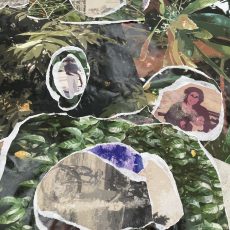
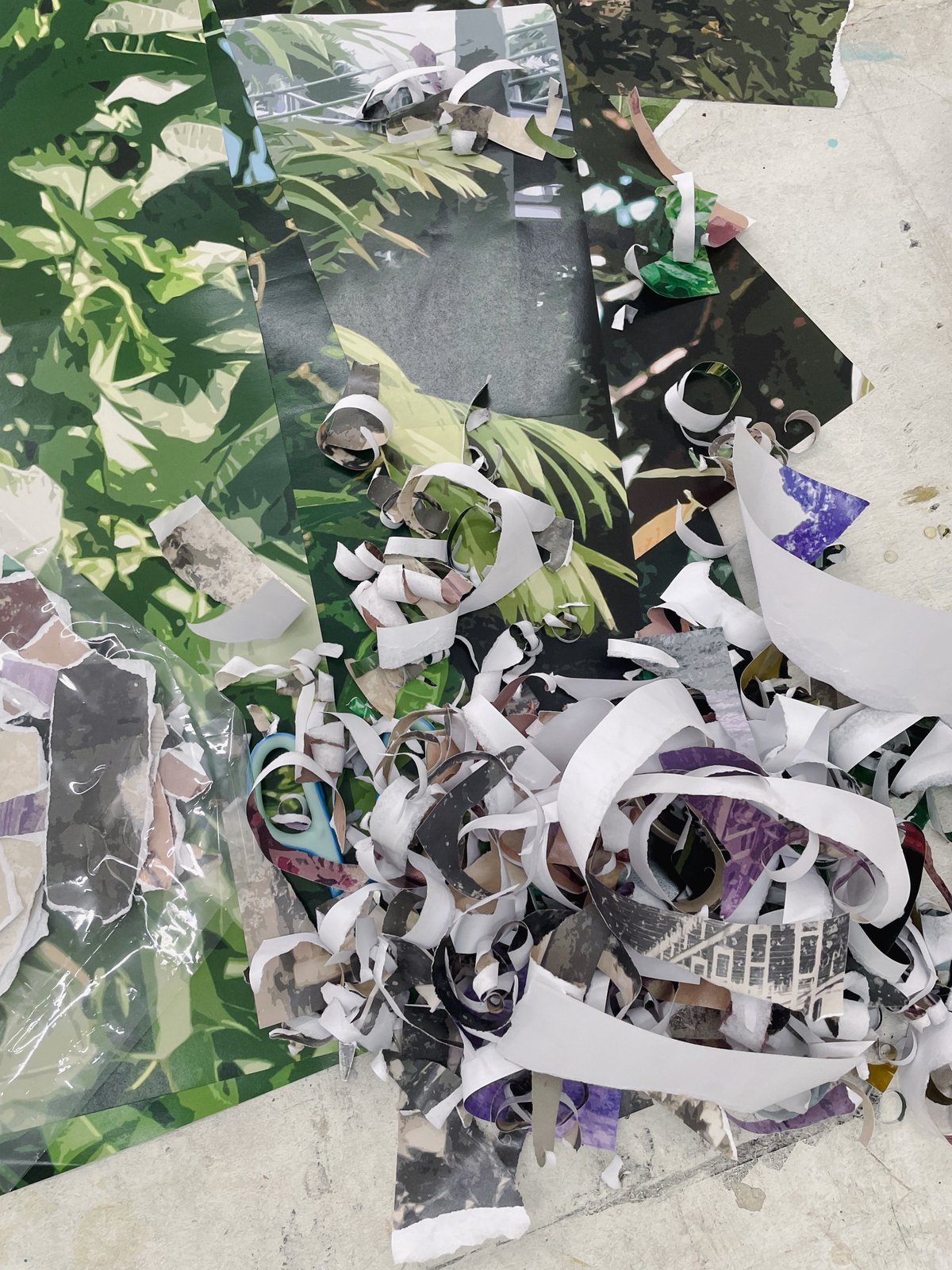
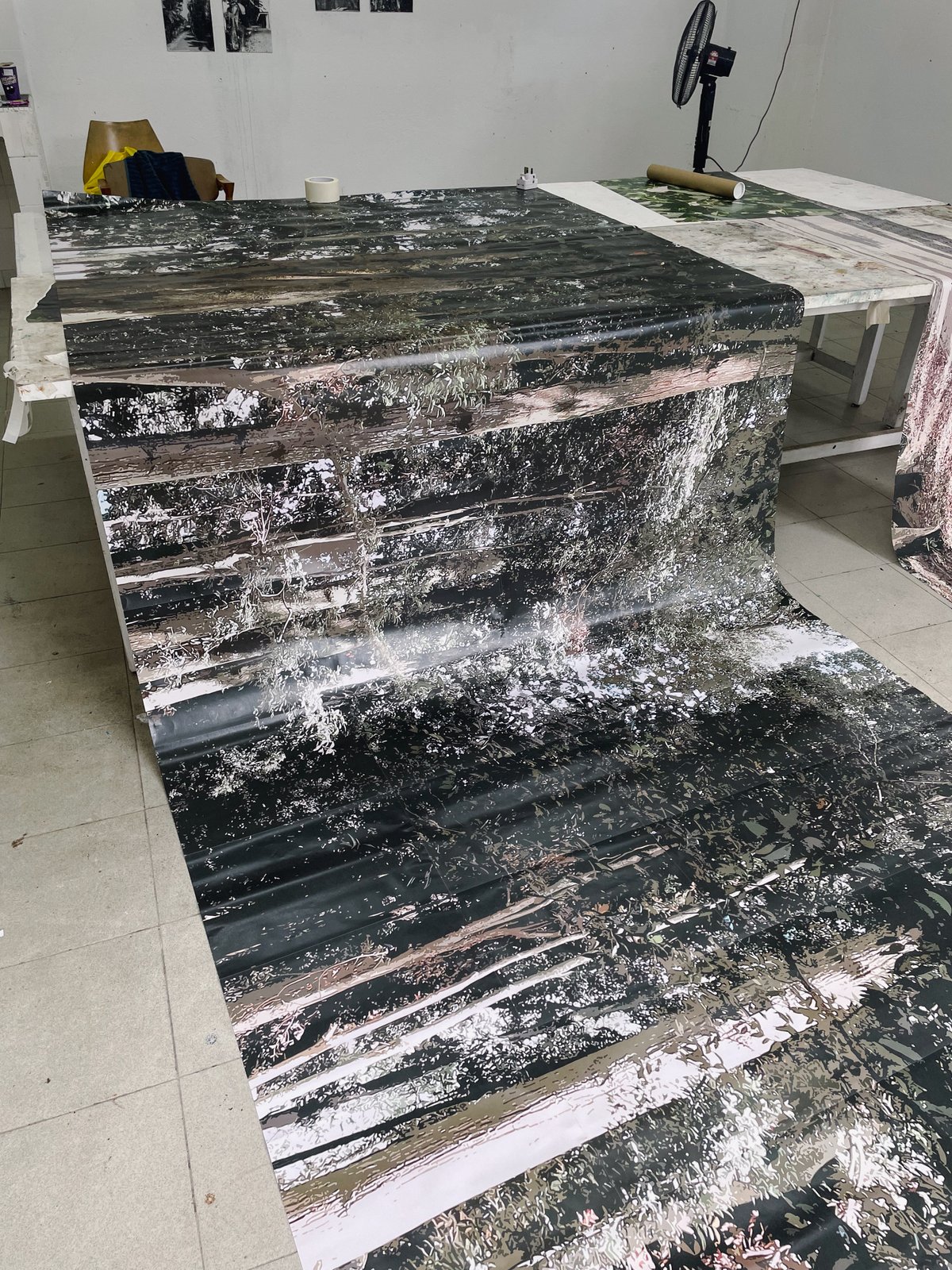
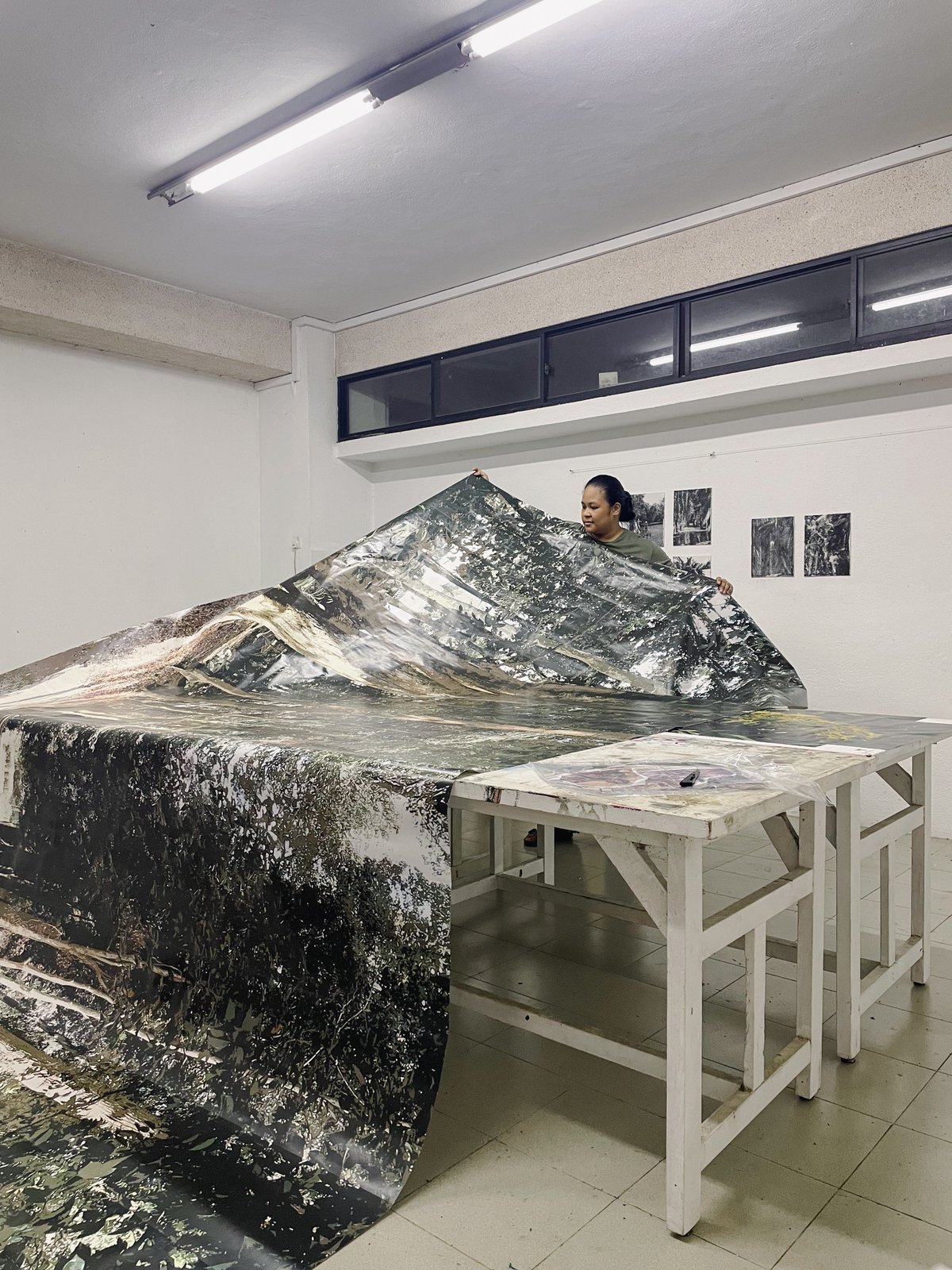
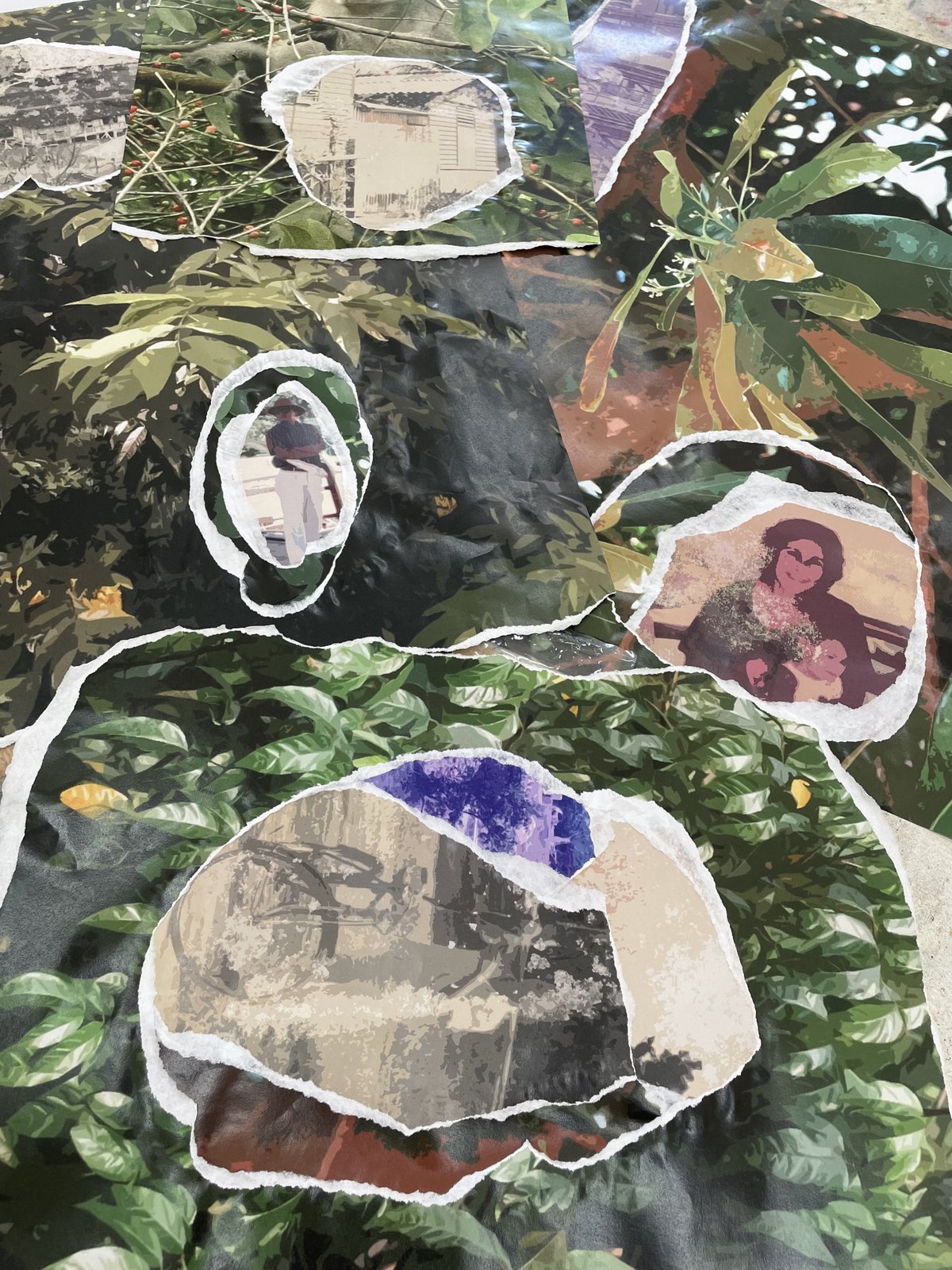
During her time with us, Faye explored various printmaking techniques and advanced her project, Withering Memories. This ongoing series, which she began in 2020, evolves into its third installation titled What Becomes of Memories if There’s No One Around to Remember Them? This collage-based, wall-bound mural talks about the ephemeral nature of memory and the existential query surrounding its legacy in the absence of witness.
A combination of various medium—photographs, tearing and the use of paper as a material—each representing a different aspect of memory. The photographs depict fleeting moments of joy and mundane routine, now suspended in time. Tearing conveys intimate thoughts and unspoken words, slowly blurring into oblivion. These layers peel off eventually, leading us to reveal different memories, the vulnerabilities and our intricacies. Paper, with its worn texture, symbolizes the decay and erosion of physical remnants over time.
It raises a question: Do memories have any meaning beyond the minds that contain them? And if a recollection is an individual’s own story or narrative, a subjective perception of reality, what becomes of it when the person who told the story is no longer there to tell it? Memory in the real sense refers to human collective memory and experiences—our histories, cultures, and societies. Without preservation and transmission these too would be lost into nothingness.
It is a challenge to consider how we choose to preserve our memories and the stories we leave behind. In an age where digital archives are vast yet volatile, the permanence of memory becomes even more uncertain. The interplay of traditional and modern underscores this tension, prompting reflections on how future generations will access and interpret the past.
About The Artist
Faye Abantao (b. 1994) is a visual artist from Bacolod City, Philippines. She captures an essence of culmination in her multifaceted art practice. She makes homogenous the panache of creative impulses such as origami, print, digital art, photography, collage and painting.
The focus of her artistry is weaving in stories from the used books and archive of photographs that she uses into the diorama presented through her work. It visually represents herself with profiles and portraits of the human condition. It imitates life through the impact of culture and experiences to individuals. Her art establishes a link between the collection and deconstruction of altered digital images that presents a realm of memory and experience. These images have been noted for their distinct aesthetics and use of monochrome, which are common threads throughout her work. Whether depicting a personal experience, a portrait, or solitude in a peculiar context, they stand apart.
Writer and editor William Tham joined us from Petaling Jaya for a two-month residency from May to June 2024.
About the Residency
William has written novels, short stories, and creative nonfiction, and is particularly drawn to topics rooted in the twentieth century. His writing project at Rimbun Dahan centres around the 1927 visit by Rabindranath Tagore to Southeast Asia, engaging with questions of translation, interpretation, and politics in a time of change. Its epistolary structure is particularly inspired by Zhang Ruihe’s short story “Driving North” (2023) in The Second Link: An Anthology of Malaysian and Singaporean Writing, which engages with similar themes.
Tagore, despite being better known for his poetry and fiction, was also a philosopher who engaged deeply with key questions of a nascent modernity. Having navigated the nineteenth to the twentieth centuries in British-ruled India, where anticolonial foment would take the form of nationalism, he deeply pondered ideas of nation and tradition, modernity and spirituality—ideas which are addressed here. William’s work approaches Tagore by interrogating the act of translation, and in the process, what also emerges is a story about the aspirations and imaginaries of Tagore’s contemporaries: the peoples of Malaya/Nanyang/Tanah Melayu and their imagined nation-to-come—as well as the unease associated with these rapid political changes.
About the Writer
William Tham is the author and editor of several books, as well as an editor-at-large for Wasafiri. His writings have appeared in PR&TA, NANG and The Best of World SF: Volume 2, among others. He also co-edited The Second Link: A Malaysia-Singapore Literary Anthology and has an interest in literary and cultural studies.
Sunday 19 May, 7:30pm The Dance Studio at Rimbun Dahan The work-in-progress performance will last about 30 minutes, followed by Q&A and discussion. Free entry, no registration required.
Présenté par Groupe A – Coopérative Culturelle [FBIG] Artistic direction : Pascal Marquilly [FBIG] Sound composition : Rodolphe Collange [FB] Video creation : Nicolas Tourte [FBIG]
Performances of wayang kulit in Kota Bharu, Kelantan Shadow puppets and discordant sounds A mythological tale and childlike smiles
A border in the far North A few soldiers and congested roads A makeshift vehicle
The moucharabiehs at Jahar Palace Set against a backdrop of lace, the play of light glides across the floor Spaces preserved from the furnace
White-hot beaches and sparkling waves Insects sizzle in the sunshine A few temples here and there, the voice of the Muezzin
All around, the forest, impenetrable and imperious A misty green mass, teeming yet fragile A few coloured sparkles
Gaping holes, exploitations Palm groves as far as the eye can see Ribbons of tar smoke
A city bristling with grey towers An amorphous underground panorama Upside down
Humid, dense air Threatening low clouds Electrically charged skies and sudden storms
In Selangor, a haven of peace A few barks and fleeting ghosts A botanical garden and facetious monkeys
The haughty words confine conversations The night defies the darkness Dark silhouettes outline the azure sky
This heat…
————
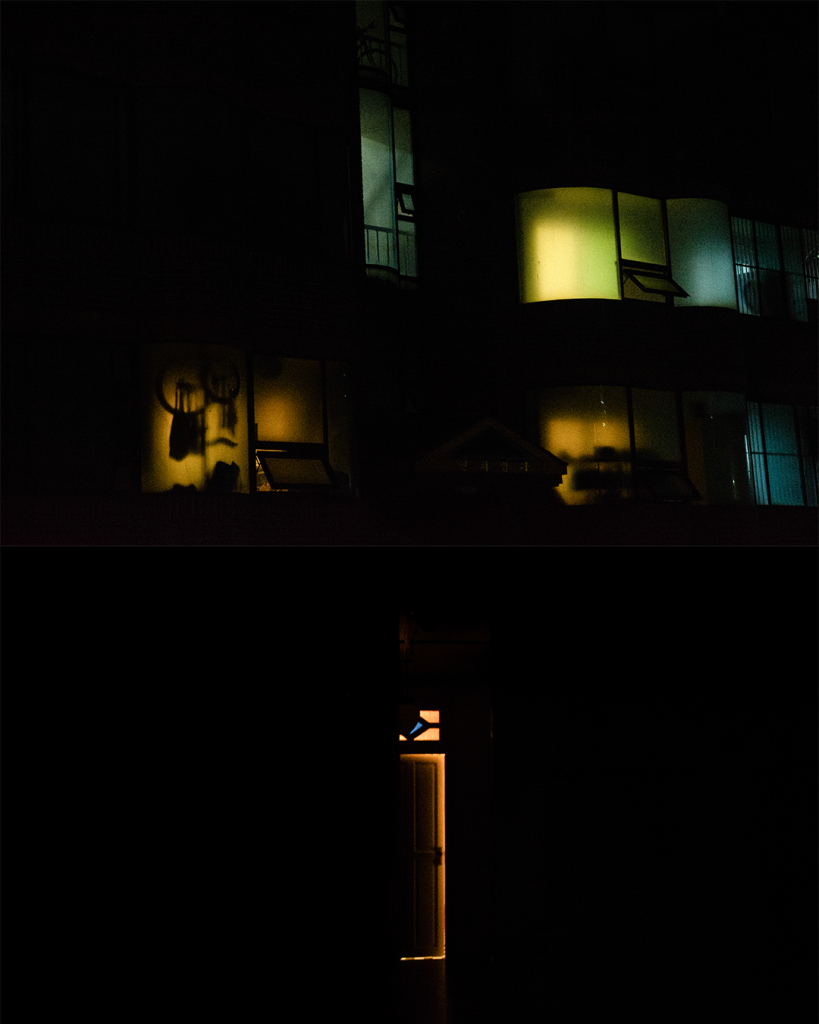
We carried out an initial creative residency in April 2023 at Rimbun Dahan. We have sketched out a mechanical shadow theatre that aims to question our representations of nature. After a month’s work, we’re adding to it with new research and trial and error. In the night, we no longer seek the light, but rather the darkness.
Puisqu’on regarde les étoiles c’est qu’elles sont à quelqu’un nécessaires…
Direction artistique : Pascal Marquilly [FBIG] Composition sonore : Rodolphe Collange [FB] Création vidéographique : Nicolas Tourte [FBIG]
————
Des représentations de Wayang Kulit à Kota Bharu, dans le Kelantan Des marionnettes d’ombres et des sonorités discordantes Un récit mythologique et des sourires enfantins
Une frontière à l’extrême Nord Quelques militaires et des routes encombrées Un véhicule de fortune
Les moucharabiehs du Jahar Palace Dans un écrin de dentelles des jeux de lumière glissent sur le plancher Des espaces préservés de la fournaise
Des plages chauffées à blanc et les vagues scintillent Des insectes grésillent sous le soleil Quelques temples ci et là, la voix du Muezzin
Tout autour la forêt, impénétrable et impérieuse Une masse verte brumeuse foisonnante pourtant fragile Quelques éclats colorés scintillent
Des trous béants, des exploitations Des palmeraies à pertes de vues Les rubans de goudrons fument
Une ville hérissé de tours grises Un panorama clandestin amorphe Sens dessus dessous
L’air humide et dense Des nuages bas menaçant Un ciel chargé électrique et des orages soudain
Dans le Selangor, un havre de paix Quelques aboiements et des fantômes fugaces Un jardin botanique et des singes facétieux
Les paroles altières confinent les conversations La nuit défie les ténèbres Des silhouettes sombres dessinent l’azur
Cette chaleur…
————
Nous avons effectué une première résidence de création en avril 2023 au centre d’art Rimbun Dahan. Nous avons esquissé un théâtre d’ombre mécanique, qui a pour ambition de questionner nos représentations de la nature. Nous augmentons celui-ci, après un mois de travail, de nos nouvelles recherches et tâtonnements. Dans la nuit, nous ne cherchons plus la lumière, mais bien à rejoindre l’obscurité.
————
All monochrome works pictured on this page: scalpel cut on 250gr Bristol paper
Malaysian visual artist Syahnan Anuar is undertaking a 2-month residency at Rimbun Dahan in 2024, preparing for his upcoming solo exhibition.
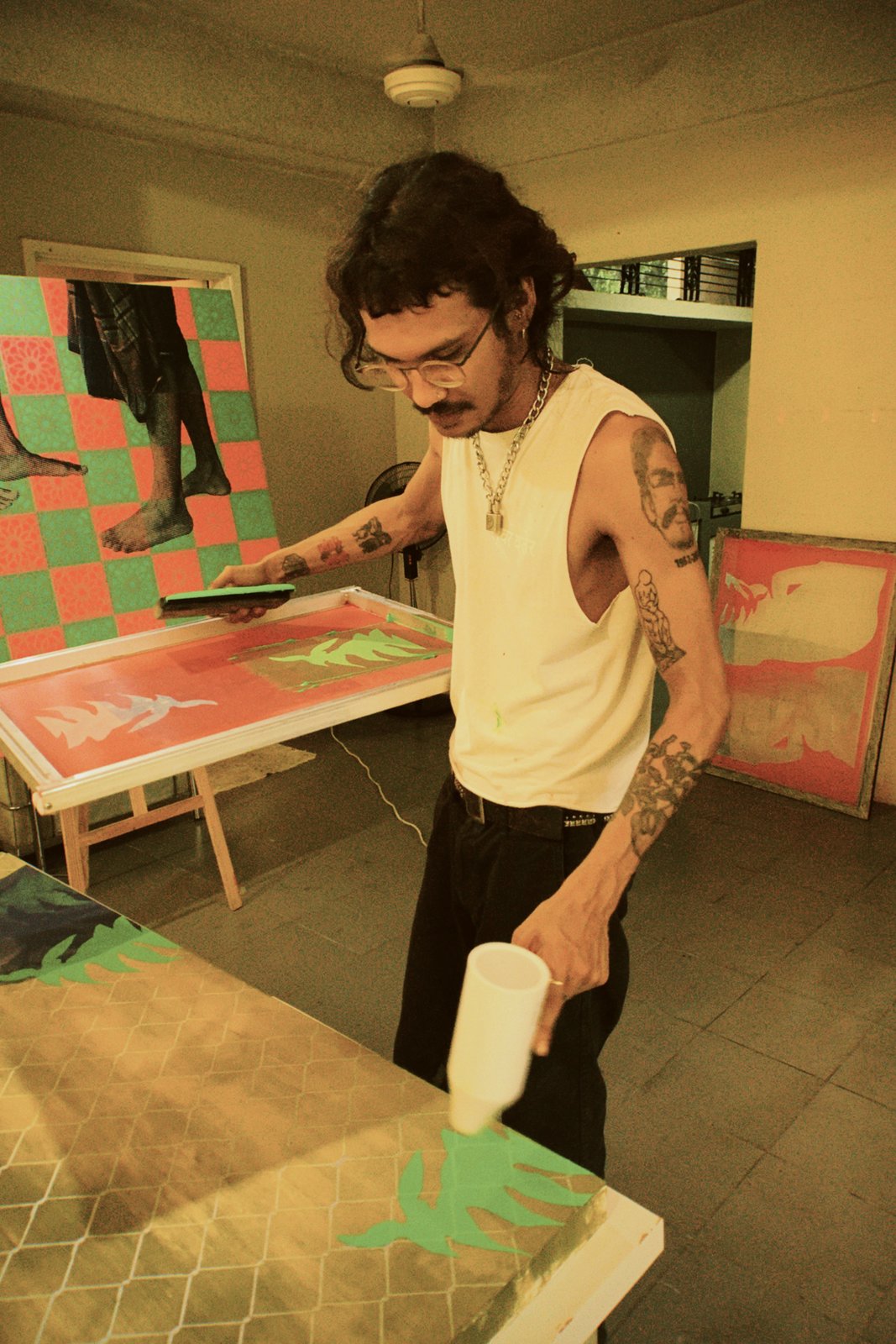
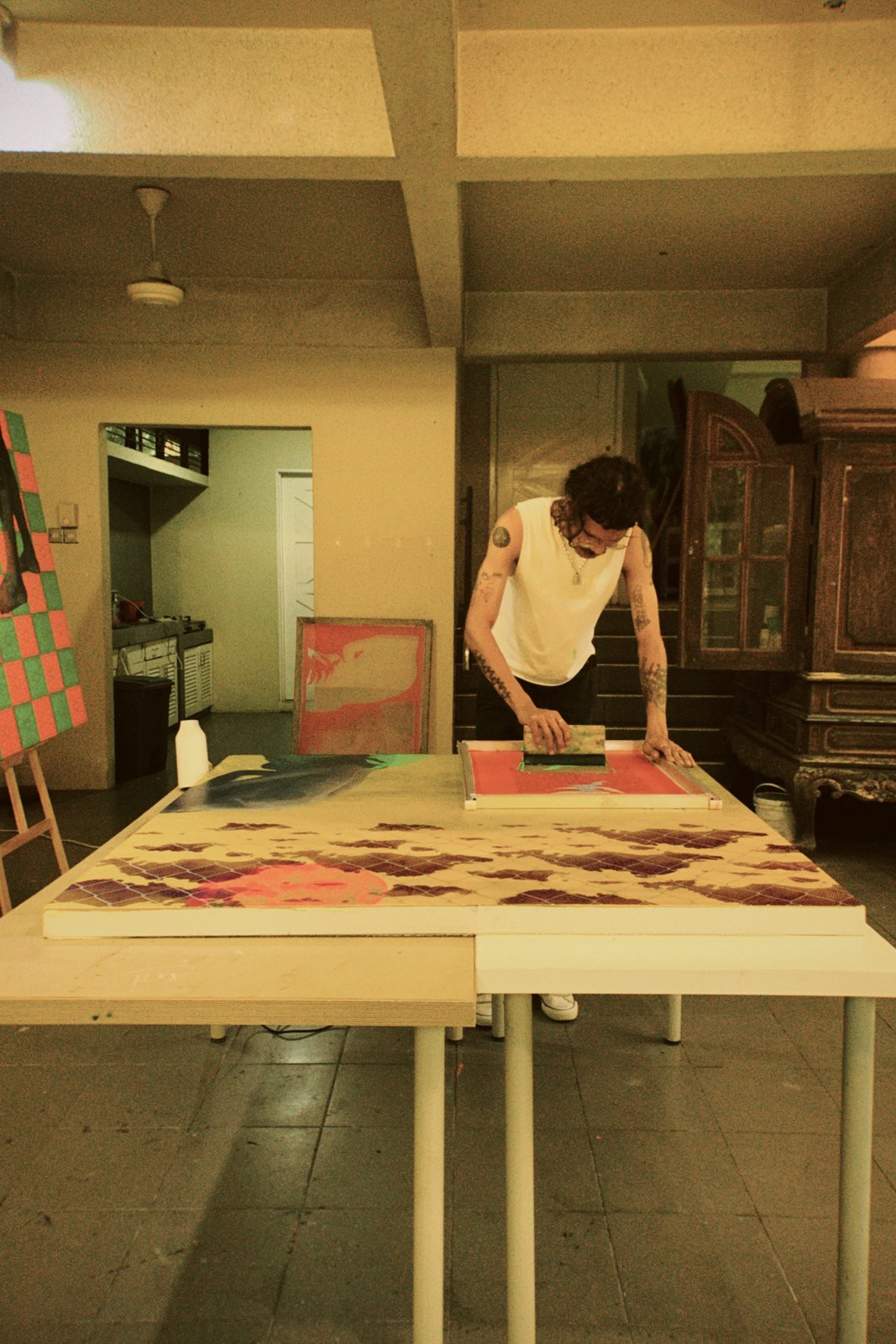
Syahnan Anuar (b. 1992, Kelantan) is a visual artist and founder of Bogus Merchandise. He works primarily in the medium of silkscreen across different surfaces. His works explore the personal and political tensions in his lived experience as a Malay-Muslim male living in 21st- century Malaysia.
He is currently working on his upcoming solo exhibition. You can check his work on Instagram @kerjasanan.
Malaysian contemporary artist Yap Chee Keng has joined us for a 3-month residency from February to April 2024.
About the Artist
Yap Chee Keng was born in Kuala Lumpur, Malaysia. In 2010 and 2013, he obtained an Associate Degree in Interior Architecture and Diploma in Visual Arts from New Era College, Malaysia. He went to Taiwan to study in 2016, where he obtained a Bachelor Degree from Tunghai University, and in 2020, he received a Master Degree from the Fine Arts Department of National Taipei University of the Arts, Taiwan.
Chee Keng’s artworks have won the 2022 Malaysia Young Contemporaries / Bakat Muda Sezaman (Jury Award), 2021 Next Art Tainan Award, 2020 Nanying Award (Western Media: Excellent award), the National Taiwan Museum of Fine Arts (National Art Exhibition) Oil Painting (Category: Silver Medal), and also the National Taipei University of the Arts’ important creation award “Outstanding Art Prize of School of Fine Arts 2020” and many other affirmations.
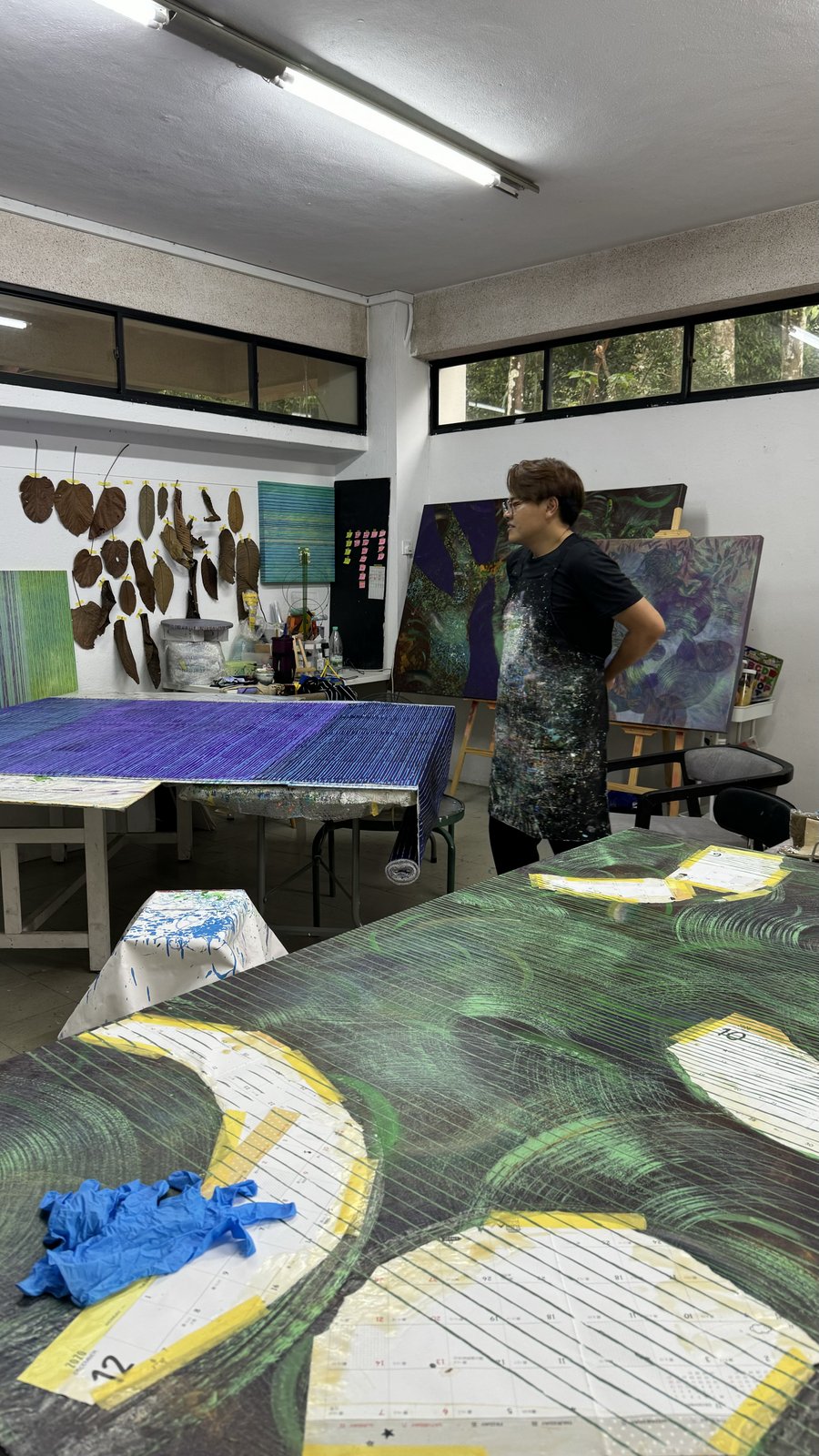
Carpenter’s ink marker is Chee Keng’s creative inspiration, which connects with his childhood and his experience studying interior architecture. Now the line made by the carpenter’s ink marker presents a continuation of his life story on the canvas; they are repeatedly overlapped, stretching endlessly into eternity. The lines are densely or loosely distributed, or they are piled up. Countless colorful lines are piled together, injecting into the painting a sense of time and labor. Through the color combination that symbolizes culture and life, the author tries to create a diverse color space.
“Body Machines: Life’s Rhythm and the Dialogue with Technology”
In this series of work, Chee Keng use the human body’s repetitive actions to investigate the challenges posed by mechanization and the potential for artificial intelligence (AI) to replace artistic creation. Through bodily performance, he engages in continuous actions and line-making, responding to the relationship between human creativity and mechanized labor in the contemporary technological age.
Chee Keng juxtapose human bodily movements with mechanized repetition, highlighting the similarities and differences between repetitive human labor and AI algorithms. With this comparison, Chee Keng hopes to provoke deep reflection among viewers regarding the impact of technology on traditional artisanal craftsmanship.
Additionally, the exhibition is inspired by elements of nature. Chee Keng has drawn inspiration from the life cycles and changes in the natural world, connecting the falling of leaves to the concept of life’s end. Similar to how leaves grow, wither, and regenerate throughout the year, the exhibition portrays the continuous cycles and resilience of life. This natural phenomenon serves as a reminder of life’s fragility and impermanence, juxtaposed with its enduring qualities.
The fusion of painting and natural elements prompts contemplation on life’s cycles and the passage of time, while also inviting reflection on the significance of human bodies and behaviors in the technological era. Through their artworks, the artists explore the impact of AI on artistic creation and examine the relationship between individual lives and technological advancements in modern society.
[This text was written with the assistance of ChatGPT.]
Nadiyah Suyatna, a comic artist/illustrator from Indonesia, is undertaking a two-month residency at Rimbun Dahan in 2024.
About the Residency
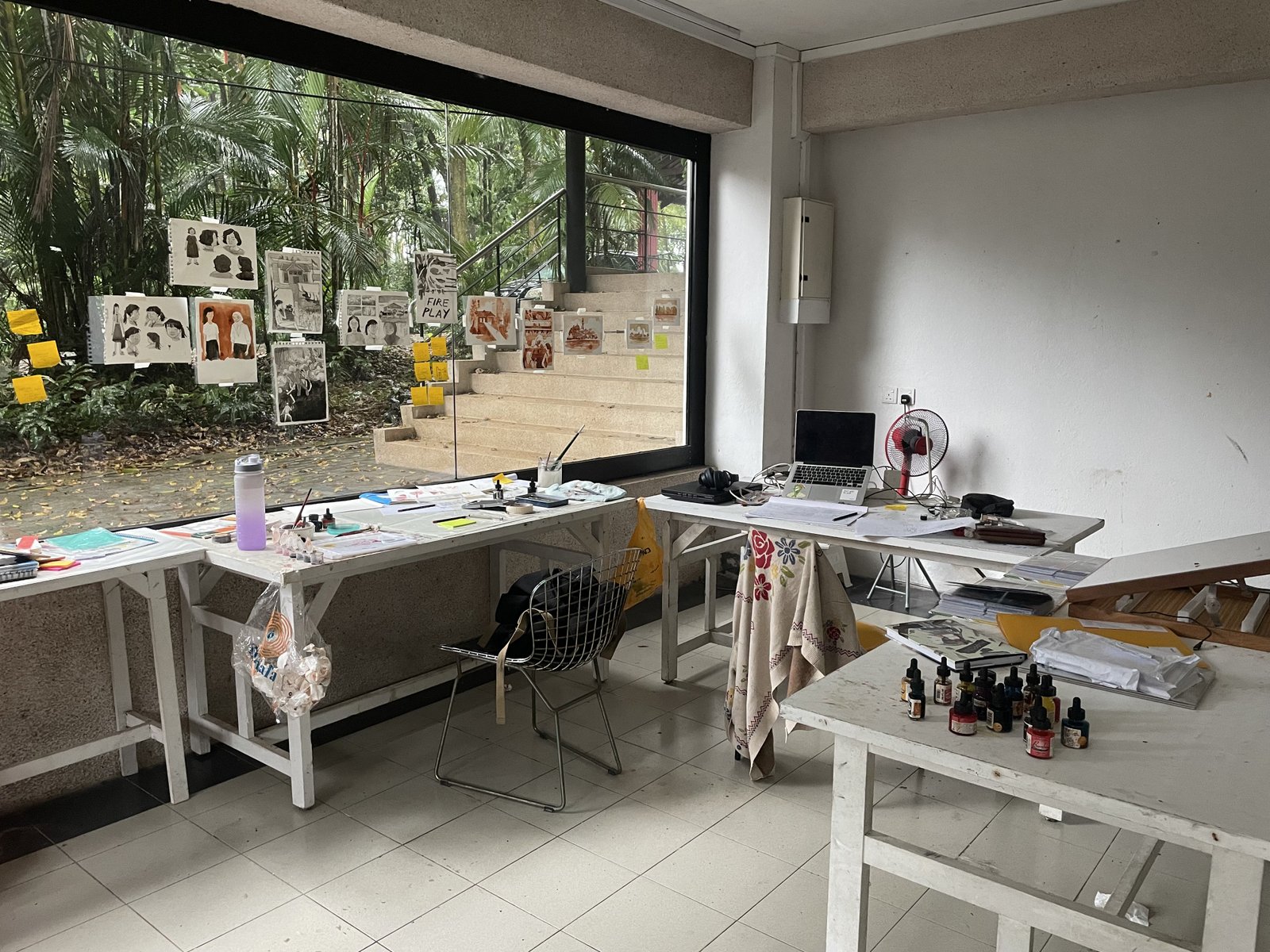
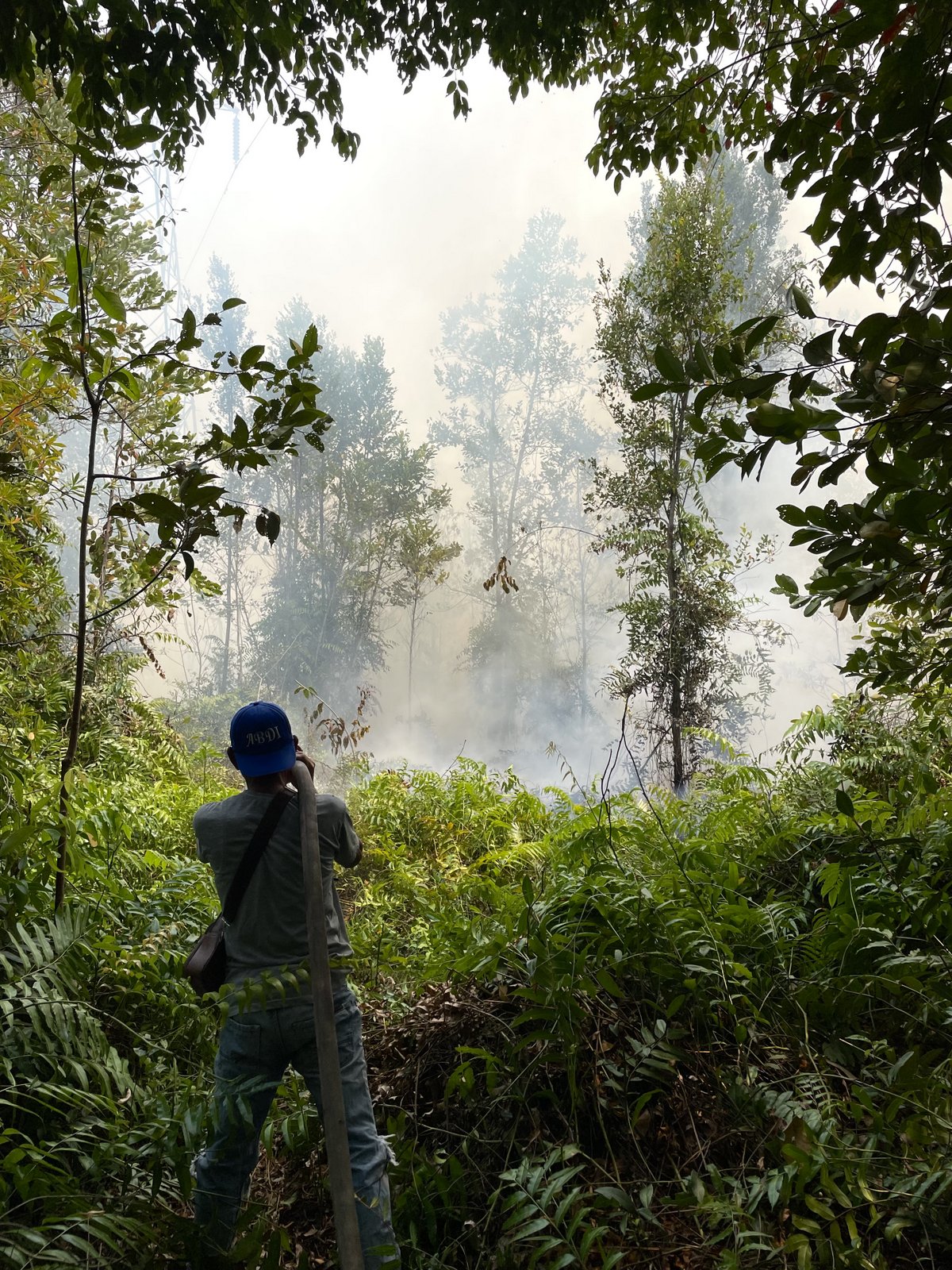
Nadiyah is currently working on Smoldering, a graphic novel about fire governance in Central Kalimantan. The project is co-written with Sofyan Ansori as part of Fire Play research project with funding from KONEKSI (Collaboration for Knowledge, Innovation, and Technology Australia and Indonesia).
Set in Central Kalimantan during the dry season, Smoldering explores the friendship between Elin and Bunga, two high school girls navigating adolescence. Elin, a Dayak girl, aspires to leave her village and pursue her dreams. Conversely, for Bunga, who has recently moved from Bandung, the village is a new home she is trying to make sense of. As the weather gets dryer, Elin and Bunga experience the heat at the fire frontier where ideas, myths, feelings, and practices pertaining to flaming landscape collide and overlap.
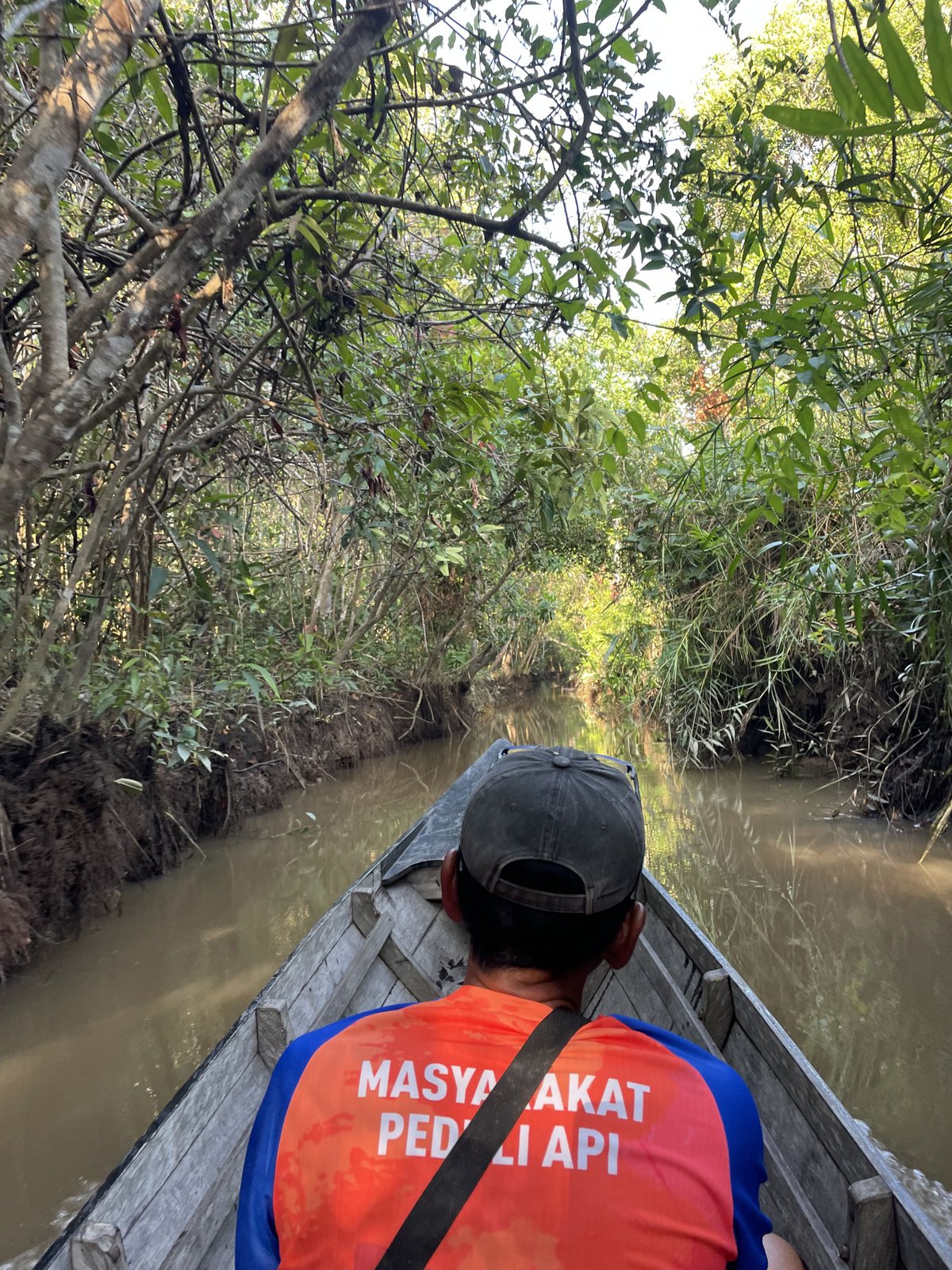
Based on ethnographic research, Smoldering engages with the multifaceted fire governance at the village level, depicting the everyday realities amid burning forests, declining livelihoods, and devastating fire policies.
Nadiyah Suyatna
Nadiyah is a comic artist/illustrator born and raised in the outskirts of Jakarta who draws inspirations from everyday life. Besides Smoldering, she has been working on another comic project about a fishing community in North Jakarta, in collaboration with Marco del Gallo. Their short comic Blessing of the Sea was featured in the anthology DENCity: Stories of Crowds & Cities as a part of the DenCity research project at Durham University’s Department of Geography. Her works can be seen at nadiyahsuyatna.com or instagram.com/nadiyahsuyatna.
Sofyan Ansori
[creative collaborator, not in residence]
Sofyan is a Ph.D. Candidate in the Department of Anthropology at Northwestern University whose research project examines relationships between humans and fires in light of the current climate crisis. Since 2015, his ethnographic work engages specifically with how Indigenous communities in Central Kalimantan, Indonesia, navigate their thoughts and actions amid the recurring massive fires and the state’s ongoing desire to enforce anti-fire policies. Website: sofyanansori.com.
Multi-disciplinary Australian artist Lucy Zola is undertaking a 1-month Open Residency for International Artists at Rimbun Dahan in February 2024. During Open Day on 25 February 2024, Lucy will be sharing her multi-disciplinary works exploring the tranquility and unease evoked by the night.
About the Artist
Lucy Zola is a multi-disciplinary artist and musician from Adelaide, South Australia, who works in sonic art, installation, sculpture, interactive digital art, and photography. Rooted in the discourse of walking, Zola’s creations reflect on the human condition and our interconnection with the environment.
Lucy has been studying and undertaking language training, internships and artist residencies abroad on a New Colombo Plan Scholarship for the past year, her journey taking her to South Korea, Malaysia and soon Nepal.
In her artistic practice, Lucy strives to spotlight the overlooked beauty and richness inherent in ordinary sights and sounds. Through her work, she seeks to evoke the emotions and atmospheres of the landscapes she traverses, inviting viewers to immerse themselves in these settings and cultivate a deeper appreciation for their surroundings. Amidst an age marked by technology-induced detachment, her goal is to reveal both the allure and disquiet of the auditory and visual realms that surround us.
During her residency at Rimbun Dahan, Lucy’s explorations have also extended into the nocturnal domain, where she uncovers the delicate interplay between beauty and terror interwoven into the visual and auditory tapestry of the night. Her objective is to convey the coexistence of tranquillity and unease within these nocturnal landscapes, drawing from personal encounters with fear, fascination, and anxiety.
Lucy will be presenting her ongoing works, including an interactive digital graphic notation, sculpture, photographs accompanied by soundscapes, and an experimental film.
For more information about Open Day on Sunday 25 February, see https://rimbundahan.org/open-day-february-2024/
Singapore-based filmmakers and visual artists Studio 1914 are in residence at Rimbun Dahan in February 2024.
About the Artists
Studio 1914, a Singapore-based art practice led by filmmakers and visual artists Adzlynn & Hong Hu, explores the intersections of Southeast Asian folktales, ecology, Generative Artificial Intelligence (GAI) art and experiential exhibitions.
They produced a video ‘Gambut’ which reflected on the futility of resolving the decades-long haze issue in Sumatra. It has been screened at the NTU Centre for Contemporary Art Singapore, VT Artsalon Taipei and George Town Festival. More recently, they created an AI-based animation piece ‘Madu’ featuring a Southeast Asian folktale for the National Museum of Singapore.
They were invited to curate a trilogy of experiential exhibitions as part of Rainbow Families SG, a queer art collective. The exhibitions took the form of temporary spatial interventions of defunct spaces at The Projector, a local independent cinema.
With moving images as their primary medium, they hope their works contribute to and encourage progressive conversations around navigating identities as Southeast Asians.
Since completing ‘Madu’, our AI-based animation featuring folktale ‘Hitam Manis and the Tualang Tree’, it sparked even more introspective conversations about biodiversity mentioned in Southeast Asian stories and how we relate to nature.
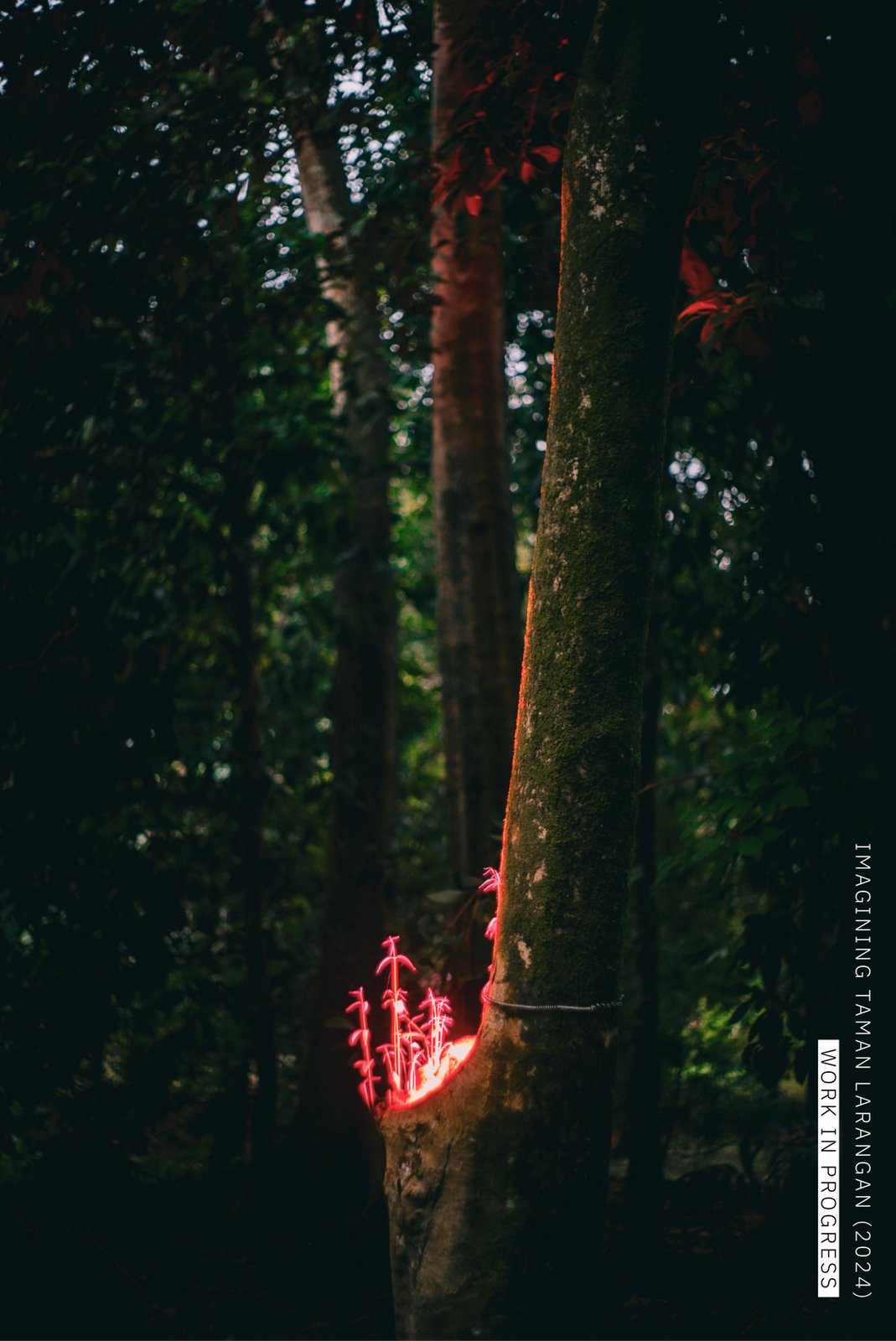
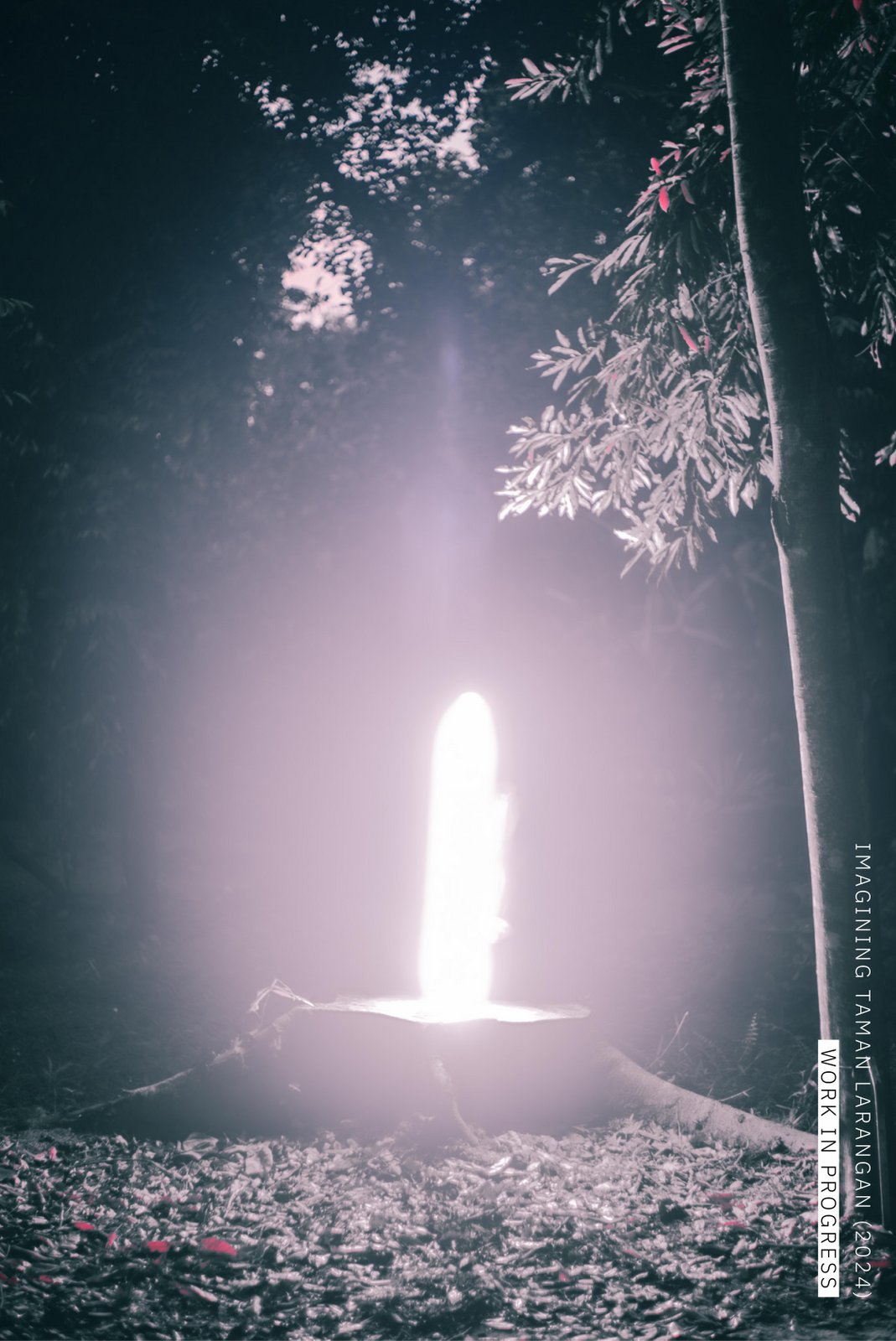
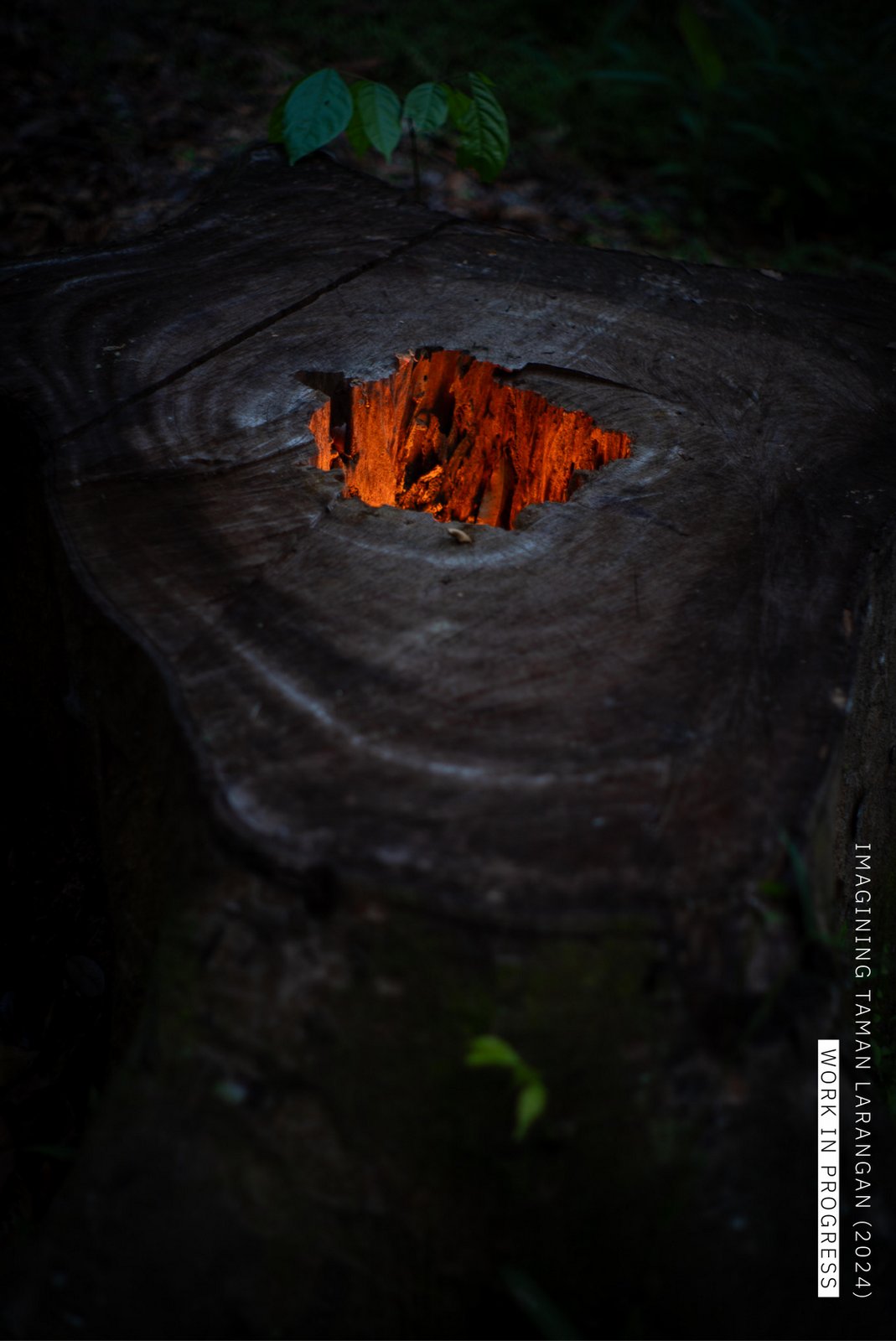
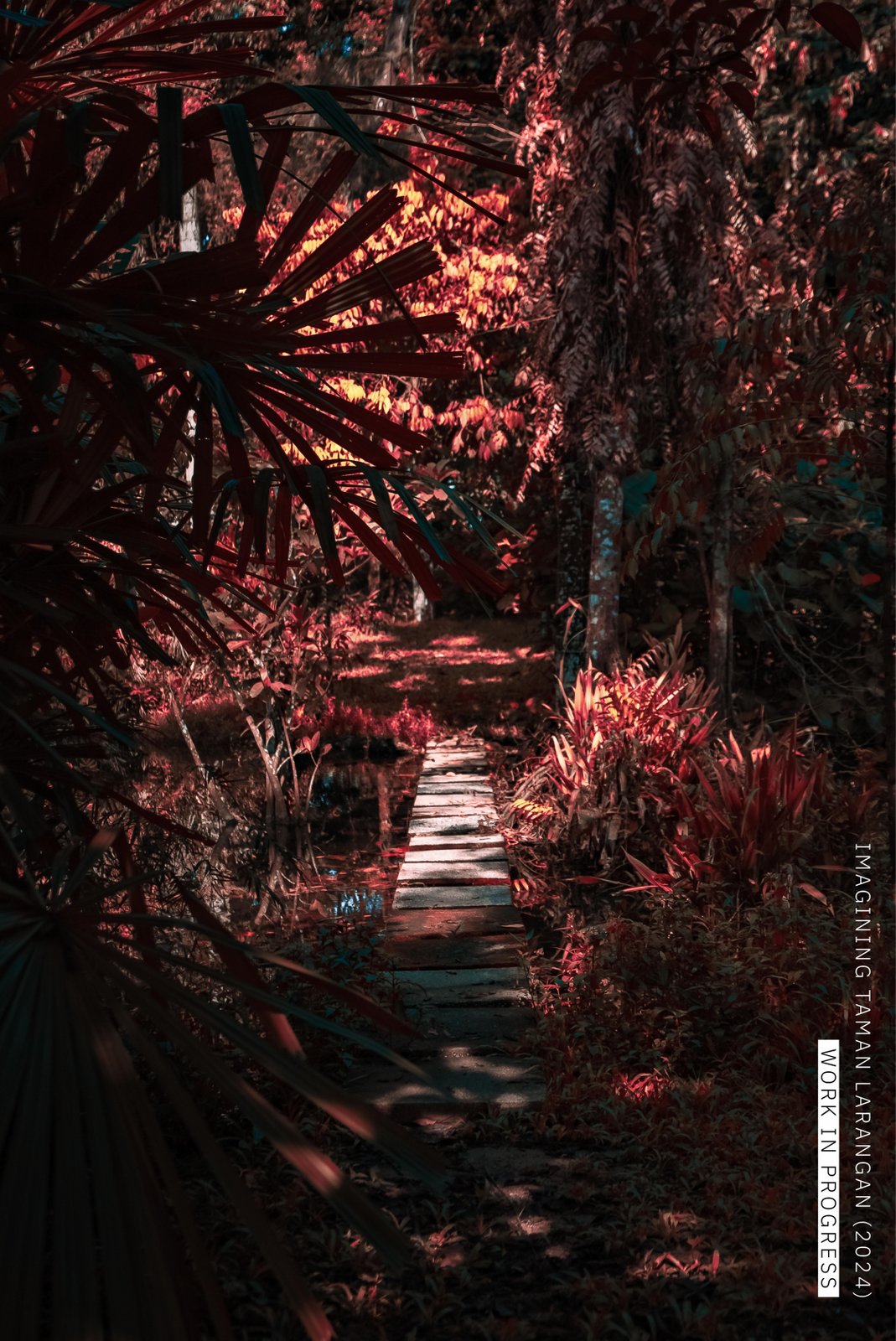
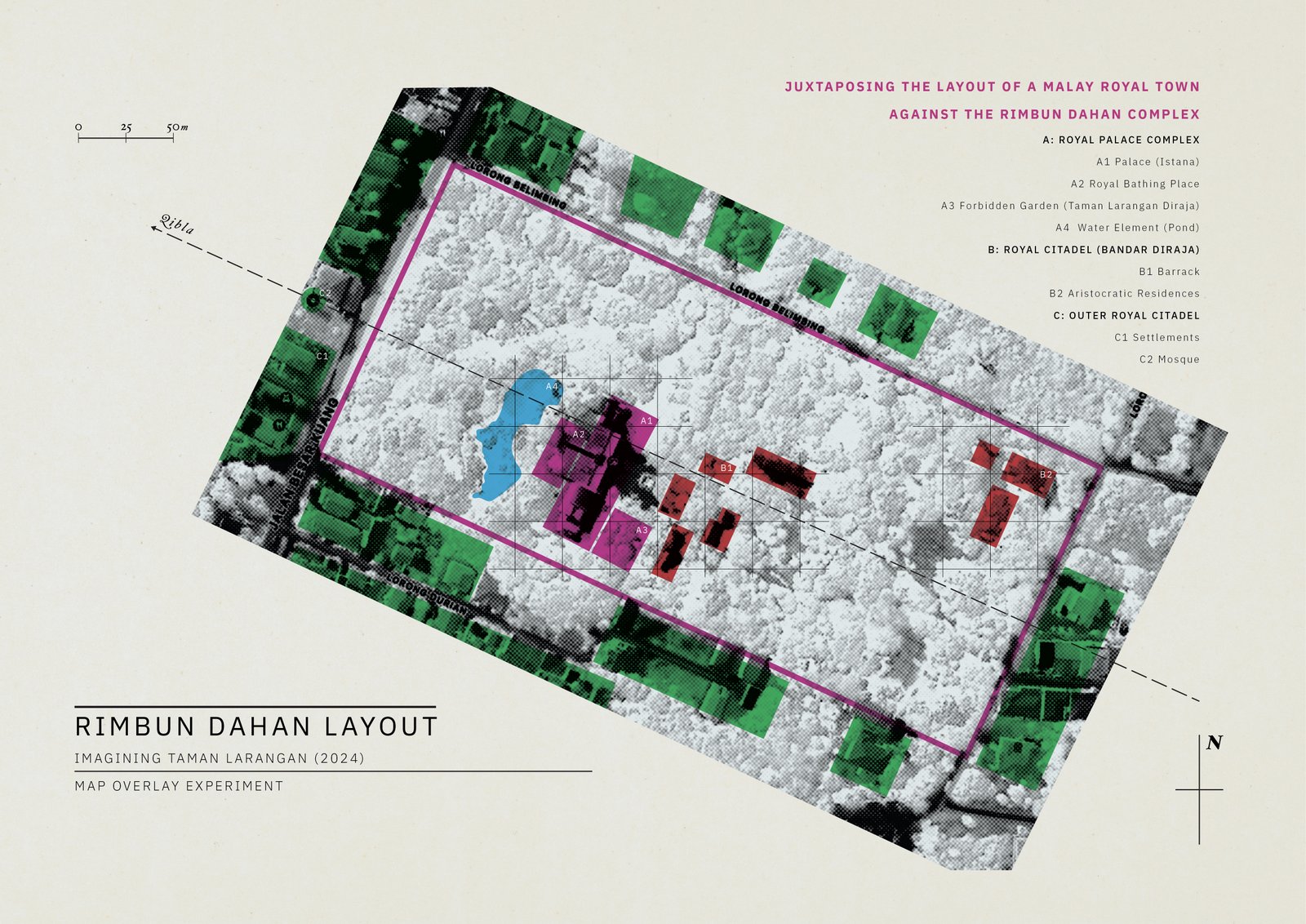
In our Hitam Manis animation, the term ‘Taman Larangan Diraja’ (Forbidden Garden) was a key visual space we had to design. These taman (gardens) are architectural spaces mentioned in the Sejarah Melayu and across other folktales from Southeast Asia. We wondered about the function and aesthetics of such gardens. In designing a fictional forbidden garden, do we make comparisons to actual historical royal gardens in Southeast Asia? What kind of biodiversity would the royal palaces have encouraged? Did any parts of their designs endure through to our modern times, if at all?
In our research, we noticed parallels between the layouts of forbidden gardens and Rimbun Dahan. We turn again to our palace gardener, Hitam Manis, for inspiration. What would it be like, if we were to imagine and design the scene of the ‘Forbidden Garden’ inspired by Rimbun Dahan?
Indonesia film enthusiast and archivist Hardiwan Prayogo is a resident artist at Rimbun Dahan in February 2024.
About the Artist
Hi everyone, I’m Hardiwan Prayogo; you can call me Yoga. I am a film enthusiast from Yogyakarta and a member of the Cinemartani film community. From 2014 to 2018, I served as one of the programmers for Bioskop FKY (Yogyakarta Arts Festival). I also worked as a programmer for the Festival Film Dokumenter (FFD) in 2019 and 2022. In 2019, I became one of the grantees of the Asia-Europe Foundation (ASEF) to visit Manila, Philippines, for research titled “Re-definition from the Bottom.” From 2018 to 2021, I worked as an archivist at the Indonesian Visual Art Archive (IVAA). At the end of 2023, I was selected as one of the participants for the 17th Crack International Art Camp in Kushtia, Bangladesh.
My project at Rimbun Dahan is titled Ceritakan Kisah Tentang Taman Seperti Tak Ada Hari Esok – Tell Me the Tale of Gardens Like There’s No Tomorrow.
The tale about gardens in Southeast Asia is not a recent phenomenon, it has roots that go back before the waves of European colonial expansion. Traces of this narrative can be found in ancient texts, ranging from legends and poetry to reliefs on temples. In some ancient texts, we can find meanings attributed to gardens, primarily their role as resistance against graves (Setra). Graves are often associated with death and destruction, while gardens symbolize rebirth and renewal. Secondly, gardens often represent mountains (Ardi, Arga) and seas (Tasik, Segara), symbolizing land and water as the essence of life. Thirdly, gardens are seen as heavenly oases, places of retreat, meditation, asceticism, and taboo. In addition, Southeast Asian cultural scholar Dennys Lombard also touches on gardens as spaces of aesthetic and symbolic appreciation in post-colonial societies. There is an attempt to harmonize the syncretic life of the East with the European style.
During one month of residency at Rimbun Dahan, I sought a closer context on how gardens and neighboring lives are constructed in Selangor, particularly in Kampung Cempedak, Kuang. Here, I found many houses with spacious gardens. However, on the other side, some residents I met felt burdened by the upkeep of large gardens. One of the biggest challenges is to protect the gardens from wild animals such as monkeys and wild boars. This, of course, became the consequence that the cost of garden maintenance will be quite high. The larger the garden, the higher the price. This presents a dilemma in itself. We can see this as one form of the lifestyle change of contemporary society today. When gardens and fields are no longer seen as economic commodities, let alone the concept of sustainable farming, then the affordable solution for them is only two things: to clear the garden for building or to sell it.
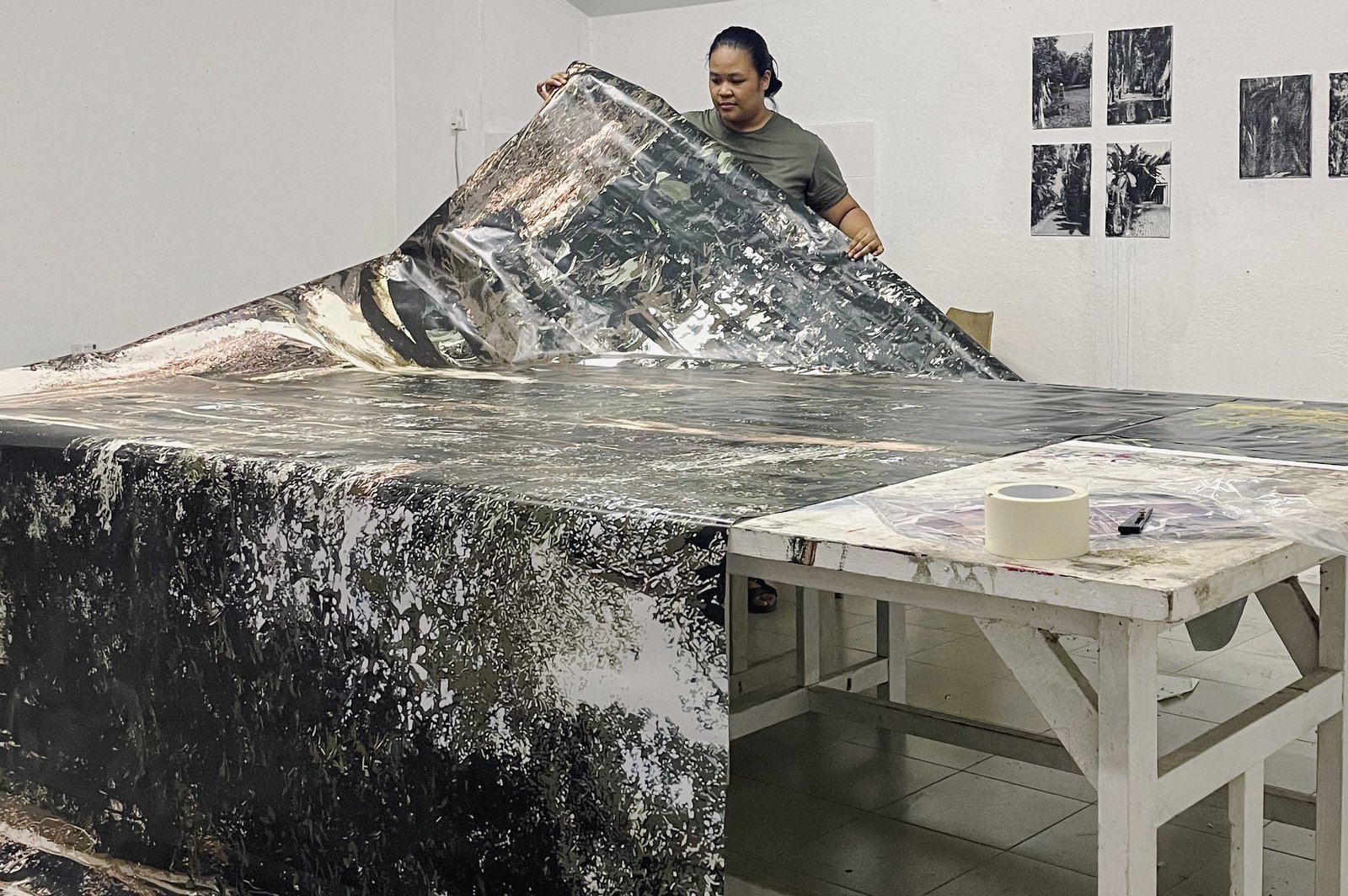
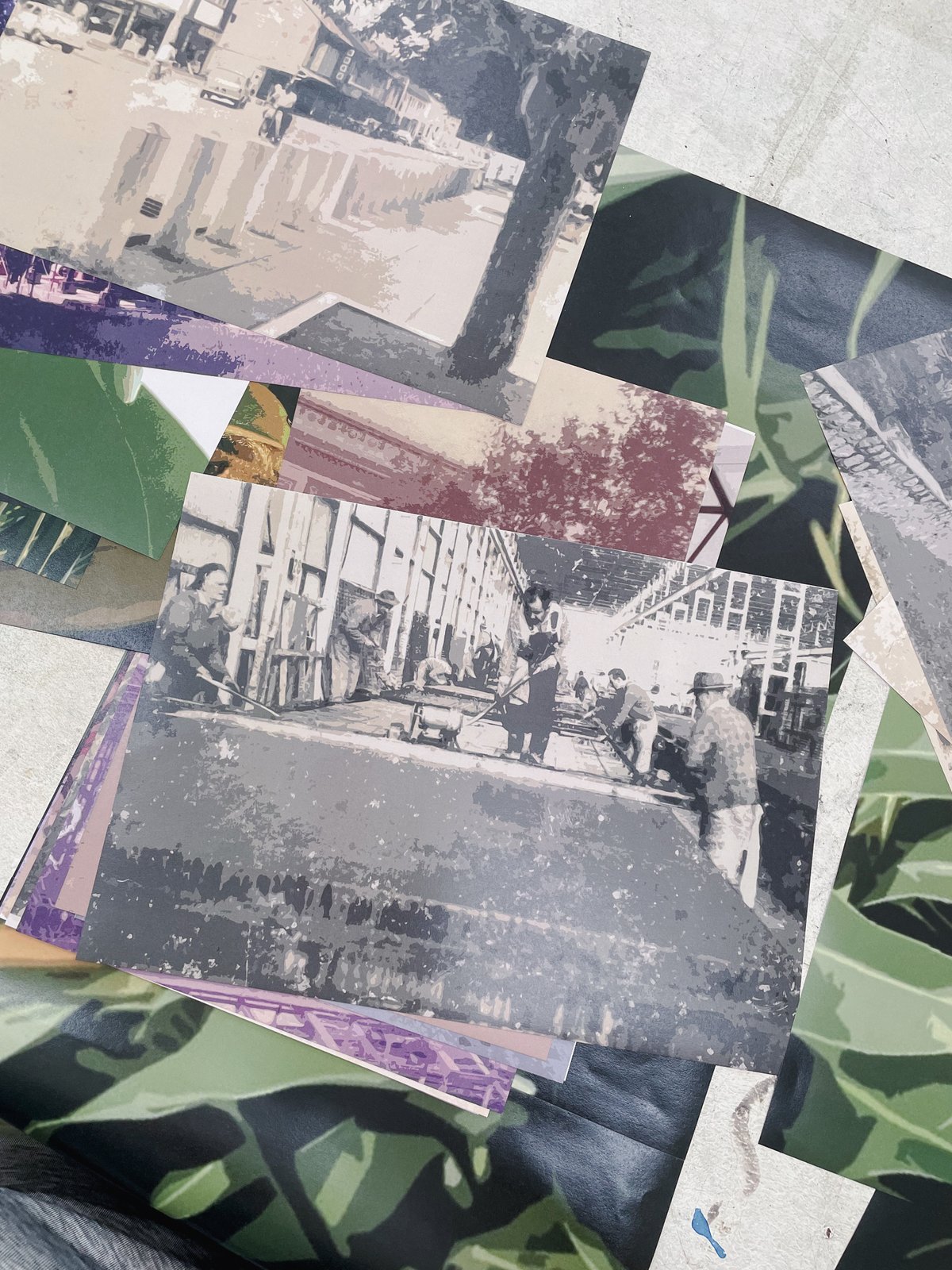
Therefore, this project is titled Tell Me the Tale of Gardens Like There’s No Tomorrow. I want to invite people to collaboratively narrate their stories about gardens through the archives of texts and photographic works that I show. So, if someday these gardens are no longer in our sight today, at least the stories about them remain in the corners of our memory.