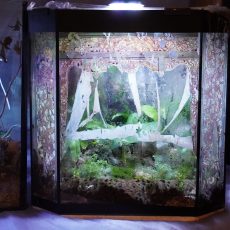
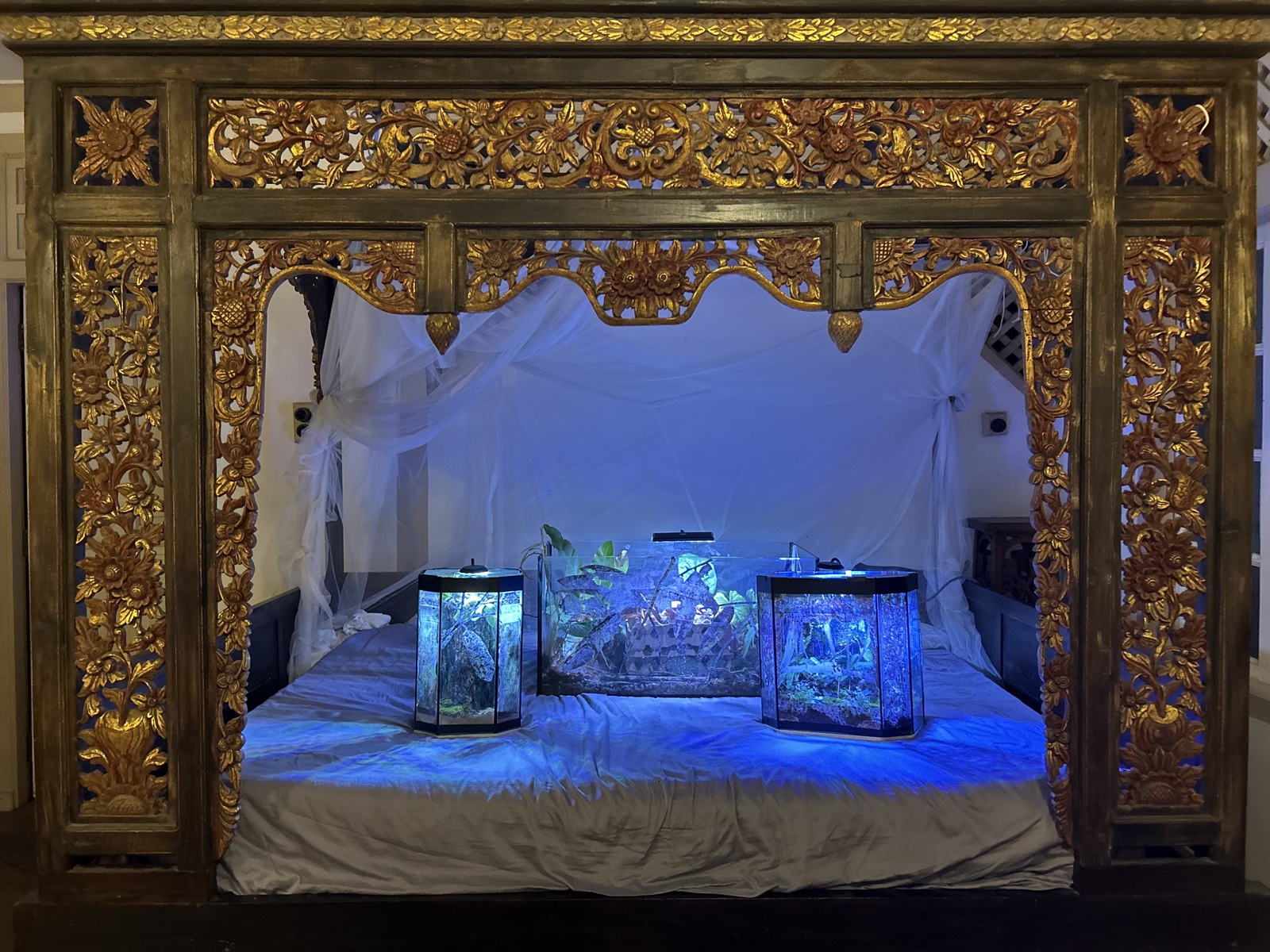
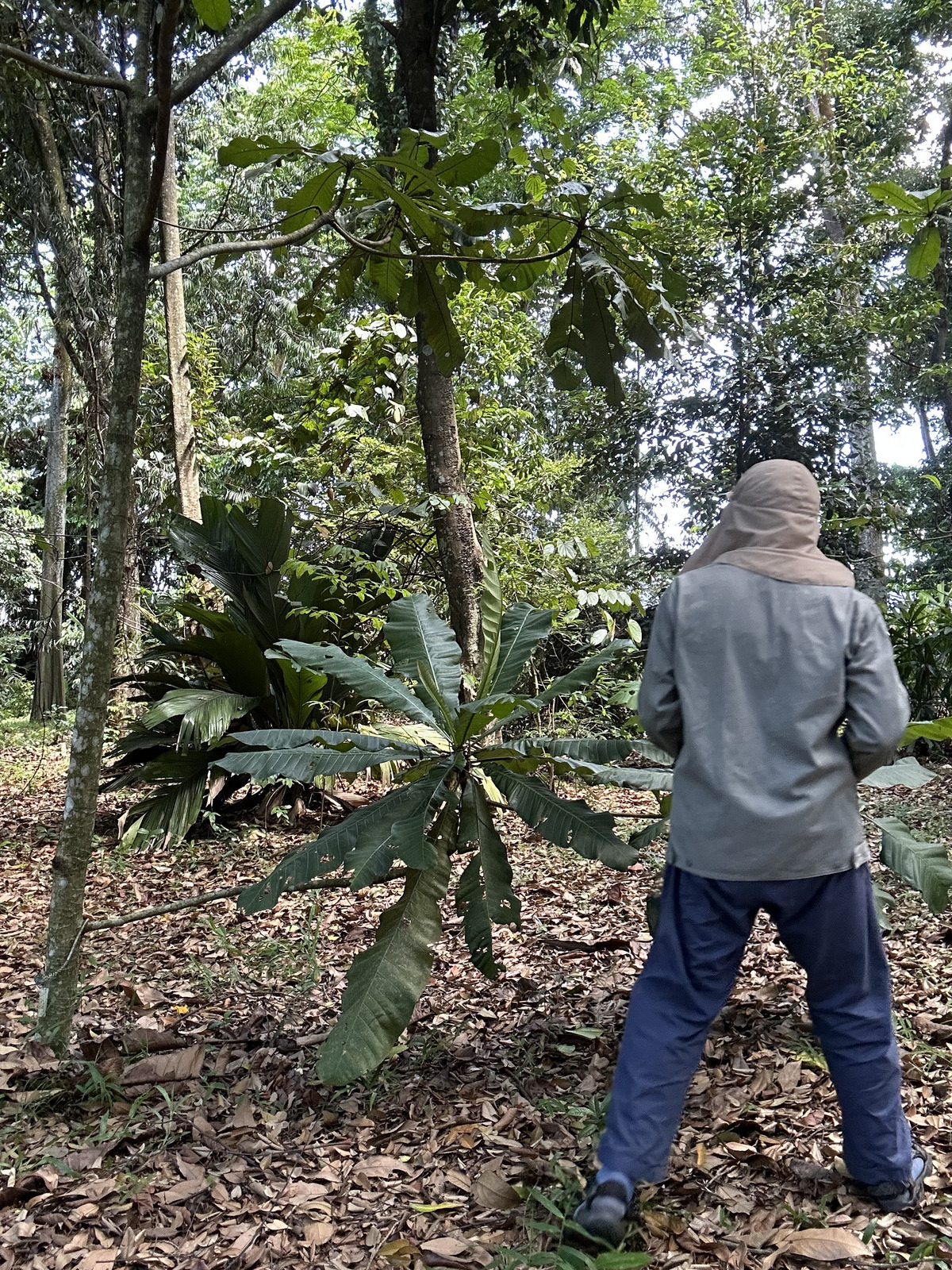
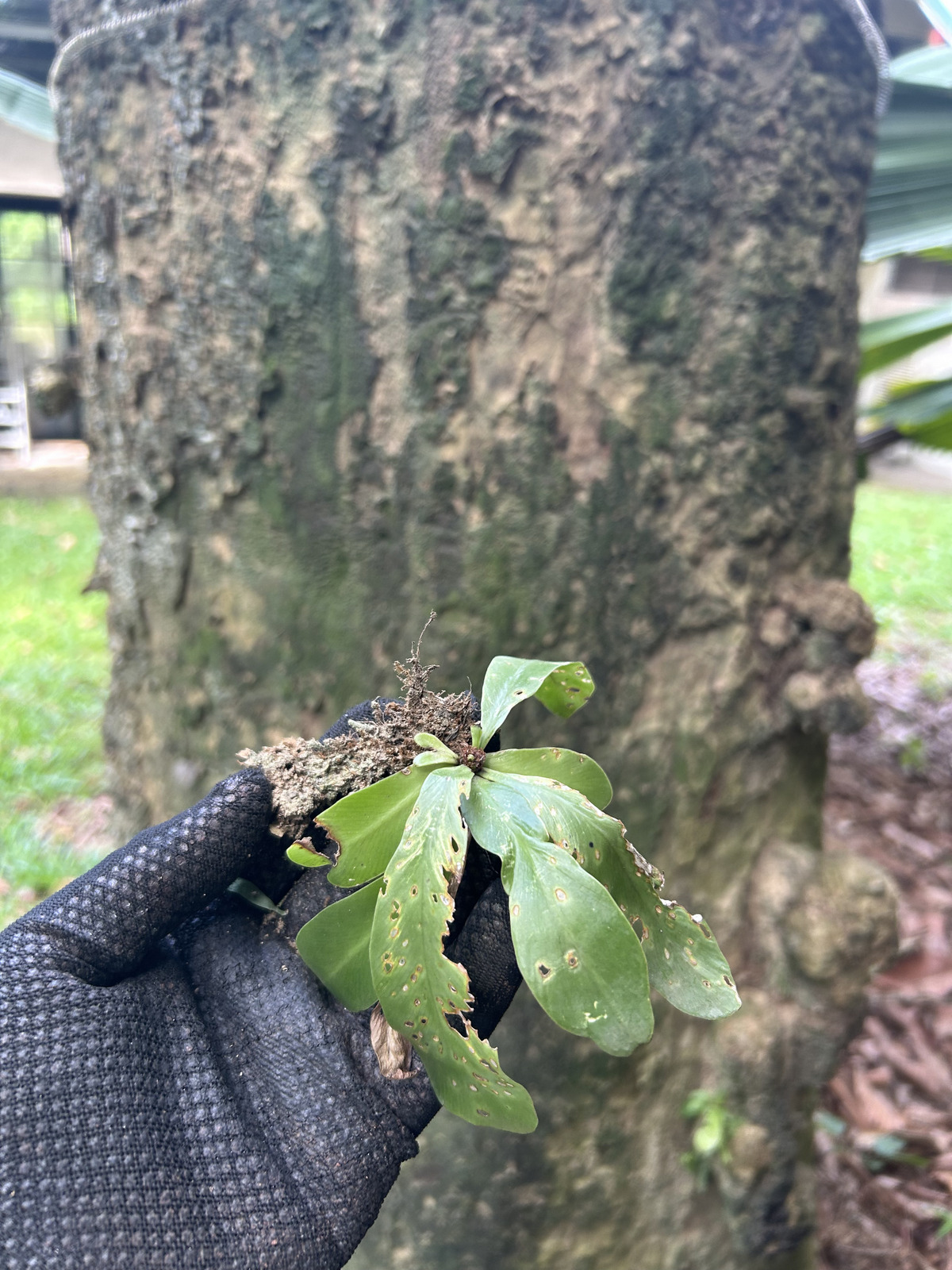
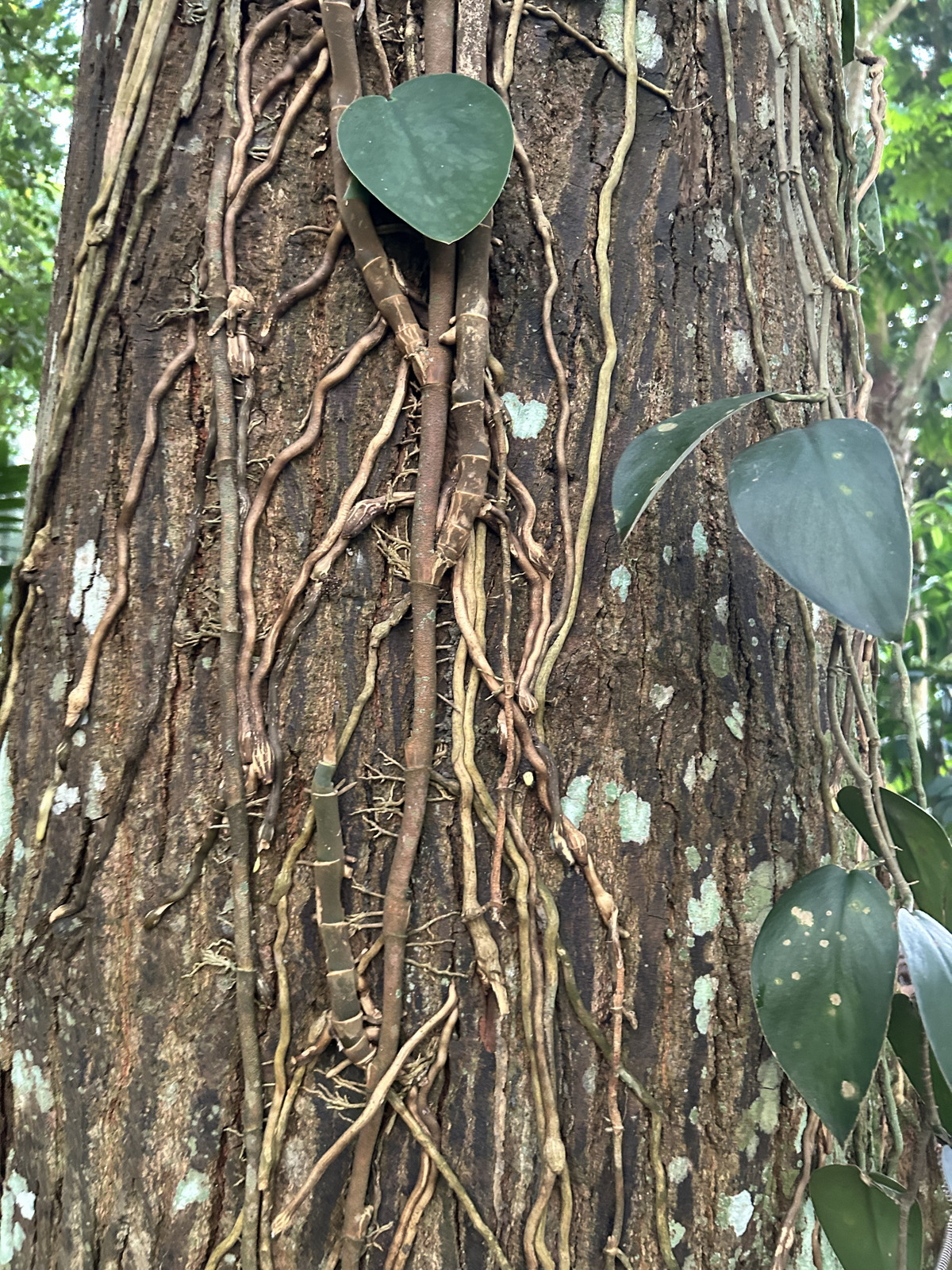
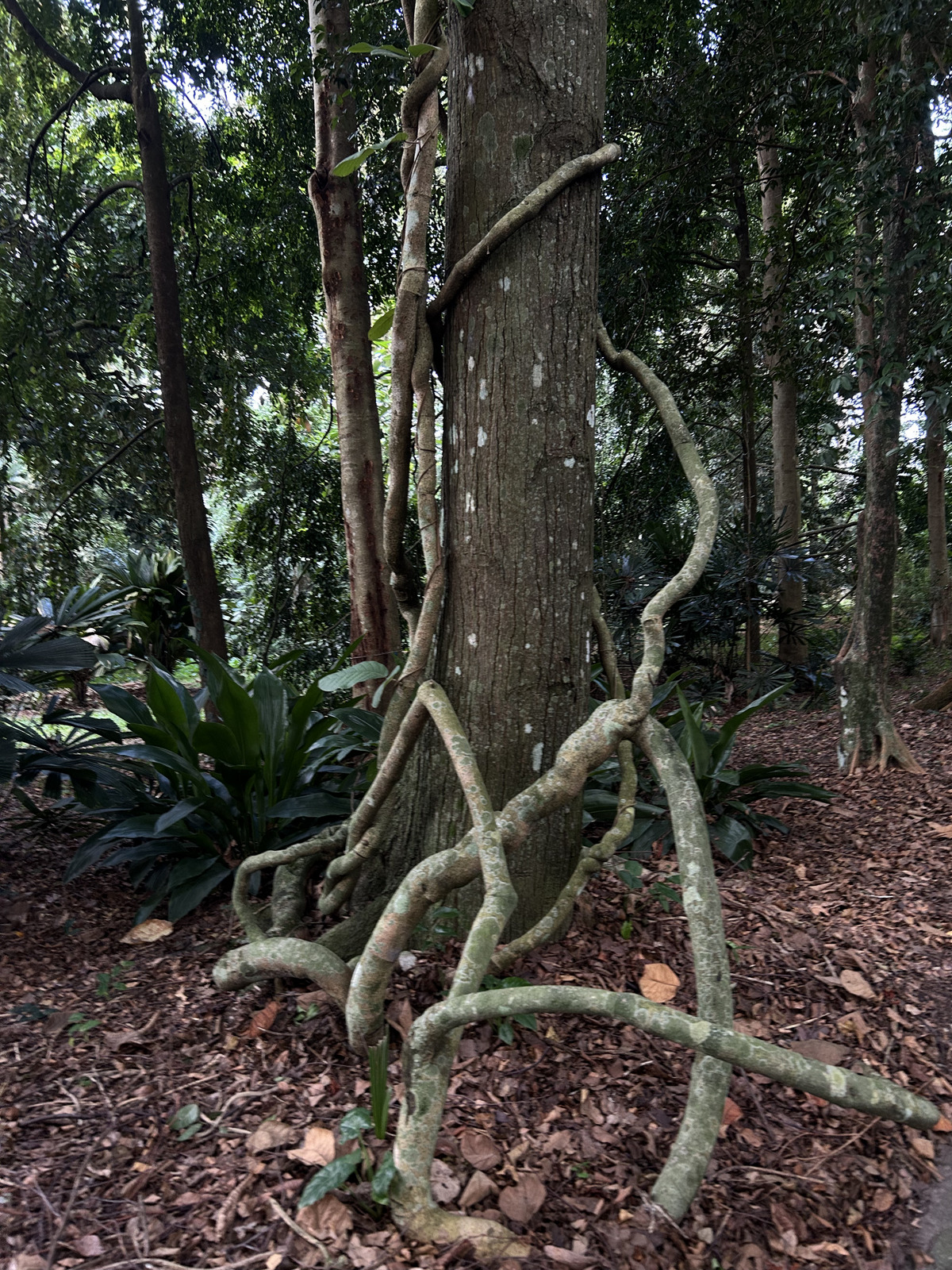
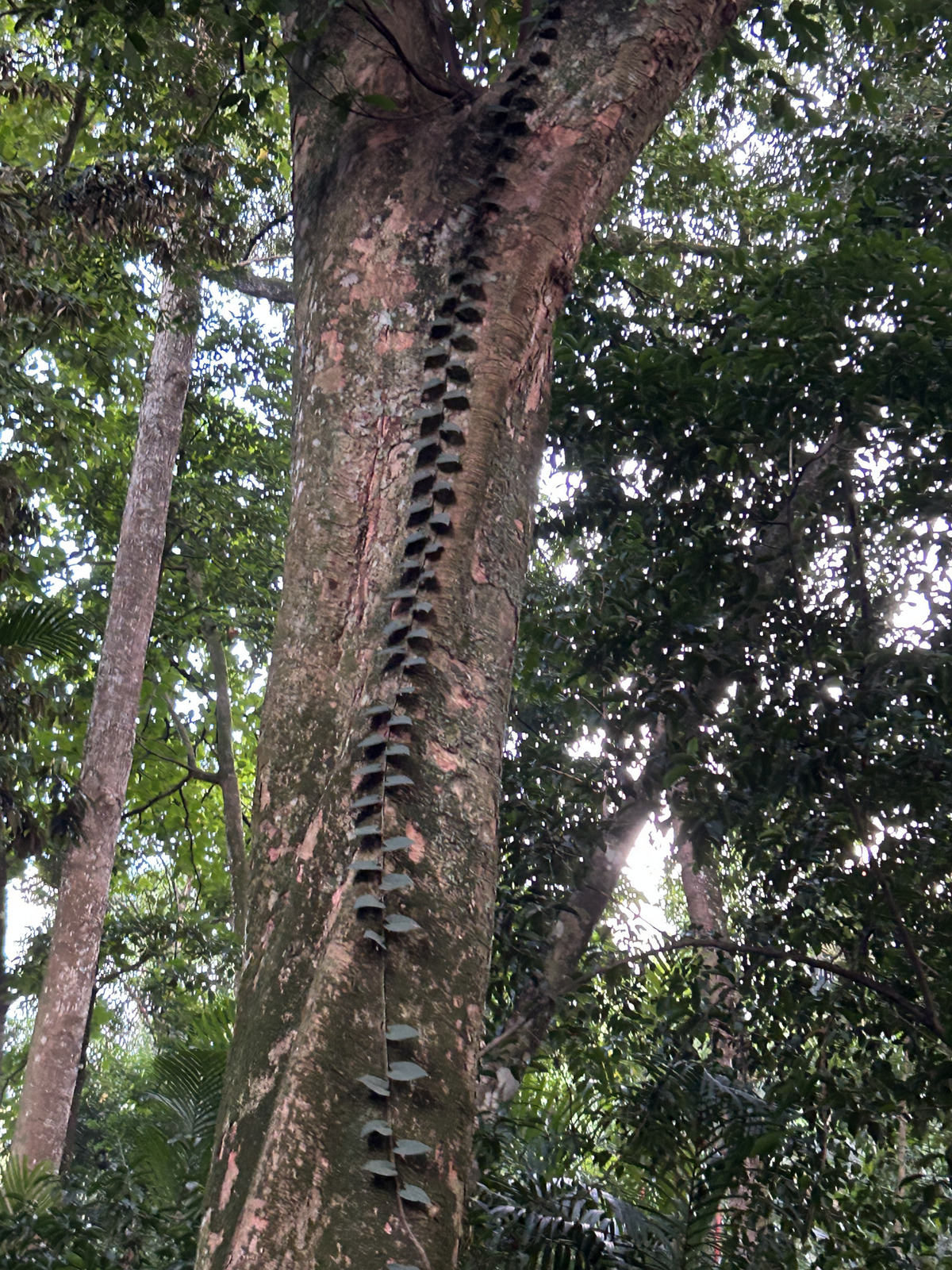
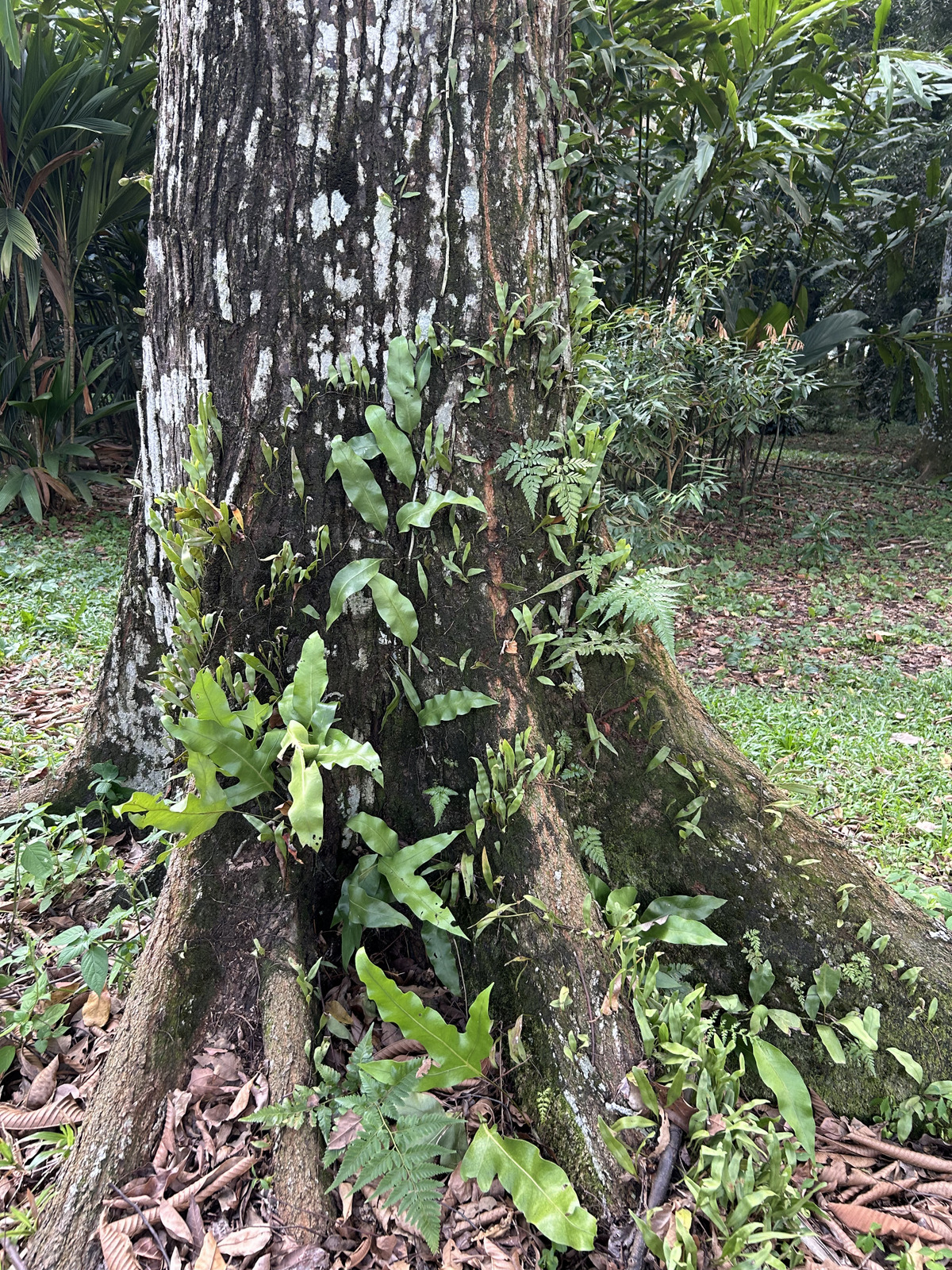
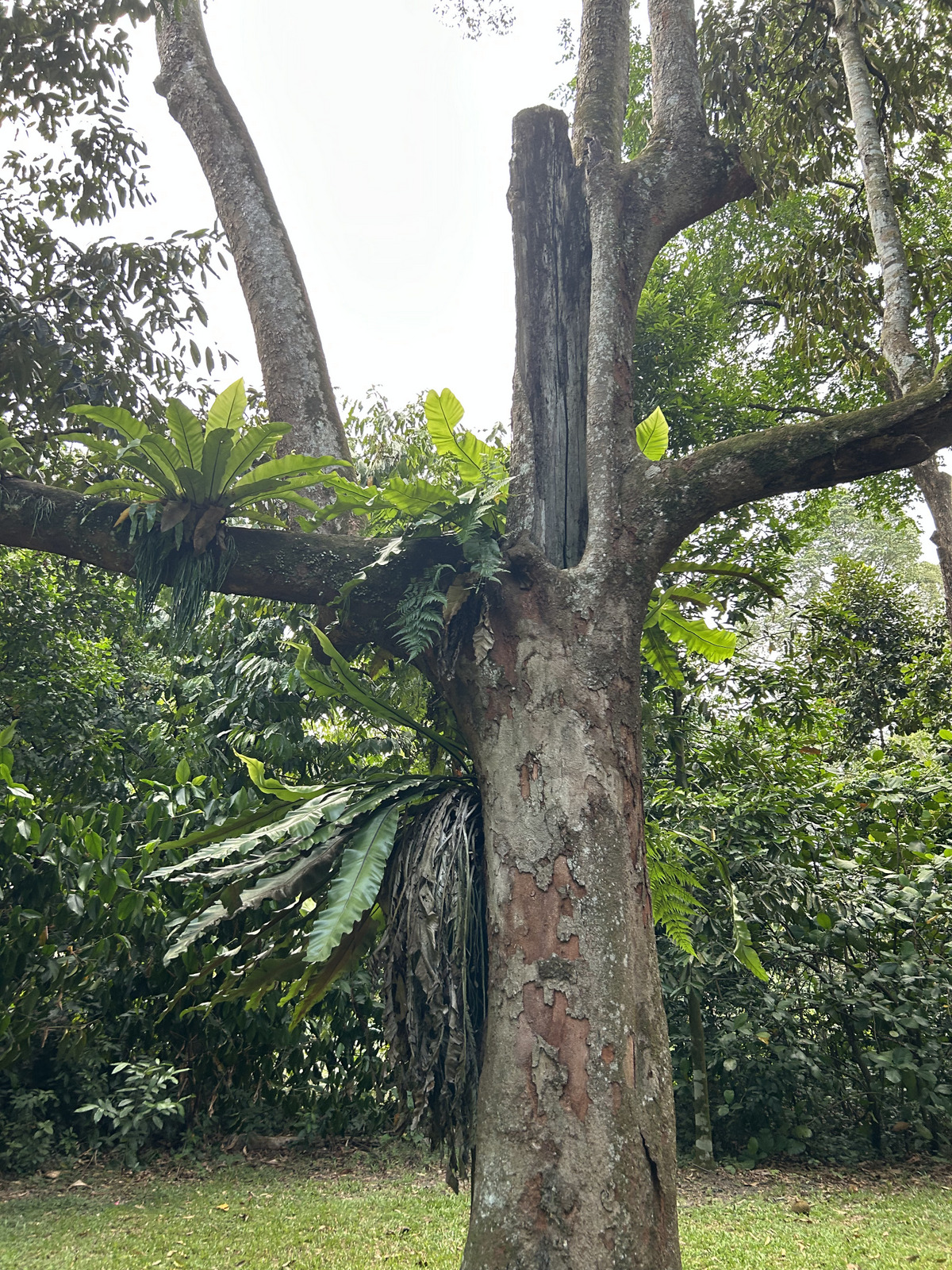
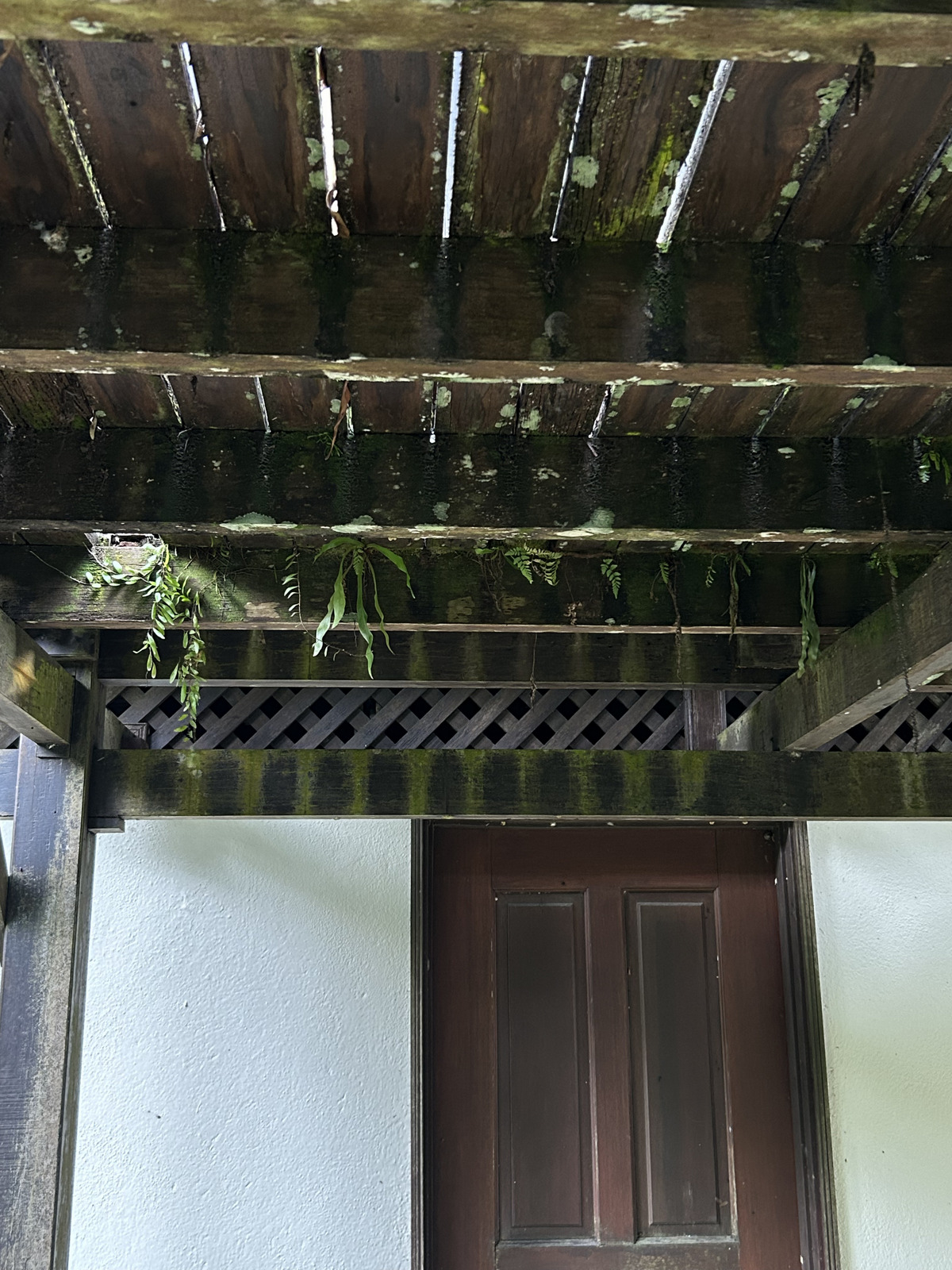
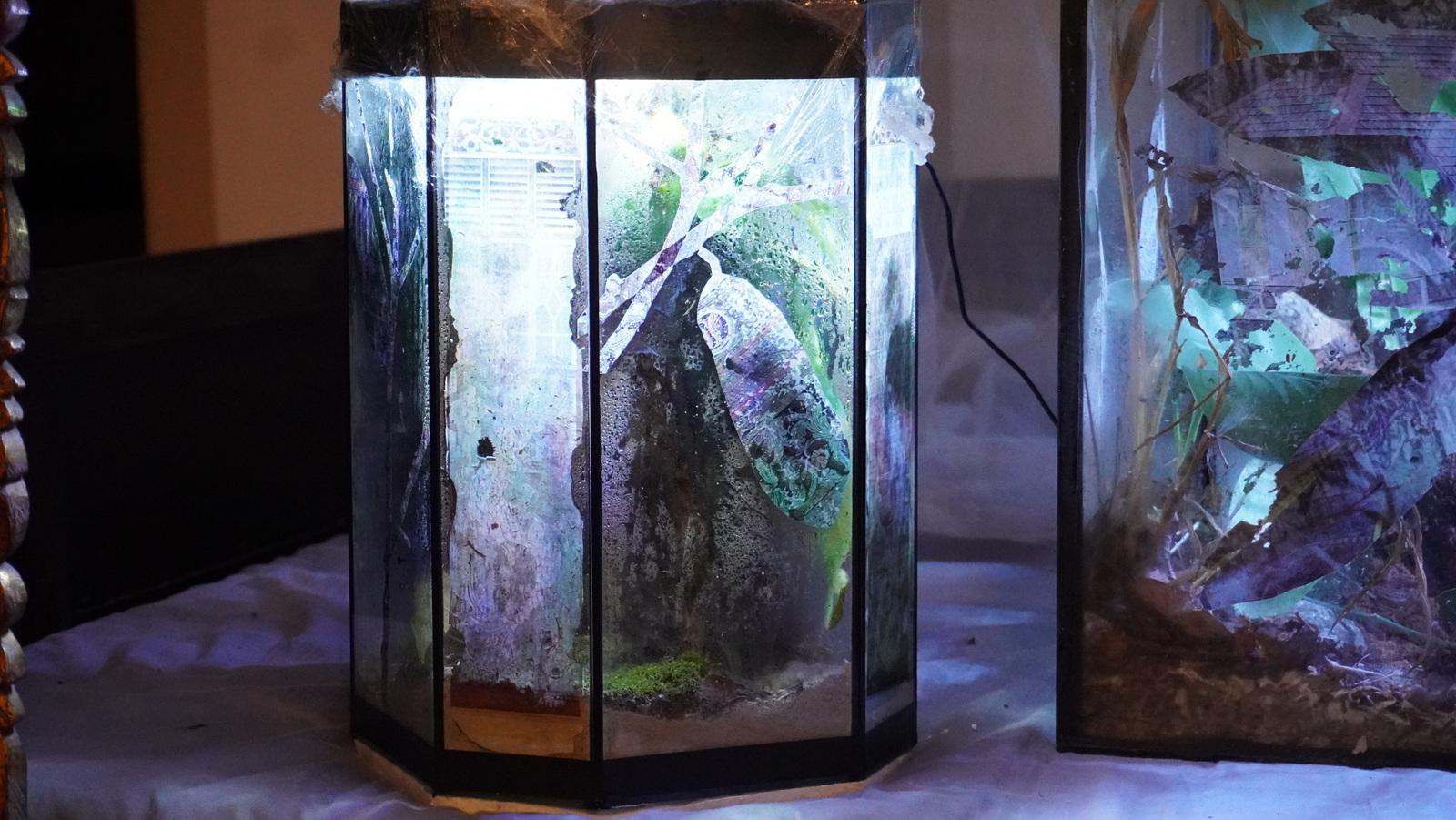
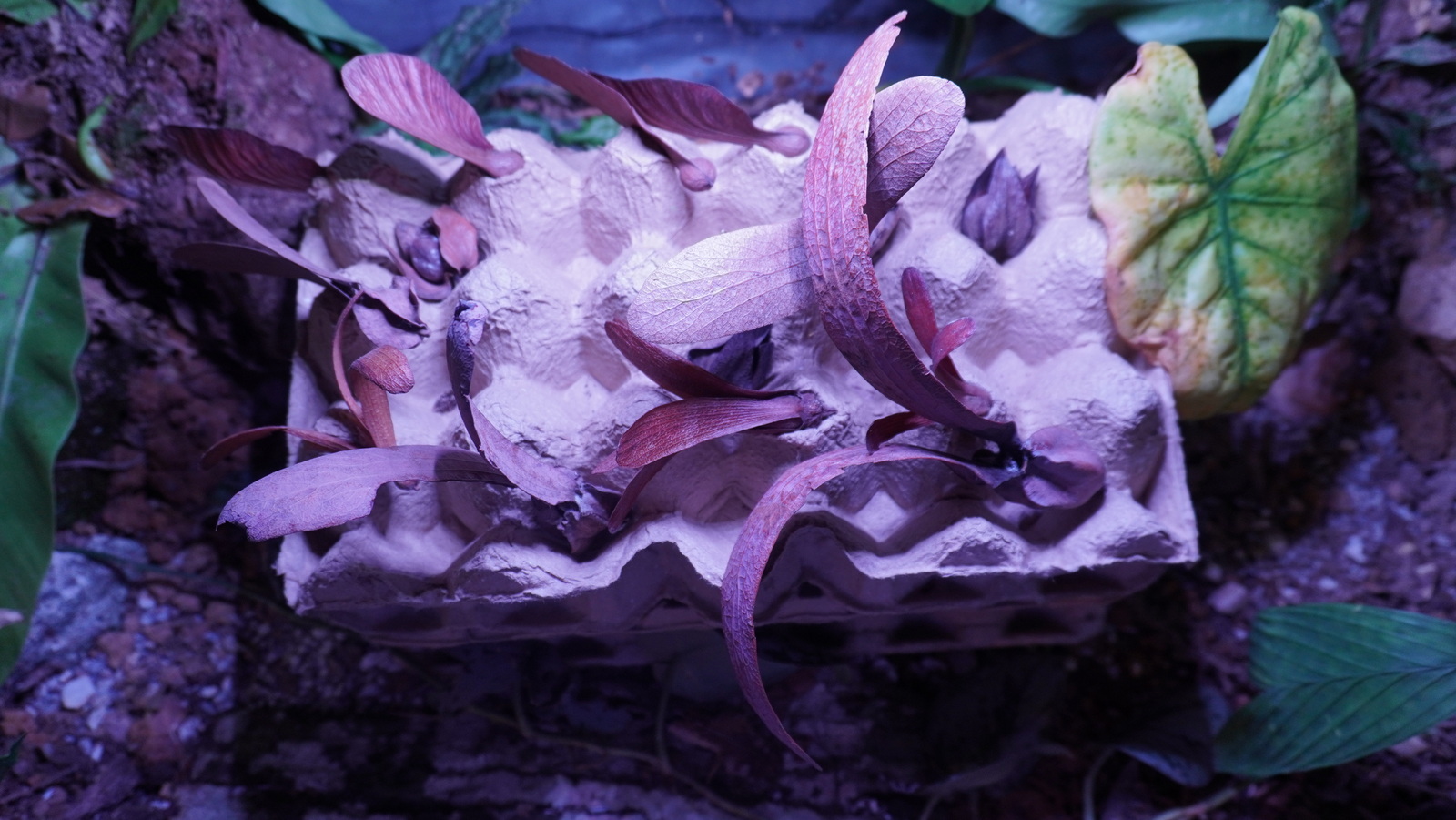
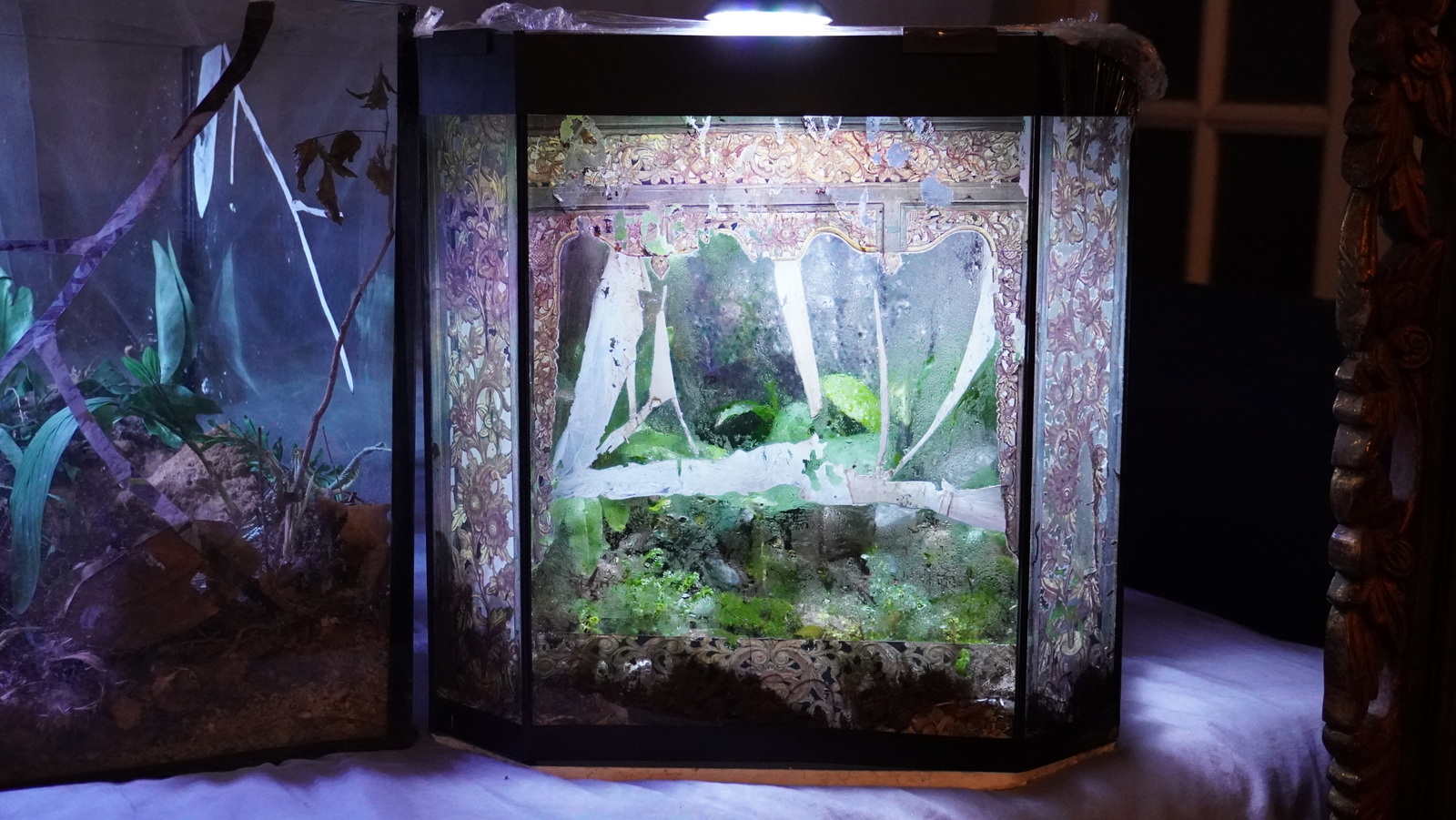
Interdisciplinary artist Anusorn Tunyapalit, from Chiang Mai, Thailand, presented a trio of terrariums at the KL Festival in May 2026, as the outcome of his 2-month residency at Rimbun Dahan.
About the Artist
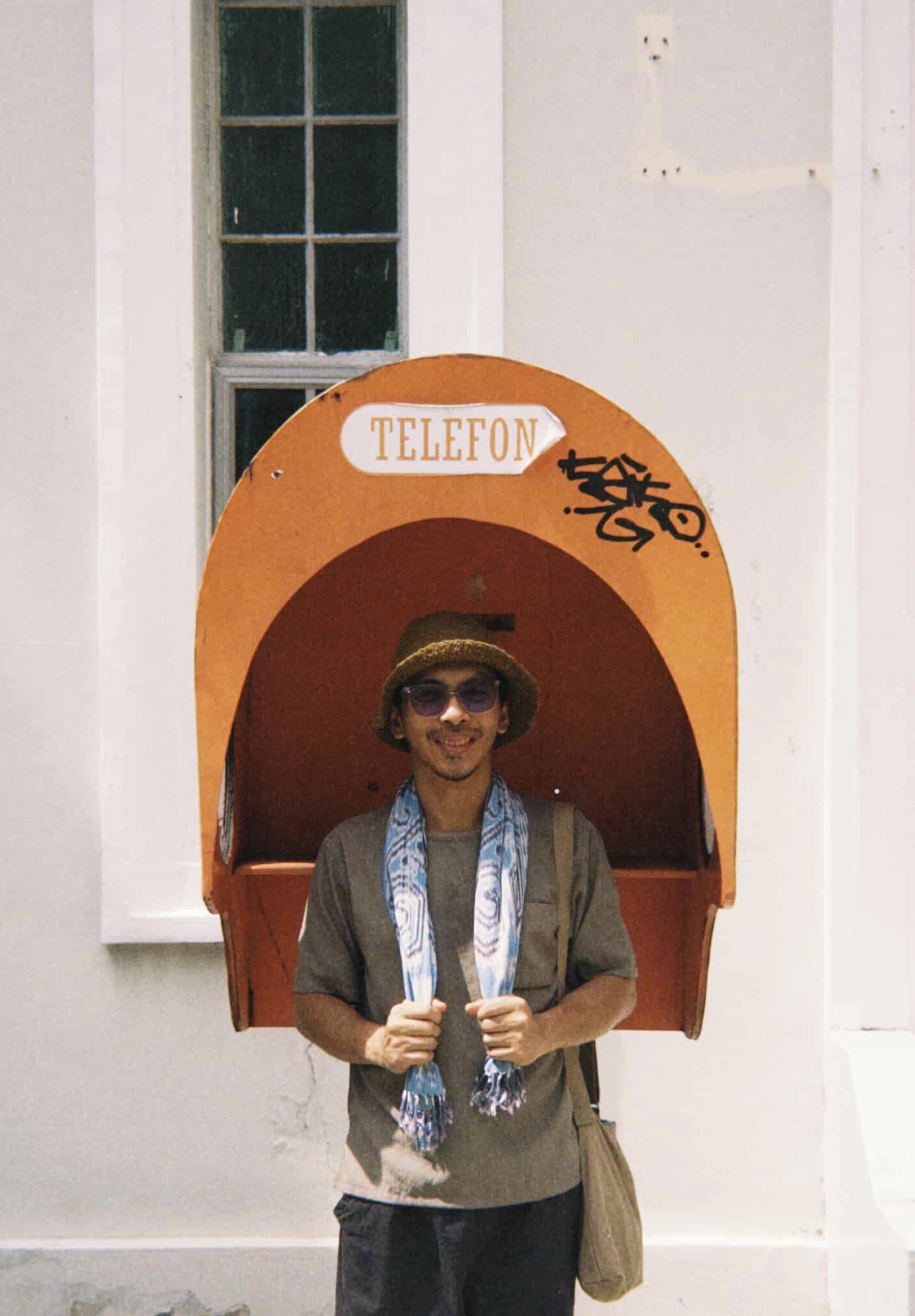
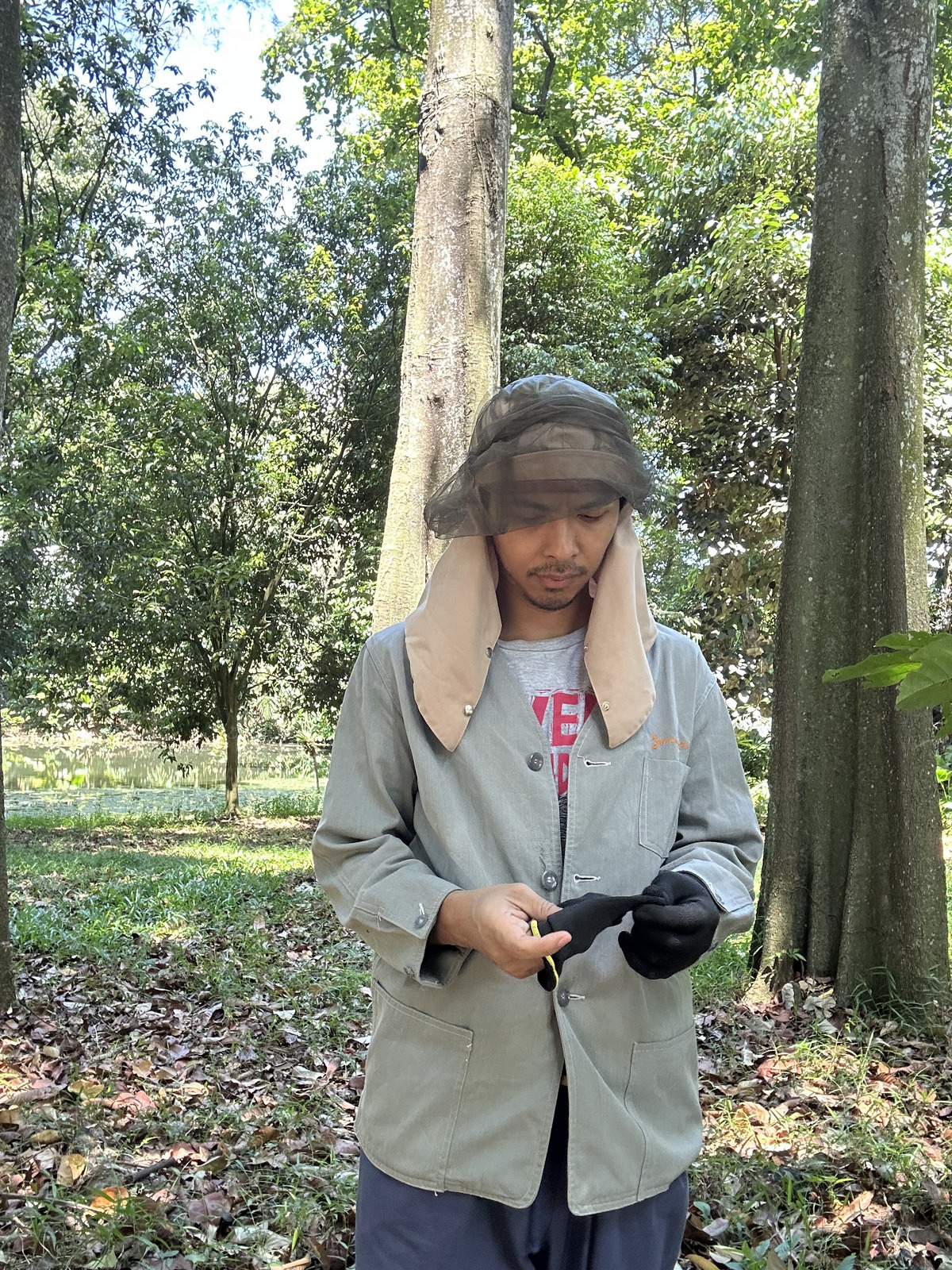
Anusorn Tunyapalit (born in Phrae, 1992; lives and works in Chiang Mai) is an interdisciplinary artist who works across various media, primarily installations art. His practice aims to stimulate or create new sensory experiences by translating, transforming, and manipulating information across different mediums. He also employs intense research into history, culture, and society to distill large-scale narratives into detailed and complex objects or processes, rich with layers of thought for exploration.
His interests span environmental ecology and politics, ethnology, beliefs, local wisdom, and contemporary crises, and the study of ethnographic knowledges linked to reflection and critique of power structures, analyzing their impact and presenting them through art forms. He was selected for the Brandnew Art Project in 2017, Guandu International Nature Art Festival in Taipei, Taiwan, in 2019 & 2024, GMS Artist Residency 2024, and co-founded Pootorn Connect, a decentralized art operation network, in 2022. In the same year, he was chosen to present the exhibition ‘Point of No Concern: return to the rhizoic state’ at MAlIAM Pavilion for the Thailand Biennale, Chiang Rai 2023. Most recently, he has expanded his curatorial concepts and established the Rhizomia Art Network.
Anusorn presented the outcomes from his residency at the Tiffin Picnic on 23 May 2026, part of KL Festival 2026, coordinated by Greenpeace Malaysia.
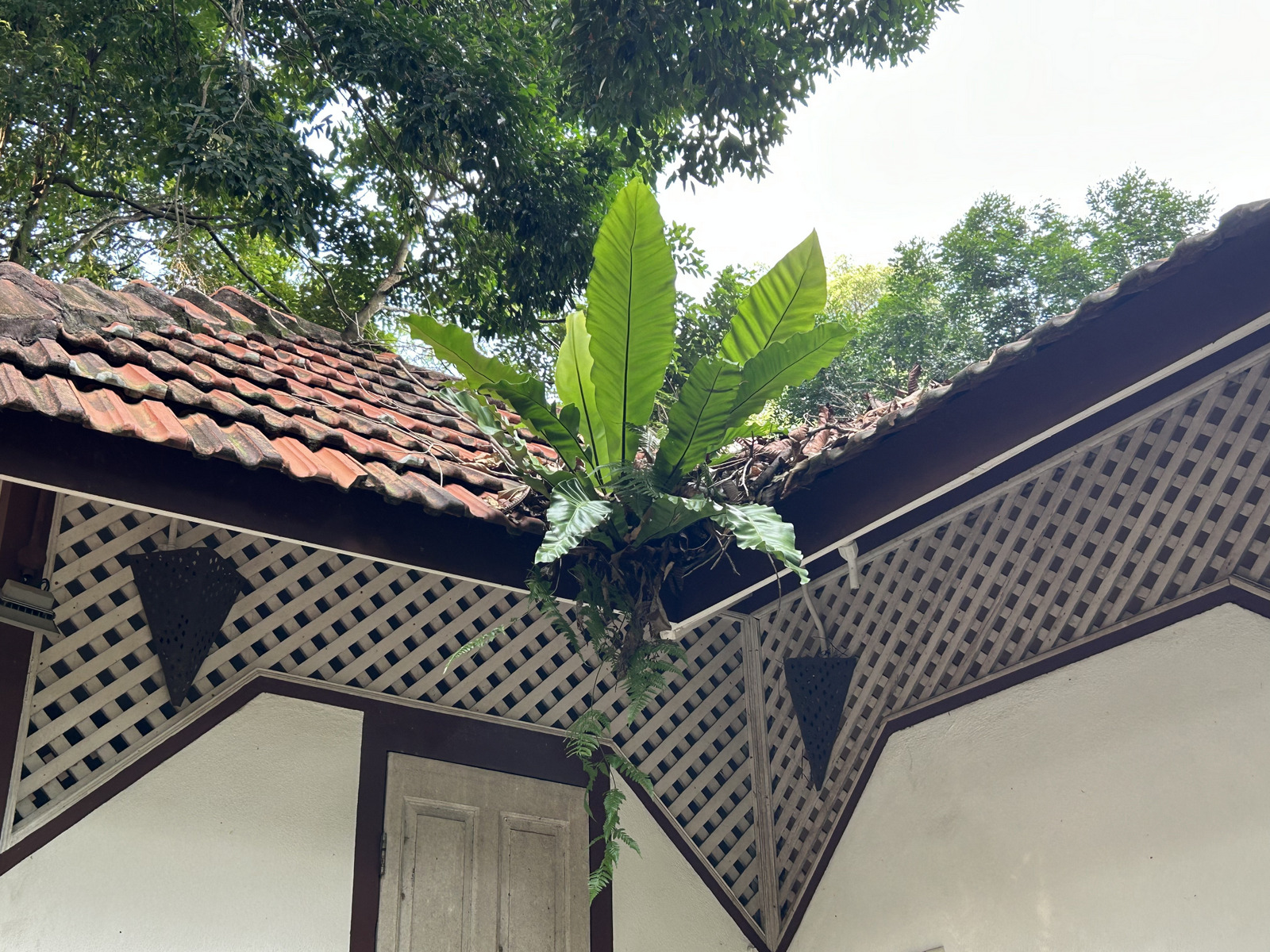
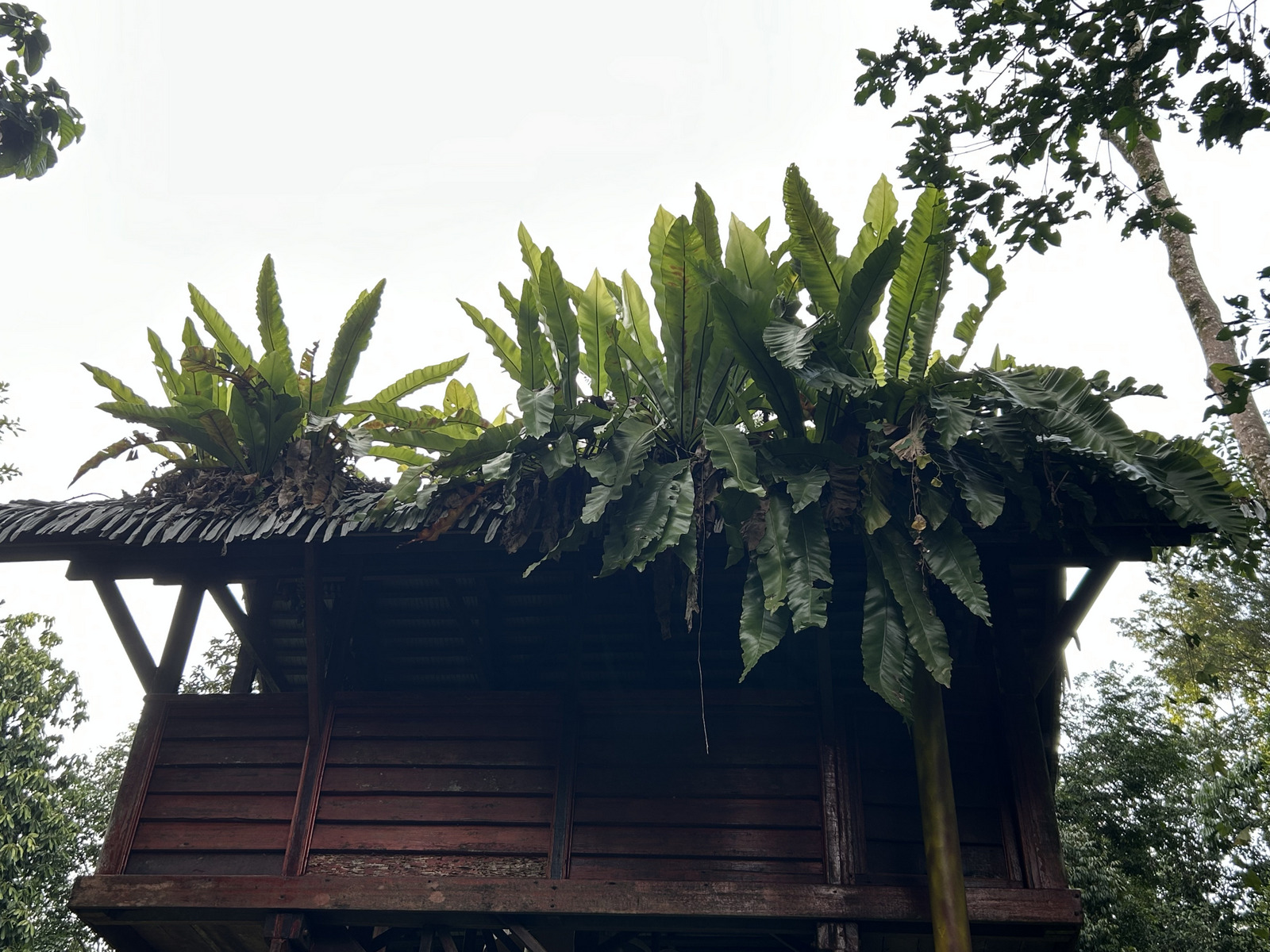
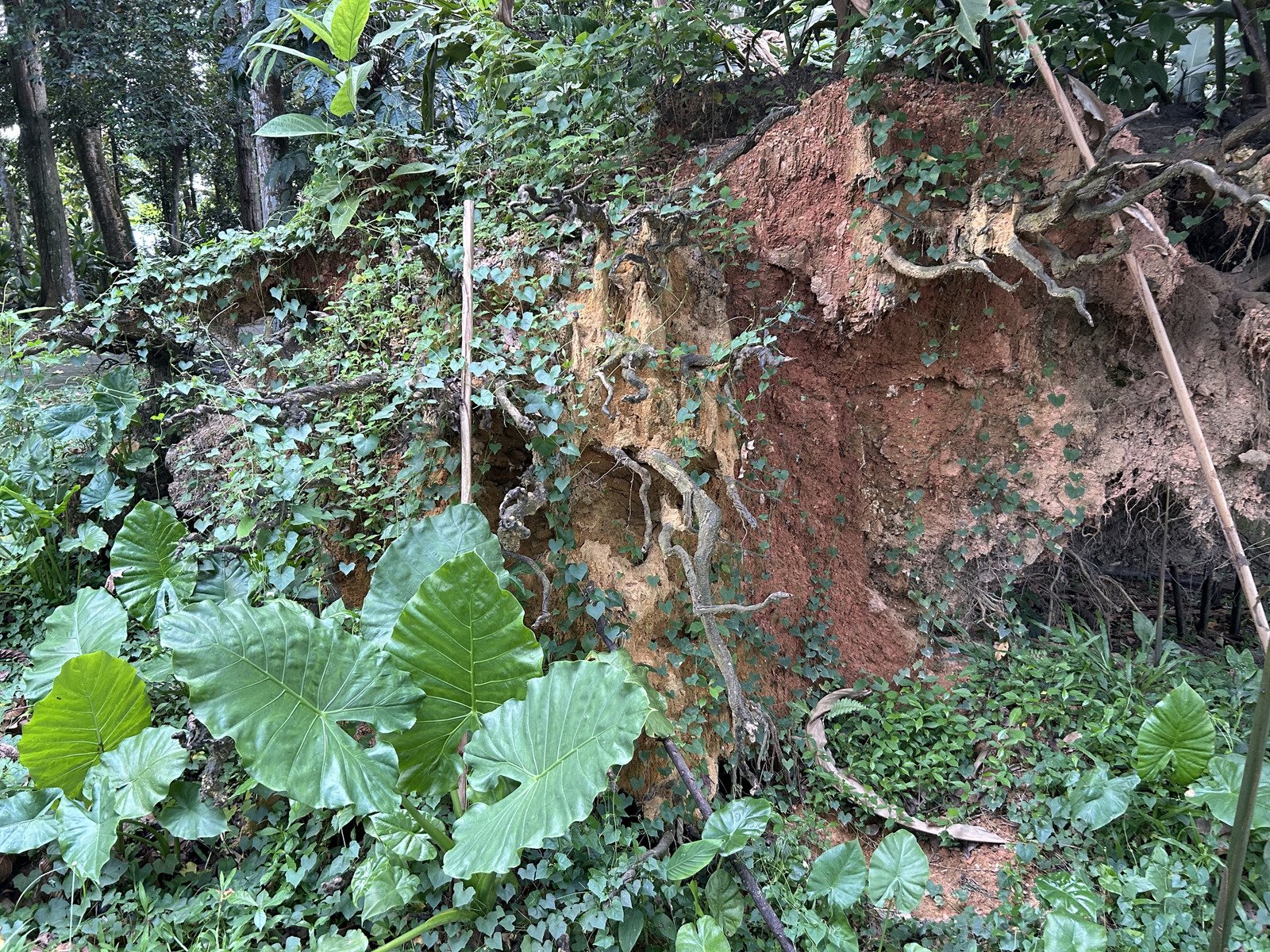
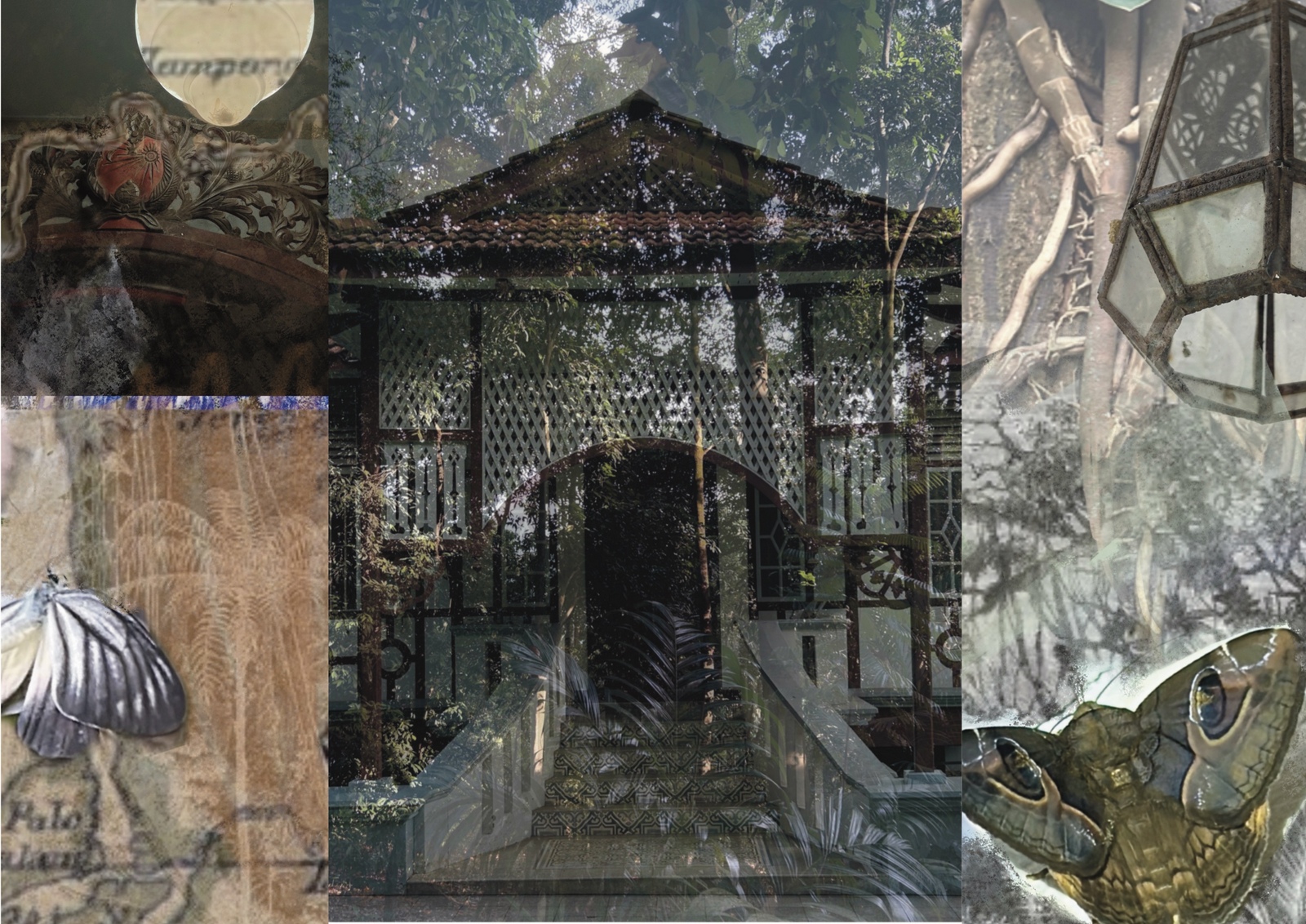
Anusorn”s installation project explored the relationship between the native flora of Southeast Asia and the heritage wooden architecture at Rimbun Dahan. The installation — a series of terrariums containing found material — traced the transformation of wood from living trees that once hosted smaller plants and other living organisms, to its conversion into buildings and furniture.
The native plants at Rimbun Dahan signify botanical locality, and the heritage houses represent cultural identity. Both use wood for shelter. In this artwork, Anusorn looked at questions of interdependence, locality and migration, and the roles of host and guest in cultural exchange.
Thai textile artist Awika Samukrsaman was in residence at Rimbun Dahan from September to November 2025, creating site-specific weaving projects which make visible lines and trajectories that once existed, whether of humans on the pickleball court or of plants interacting with manmade structures.
About the Artist
Awika Samukrsaman (b.1991, Surin, Thailand) received her Bachelor of Fine and Applied Arts (BFA), Thammasat University, residing and working in Ratchaburi, Thailand. She is interested in learning and developing basic weaving for everyday use and communication which is rooted from traditional culture and has been a part of everyday life. Awika’s interest in texture in textile works has brought her into folk wisdom among local ethnic groups. She has been a member of Baan Noorg Collaborative Arts and Culture since 2018 and was a manager in 2018-2019. Awika co-founded Wisdomative* in 2019, a platform for developing local weaving art and crafts and in 2021 she co-founded PhiFa collective that runs art-based research projects to retrace, reinterpret and restore Thai northeastern (Isaan) ancestors and heritage.Co-founded Yoonglai Collective,and t-rex veggie brand.
She was a representative artist of Baan Noorg Collaborative Arts and Culture in Churning Milk: the Rituals of Things project for documenta fifteen, Kassel, Germany (2022), Jakarta Biennale, Jakarta, Indonesia (2021), and artist in residency program at Bamboo Curtain Studio, Taipei, Taiwan (2019). In 2020 Awika participated in the Exhibition and a prize winner of the Early Year Project by Bangkok Art & Cultural Centre, Thailand (2020), joined Klongsan Fest, Suvarnabhumi Mosque and Charoen Rat, Bangkok, Thailand (2019), Bangkok Layers contemporary art exhibition curated by Baan Noorg Collaborative Arts and Culture, Bangkok Art and Culture Center, Bangkok, Thailand (2017) and Pop Up Museum project curated by Baan Noorg Collaborative Arts and Culture, Nong Pho, Ratchaburi, Thailand (2014).
Traces of What Once Existed and the Conditions of Allowing Relationships to Form
This project explores the “conditions of coexistence” between human–human, human–structure, and human–nonhuman life forms. It draws on ecological modes of relating — ranging from mutual support (Mutualism) to restricted, competitive, or extractive forms of connection (Competition / Parasitism) — as a way to think about the varying degrees of benefit, loss, and negotiation embedded within every relationship. At the same time, it engages with the sensibility of Object-Oriented Ontology (OOO), which regards all things as possessing their own agency and ontology. Walls, fences, grids, branches, and threads each have histories, capacities, and ways of acting upon one another.
Here, “traces” are not treated as mere residues of the past, but as evidence of collision, contact, exchange, permission, and proximity. They function as markers of where something was once allowed to exist, and where it was denied.
Certain human relationships resemble plants that are “allowed to grow only in some directions”—not because the relationship lacks authenticity, but because invisible systems, circumstances, and timings quietly govern the shape it is permitted to take. This project investigates these “traces of permission”: moments of connection that once took place—clear or faint, intentional or incidental—and asks what form a relationship might assume if it were never cut back, redirected, or prematurely pruned.
Work 1: Tracing the Intrusions of Boundaries
This piece begins with the relationship between human-made structures and the plants that attempt to grow alongside them. Fences, grids, and walls become objects with agency structures whose functions, limits, and permissions are defined by human hands. In contrast, branches and vines navigate those limits, seeking small openings through which to enter, attach, spread, or slowly encroach upon spaces that were never built for them.
The threads in this work act as an “extension” of branches that have been cut away. They return possibility to what has been silenced. By weaving new paths beyond the point where growth was interrupted, the work temporarily restores visibility to life that once occupied the space but has since been removed. It becomes a record of intrusion, resilience, and the desire to exist within a system that grants only partial permission.
Work 2: Do you see the line between us?
This piece shifts toward human-to-human relationality, articulated through the language of textile processes. The weaving process as metaphors for the fiber of relationships, tight, loose, fluid, obstructed, directionless, patterned, intermittent, responsive, or delayed. Each thread reflects a rhythm and the frequency of exchanges, the pace of response, the distance one person allows, and the extent to which another is permitted to enter their emotional space.
In the ongoing project Social Weaving, the warp functions as the net of a Pickleball court, while bundled threads (Weft yarn) act as the movement of the ball being hit back and forth. This recreates conversation as an energetic exchange. Each passage of a thread (Weft yarn) through the warp becomes a “sentence,” an action, or an emotional gesture. The gaps between threads, the tension and looseness of the textile, record the intervals, uncertainties, and shifting stability of communication.
Together, they form a tactile archive of a relationship that once existed.
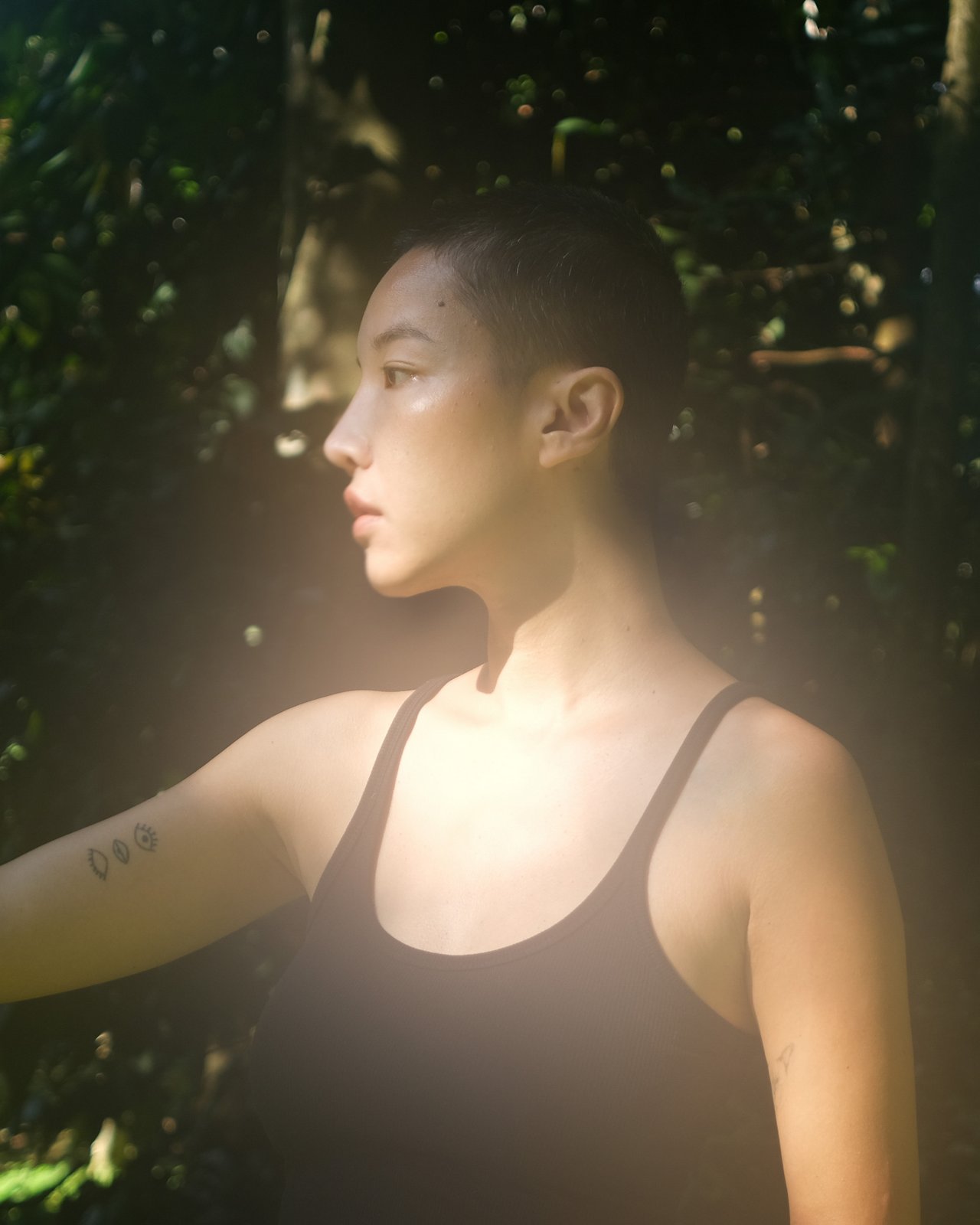
Thai visual artist Pare Patcharapa Inchang was in residence at Rimbun Dahan for one month in April 2025.
About the Artist
Pare Patcharapa Inchang (b. 1984) is an artist based in Thailand. She began painting in her mid-thirties. Her painting work primarily focuses on themes of emotions through poetics, memories within individuals or communities, and the interaction of social issues and political conditions, reflecting personal experiences.
Pare holds a BA from King Mongkut’s Institute of Technology Ladkrabang. Her works have been exhibited across Thailand. Her photo book Touch Me is published by 89books, Italy (2022). She was a fellow at apexart in New York in 2024.
Whisper from the Ground : Soundscape Between Soil and Sun
Time is the creator of what we are and what we desire to become. We live in the moment, whether because it has not yet happened or because it has already passed.
Music is an art that conveys sensations in another form, is the aesthetic of time without consuming space.
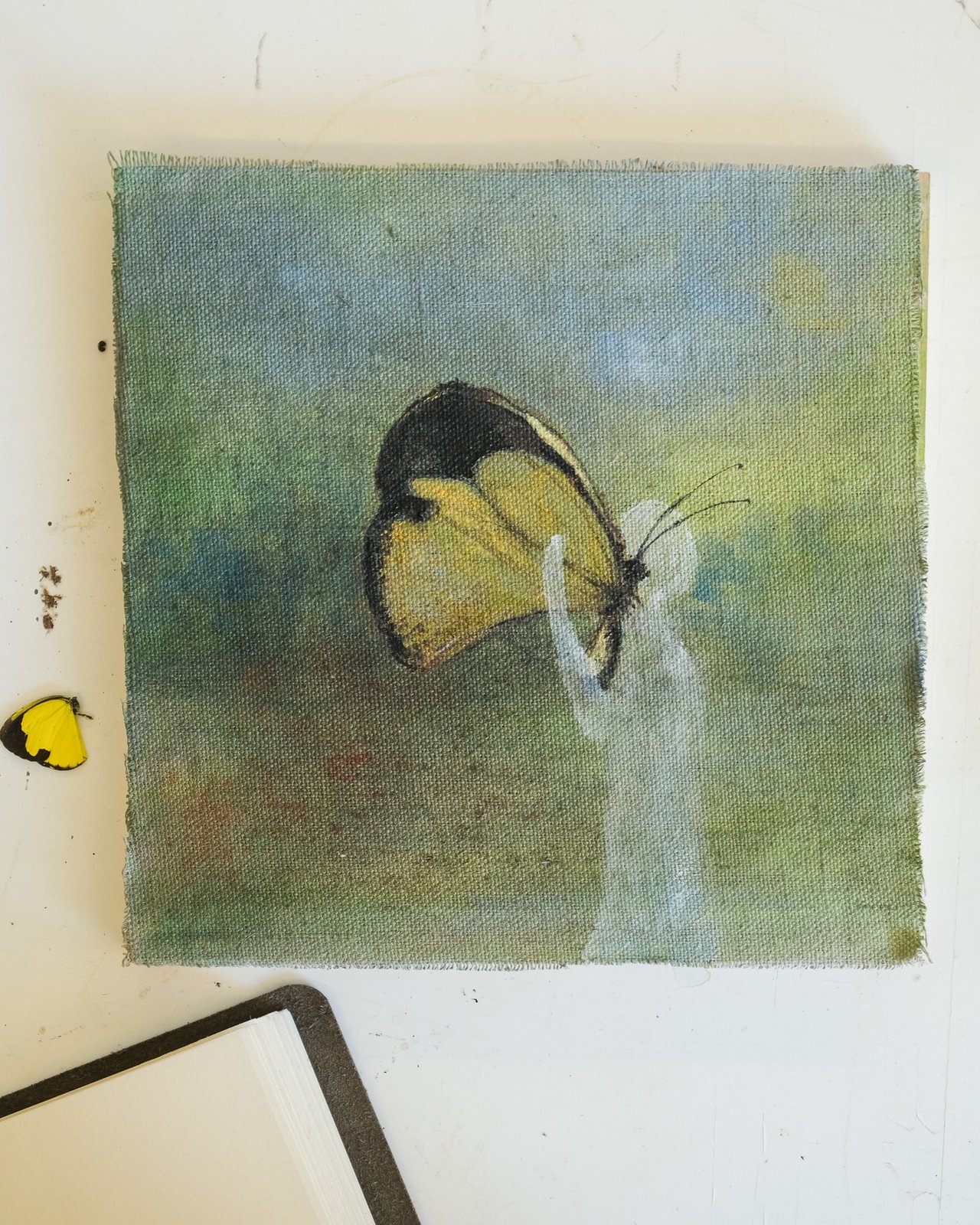
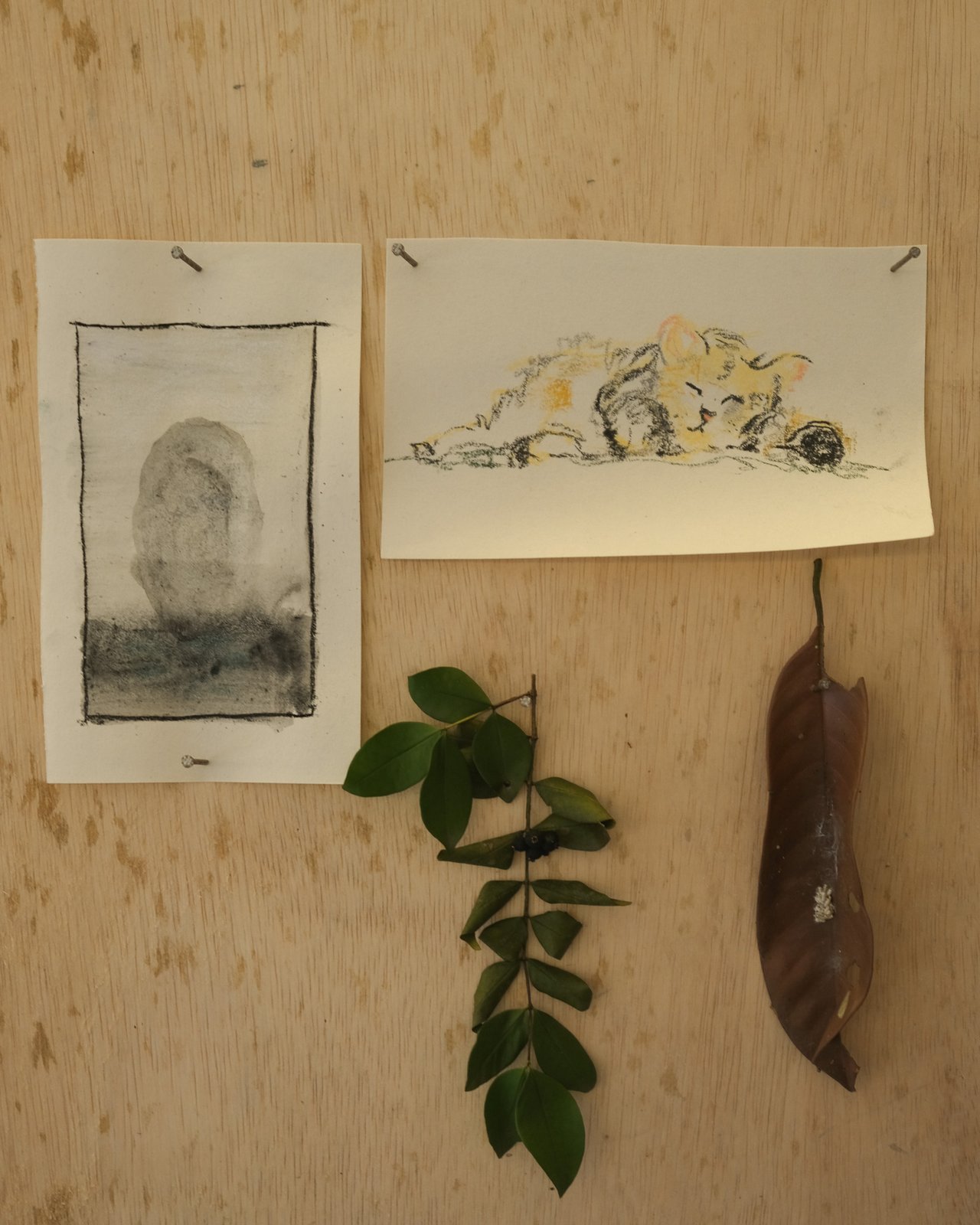
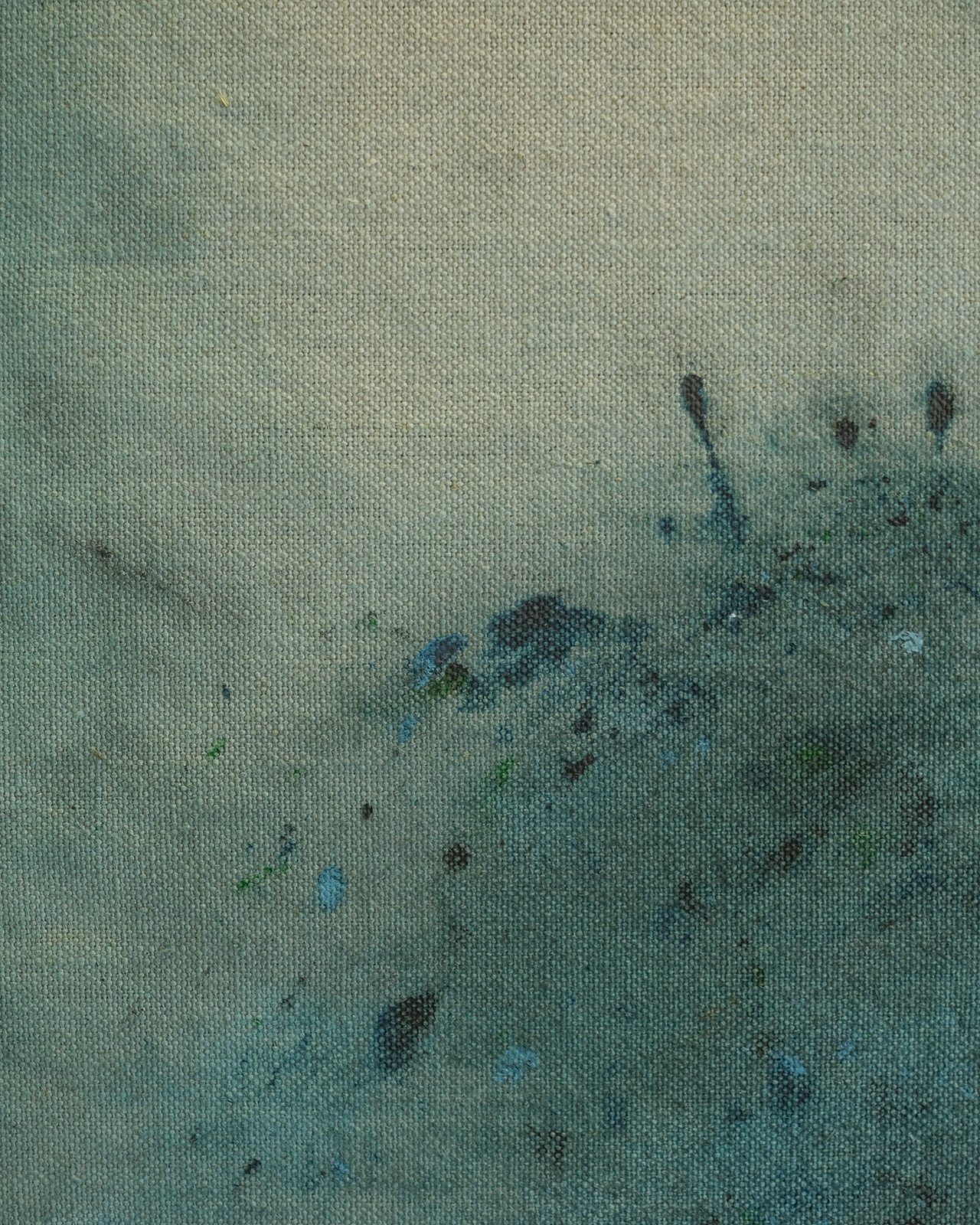
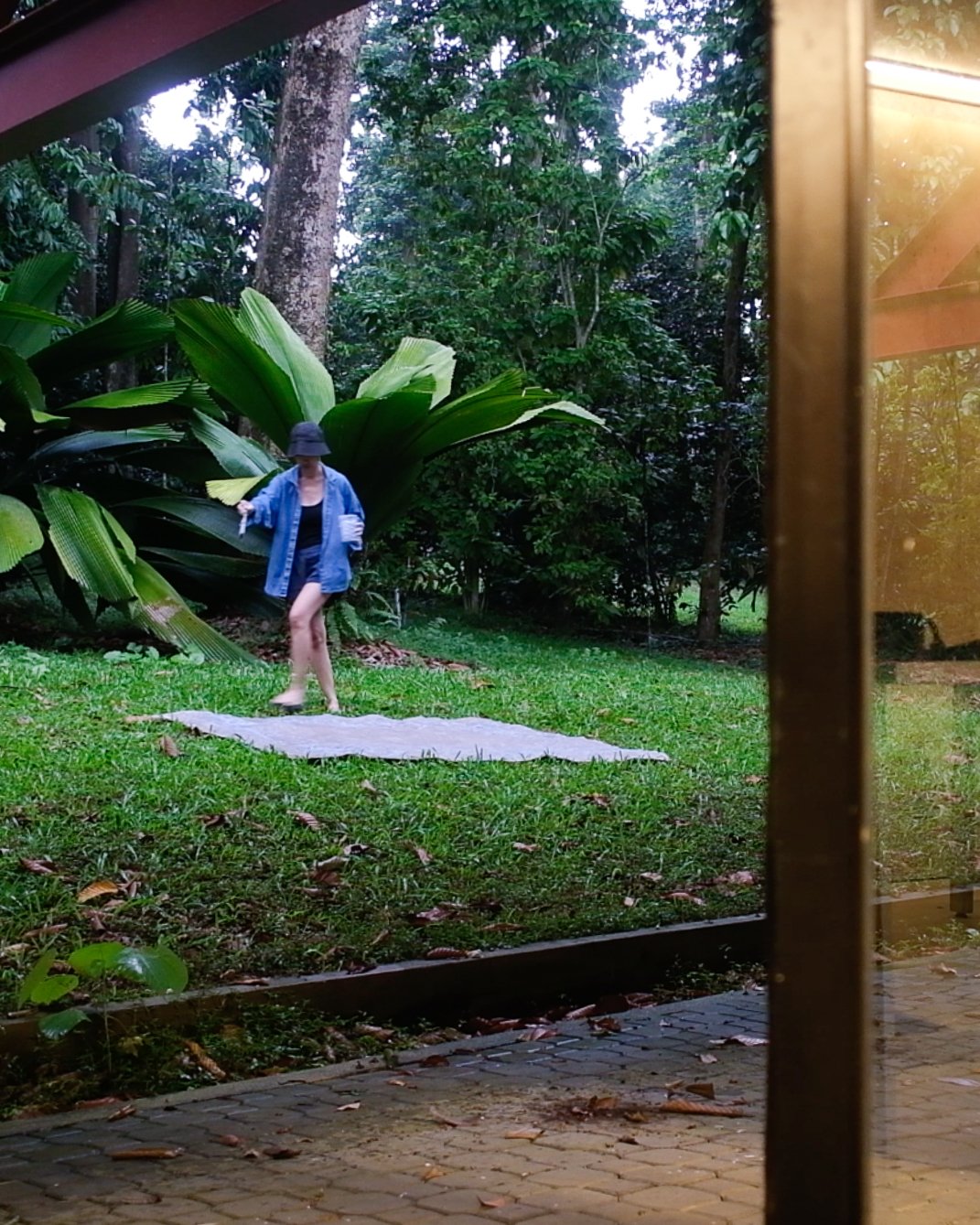
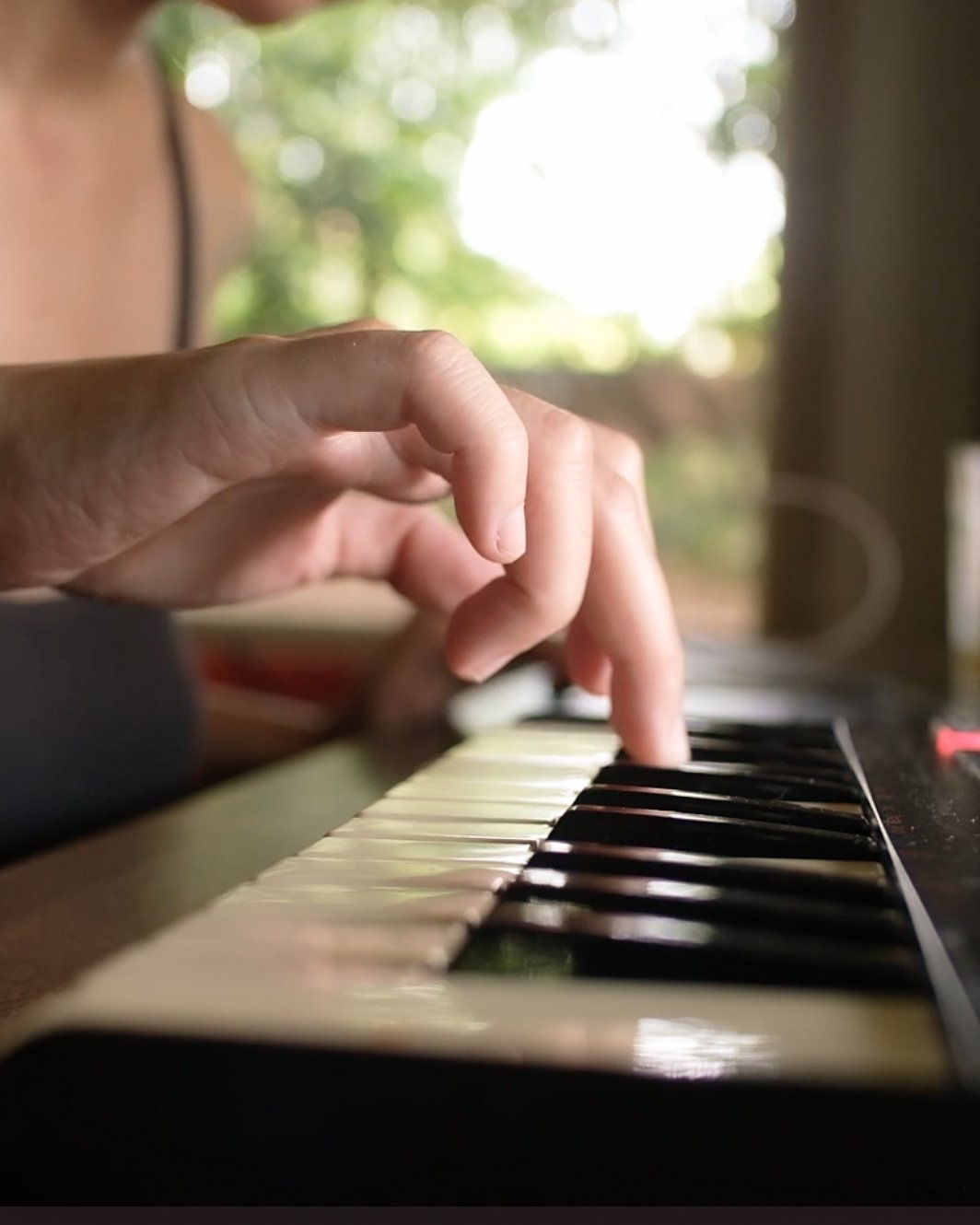
The process of this project started with exploring the area around Rimbun Dahan, examining the traces of living beings. It presents stories of the passage of time that moves through the story of life, labor for whom the completeness of plant species is never ending, in the form of paintings to represent the feeling of being enveloped by movement of colors in raw linen, as well as sound recordings of insects and wind to create a music about space between the creator and the sun, reflecting the state of something that resembles reality.
All painting and music experiments emerge at the atmospheric crux between present and past, conjuring the liveness of place where I was.
Pitchaya Ngamcharoen is Thai artist based in Chiang Mai and Bangkok. As an animal spirit, Pitchaya has always been drawn to her own species — non-human. Her artistic process usually involves animals and human participants to create a form of transparent overlap which is then transformed into an art event or object. The outcomes are often shown in interactive installation, sculpture and online sites.
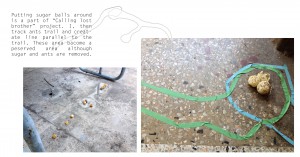
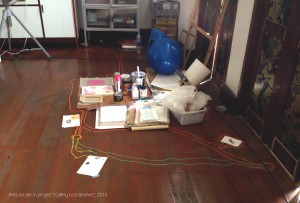
Her last experimental project, “Calling Lost Brothers”, is a project which aims to visualize an animal as an unnoticed and unperceived territory. Conversations between the artist and other species are easily made when we share one thing in common — energy resources.
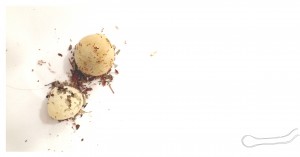
Pitchaya is interested in the overlapping layers of human living space and that of animals. In the city, a small amount of people realize or care about animate creatures living underneath or above us unless they bother them. In this project, sugar is used to track ants which live in the same building with the artist. The ants’ trails are marked and preserved. The audience is presented with a map showing these ants’ trails and invited to explore the building through the ants’ eyes.
Pitchaya will be in residency at Rimbun Dahan for the months of April and May 2016.
Kedsuda Loogthong (b. 1983, Songkhla, Thailand) graduated from the Faculty of Fine and Applied Arts at Bangkok University, Thailand in 2006. Loogthong’s early works examine the urbanization of her rural landscape and society and how consumerism has affected the lives of simple country folks. Her recent works explore the visual potential and associated symbolism of a number of mundane objects such as books and ribbons. She has participated in many group exhibitions in Thailand, Singapore, the Philippines, South Korea, Malaysia and Finland. Her works are in the permanent collection of Singapore Art Museum, Singapore.
Kedsuda will be at Rimbun Dahan as a resident artist for the month of July 2015, via a collaboration with Richard Koh Fine Art.
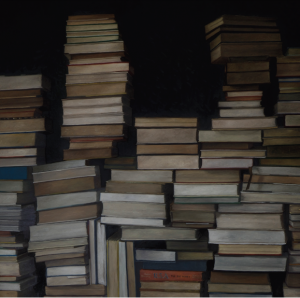
The Fortress 2014 Oil on linen 125 x 125 cm
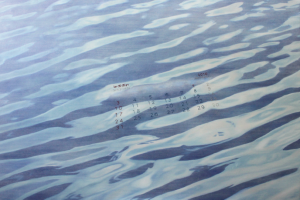
The Moment of Time 2011 Oil and embroidery on canvas 100 x 150 cm
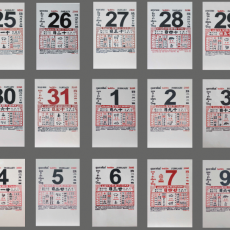
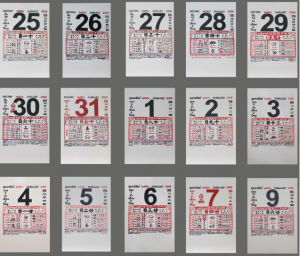
Broken Almanac No. 1 2011 Acrylic on canvas 20 x 30 cm (each)