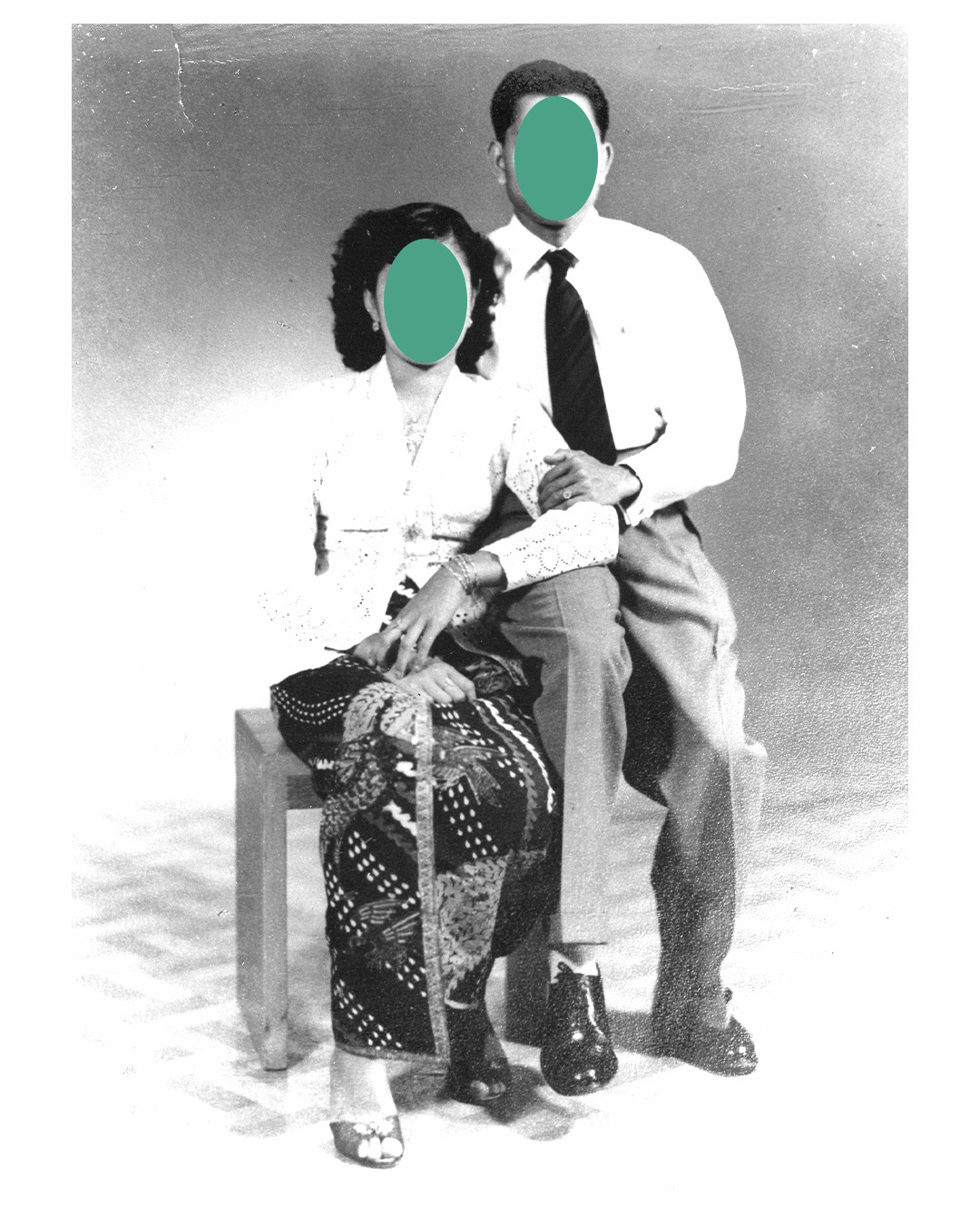
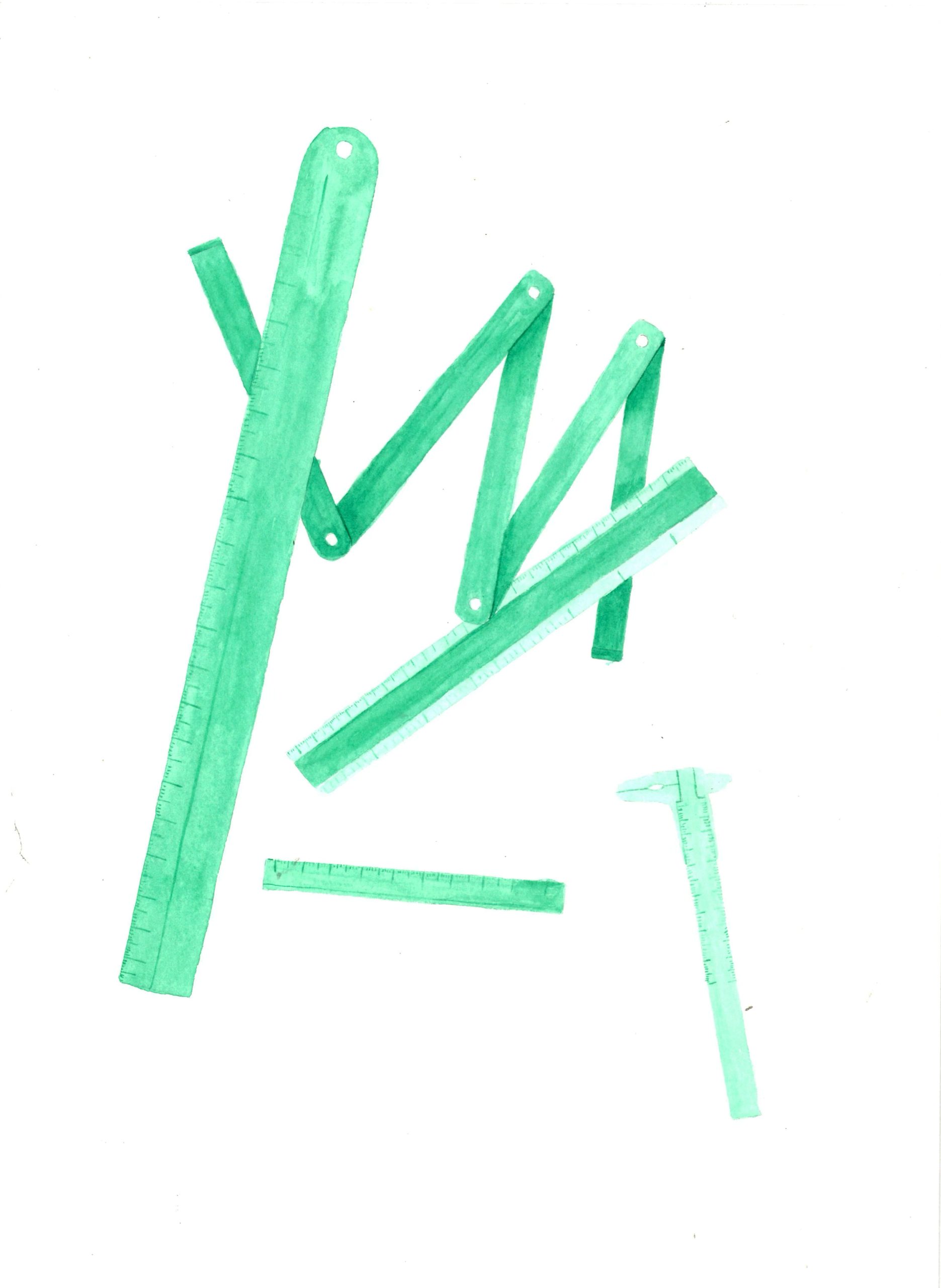
Malaysian visual artist Anas Afandi has used his 2-month residency at Rimbun Dahan in 2026 as a period of research and experimentation, cultivating a daily practice of collecting fallen kemboja flowers and experimenting with collecting and documentation methods from botanical and archaeological practices, while thinking about cultural memory and meaning.
About the Artist
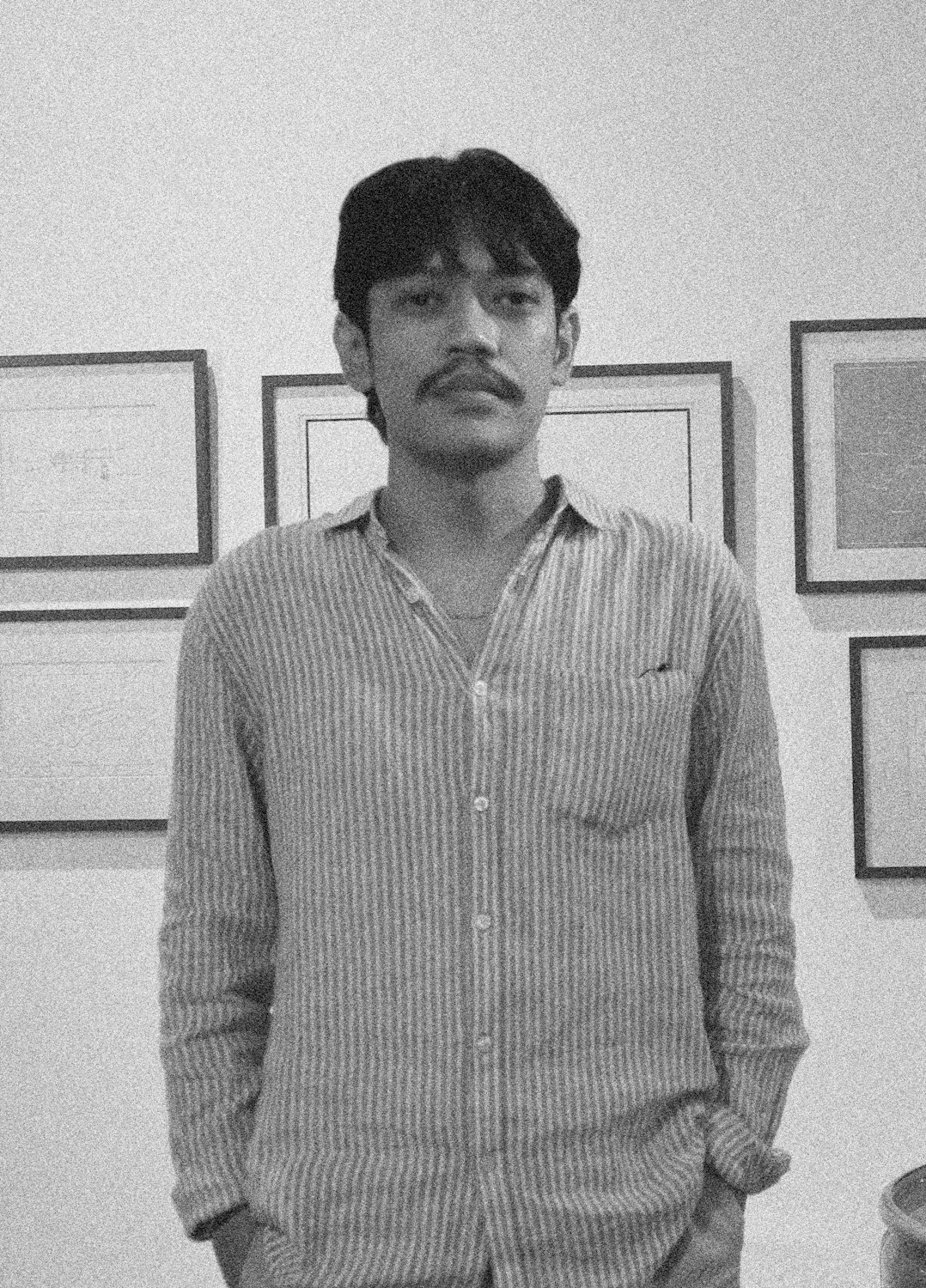
Anas Afandi (b. 1991) works across drawing, painting, sculpture, and installation. His practice examines the relationship between the natural world, history, and cultural identity. Through research-driven projects and speculative methodologies, he often constructs pseudo-worlds that question how institutions shape his surroundings. In recent years, Anas’ work has expanded toward environmental politics, colonial legacies, and the construction of cultural narratives, positioning the environment not only as a subject of representation but as a method of inquiry.
About the Residency
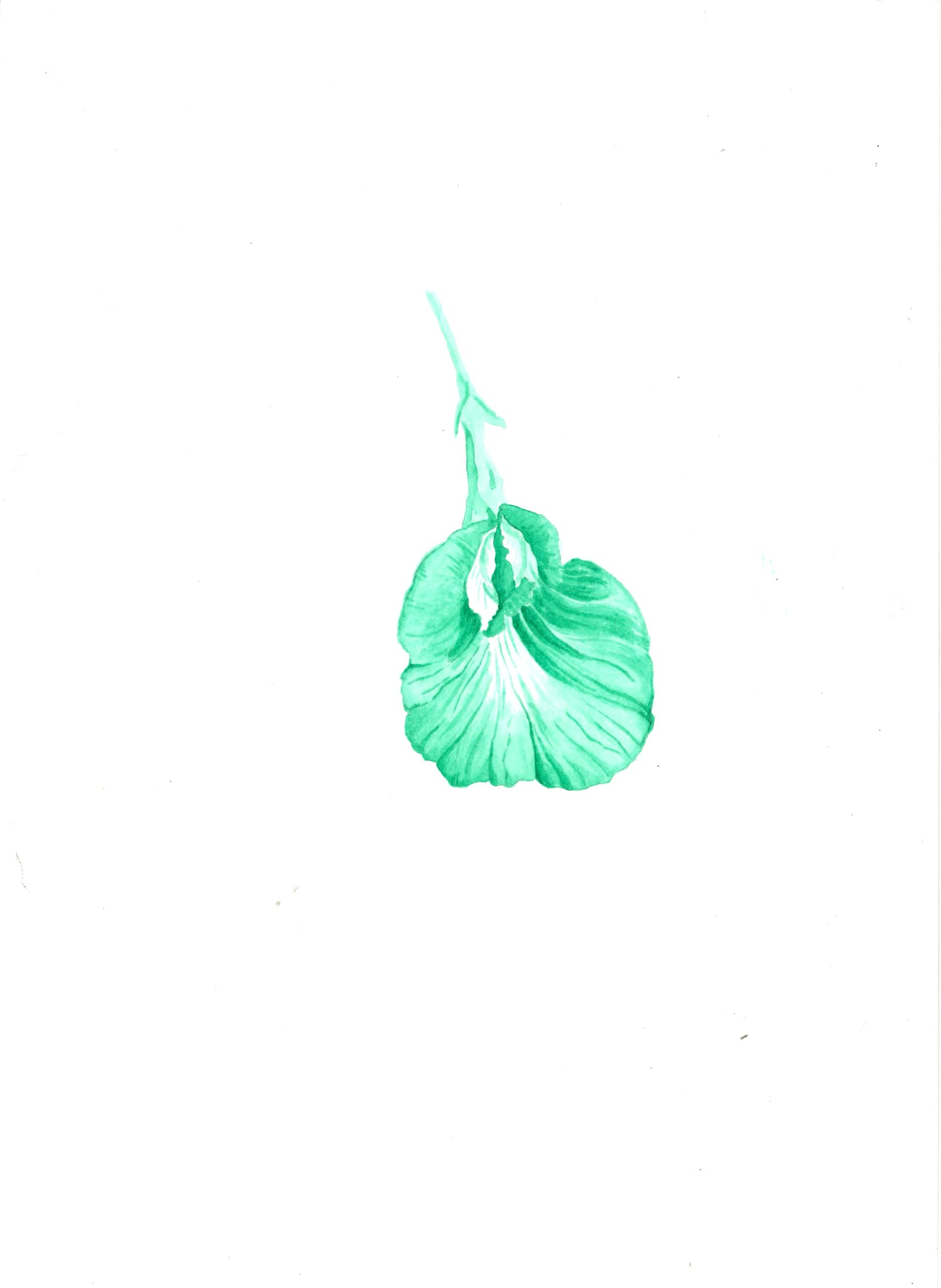
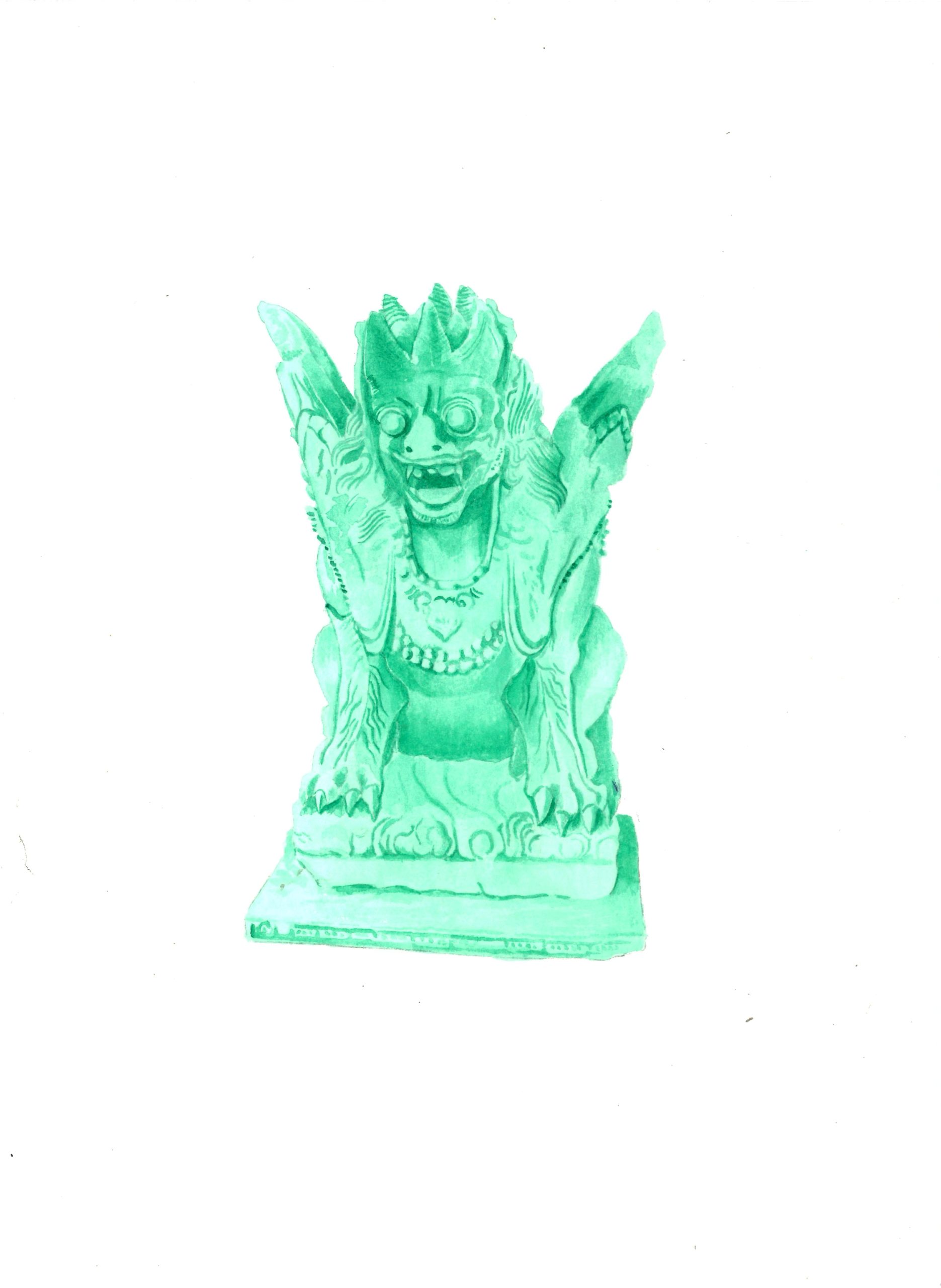
Pictures Of You
Over the course of this residency, I focused my research on Taman Sari, a garden in Rimbun Dahan dedicated to the collection and preservation of medicinal and fragrant plants from the Malay Archipelago and its surrounding region. I approach the garden as a model for thinking about culture, investigating how plants can become carriers of history and identity, and how systems of preservation construct cultural narratives.
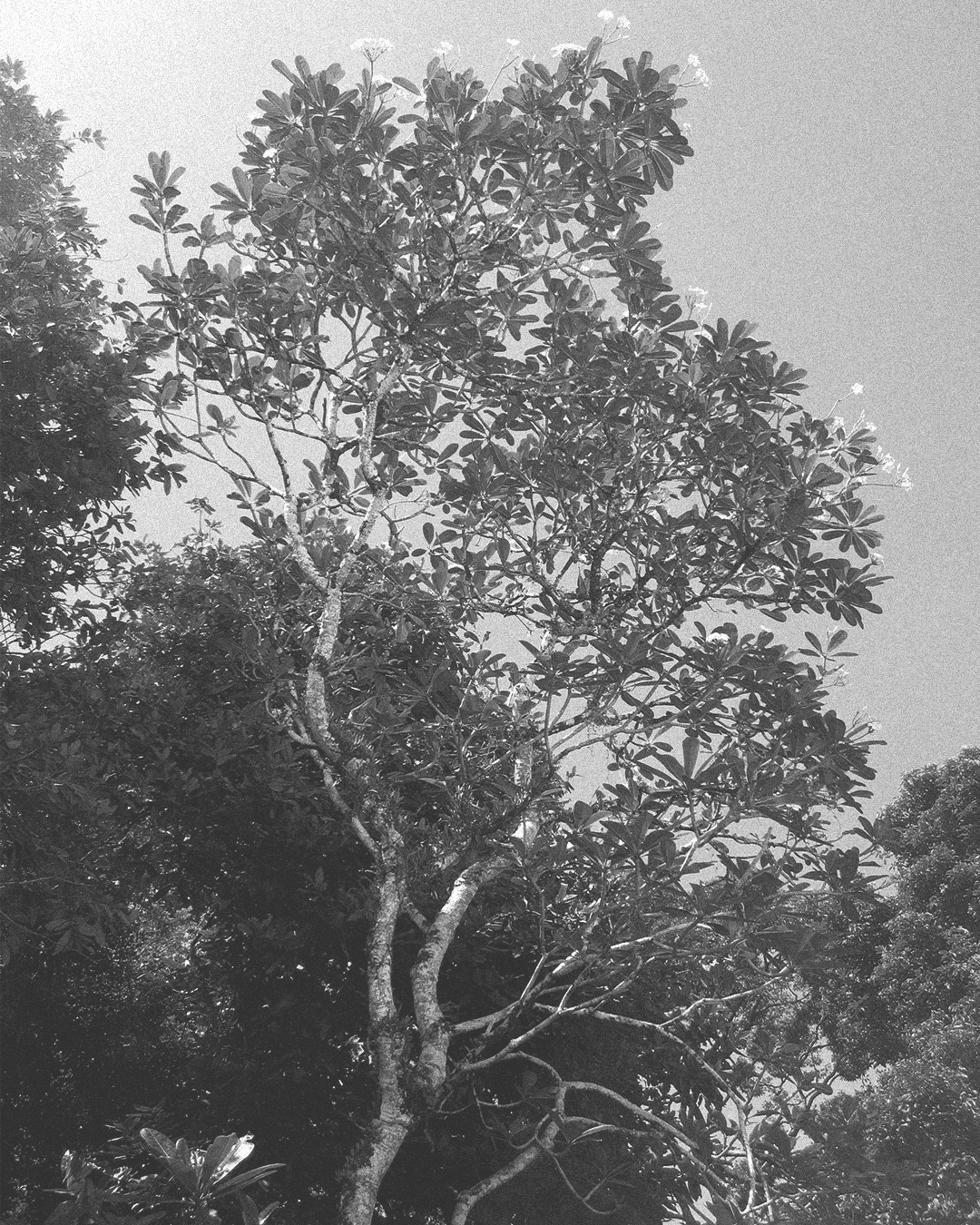
I am interested in the kemboja; a naturalised, non-native species that holds deep personal significance for me. It became the entry point for this research. Its continued presence in Taman Sari exposes a tension between botanical classification and its cultural significance. Even though it has been part of the garden for almost forty years, it will not be replanted once it dies, keeping with the garden’s commitment in preserving species native to Southeast Asia.
Hence, the anticipated disappearance of the tree one day raises questions beyond botany that shape this project; (1) what happens when something culturally meaningful no longer fits within systems of preservation and (2) how do we preserve forms of attachment and meaning that extend beyond physical material?
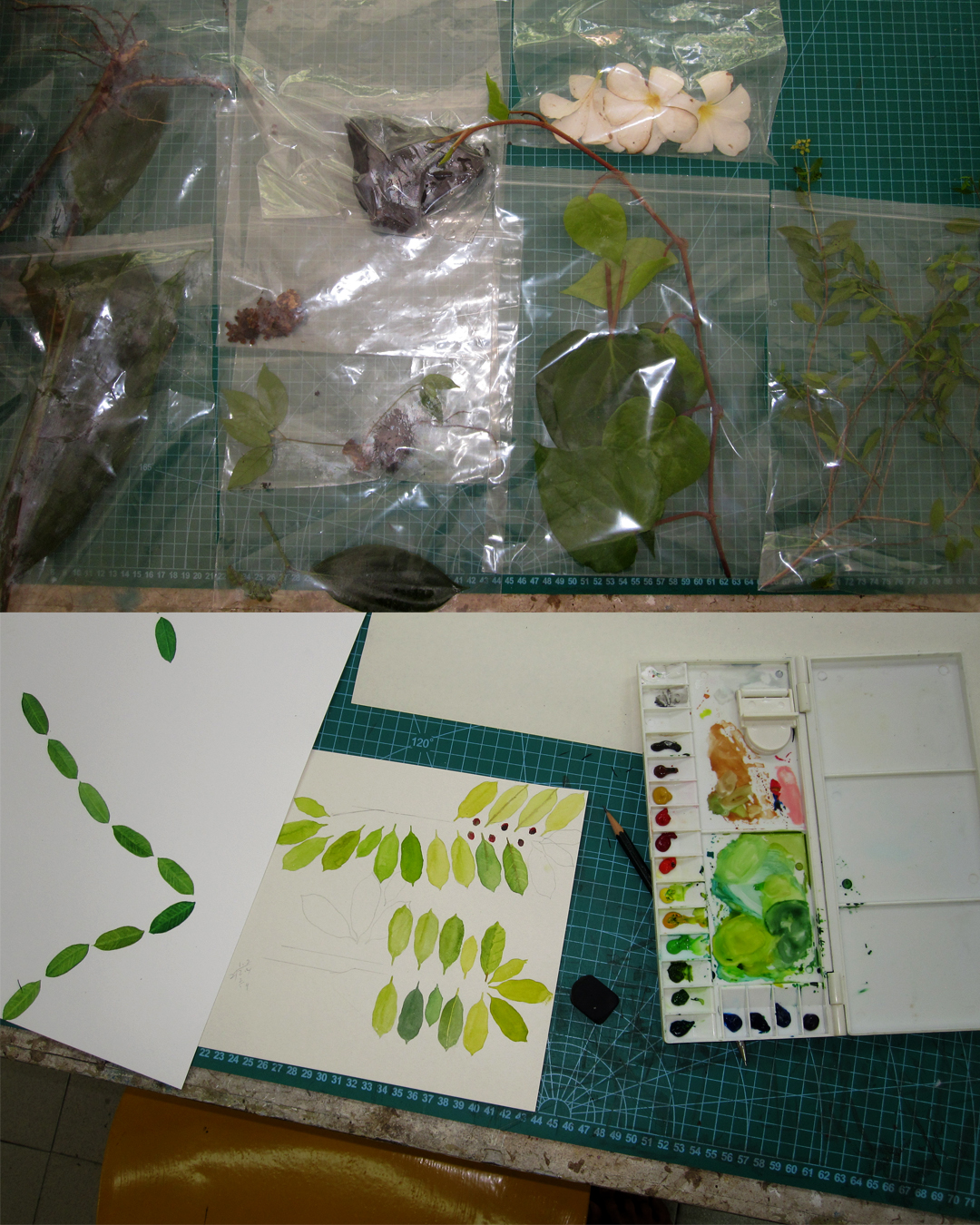
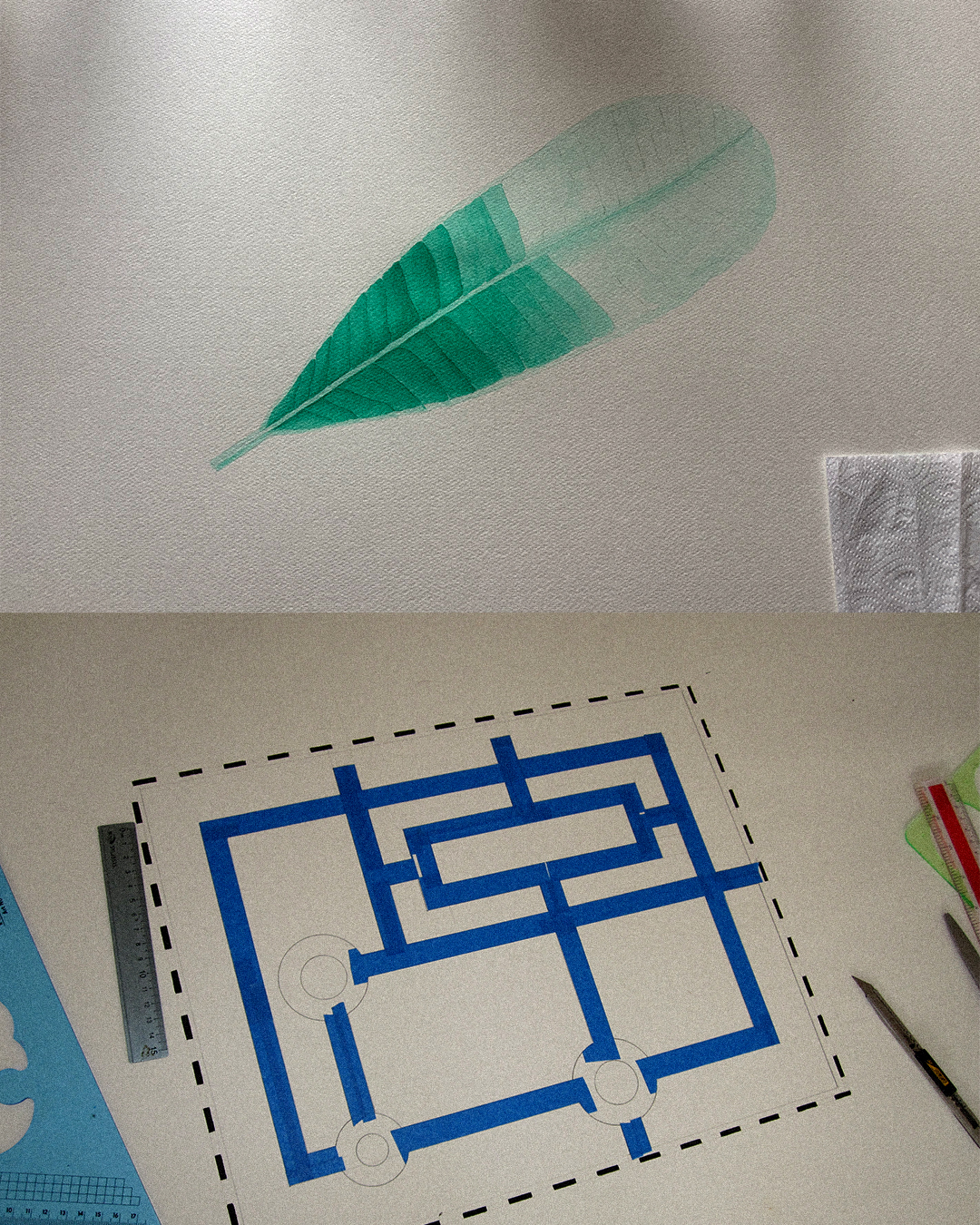
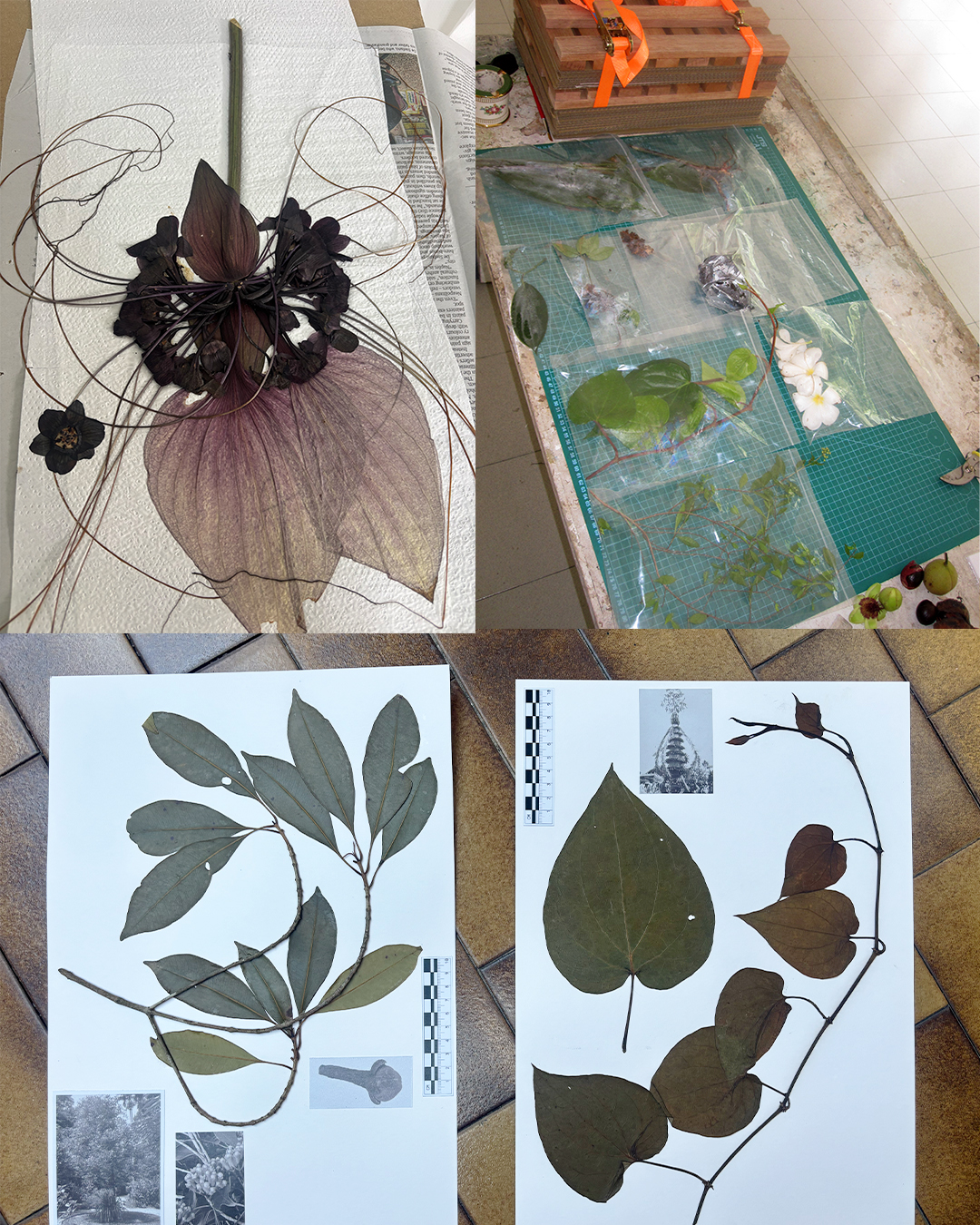
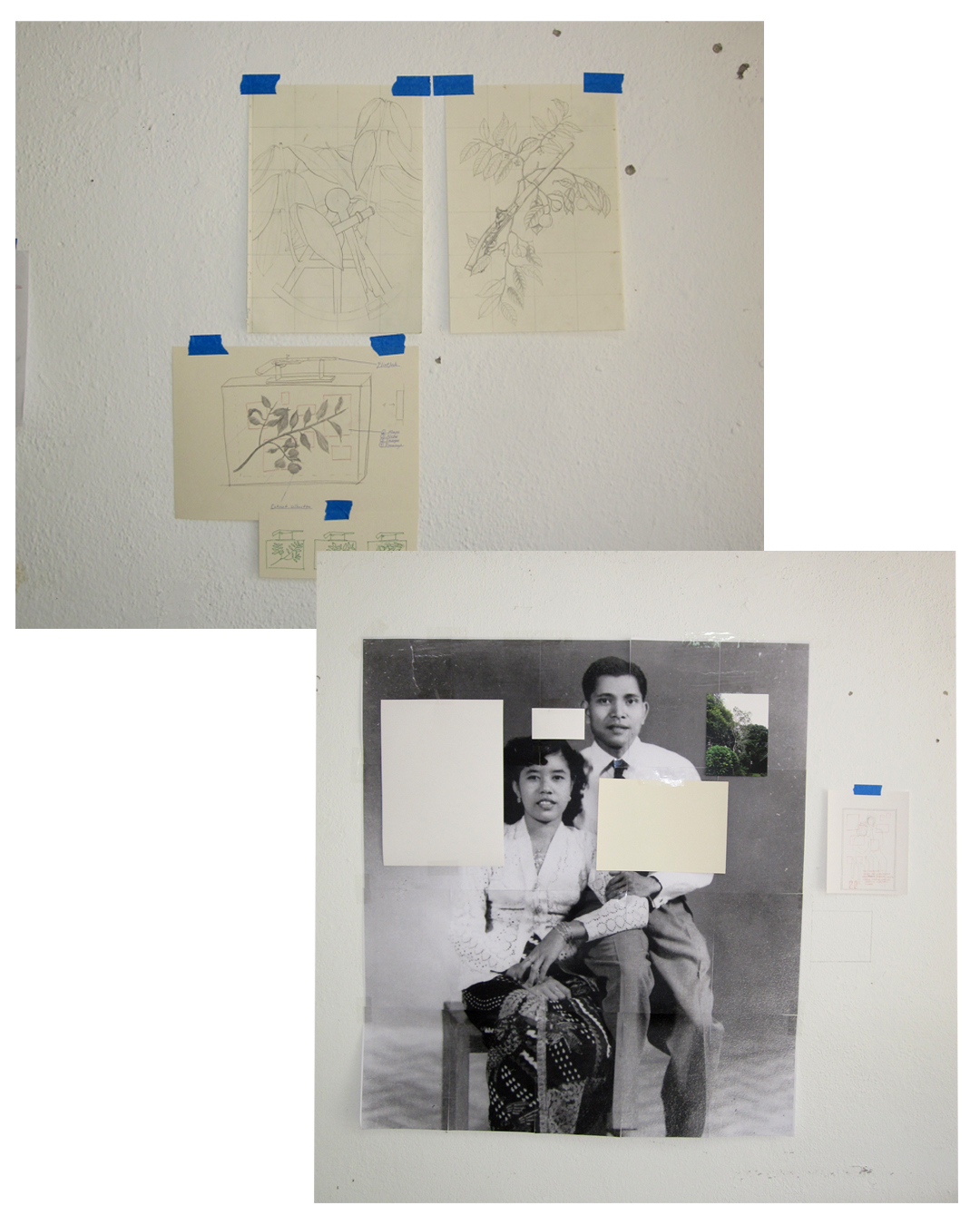
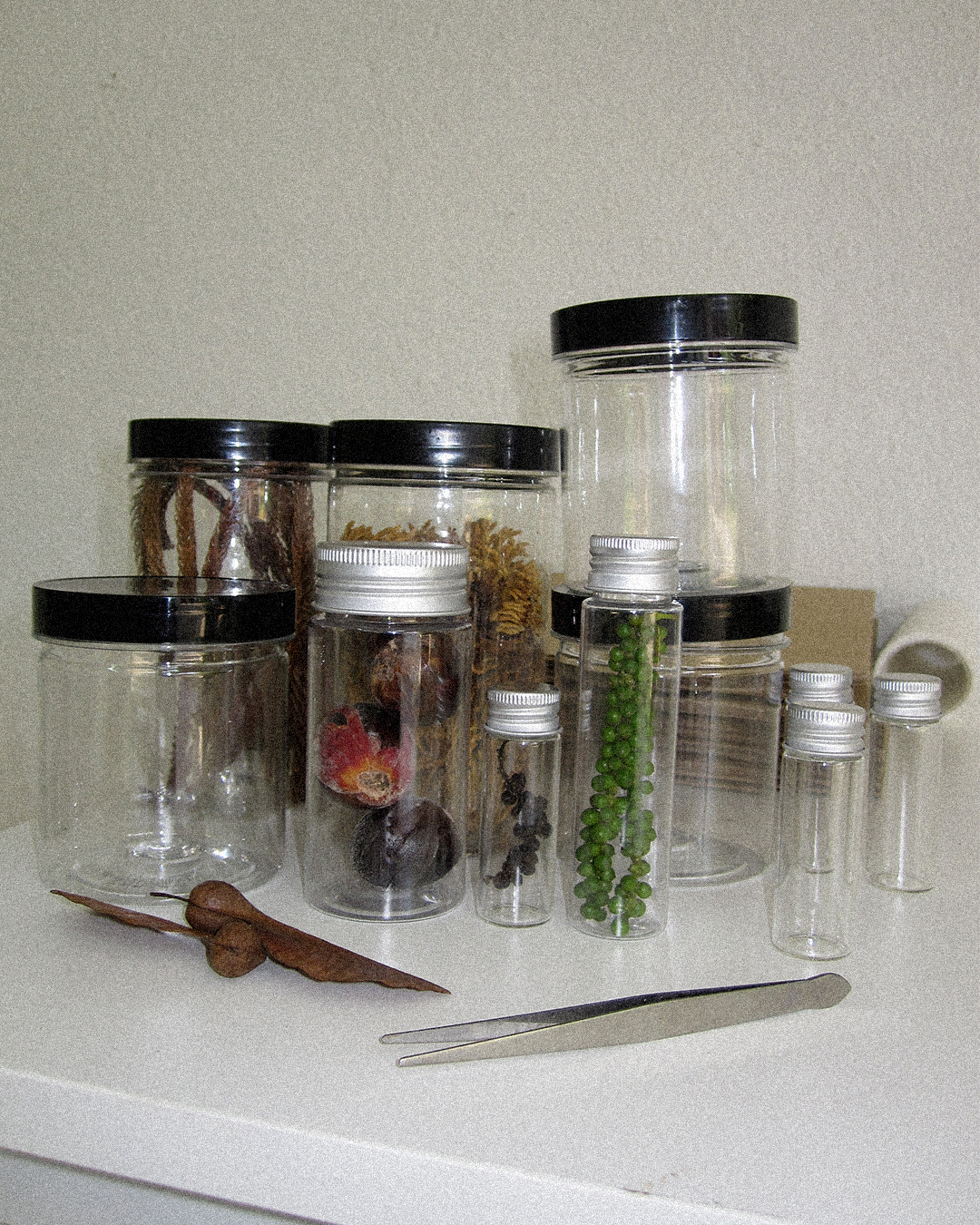
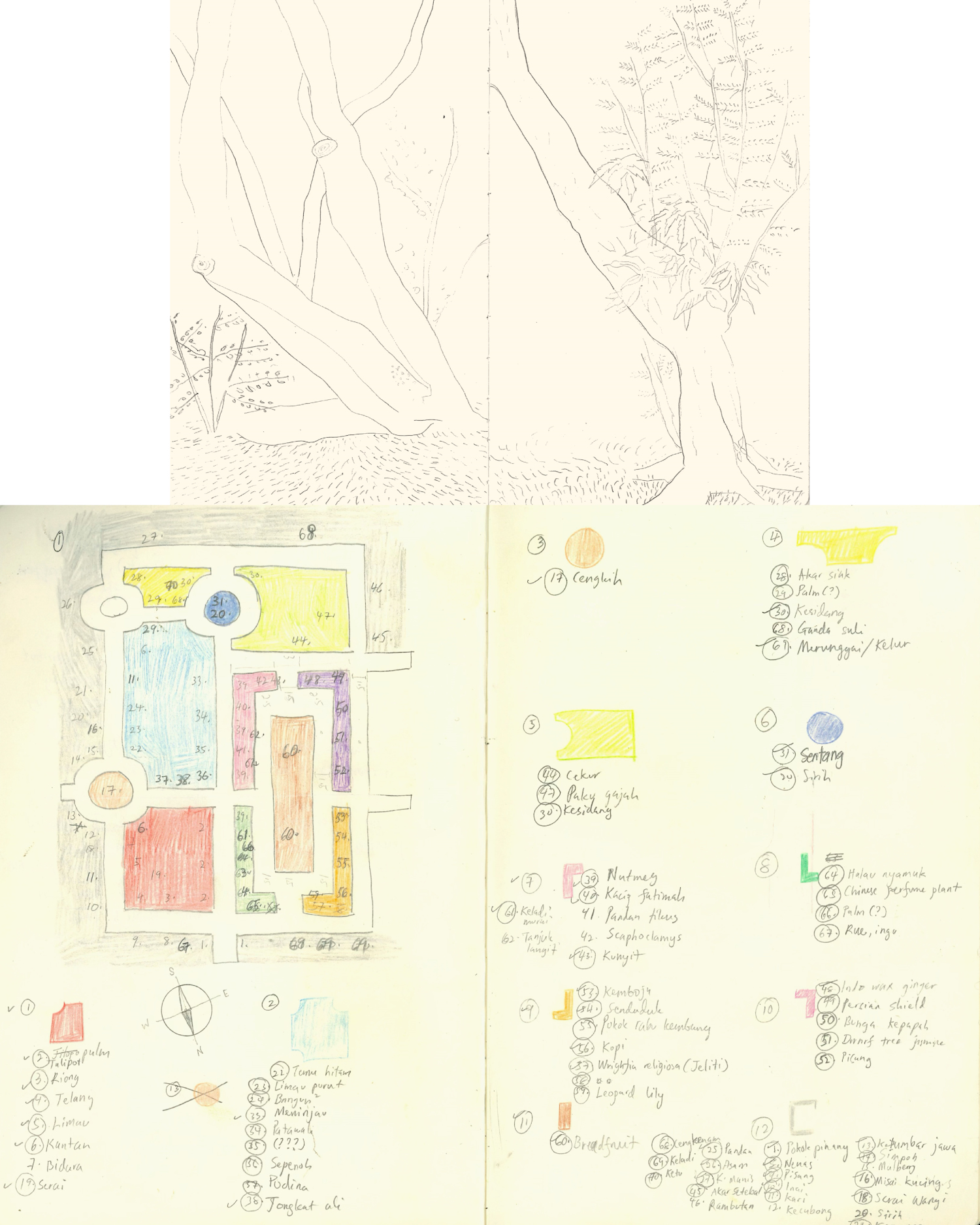
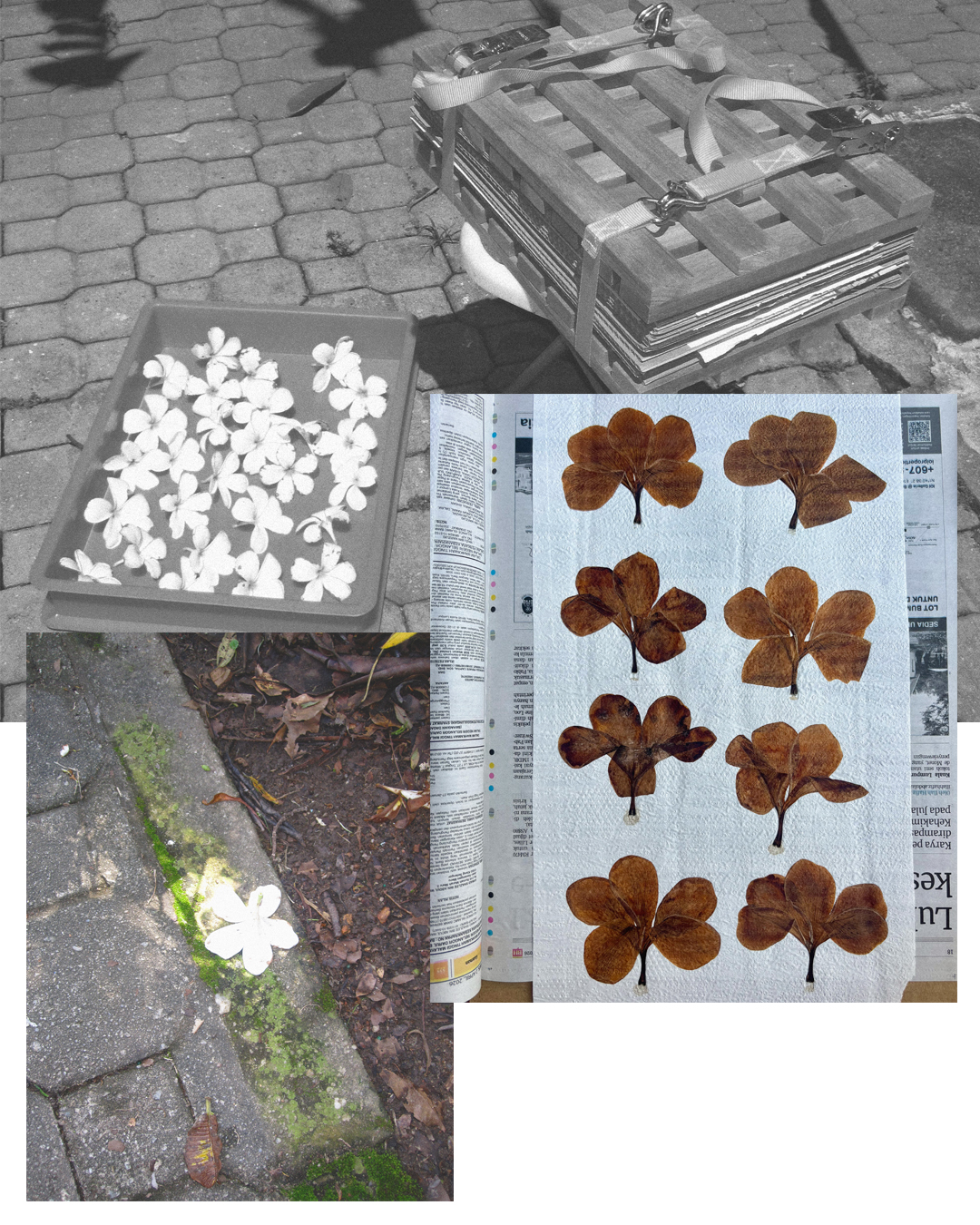
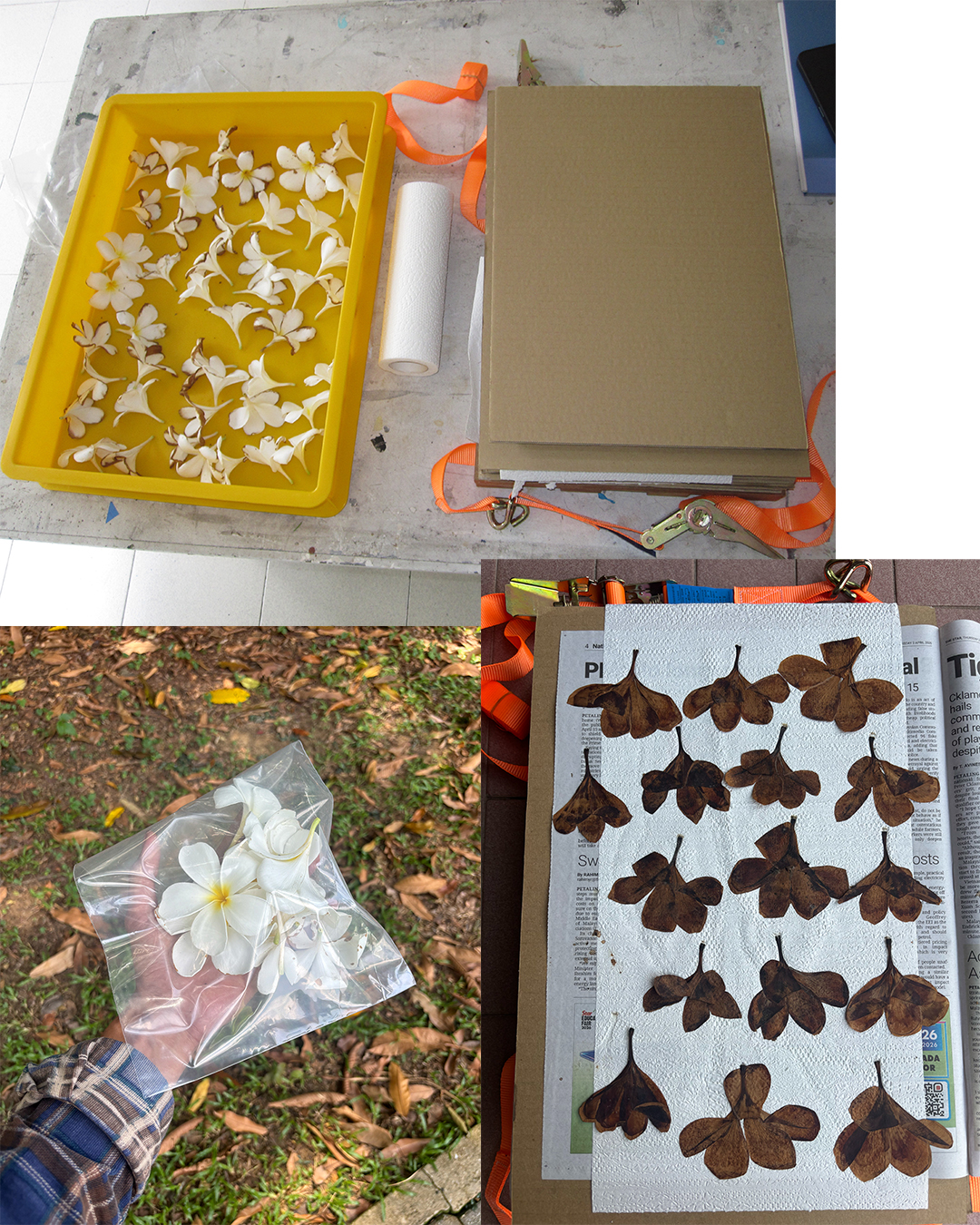
One of the projects that I worked on was creating a daily ritual of walking through the garden and gathering kemboja flowers that had fallen from the tree every morning. The flowers were then preserved. By conducting this, I am reflecting how cultural meanings are formed gradually over time and imitating as well as speculating how such meanings come to exist.
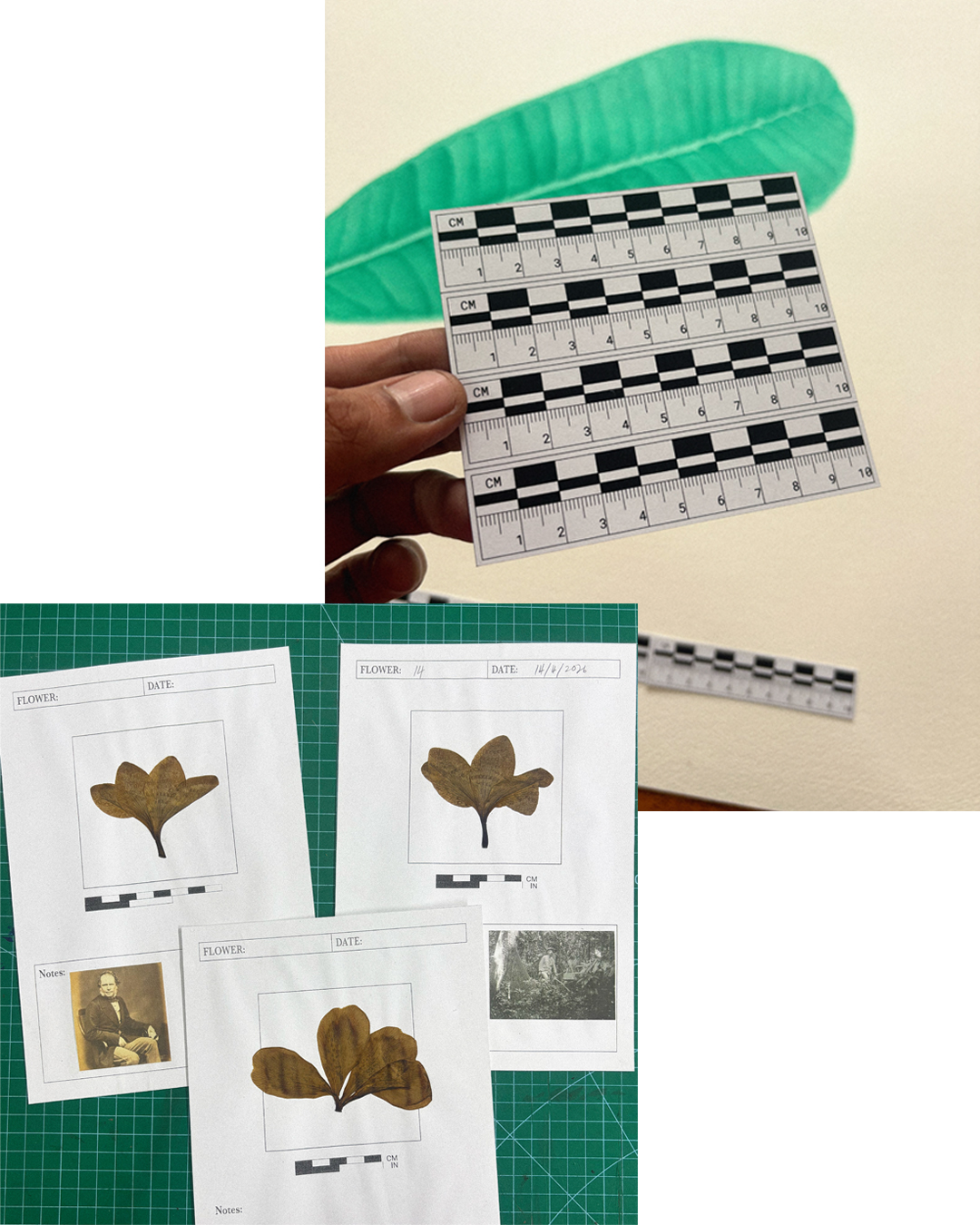
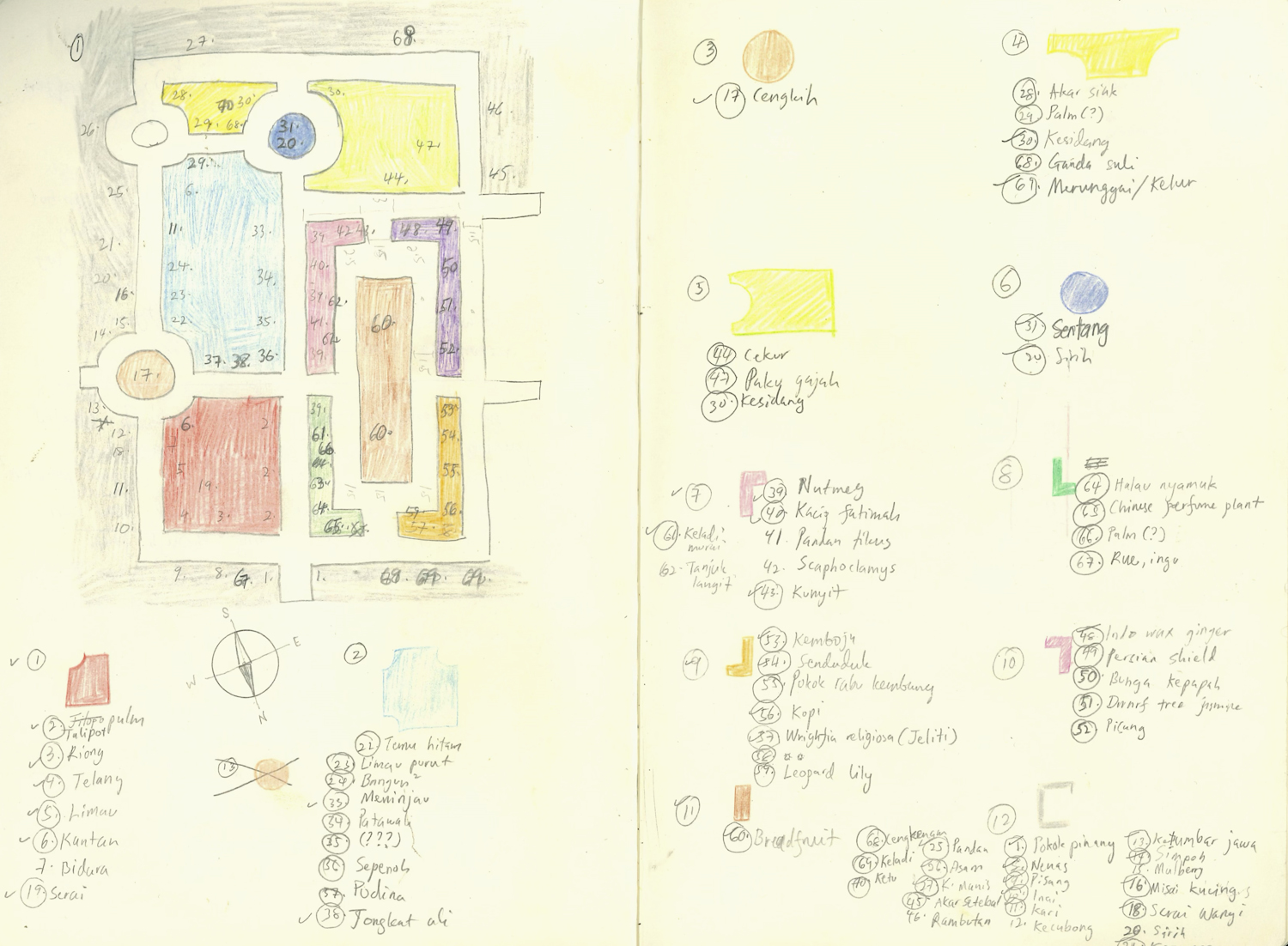
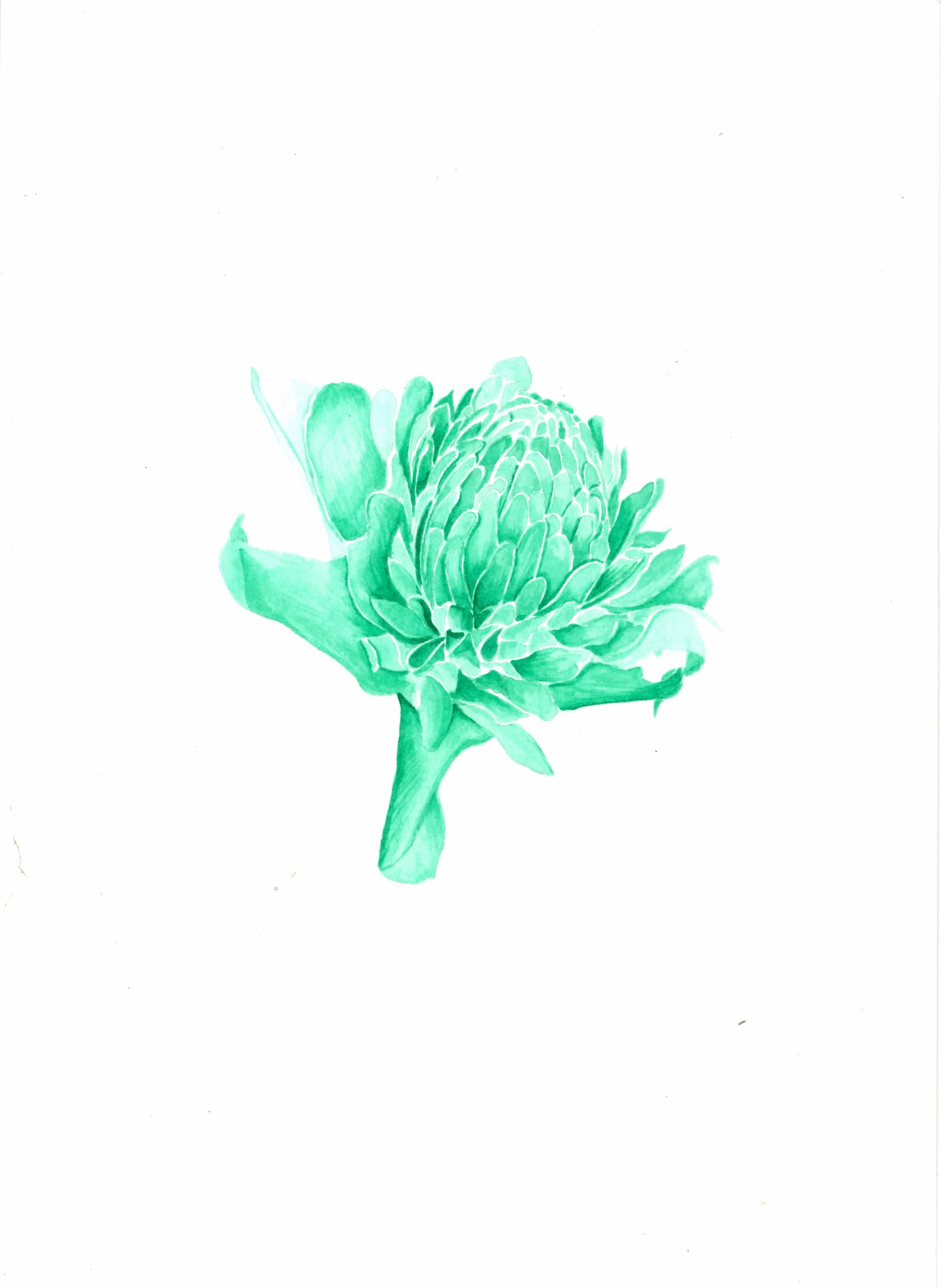
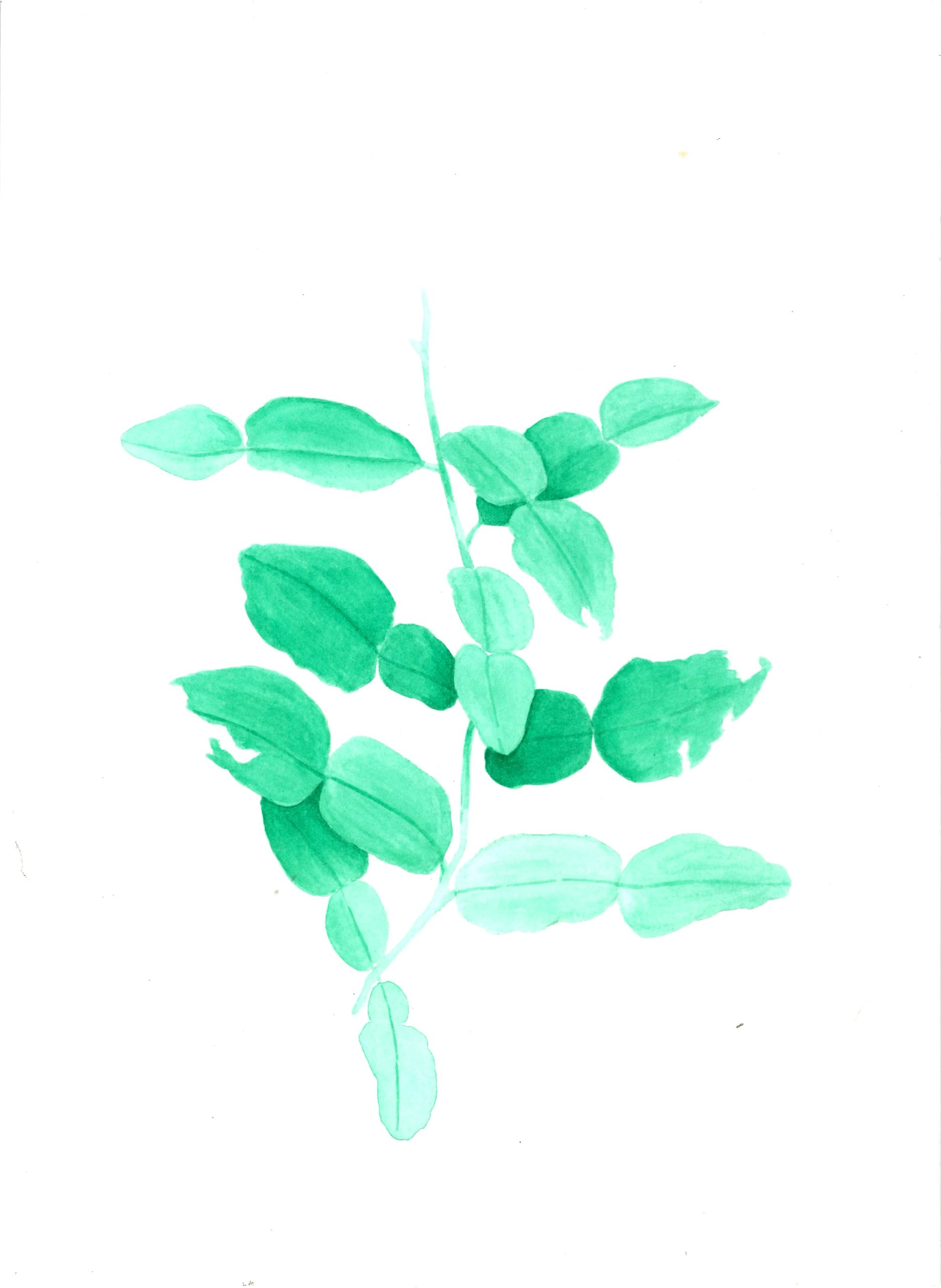
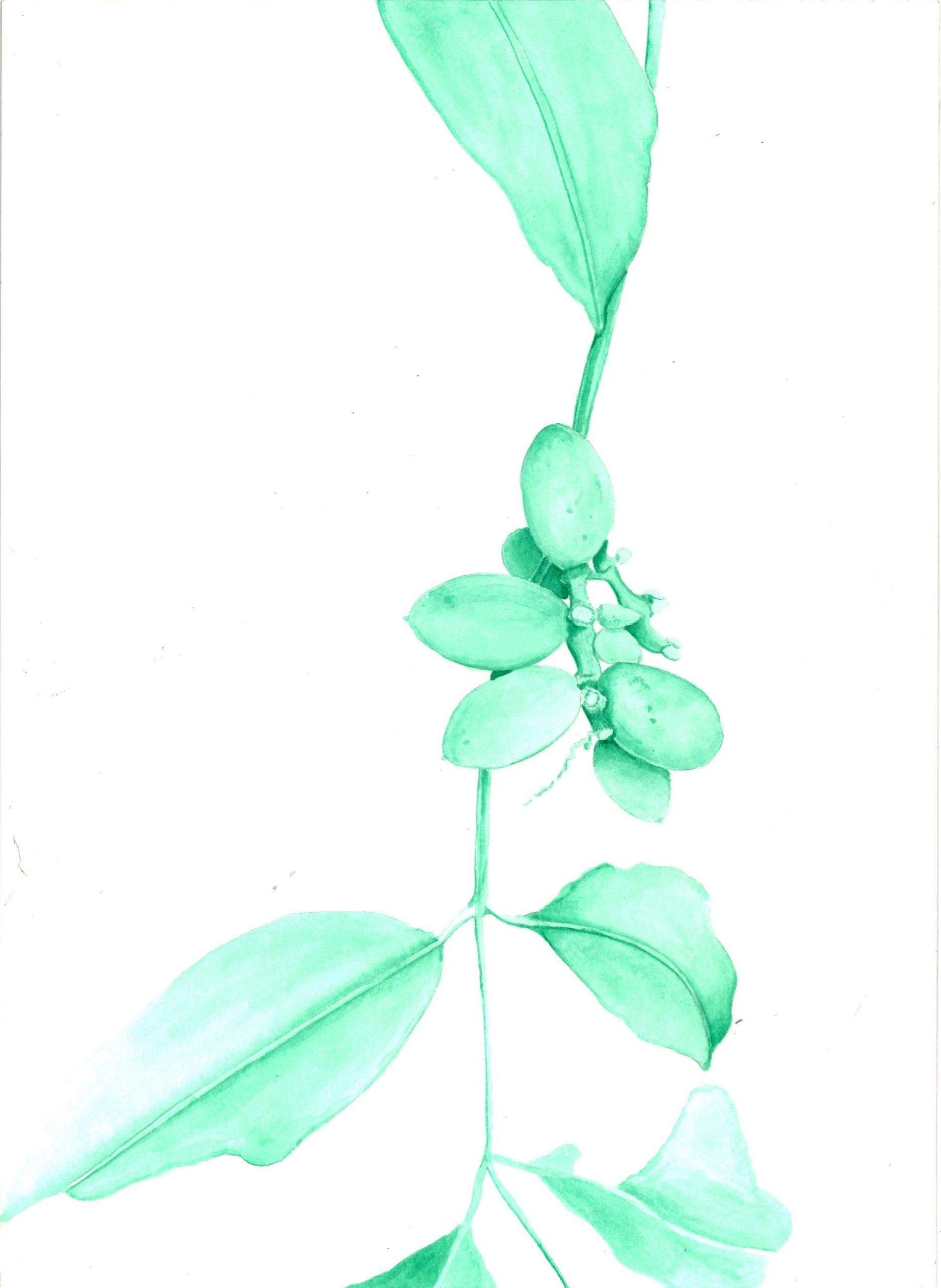
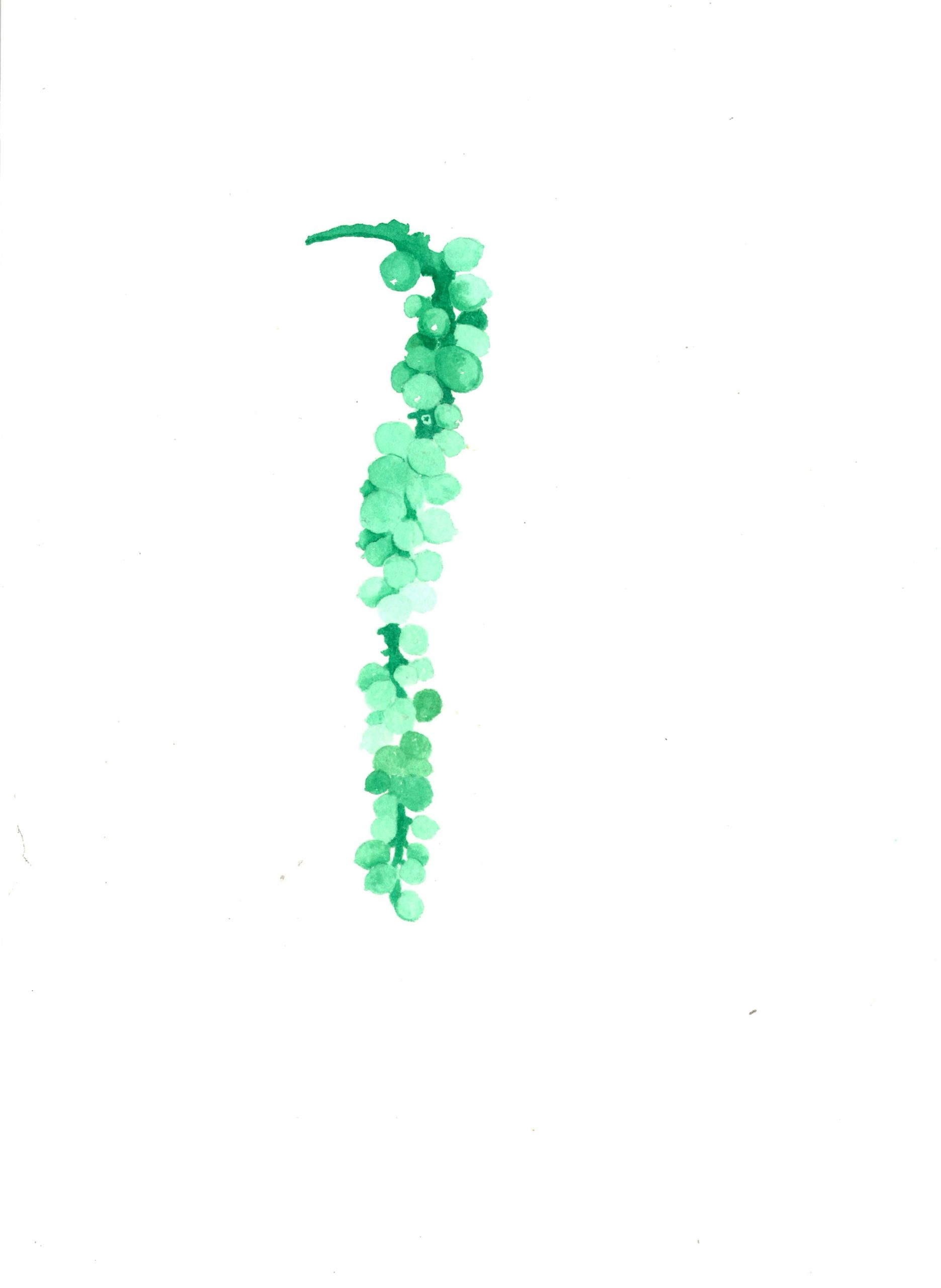
In another series, I have conducted fieldworks at Taman Sari. If the garden metaphorically represents the culture itself, the plants within it were imagined as elements that constitute cultural identity. I mapped the garden, marking the locations of each plant. Some of the plants were collected and pressed, along with botanical illustrations that do not adhere to any scientific rules. The color viridian green was chosen as I was looking for a color that gives an almost artificial representation of nature, or in other words, another version of nature rather than the nature itself.
Rather than focusing on producing finished works, this residency has been a period of research and experimentation. Methods from botanical and archaeological practices have been adopted, including collecting, documenting, and examining fragments. This process allowed me to investigate different materials and forms, from which several projects have gradually emerged and will be developed more in the near future.