Isabella Ong

Isabella Ong

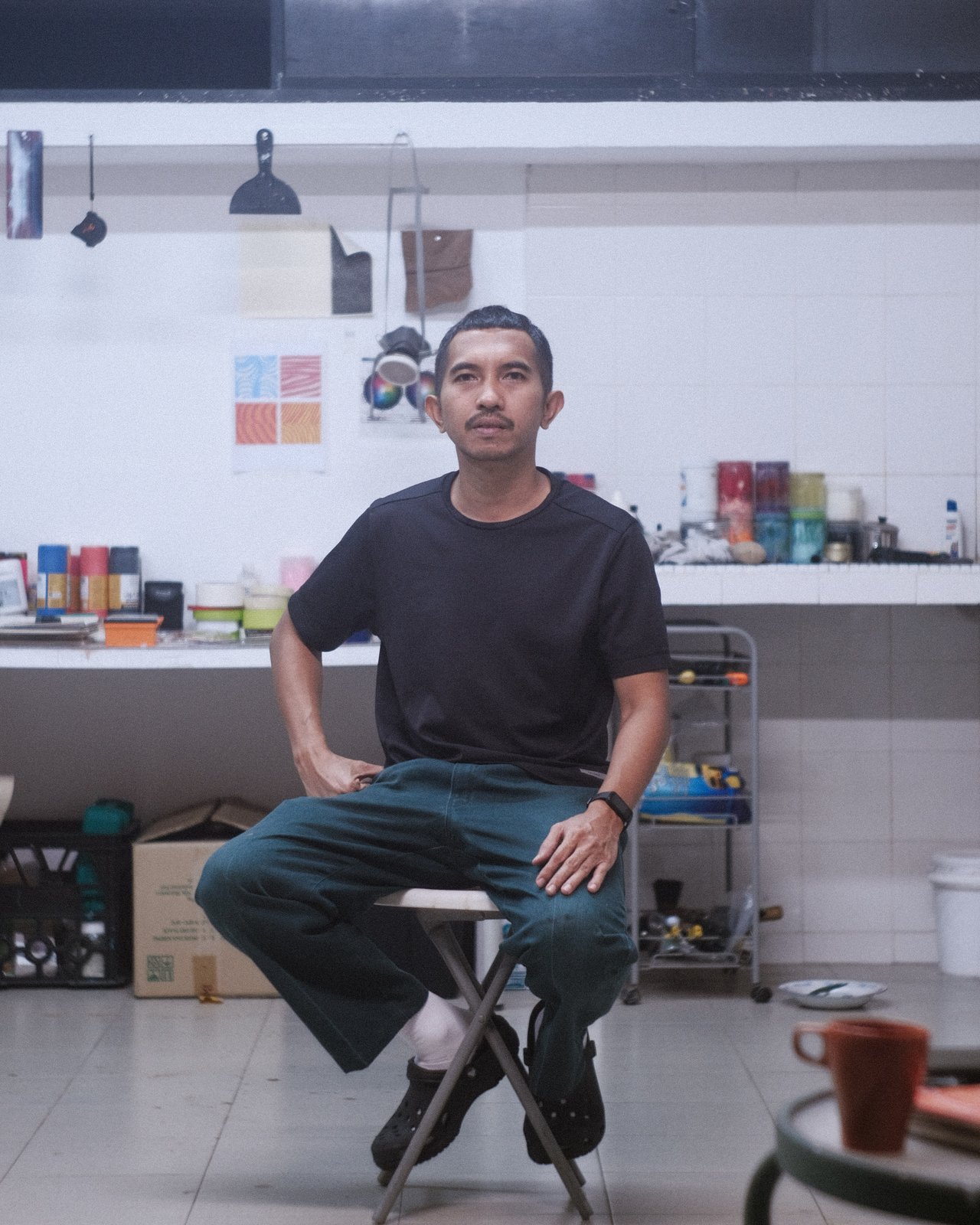
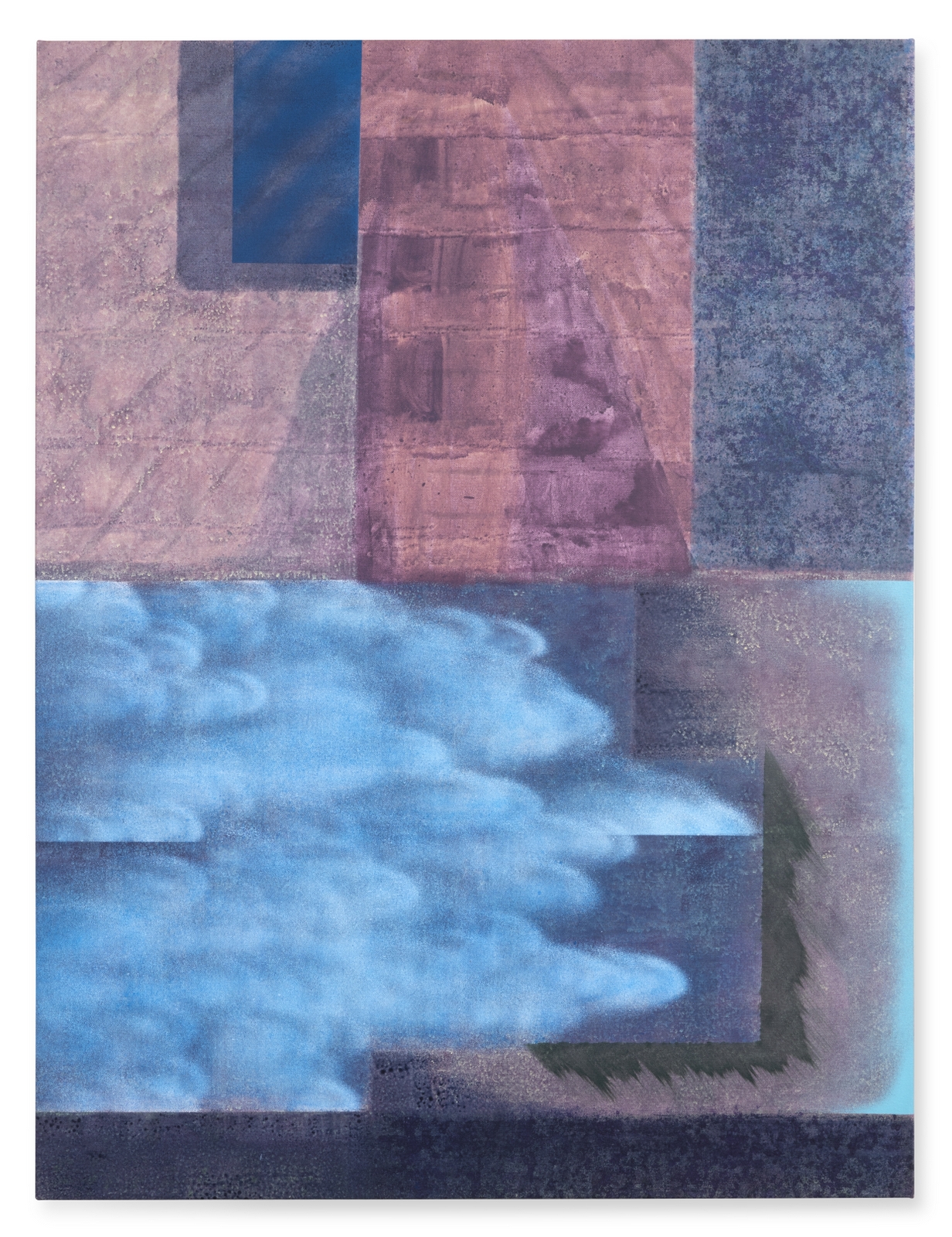
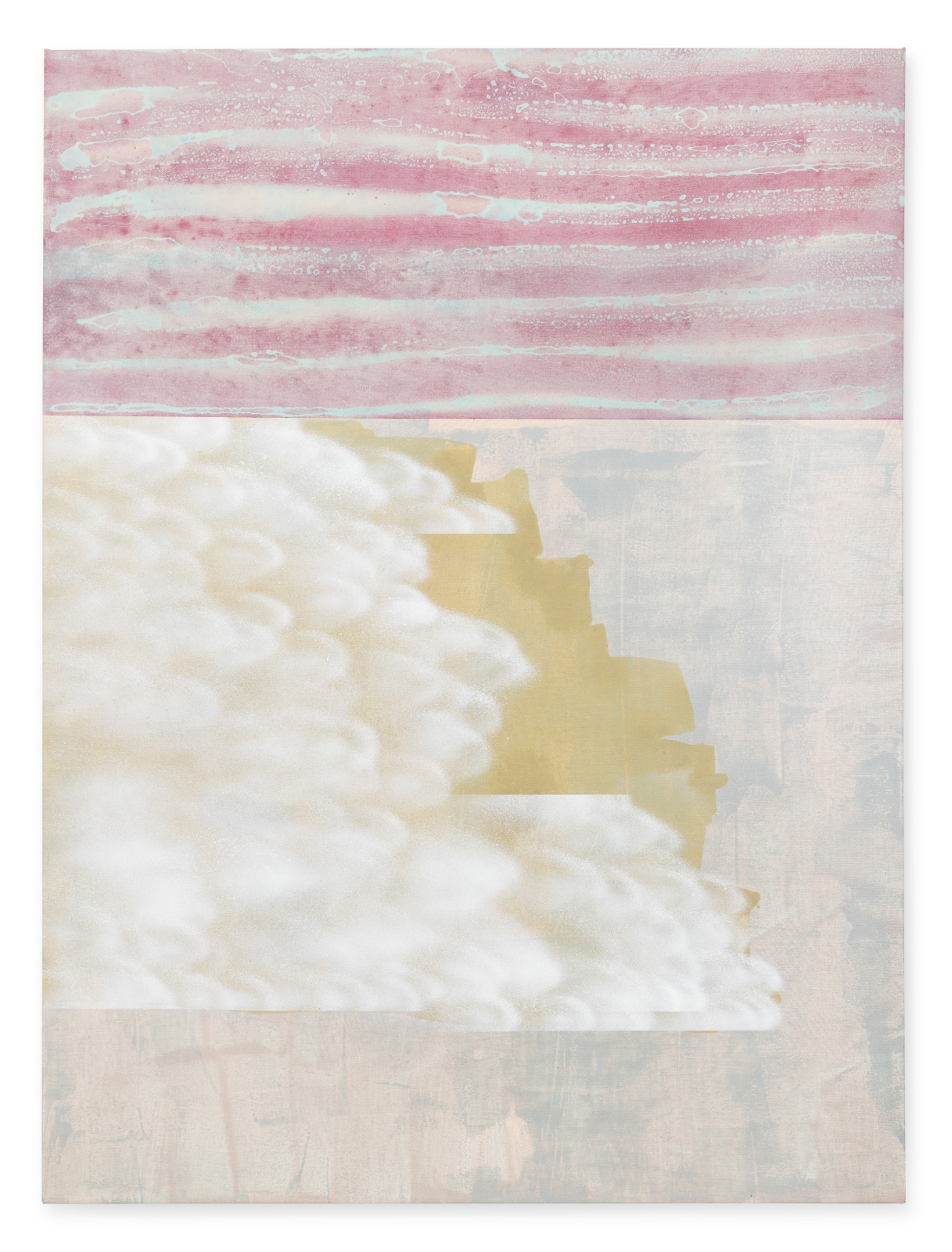
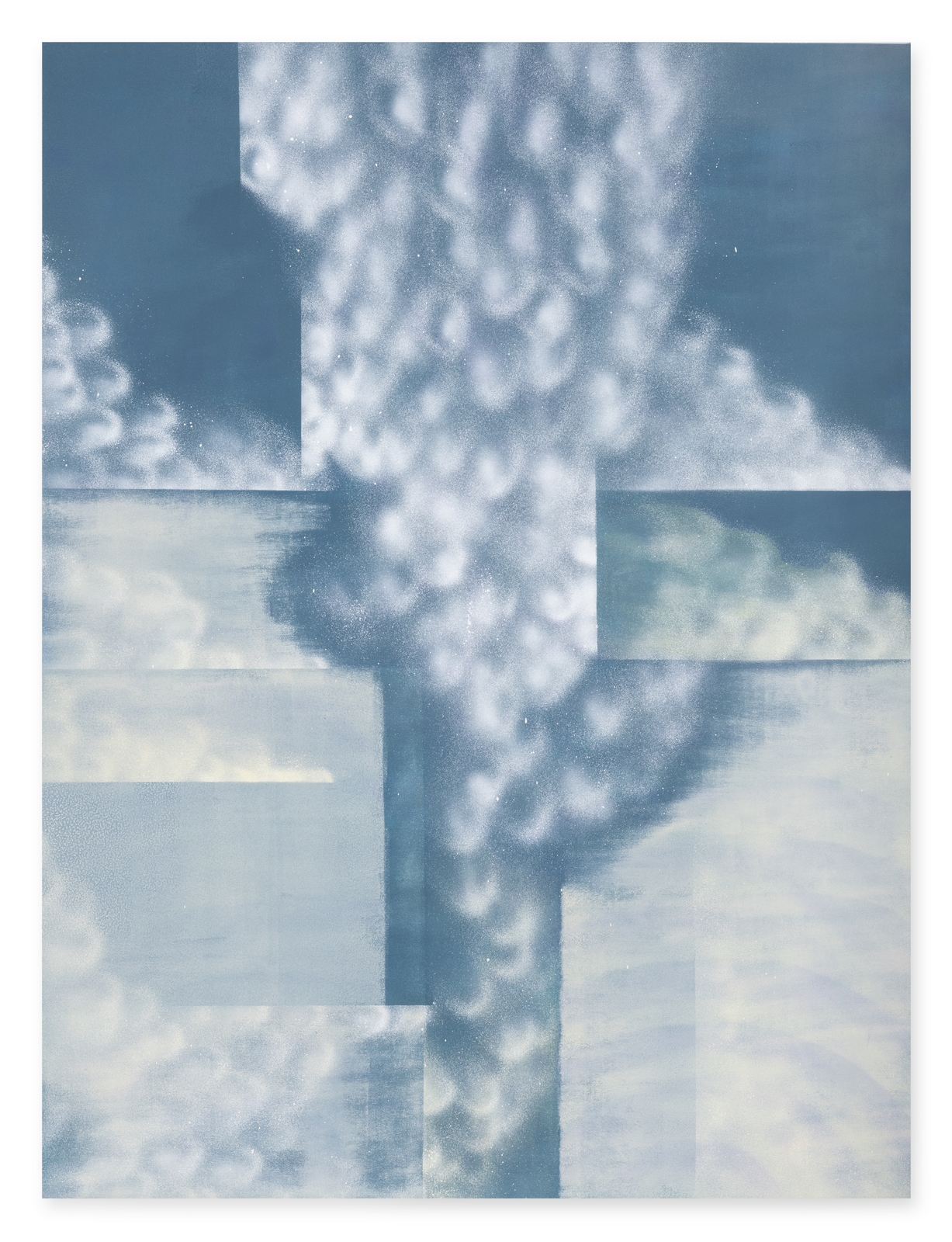
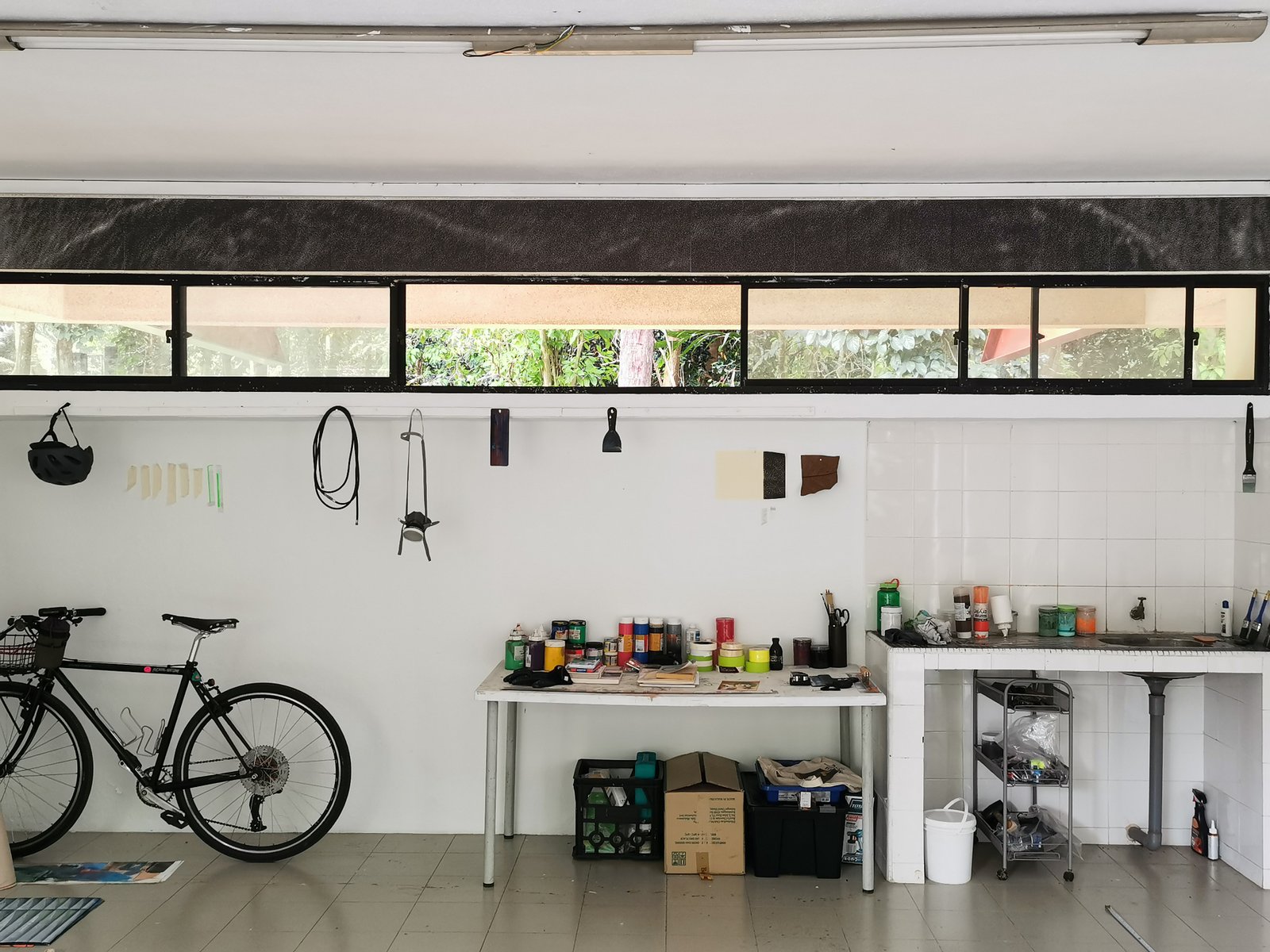
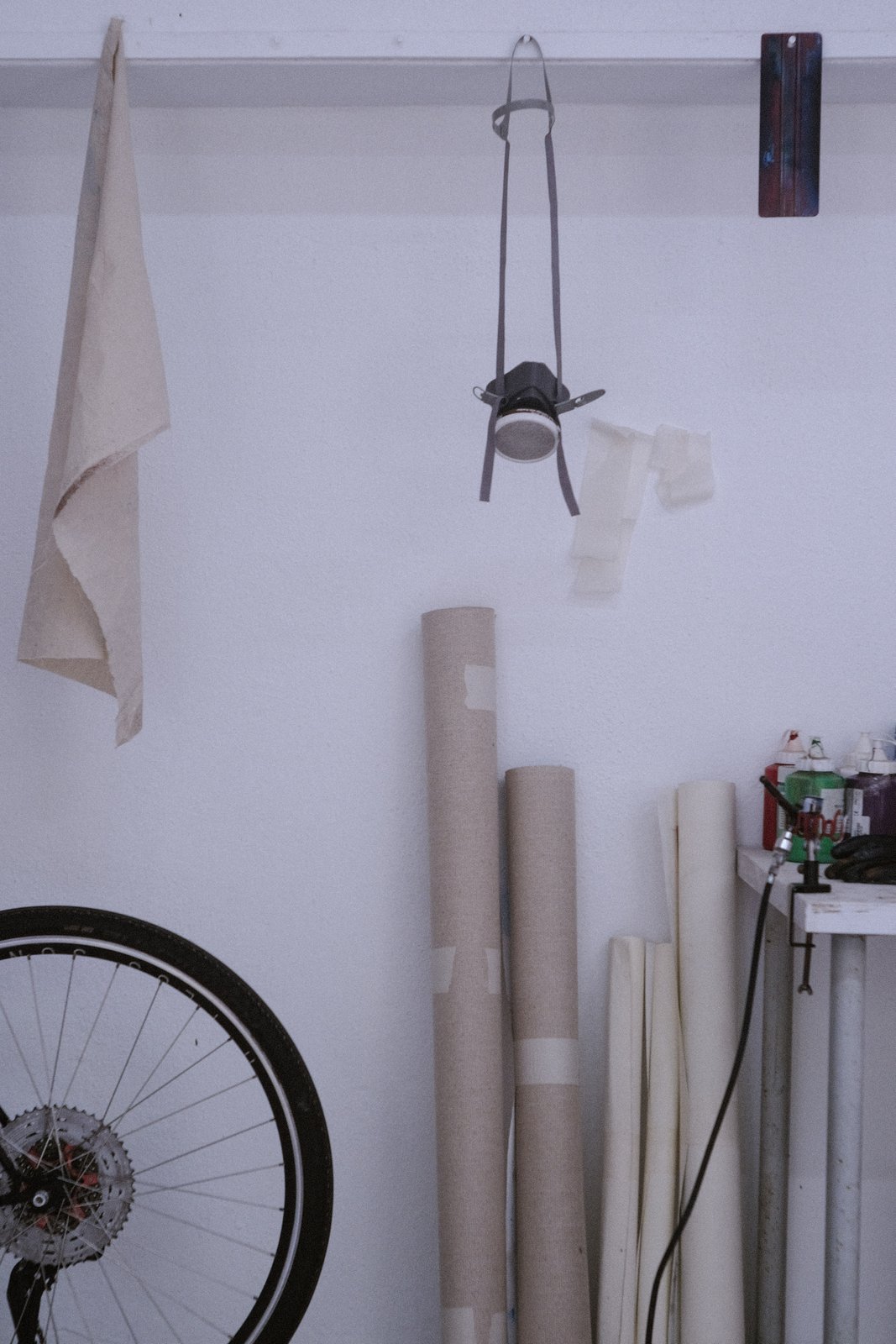
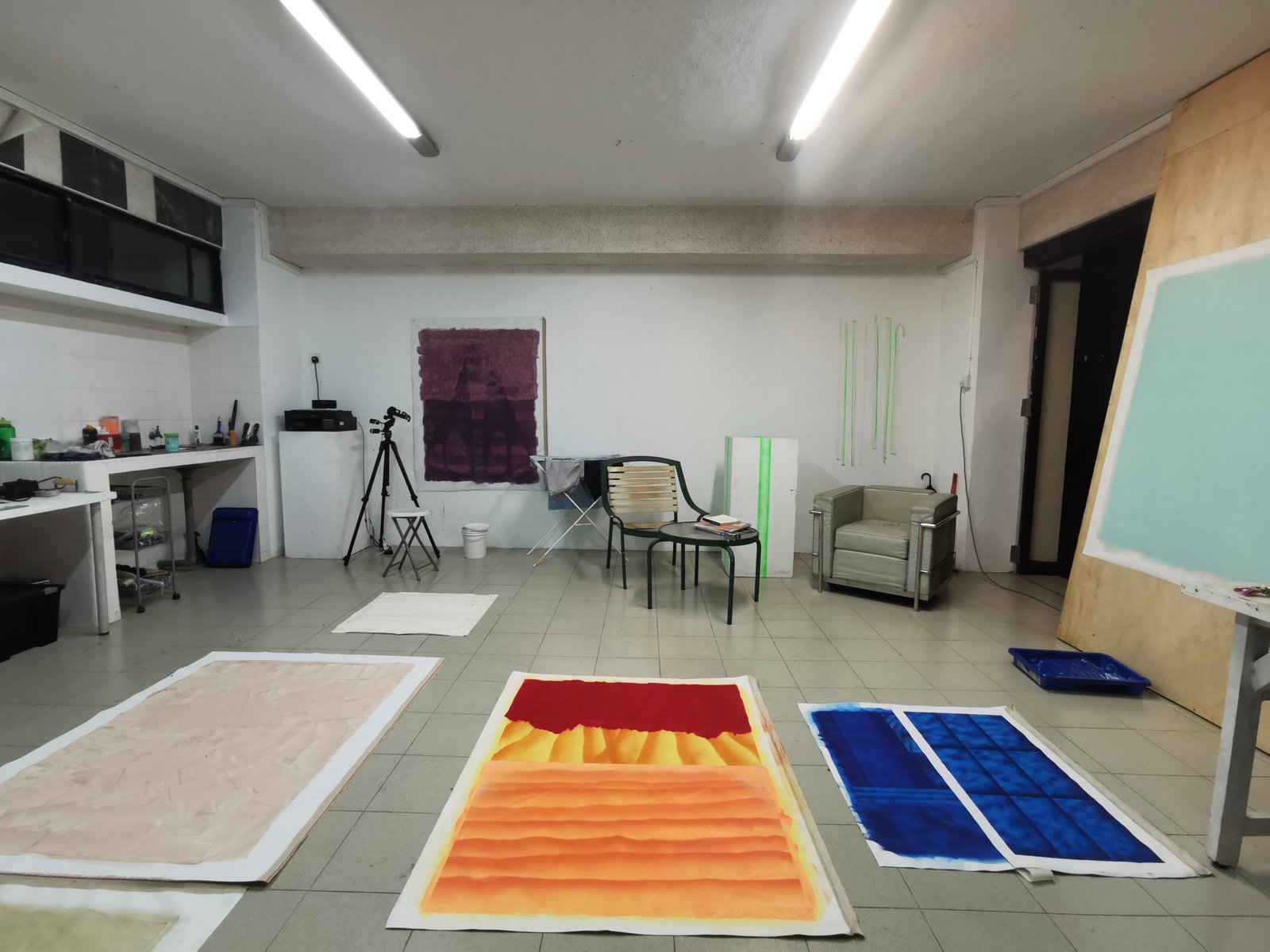
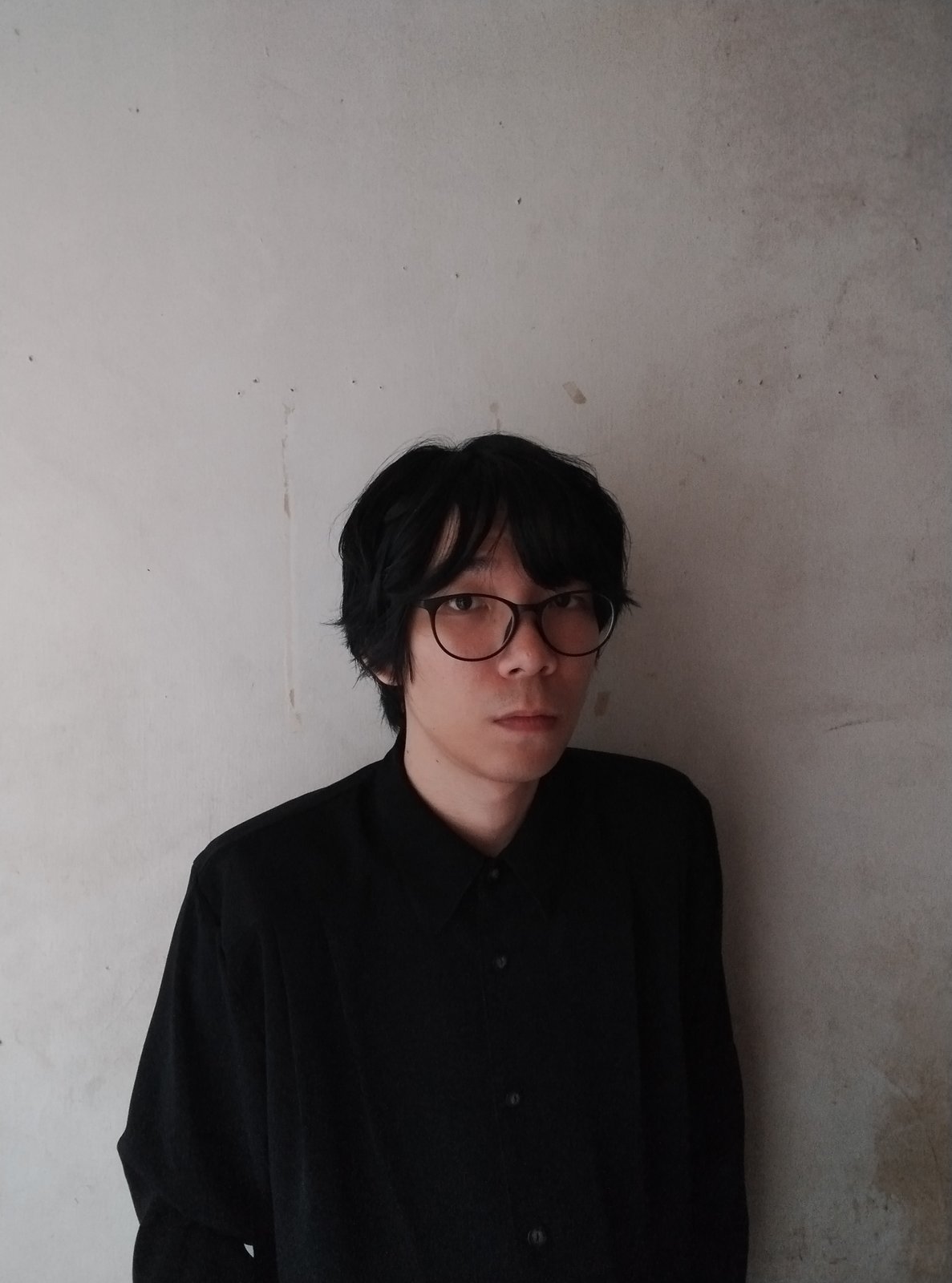
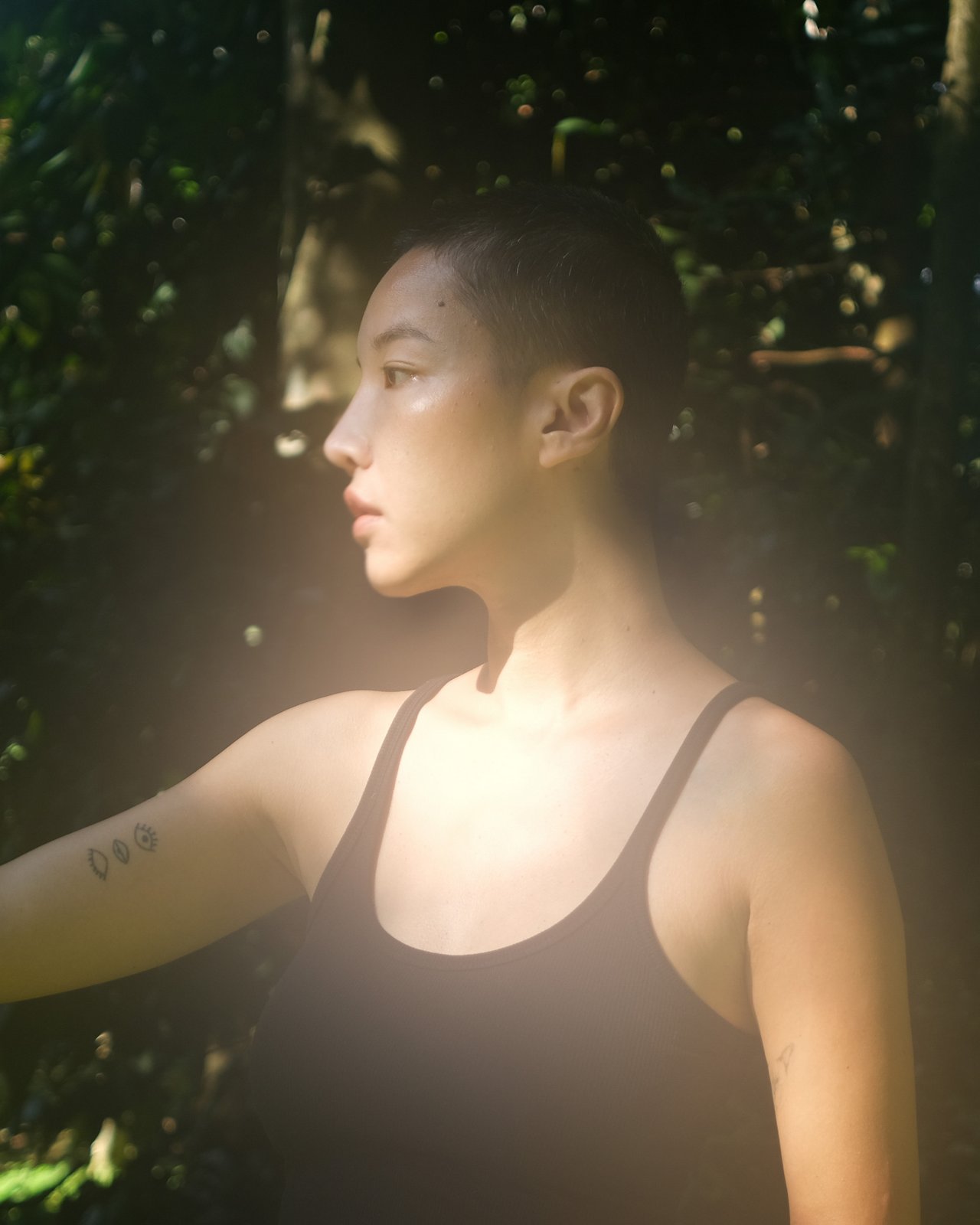
Singaporean artist Isabella Ong has been in residence at Rimbun Dahan for two months, from June to July 2025.

About the Artist
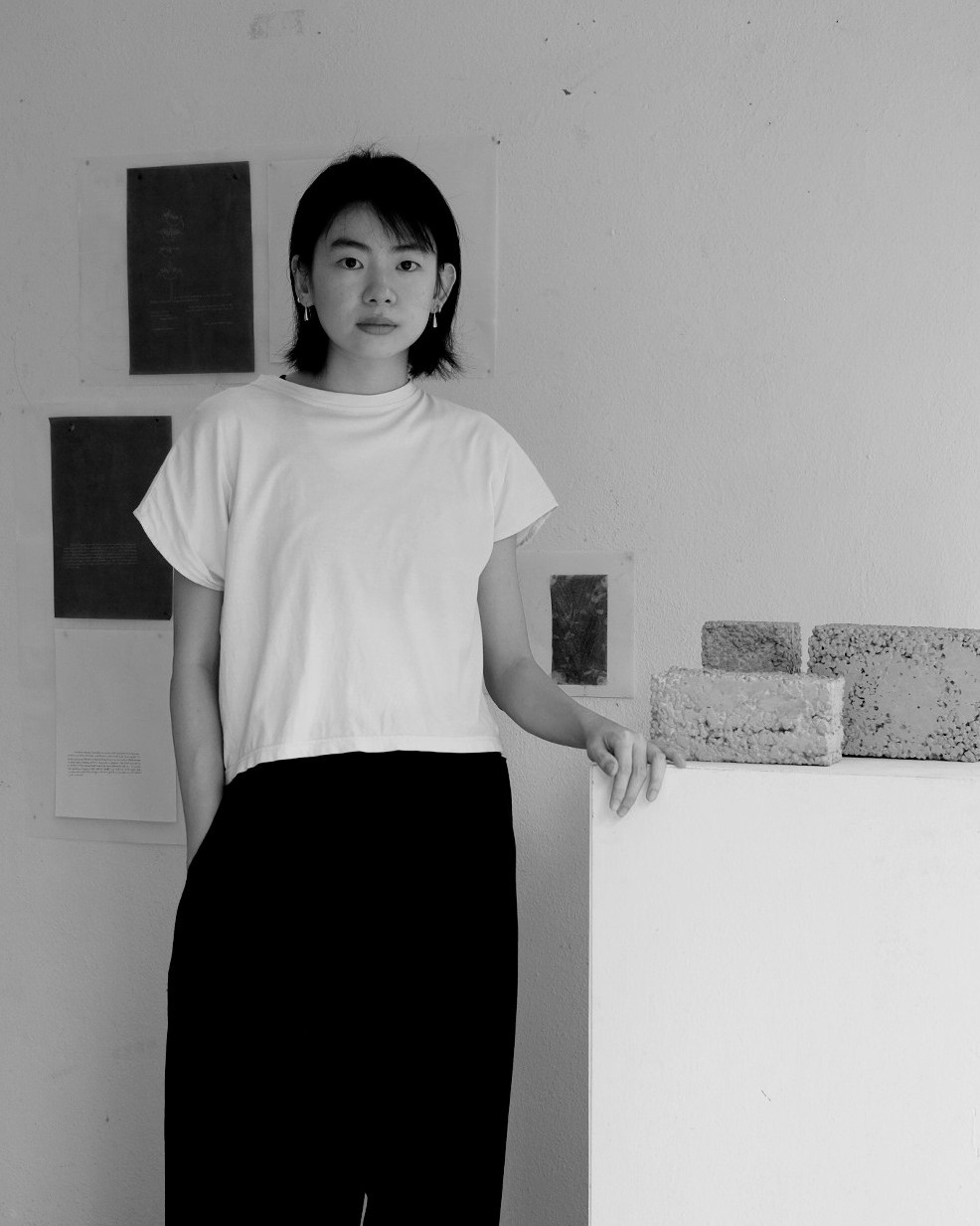
Isabella Ong (b. 1992) is a Singapore-based artist whose work explores the relationship between data, form and environment. Working across installation, code and text, she examines how ecological, cultural and technical systems are structured and represented. Her practice engages with material processes alongside physical computation and generative methods, translating natural phenomena into spatial and visual languages. 

She received her MArch in Design for Performance & Interaction from The Bartlett, UCL, and a BA (Hons) in Architecture from the National University of Singapore. She was an artist-in-residence at the Curtin Institute of Radio Astronomy (2023) and currently teaches at NUS Department of Architecture and NAFA’s Design Practice programme. Her practice is shaped by ongoing collaborations across disciplines and communities.

www.isabellaong.net
@isabella_ong_

About the Residency
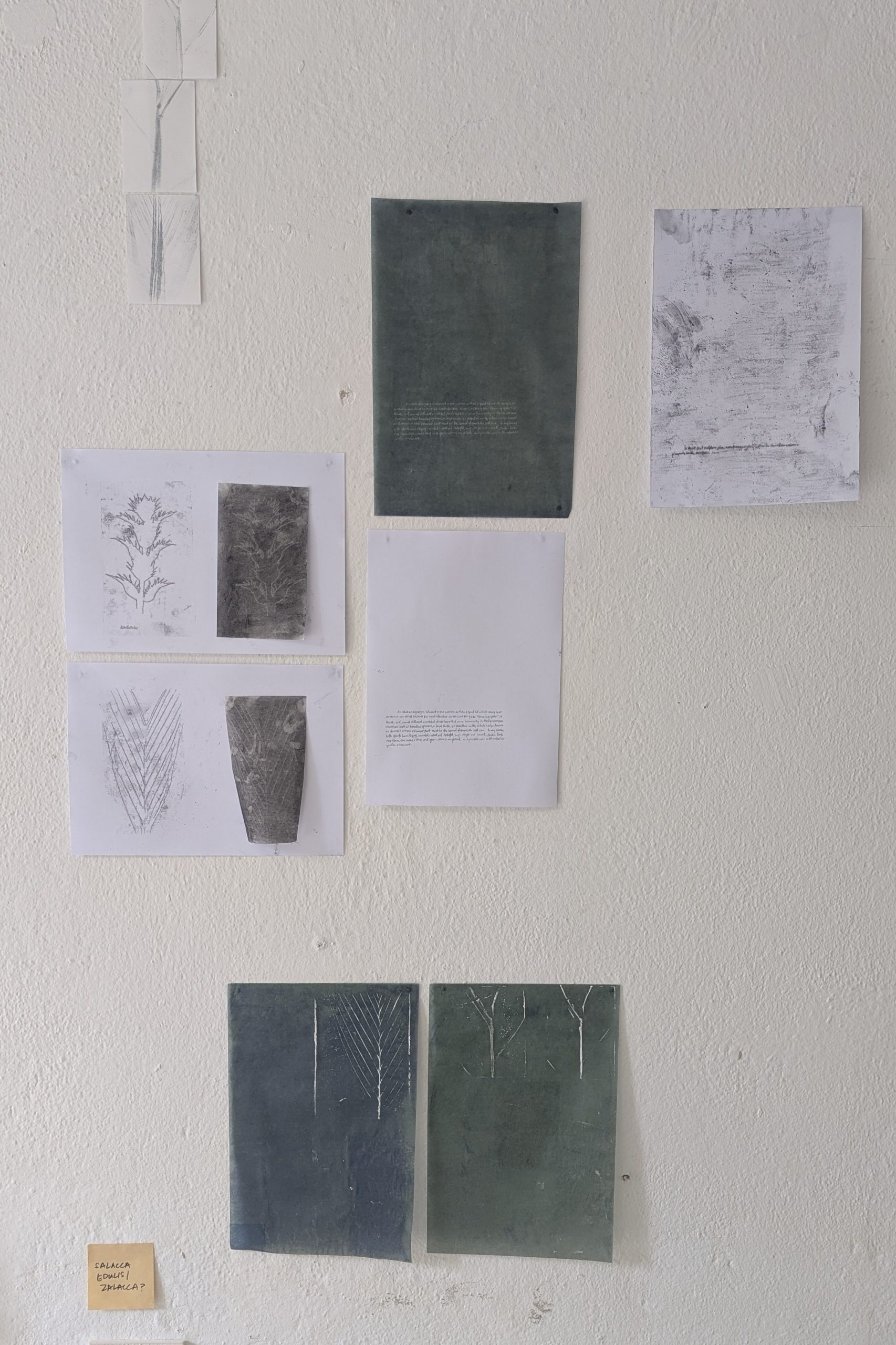
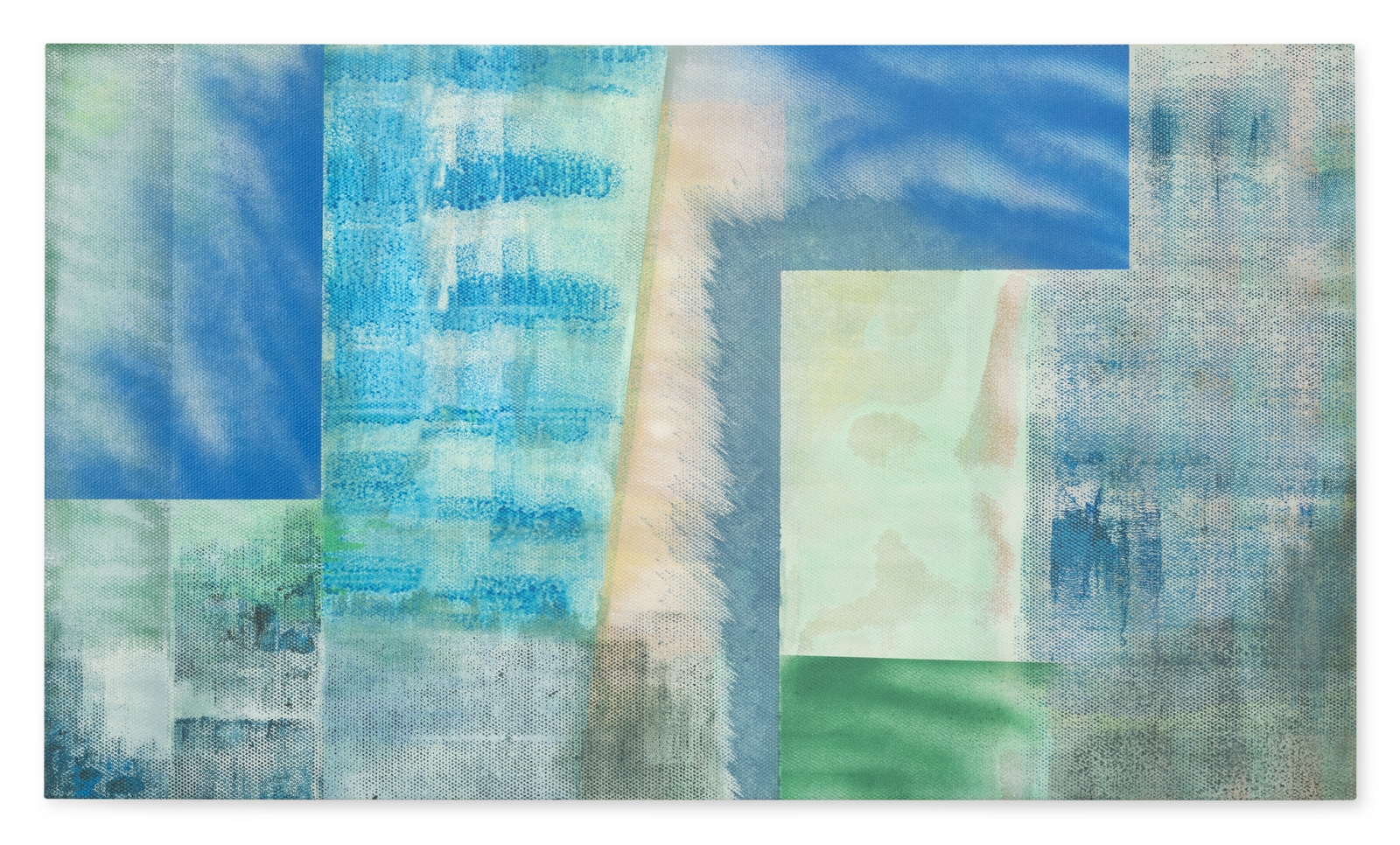
The word artefact has two meanings. It can refer to a human-made object, or an error in observation or representation introduced by the technique or tool involved. During my residency, I explored the duality of object and error through a body of work that interrogates the Corinthian column as a Straits artefact: a classical form adopted into the local building vernacular, often described by historians as ‘untutored’ or ‘plagiarised’ copies of the classical order. It is this act of copying that forms the basis of my experiments into techniques of reproduction. 

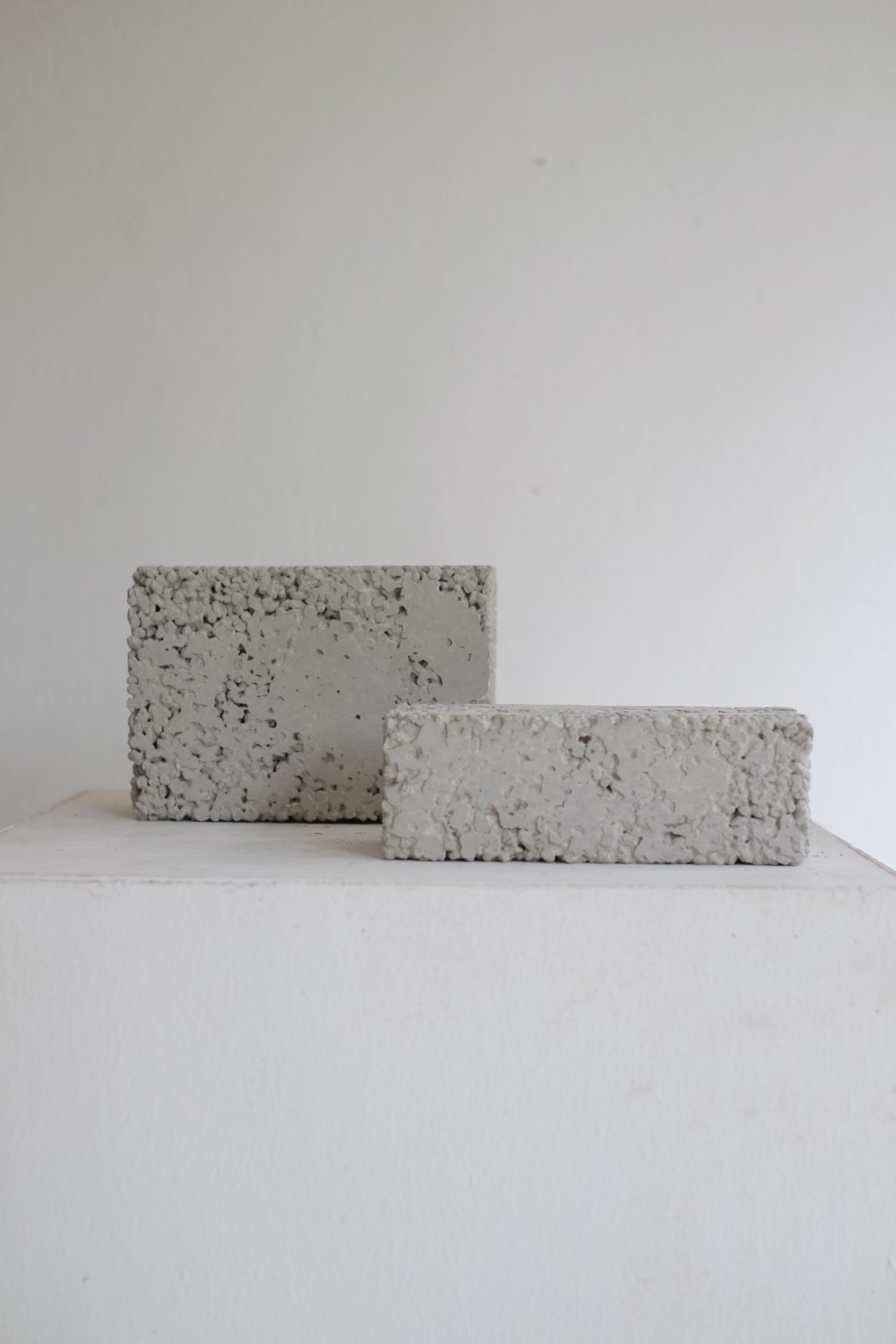
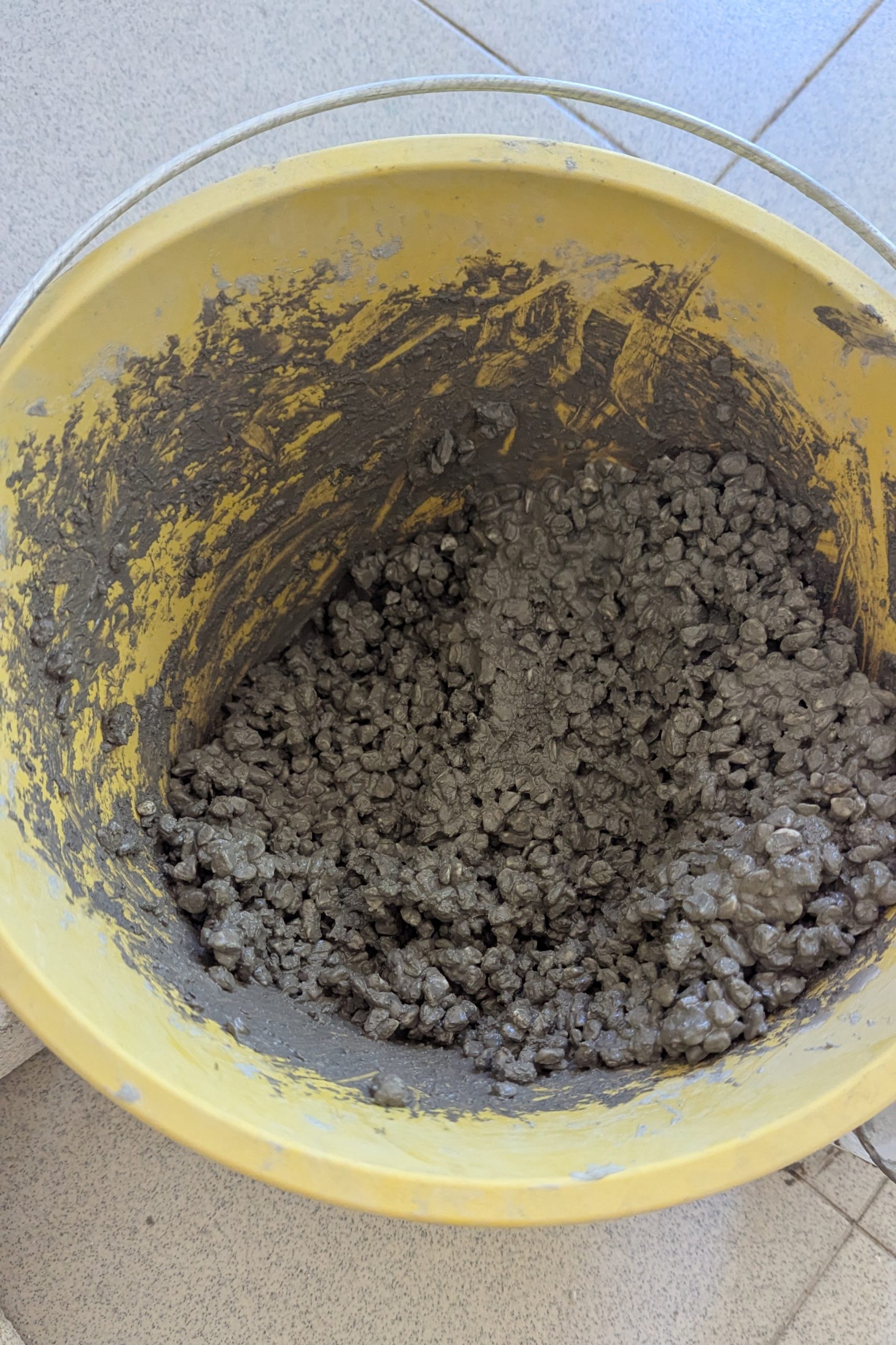
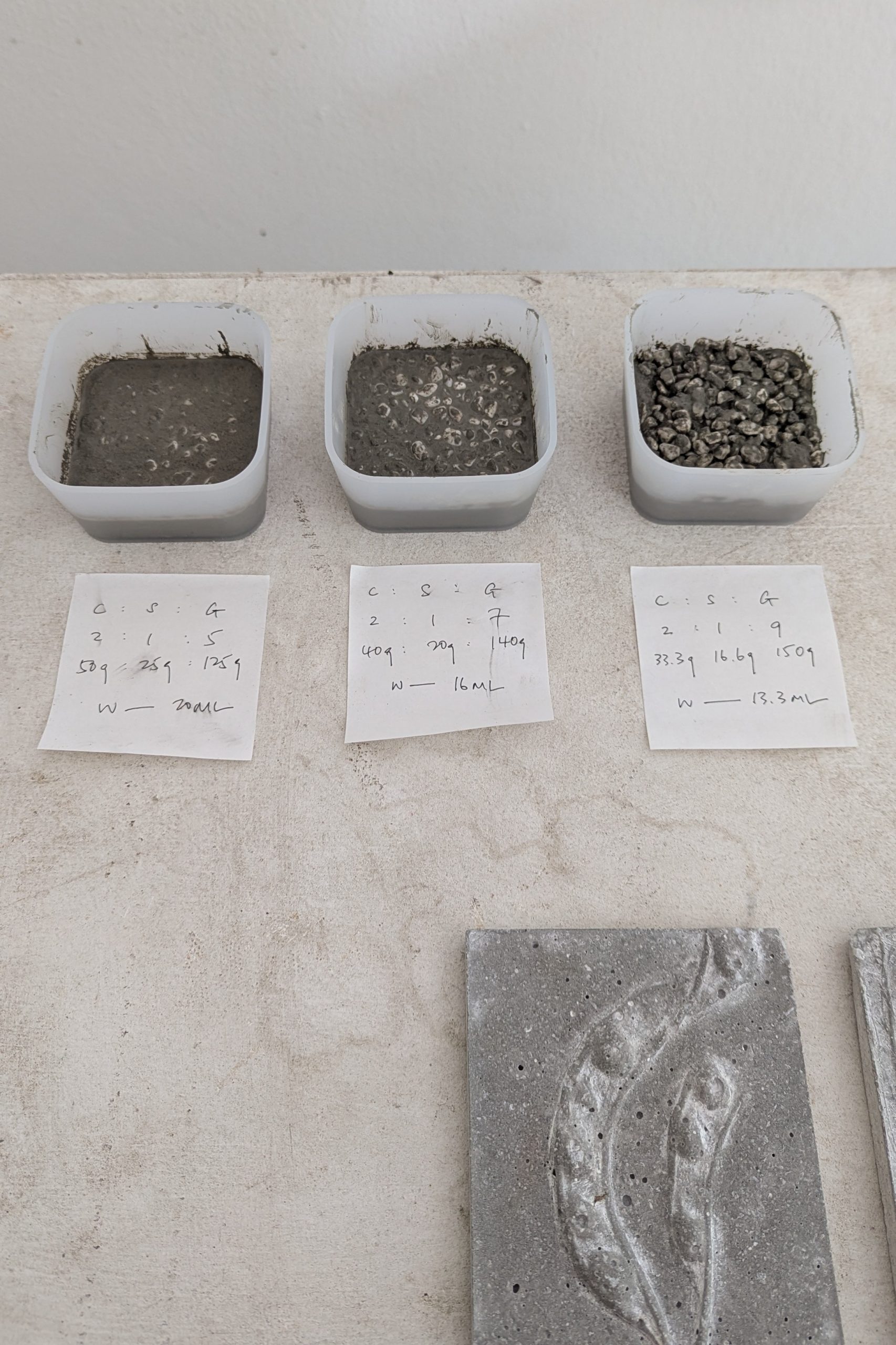
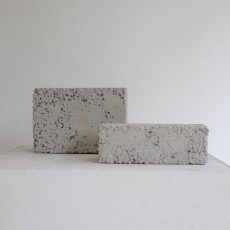
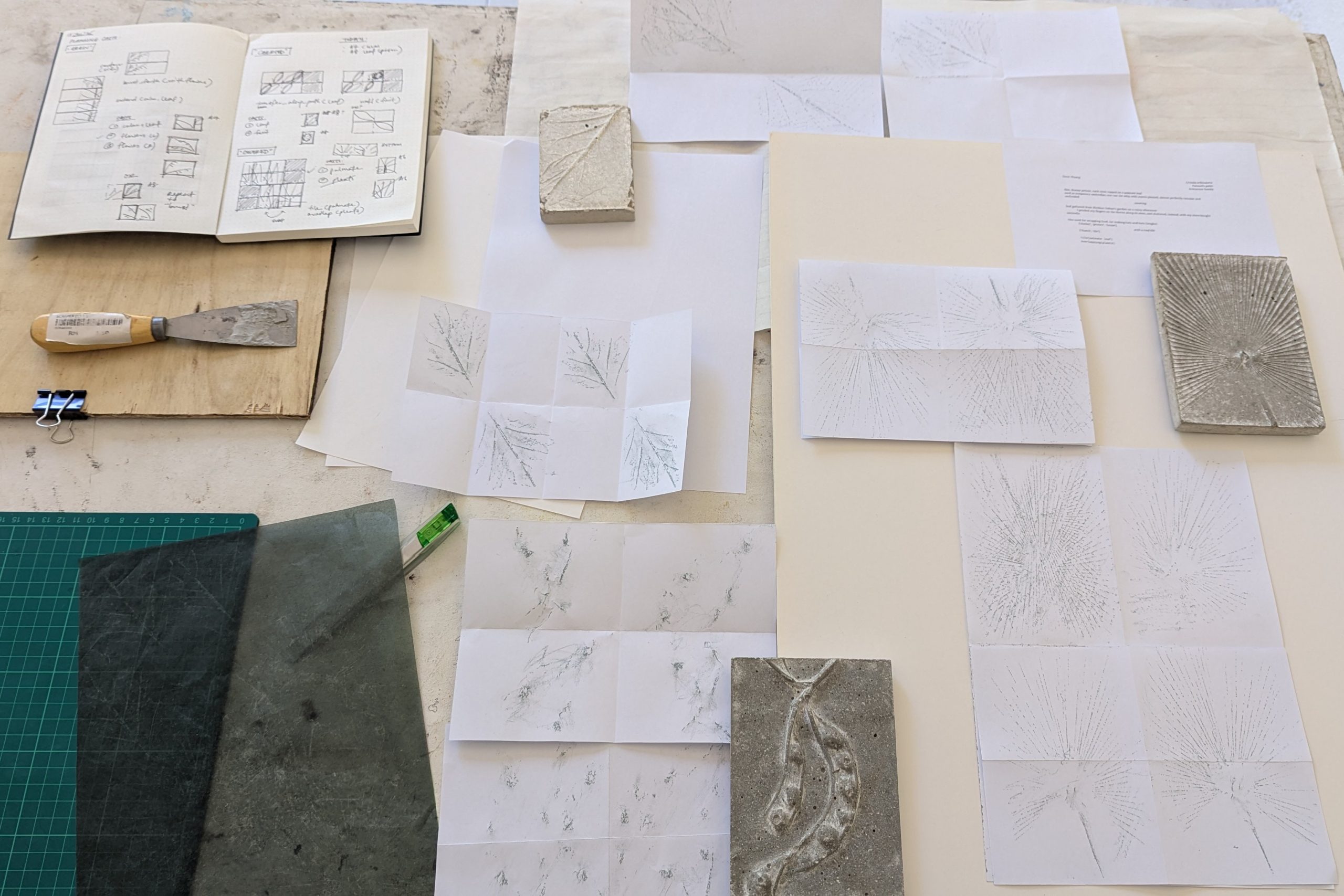
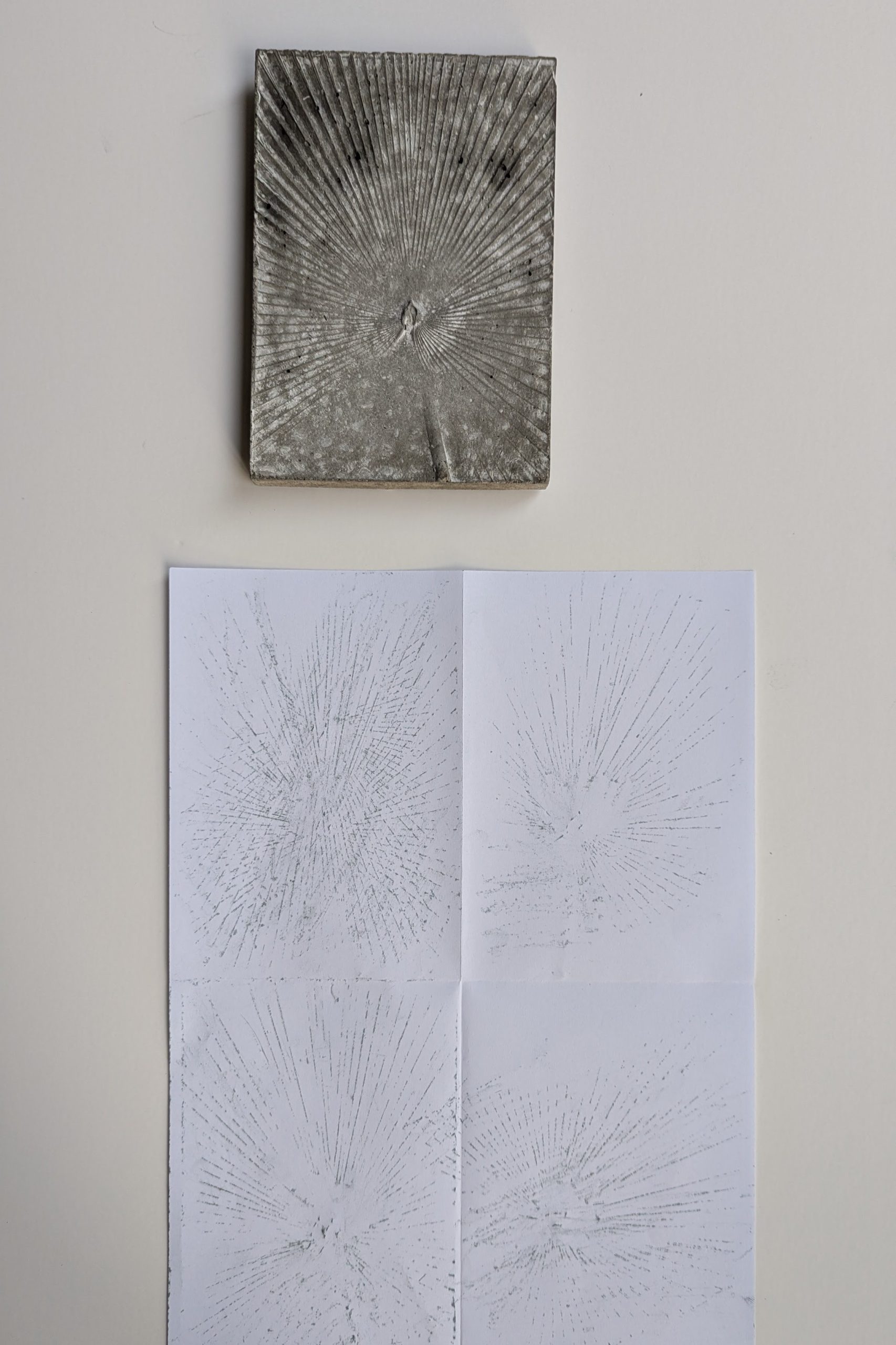
In one series (‘coarse copy’), I made casts and bricks out of Shanghai plaster, a faux-stone finish made of stone aggregates held together in a cement-binder that results in a rough, speckled texture. As a material introduced by Chinese labourers hired to construct many of Singapore’s classically inspired buildings, Shanghai plaster embodies the material culture of labour histories and transmission. In the work, the bricks are cast patterns of botanical specimens selected from Rimbun Dahan’s native garden, their impressions read against the grain of the textured plaster. The bricks form a pedestal, presented as a pattern book of alternative ornamental motifs, indexing botanical taxonomy alongside Vitruvius’ architectural myth of the column. The coarsened medium of this casting technique challenges the assumption of fidelity, drawing attention to how imposed forms require local hands to make—and remake—them, their labour an act of translation.
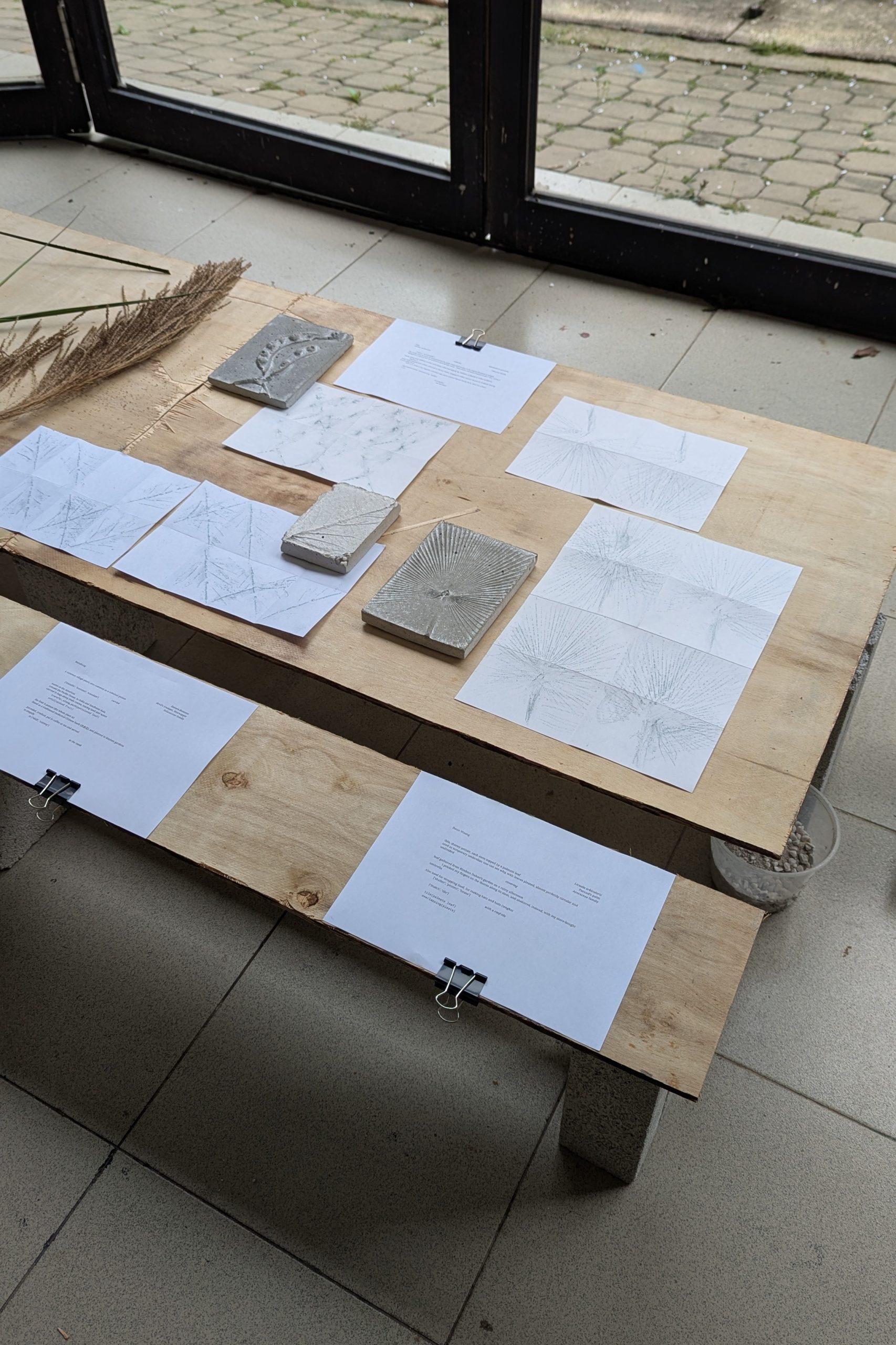
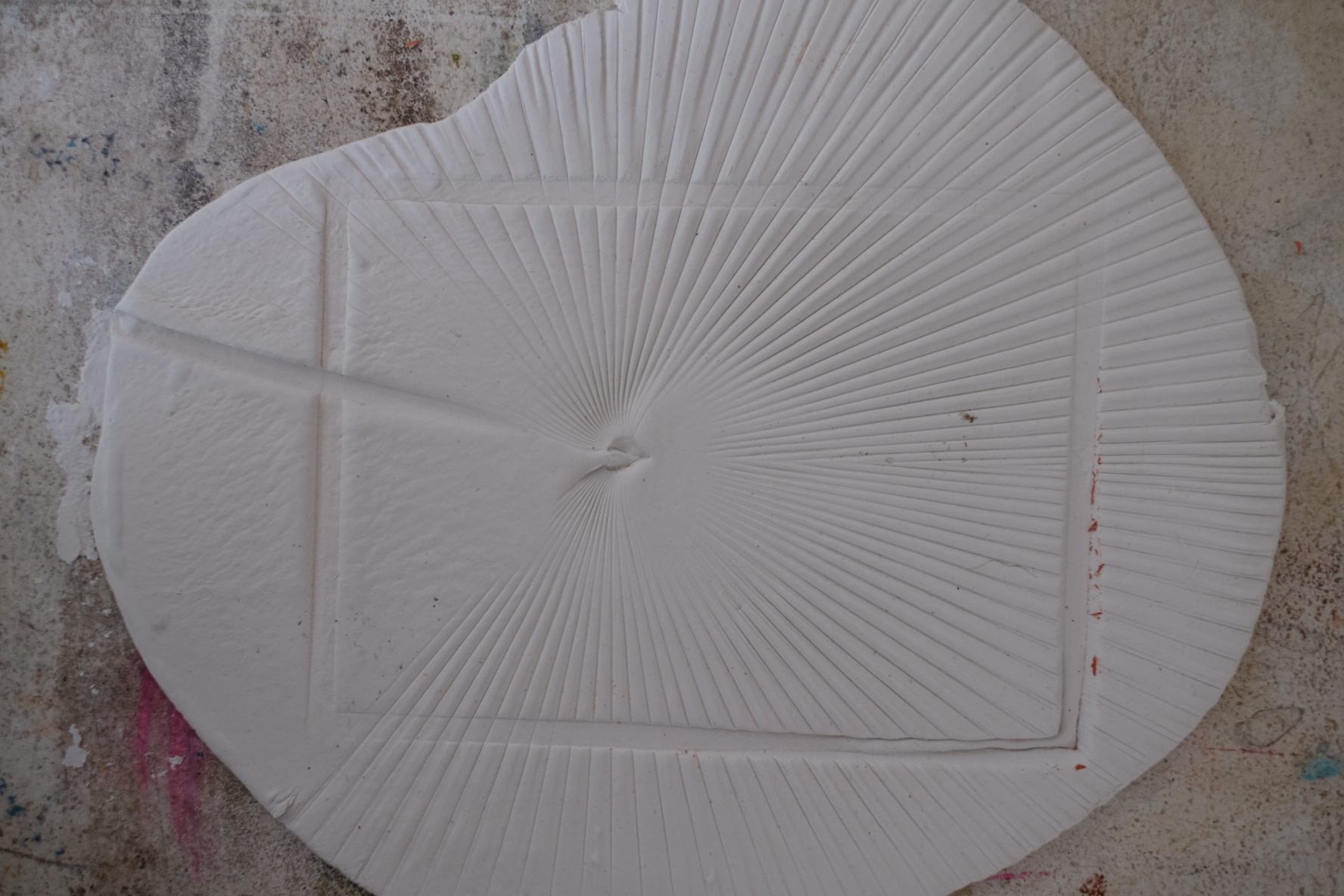
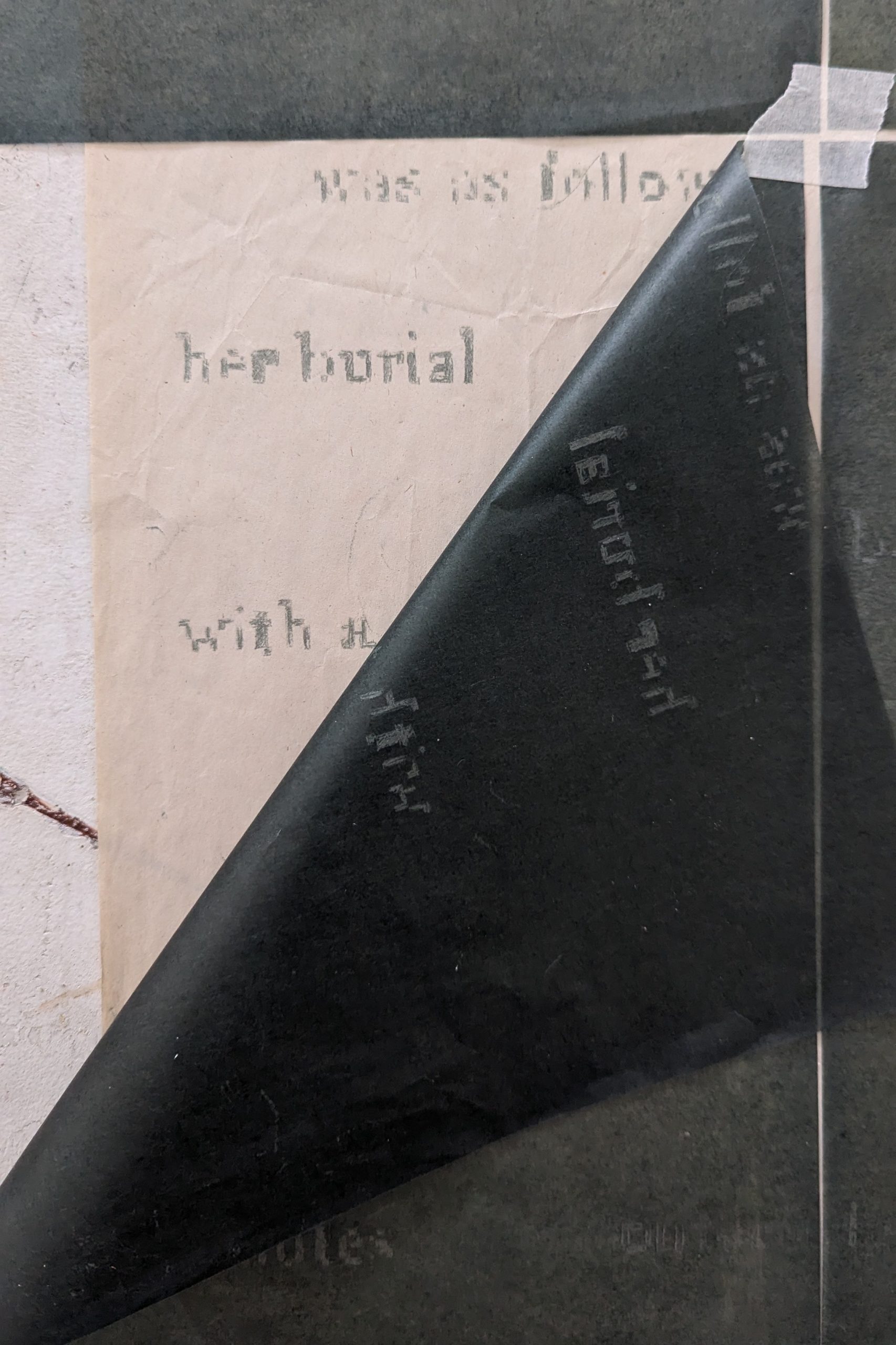
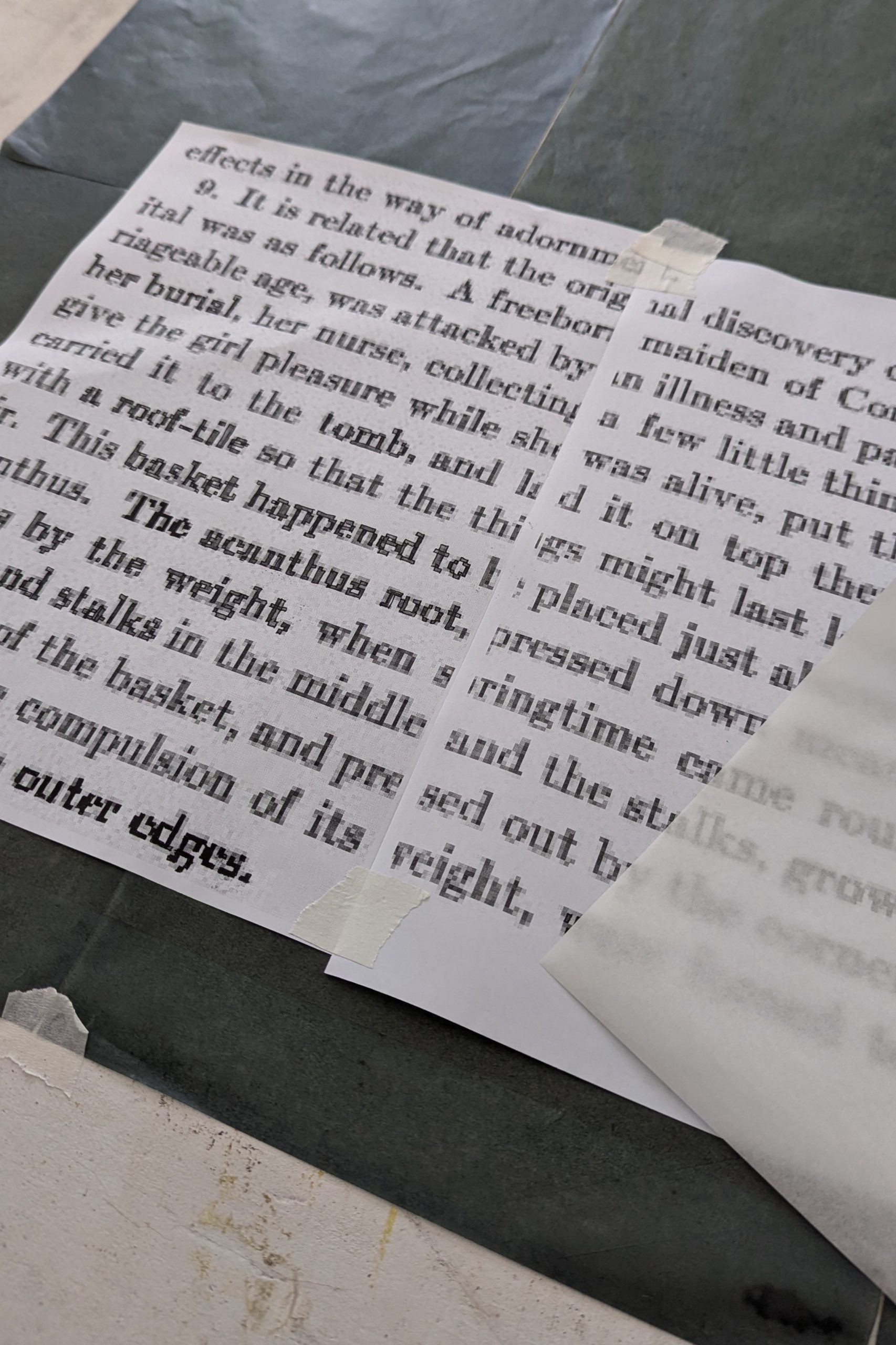
In another series (‘carbon copy), I worked with carbon transfer paper to manually copy text. Using a basic black-and-white printer, I printed out copies of Vituvius’ architectural myth, sourced as a low-res scan from the Internet Archive. Enlarged tenfold, the text rendered as pixelated fragments, which I then copied by hand. The letters began to blur into artefacts. This exercise draws from the attitude towards copies and imitation in Eastern art, such as the copying of calligraphy masterpieces, where reproductions are often regarded with equal (or even greater) value than the original.
Across the works, I am interested in how forms shift through processes of transmission. Working with low-res scans, transfer materials and patterning, the project explores the methods of reproduction as both a technical and cultural act. By destabilising familiar artefacts and forms, I examine how monuments are not only inherited but also being rewritten through acts of documentation and replication. Copying thus becomes a way to look at how inherited structures—architectural, botanical, archival—are mediated through the tools, labour and material knowledge of those who remake them. 
Rommel Joson

Rommel Joson

Filipino visual artist Rommel Joson is in residence at Rimbun Dahan for two months, from June to August 2025.

About the Artist

Rommel Joson is a painter and book illustrator currently teaching drawing, illustration, and print production design at the University of the Philippines College of Fine Arts where he is also taking his post-graduate studies. His various roles deal with the intersection and interaction of text and image. His art practice draws inspiration and raw material from both historical and contemporary visual communication artifacts such as reading primers, children’s books, encyclopedias, illuminated manuscripts, information graphics, comics, and even print ads.

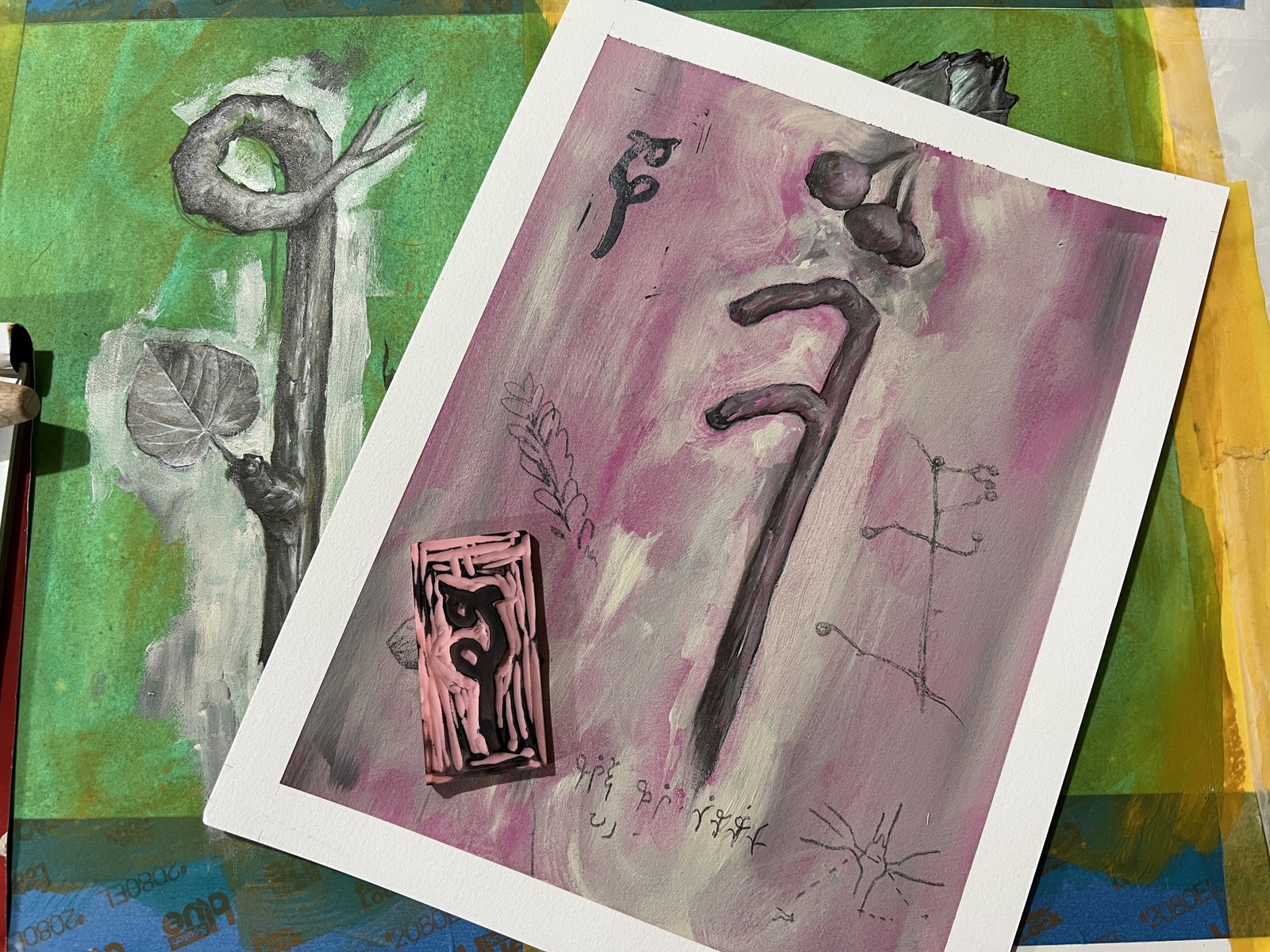
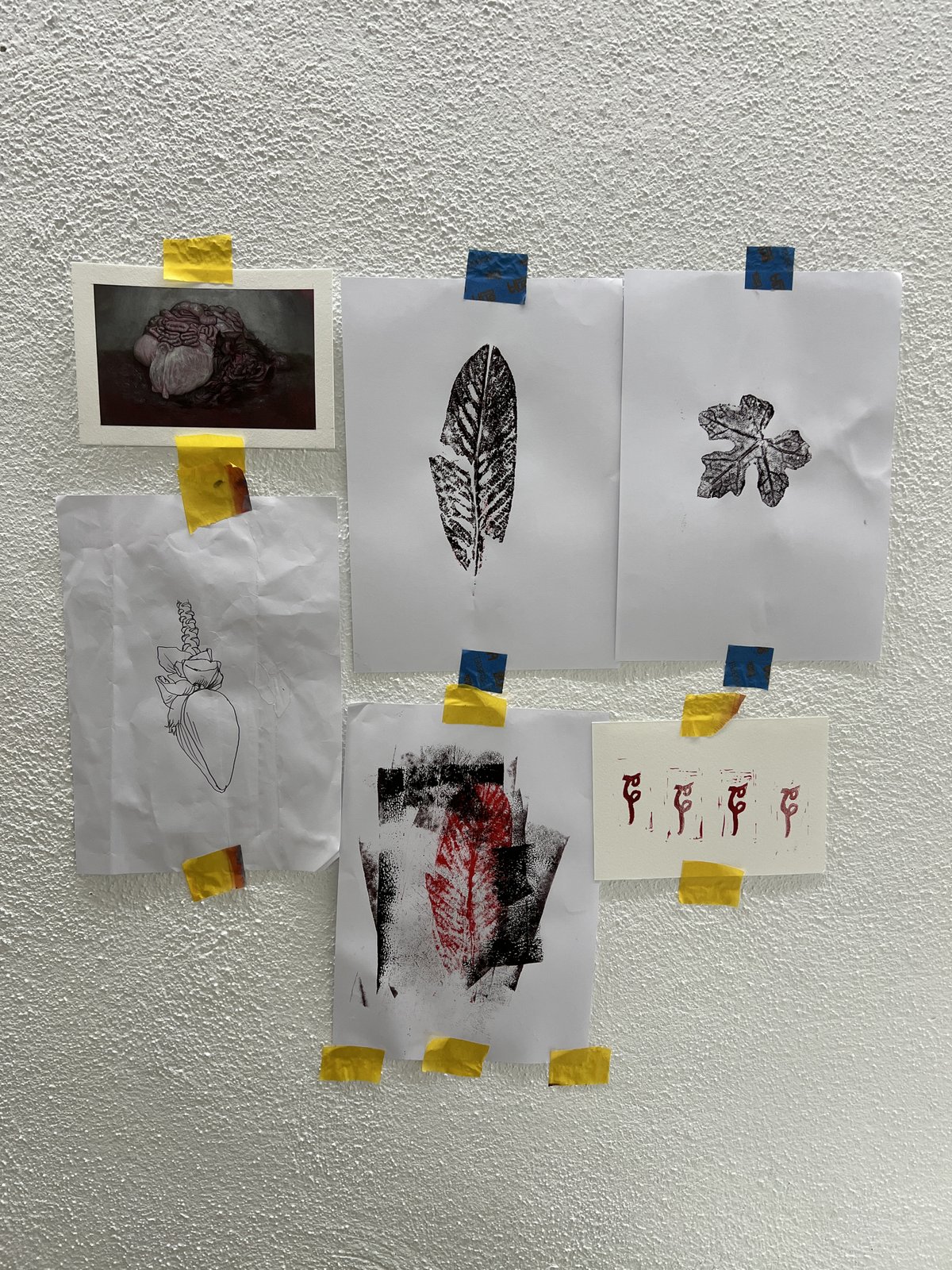
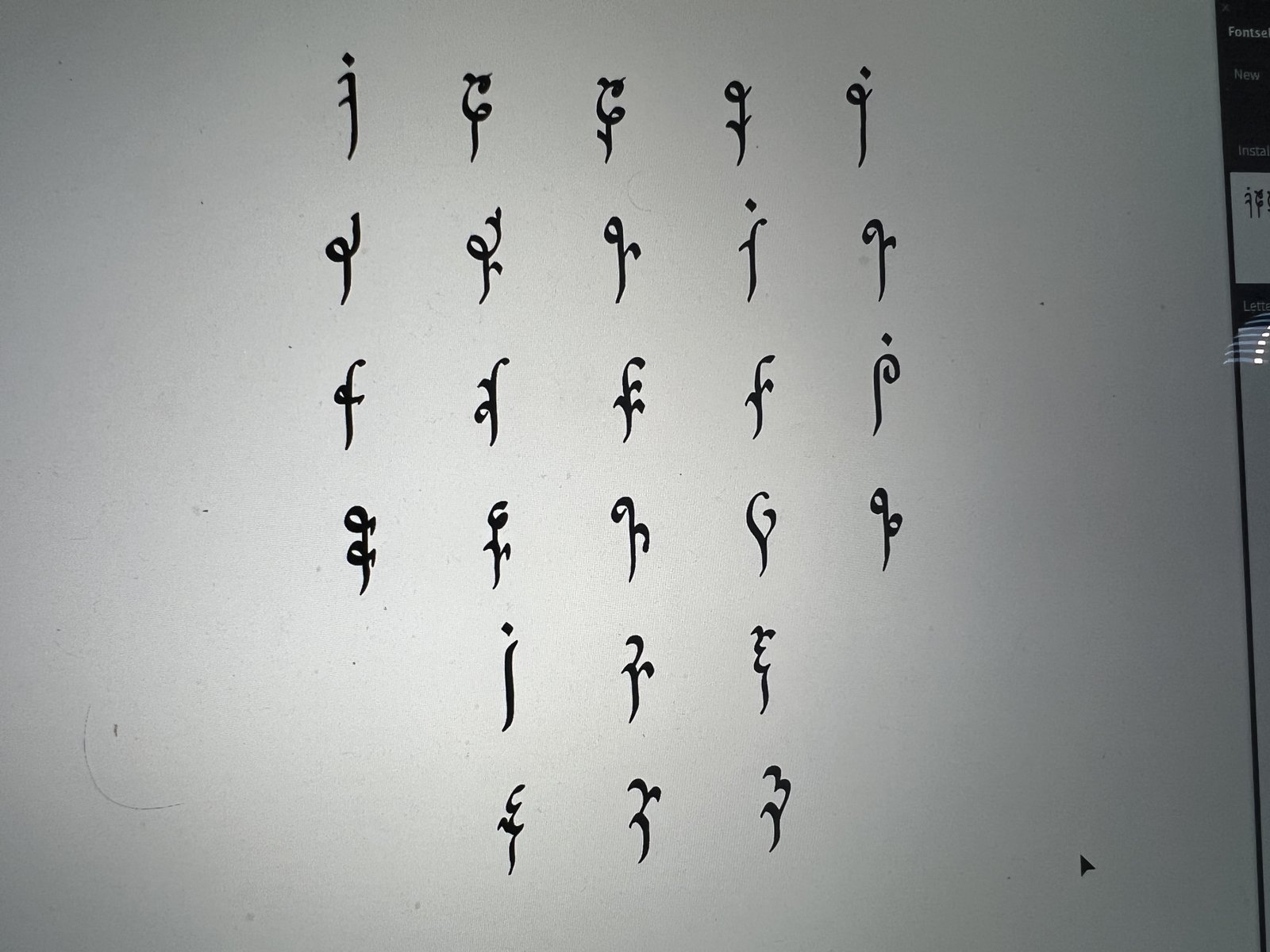
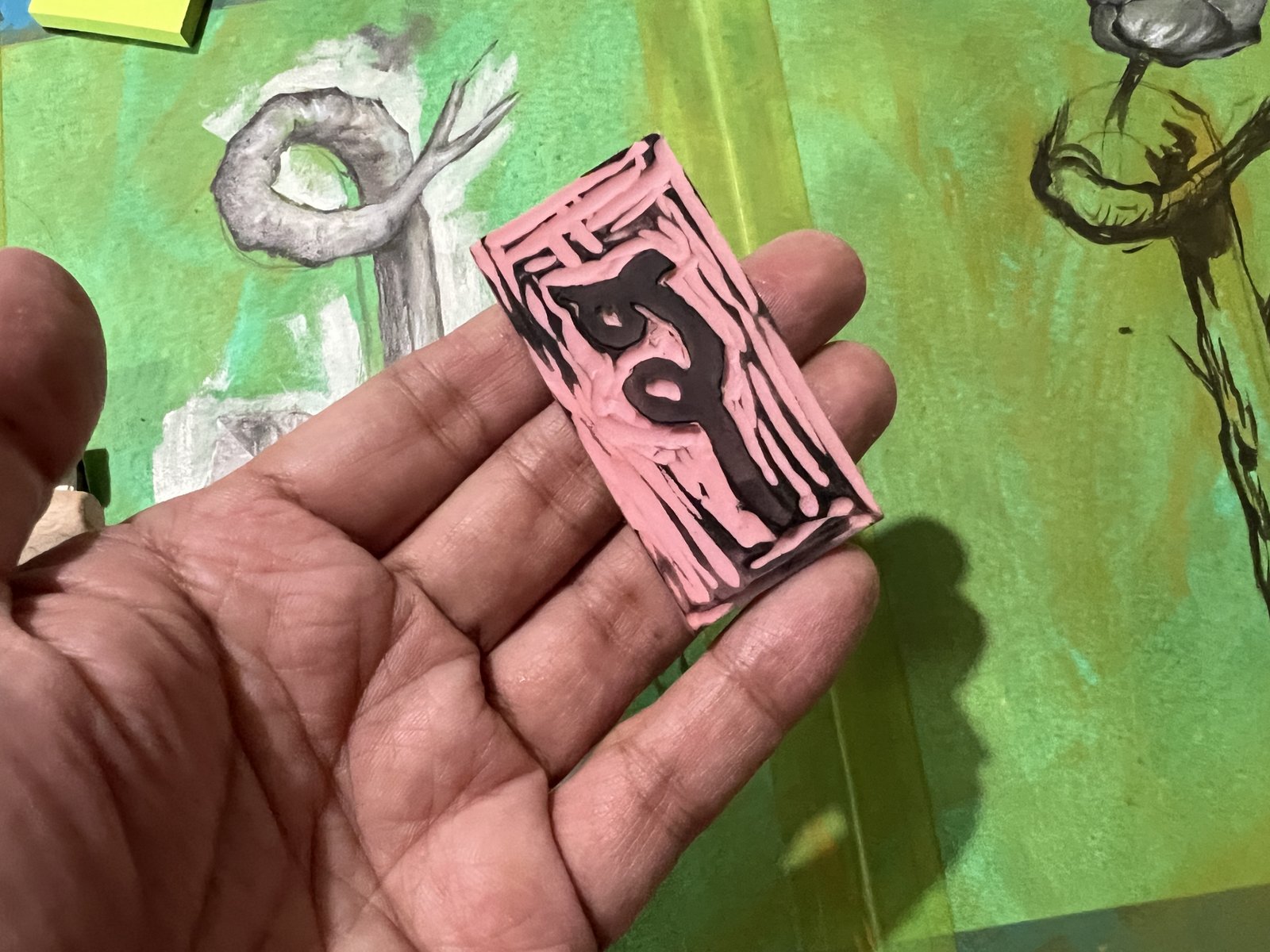
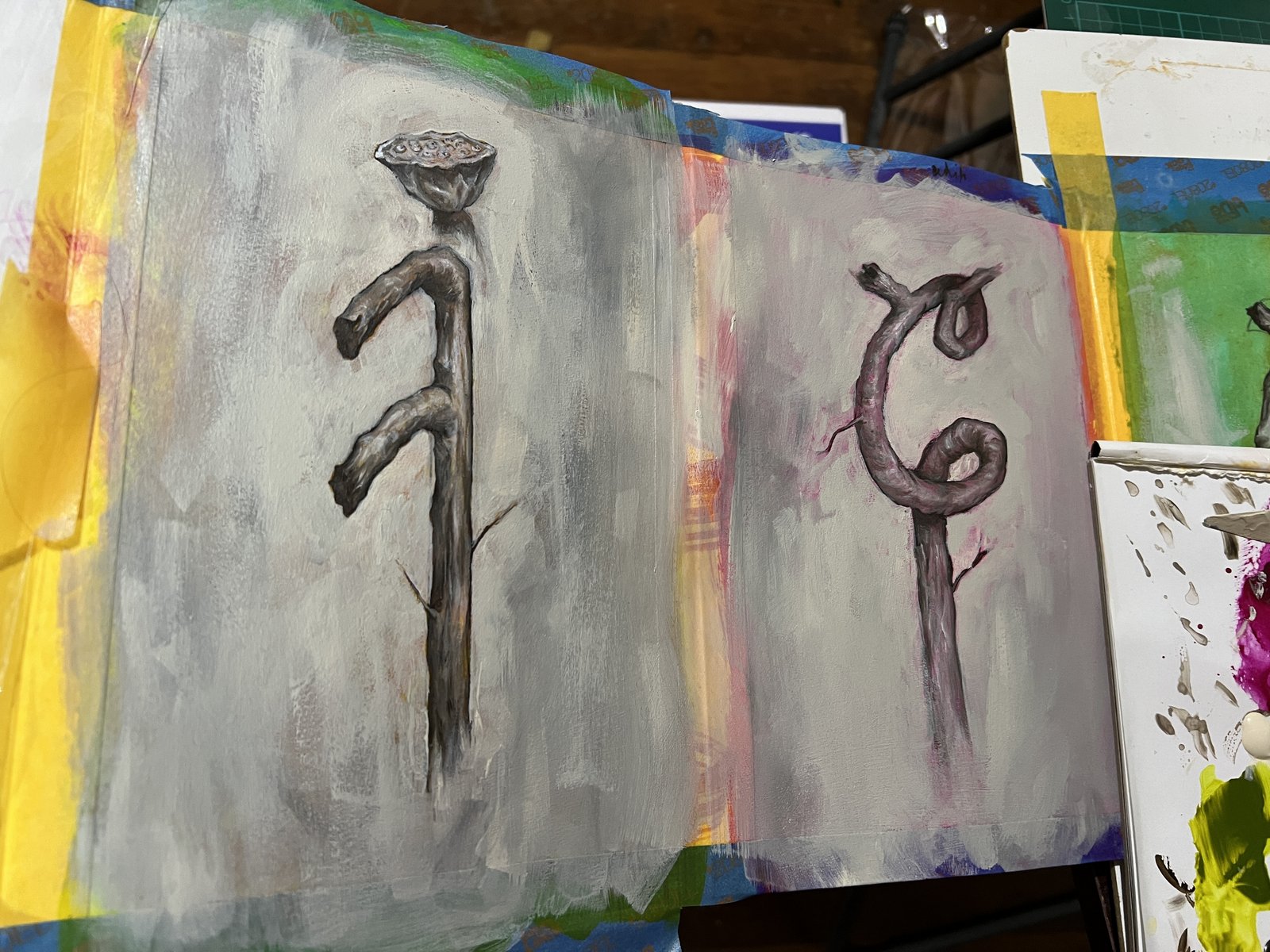
Part of his process involves creating unreadable glyphs and ciphers that mimic the texture and structure of recognizable books and texts. These invented scripts, combined with imagery from historical and contemporary books, result in hybrid forms—artist’s books and paintings that explore the tension between the familiar and the obscure. By taking the commercial processes of book design and illustration and subverting their function, the resulting objects and artifacts attempt to engage viewers in active decoding.

http://rommeljoson.com
https://www.instagram.com/rommeljoson/

About the Residency

“Dahan-Dahan” (Filipino adverb: slowly/carefully)

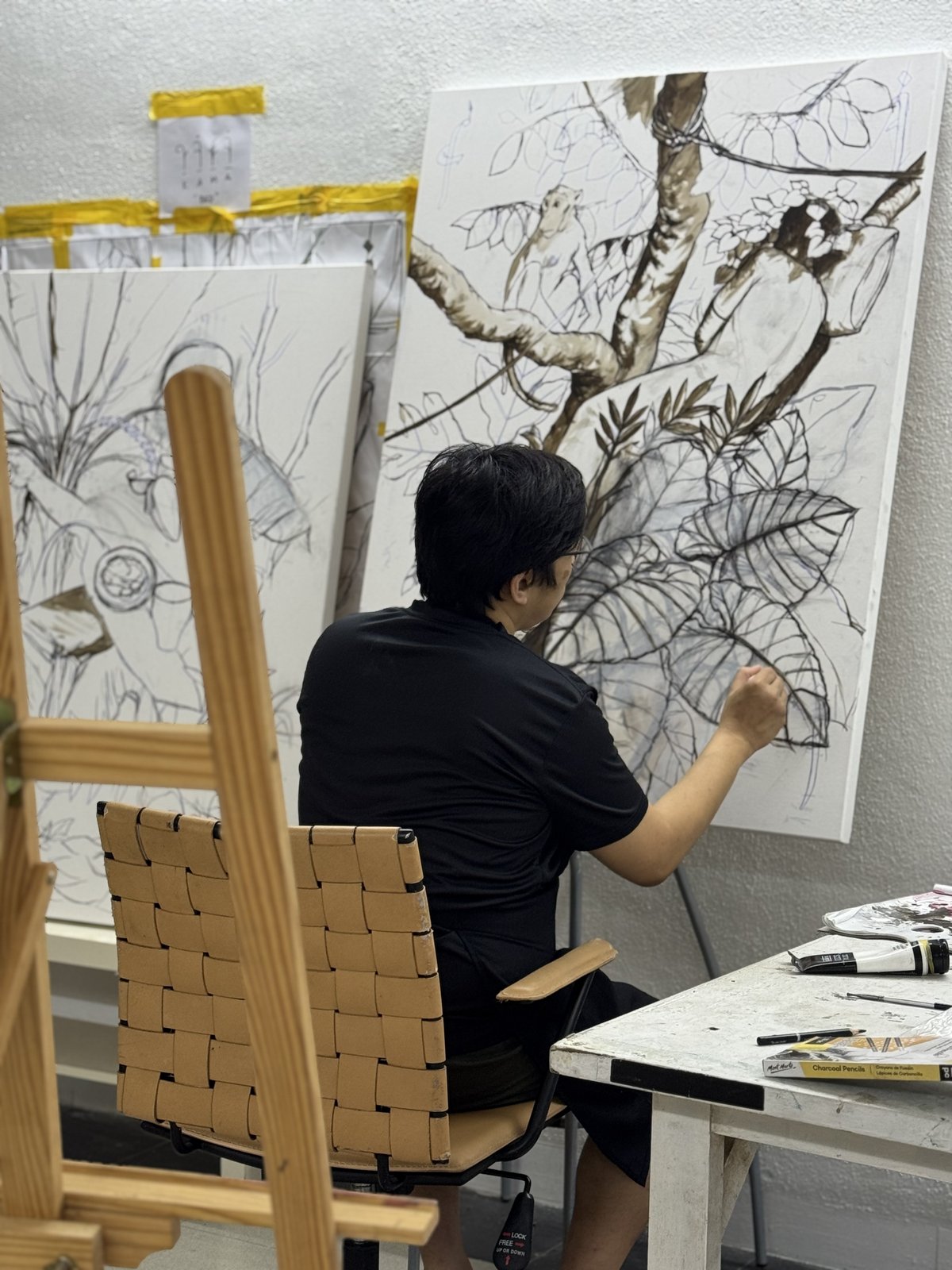
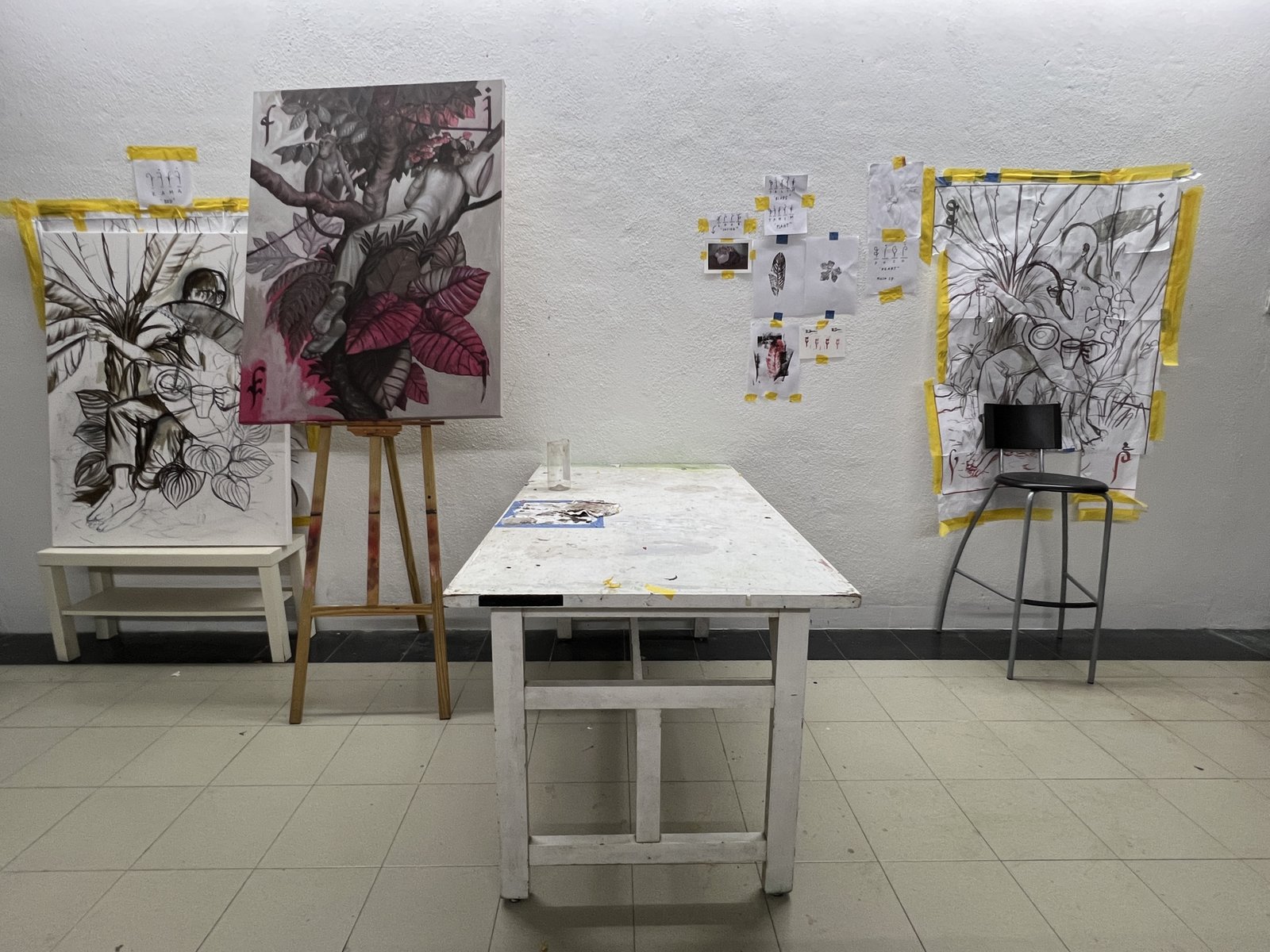
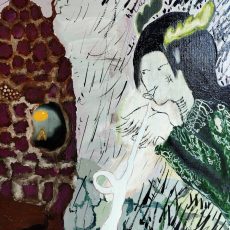
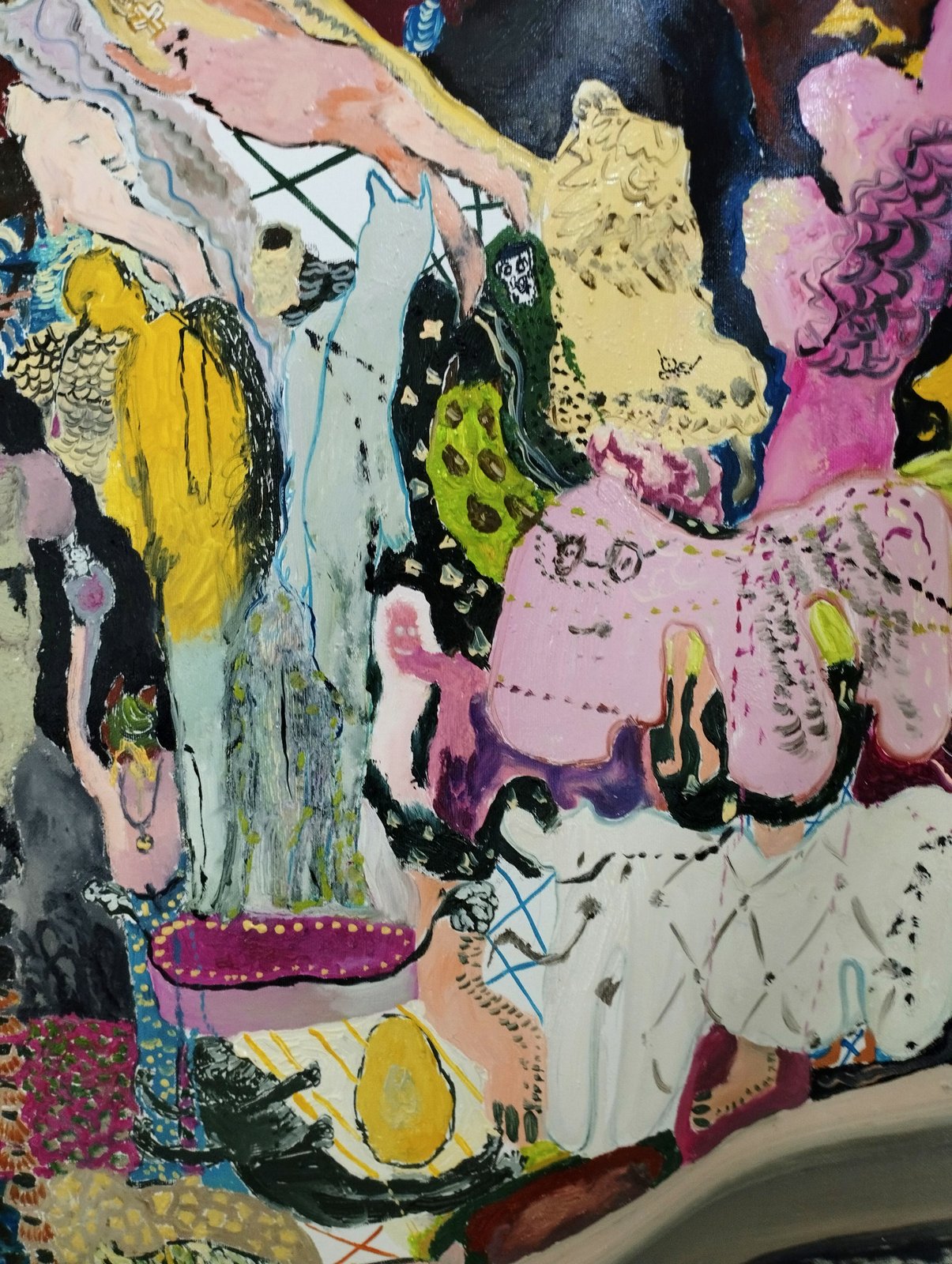
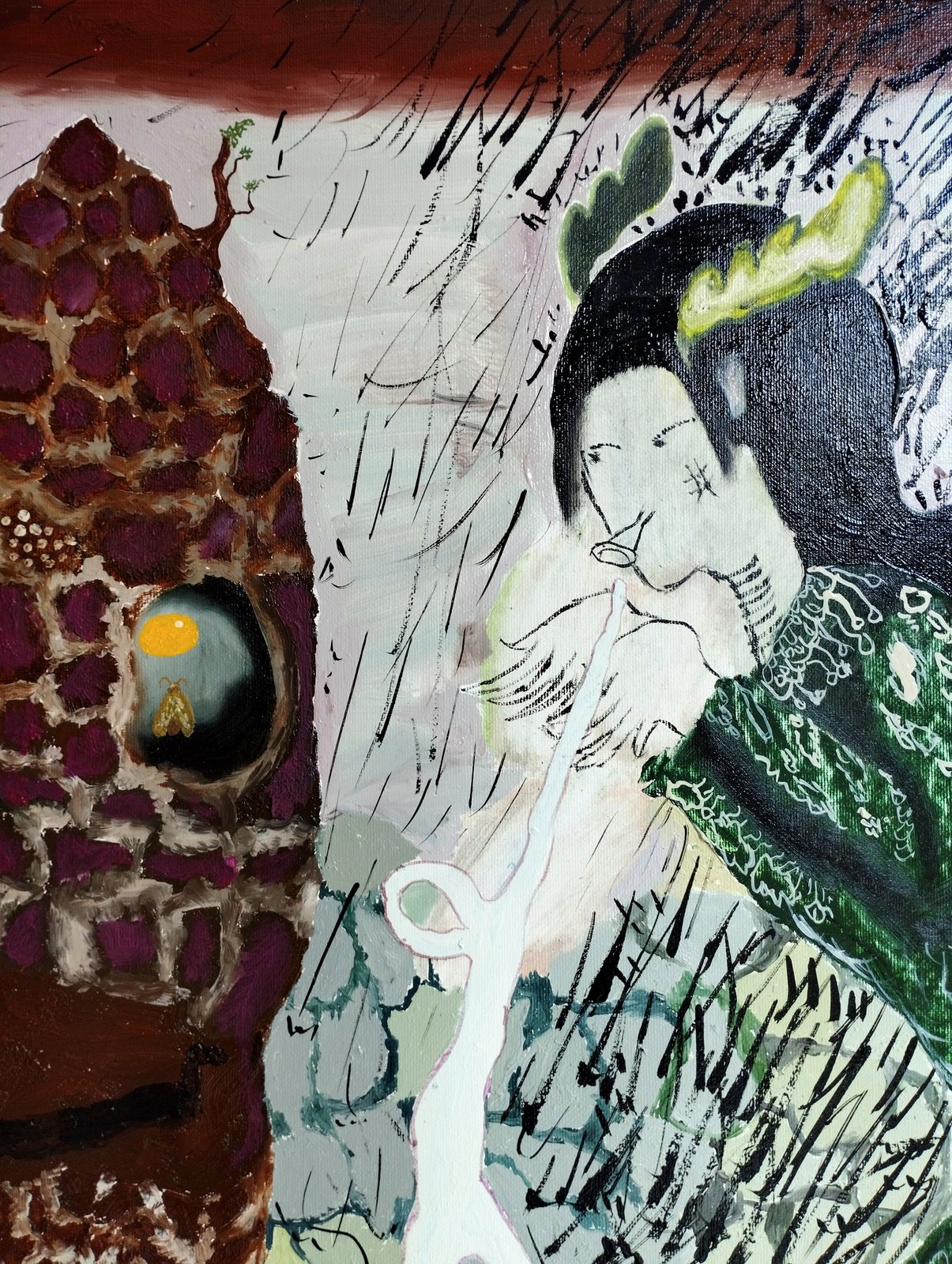
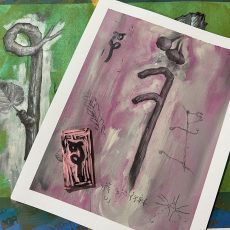
My work at Rimbun Dahan—composed of paintings, glyphs, and an accordion format artist book—is my exploration of slow, branching, and mythic time through the interplay of text and image. This is the longest I’ve stayed in another country, and the largest block of uninterrupted time to work on my art, away from the demands of other tasks and duties back home. I chose to approach the experience by viewing it through the lens of language and time. During my stay, I noticed many word similarities between Malay and Filipino, no doubt because of the common Austronesian roots. I also observed how my experience of time shifted, not only because of my physical distance from other work concerns, but also the time differences in the rising and setting sun. Suddenly, as I immersed myself in the surrounding flora of the arboretum and deliberately walked into my new surroundings, I experienced a slowing down of subjective time. In Filipino, moving slowly and carefully translates as “dahan-dahan” and serendipitously also translates to “branches” in Malay. Thus, I’ve come to think of my work at Rimbun Dahan under this conceptual umbrella—a meditation on language, place, and time. 

During the conceptualization stage, I was initially inspired by the Voynich Manuscript—a medieval codex written in an unreadable script and language and accompanied by plant illustrations. As part of my process, I created a kind of tree alphabet inspired by the arboretum. It has been said that typography is “thought made visible”. And these invented glyphs reveal as much as they conceal, obscuring words while at the same time placing them into forms and shapes that reflect my own subjective experience of the surroundings.

Then I searched for Filipino words and nouns that can evoke double meanings and cultural connotations when paired with images. Words like “kama” (bed), “puso” (heart), and “loob” (literally inside but can also refer to the inner self) have particular resonances during my stay at Rimbun Dahan. These words refer to my experience of bodily rest, Filipino mythical stories about the surrounding flora (such as the banana plant), and the witnessing of the Eid al-Adha sacrifice. I paired these words with surreal images and inscribed the words using the invented alphabet. Through all this, the space of the studio became a place where I attempted to explore my personal experiences of the residency, the mythic connotations of the surrounding flora, and the linguistic similarities between the culture I bring and the space I’ve been transplanted into.

Fauzan Fuad

Fauzan Fuad

Malaysian visual artist Fauzan Fuad undertook a 3-month residency at Rimbun Dahan under the Southeast Asian Arts Residency, from May to July 2025.

About the Artist

Fauzan Fuad (b. 1987, Kuala Lumpur) is a painter and photographer whose work bridges the raw aesthetics of urban culture with the experimental ethos of Abstract Expressionism. He began his artistic journey in 2012 as an assistant to renowned artist Yusof Ismail (Yusof Gajah) at Universiti Malaya, a formative experience that lasted one and a half years. Since then, he has committed himself fully to a path of self-discovery as a full-time artist.

Fauzan’s artistic vocabulary draws heavily from the worlds of punk, vandalism, skateboarding, and raw urban visuals, blending them with influences from the western Abstract Expressionist movement of the 1950s. This synthesis results in works that are bold, unfiltered, and deeply rooted in contemporary subcultures. He debuted his first solo exhibition at China House, Penang, in 2018. This was followed by his solo photography exhibition, “44”, at Zon Tiga, Kuala Lumpur, in 2020. Most recently, in 2024, he held his third solo show, titled “POV”, at Rissim Contemporary, Kuala Lumpur. Additionally, he has been invited to participate in his debut artist residency program, “SUNYI,” organized by Balai Seni Negara Langkawi, towards the end of the year. Fauzan’s work has also been featured in numerous group exhibitions both locally and internationally. Highlights include the Gwangju International Art Fair (by Hin Bus Depot Gallery), Gwangju, South Korea (2020); SH/FT: Contemporary Visual Art organized by CENDANA at White Box MAPKL@ Publika, Kuala Lumpur (2019); “Cannot Be Bo(a)rded” at Espace Commines, Paris, France (2017); Malaysian Art Expo 2015 (represented by A2 Gallery); “CONSTANT PRESENT” organized by FINDARS at FINDARS Art Space, Kuala Lumpur (2021); and the Malaysia Emerging Artist Award 2022 Exhibition by CIMB Foundation & HOM Art Trans Gallery, Kuala Lumpur.

As of 2025, Fauzan continues to live and work in Kuala Lumpur, pushing the boundaries of his creative practice while remaining deeply engaged with the cultural landscapes that inspire him.

Artist Statement

When I arrived on May 1st, 2025, I came with a clear intention: to experiment within my artistic practice—whether through photography, painting, or idea-based work drawn from the experiences of this residency. I wasn’t sure how the site would influence me or what emotions it might stir, but I arrived with an open mind.

One of the first idea-based works that emerged was a performance piece. Something about this place demanded that the work take that form—it had to be performance, and it had to be documented. This piece also became part of my ongoing experimentation with mark-making. It will be my first foray into performance as a medium, and I will be collaborating with an artist I met during my previous residency.

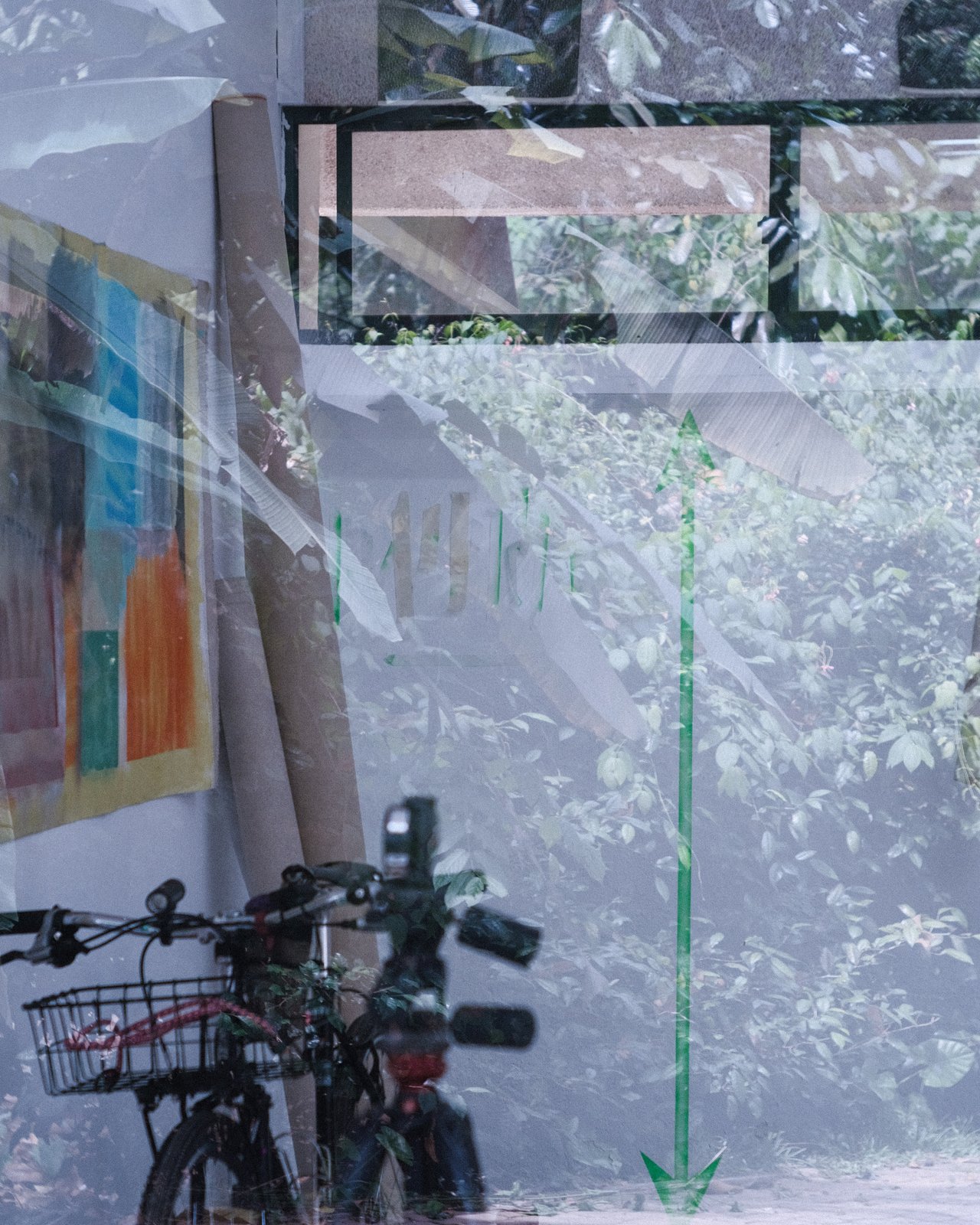
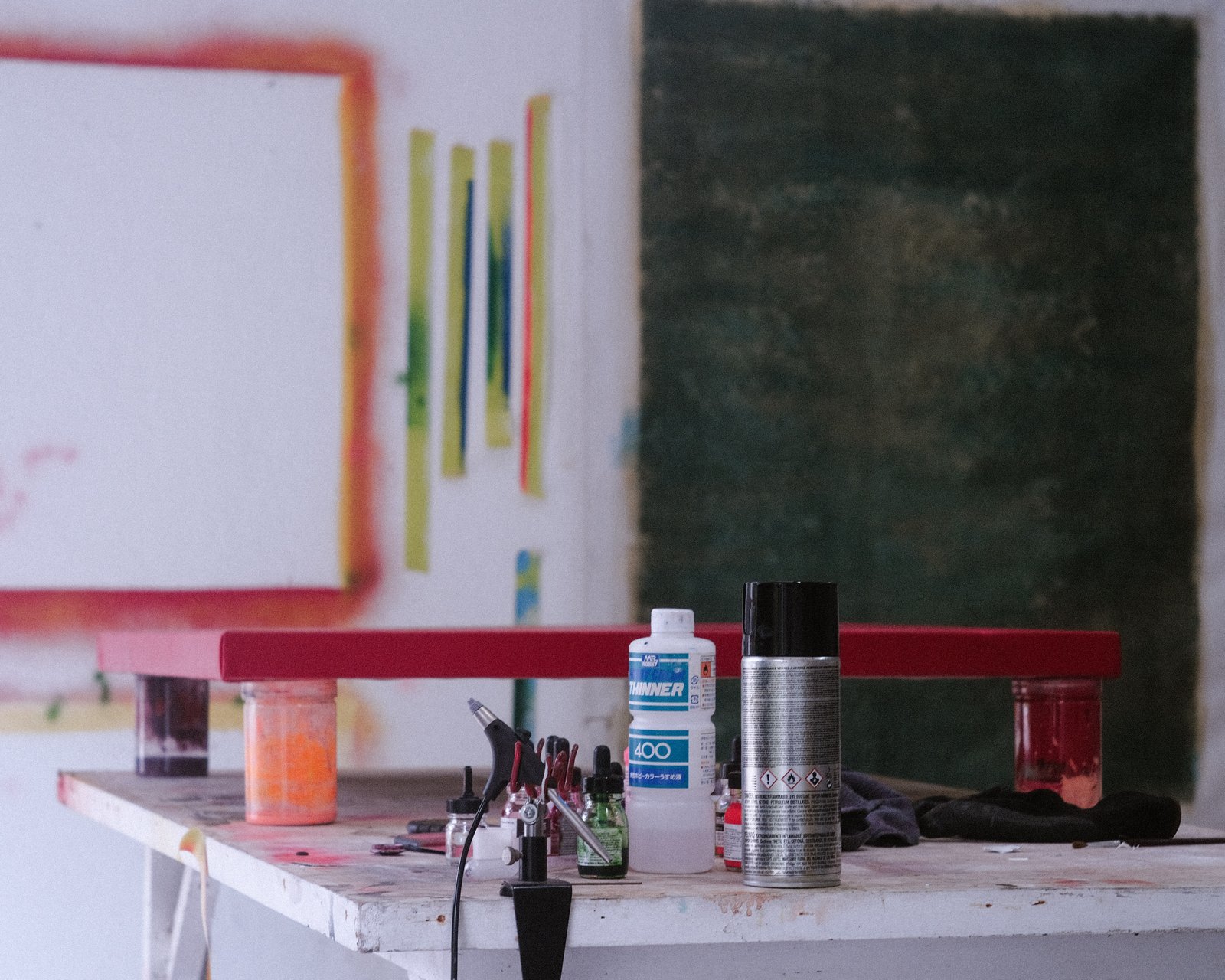
Another early development was a photographic installation, inspired by one of the first images I captured with my phone on the day I arrived, as well as the studio space provided for experimentation. That initial visual response became a point of reflection, helping me to reconsider and refine my own visual language and perspective.

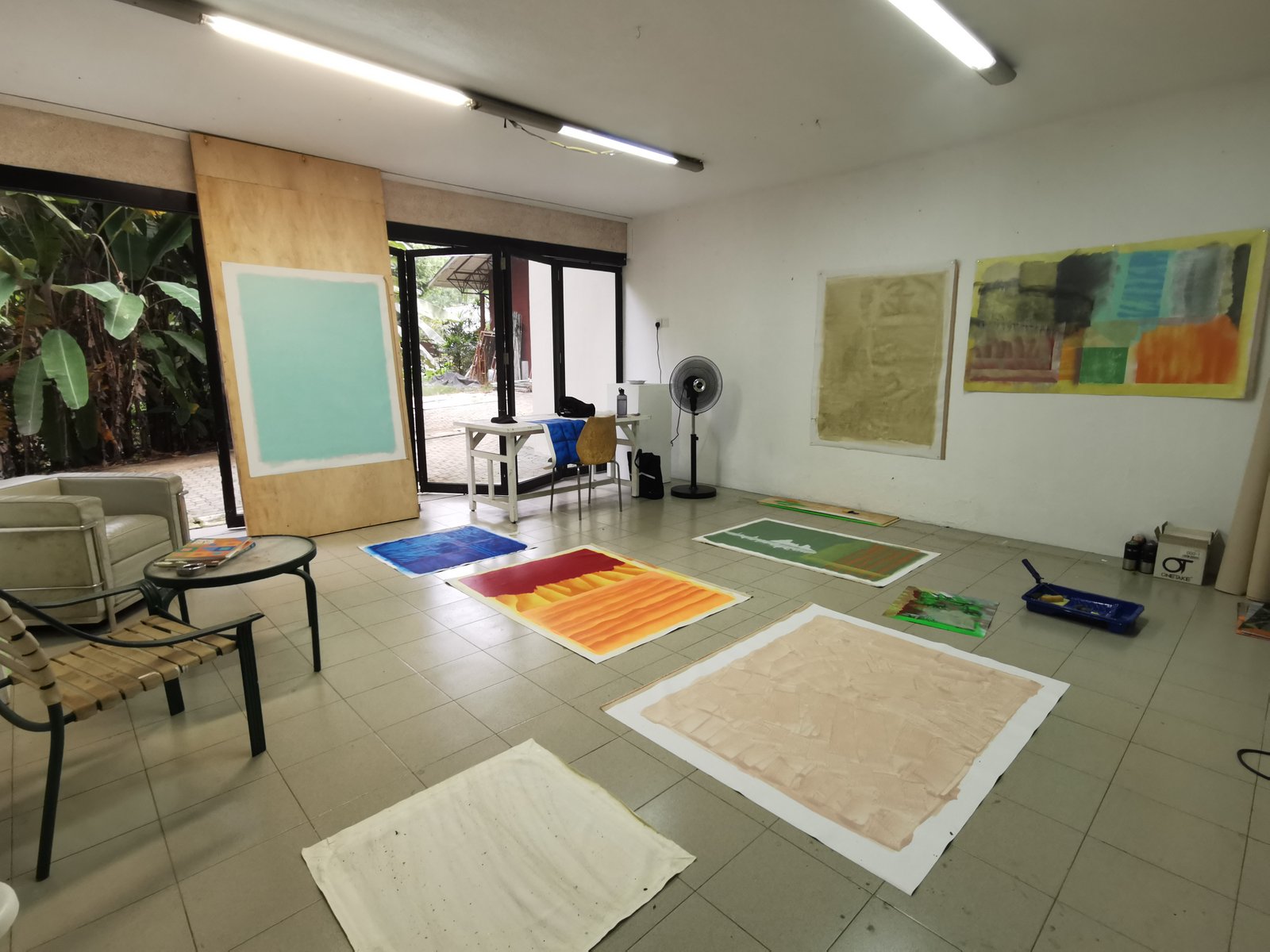
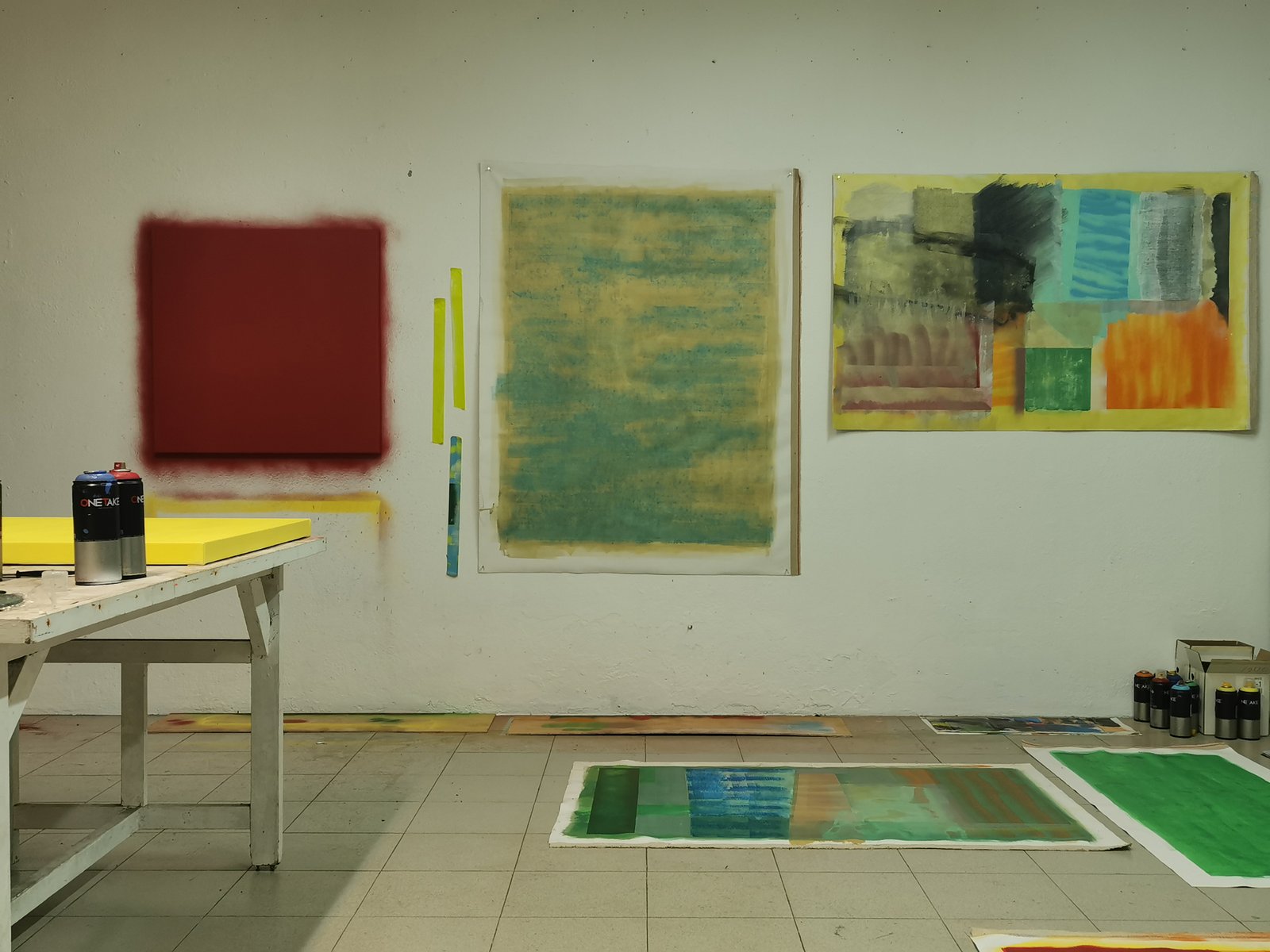
Midway through the residency, I received a new commission that needed to be completed on-site and within a tight deadline. After fulfilling this, I returned to painting—my primary and most familiar practice. This period gave me valuable time and solitude to reflect on both myself and my work. I found myself reconsidering how I approach painting: pushing and pulling within the process, exploring layering, surface, and the materiality of marks. I allowed intuition and instinct to guide me. Often, the environment inspired me in subtle, unconscious ways. The color palette and visual moods in my work shifted, reflecting the surroundings I was immersed in.

Four of the paintings developed during this time are now part of a group exhibition, OUTSIDE-IN, at Galeri Sasha, the gallery that represents me. This show had already been confirmed just before I began the residency.

Beyond the studio, I kept up with my regular physical routine—swimming, running, and, for the first time, trying tennis, which I was introduced to here. These physical activities also became a form of mental grounding, offering balance throughout the creative process.

As I reflect on my time here, I feel deeply grateful—for the space, the solitude, the challenges, and the discoveries. This residency offered me more than just time to work; it gave me a chance to reconnect with my practice, to take creative risks, and to listen closely to my instincts. I leave with new insights, new works, and a renewed sense of direction—both in art and in self.

Fauzan Fuad’s residency at Rimbun Dahan is additionally supported by a grant from Balai Seni Negara.

Banny Jayanata

Banny Jayanata

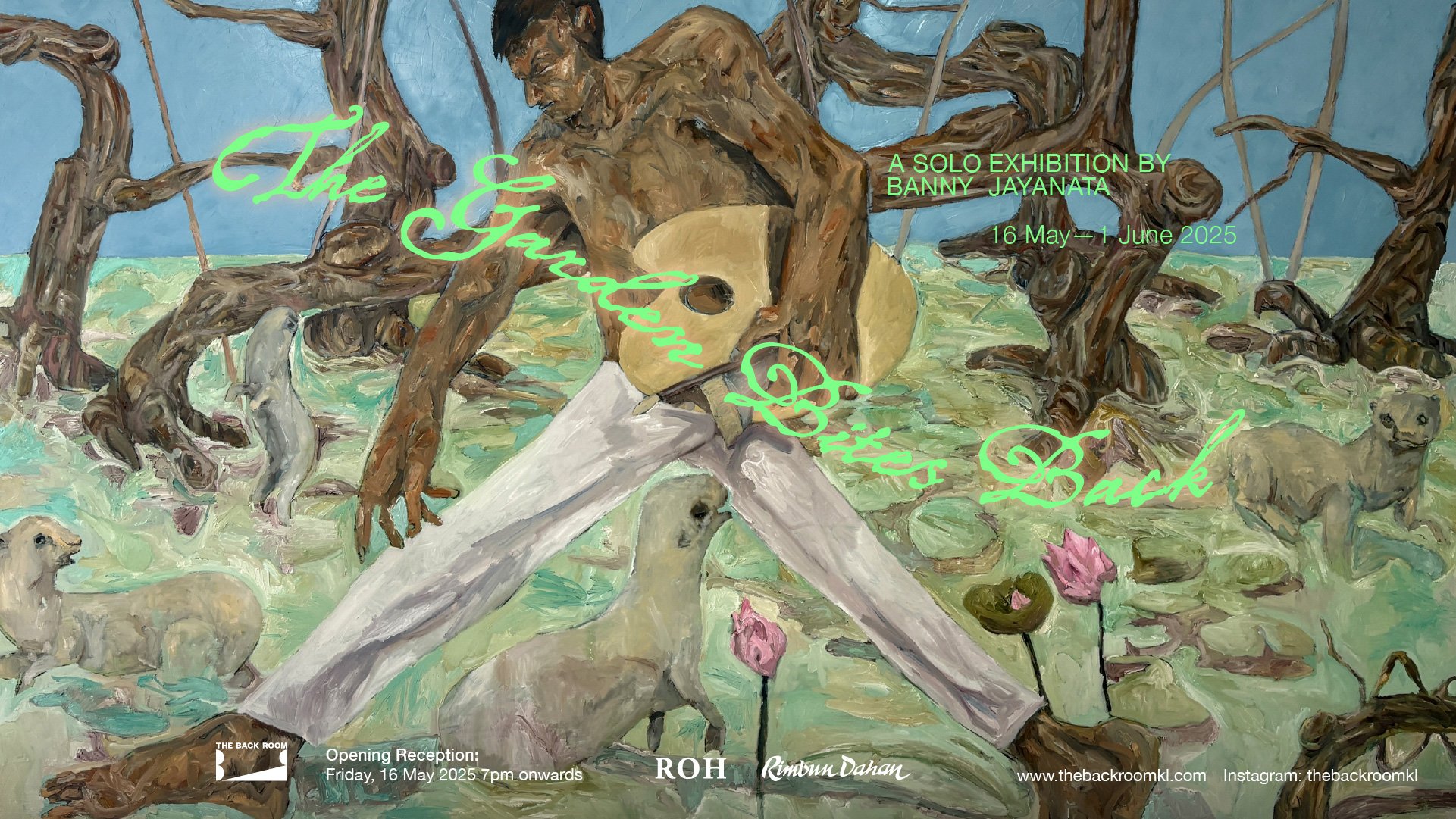
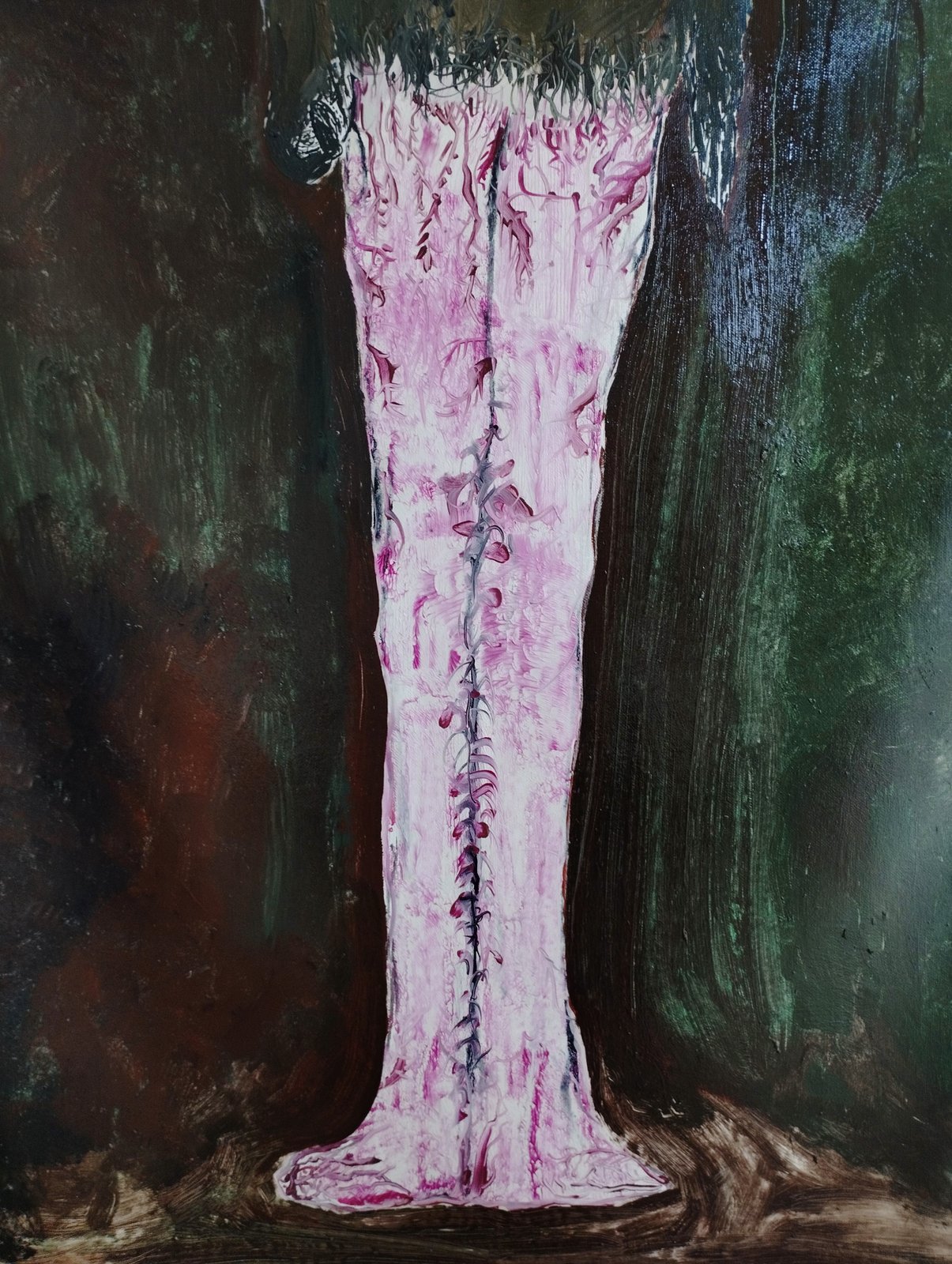
Indonesian visual artist Banny Jayanata spent a month in residence at Rimbun Dahan in April 2025, culminating with a solo show “The Garden Bites Back” at The Back Room gallery in Kuala Lumpur in May 2025.

About the Artist

Banny Jayanata (b. 1983, Surabaya, Indonesia; lives and works in Sidoarjo, Indonesia) received his Bachelor’s Degree in Visual Communication and Design from the Petra Christian University, Surabaya, Indonesia, in 2007 and his Master’s Degree in Visual Arts from the Indonesian Institute of the Arts, Yogyakarta, in 2014.

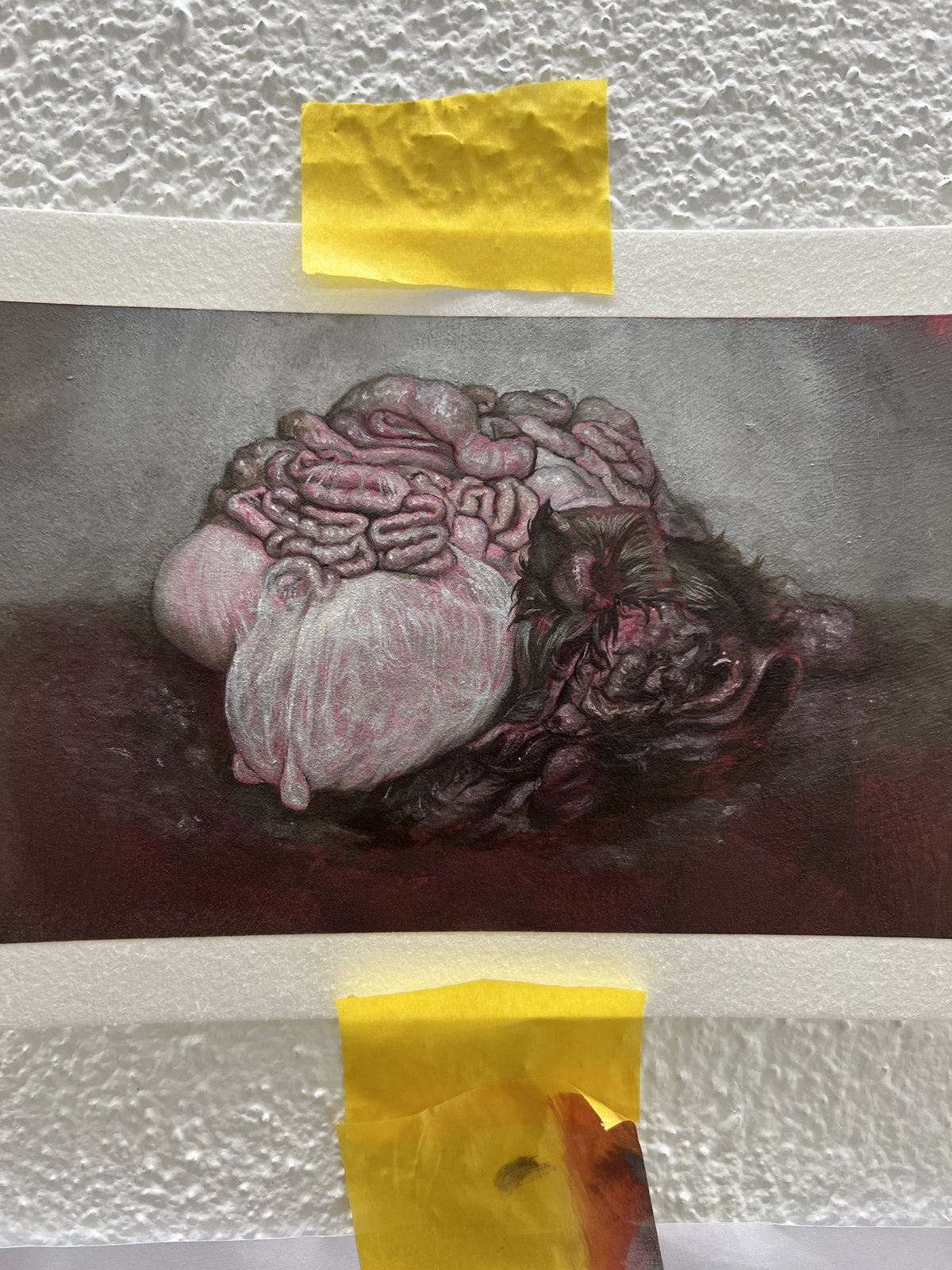
Jayanata’s paintings explore the existential human condition, enclosing distorted characters in a melancholic tableau of impasto brushstrokes. This interest in the weight of life’s transience is translated primarily through movement in what he describes as a “living image”; his subjects are often caught in moments of profound inner turmoil or meet in violent collisions with other bodies. Jayanata’s overarching interest in the interplay between beauty and decay simultaneously infuses his painting with a sense of inevitable decay, where beauty is juxtaposed with the harsh reality of its fragility. In this decay, Jayanata finds deeper meaning, reaching for beauty as a kind of redemption and purpose in the face of life’s inevitable transience. In his paintings, Jayanata captures the essence of what it means to be human—fragile, beautiful, and inexorably bound to the passage of time.

Jayanata has participated in a number of exhibitions throughout his artistic career. His solo exhibitions are Black and Blue Mood at Museum dan Tanah Liat, Yogyakarta, Indonesia (2018) and LUKA at Independent Art Management, Yogyakarta, Indonesia (2014). Selected group exhibitions include Onsen Confidential: The Final at Mujin-to Production, Tokyo, Japan (2024), Basel Social Club in Basel, Switzerland (2023); murmur at ROH, Jakarta, Indonesia (2023); Identitas yang Hidup at Museum dan Tanah Liat, Yogyakarta, Indonesia (2021); Merayakan Optimisme, Taman Budaya Yogyakarta, Yogyakarta, Indonesia (2019); Virtual Territories at Jogja National Museum, Yogyakarta, Indonesia (2013); Works on Paper #2 at Aswara Heritage Gallery, Kuala Lumpur, Malaysia (2013); and DEKA – EXI(S) at Biennale Jogja at Yogyakarta, Indonesia (2013).

About the Residency

Issues of anthropocene with its contradictions is my main concern, reminding me the importance of coexistence living between nature and human.  Being aware of the complexity of environmental issues, the artist’s works may only give suggestions. I too am not giving any solutions on the issue. 

During my residency in Rimbun Dahan I’d rather feel gratitude towards the opportunity I have to explore such a beautiful and natural place, yet which has so many challenging moments, like thunderstorms. Also there are moments of nice warming sunrises or beautiful sunsets near the pond, and birdsong in the mornings. I follow the rhythms of living which is very similar with nature’s dynamics.

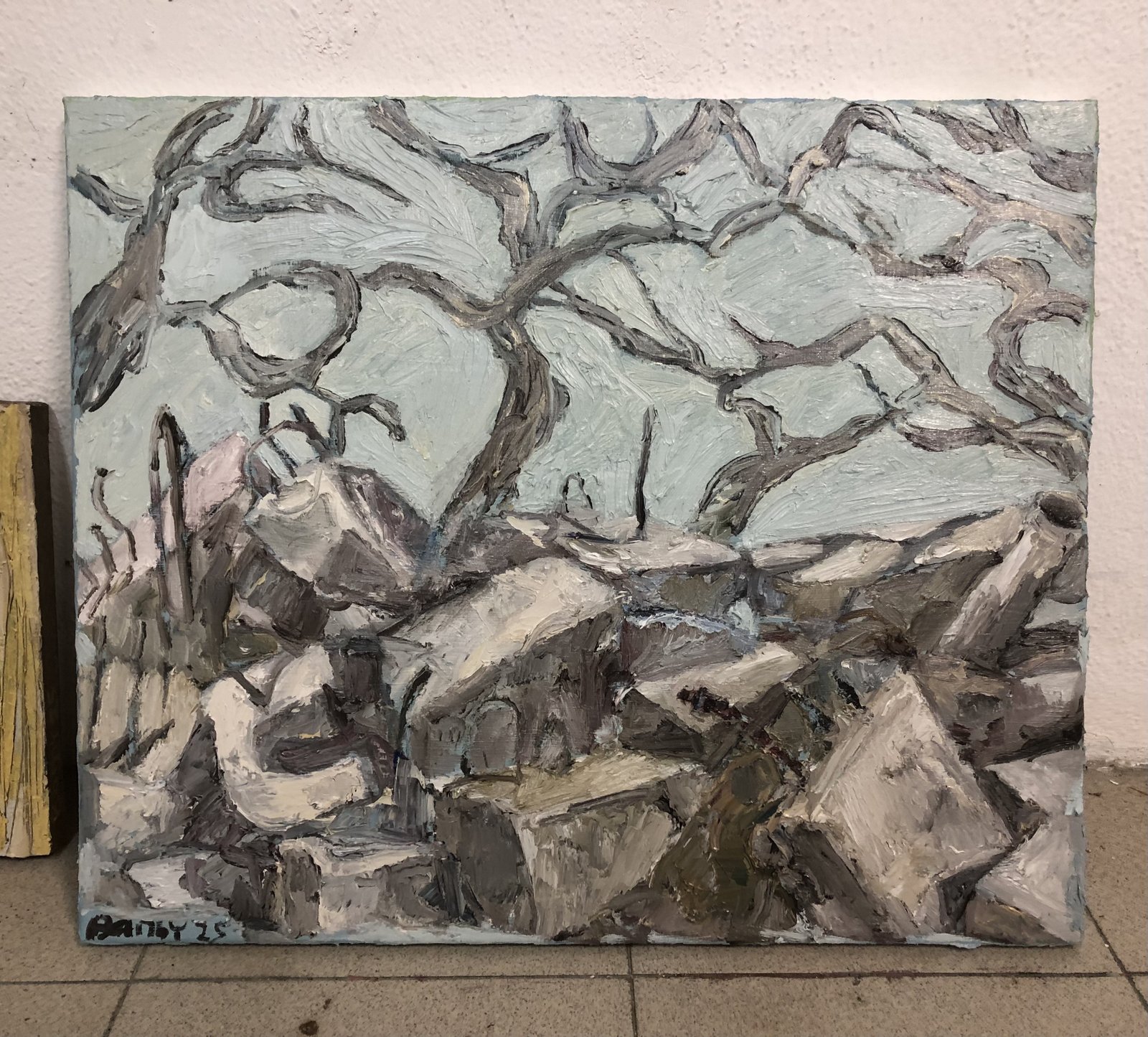
The experience of living both in a natural environment and an urban city like Kuala Lumpur gave me rich nuances and inspiration to make some works. For example, a work titled ‘branches and concrete’, the last work I made in this residency, is an attempt to depict the antagonistic impression in the relationship between urban and natural life. 

About the Exhibition

From 16 May to 1 June 2025, the works Banny Jayanata made at Rimbun Dahan are on display in a solo exhibition at The Back Room, Zhongshan Building, Kuala Lumpur. Go to The Back Room website for more information about the exhibition, and to read the exhibition essay by Ong Kar Jin.

Nuril Basri

Nuril Basri

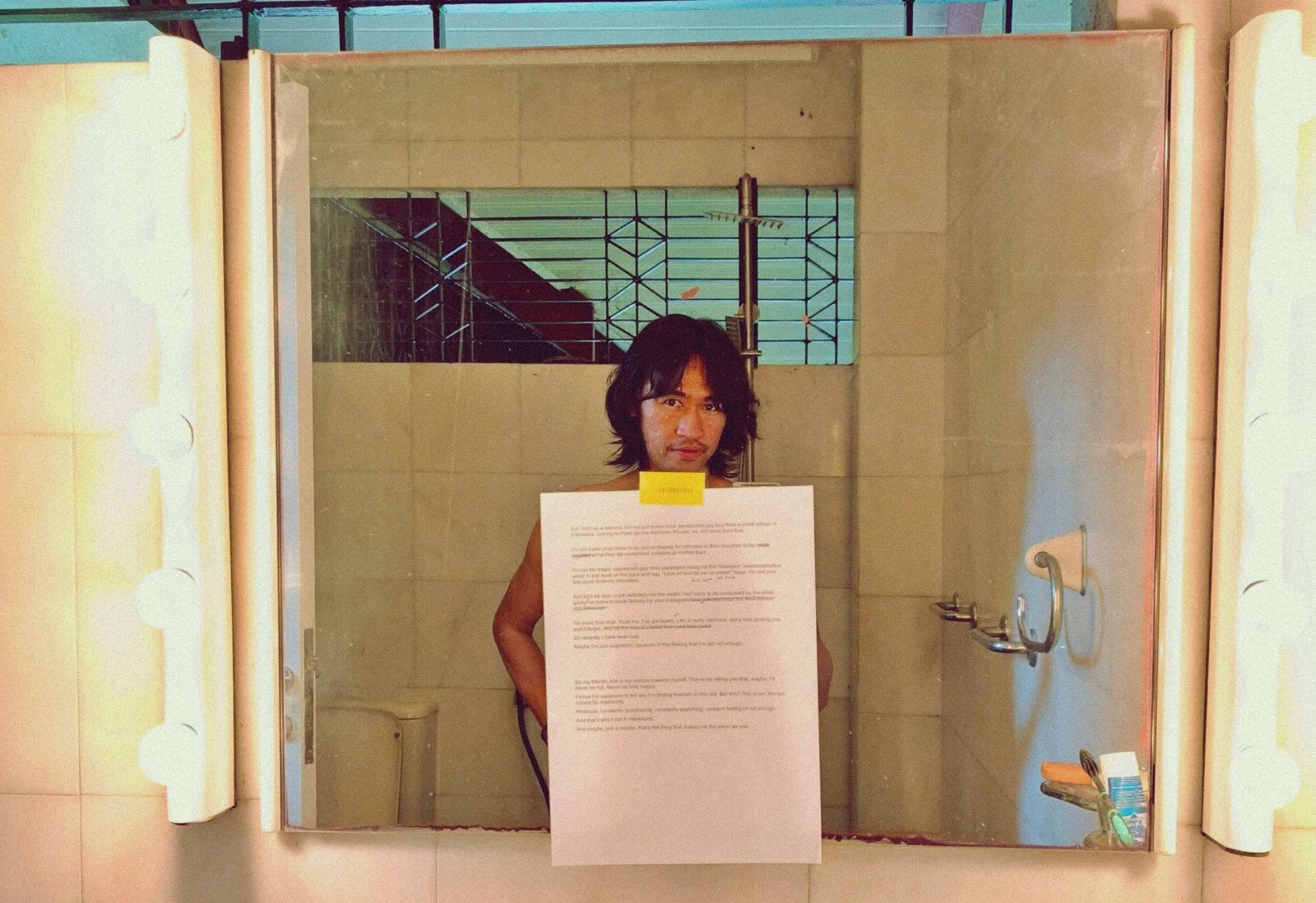
Nuril Basri, an author from Indonesia, had a two-month residency at Rimbun Dahan in April-May 2025.

About the Author

Nuril Basri is an Indonesian writer whose work blends tragicomedy, autofiction, bildungsroman, and offbeat storytelling. His novels have been translated into English, Malay, and French. In 2023, his novel Le Rat d’égout won the Grand Prix du Roman Gay Traduit in France. He has been supported by institutions such as the Cité Internationale des Arts in Paris, the National Centre for Writing in Norwich, the Literarisches Colloquium Berlin, and others. He is currently working on his 10th novel.

www.nurilbasri.com
Instagram.com/nurilbasri

About the Residency

Swimming, and Naked Behind My Words

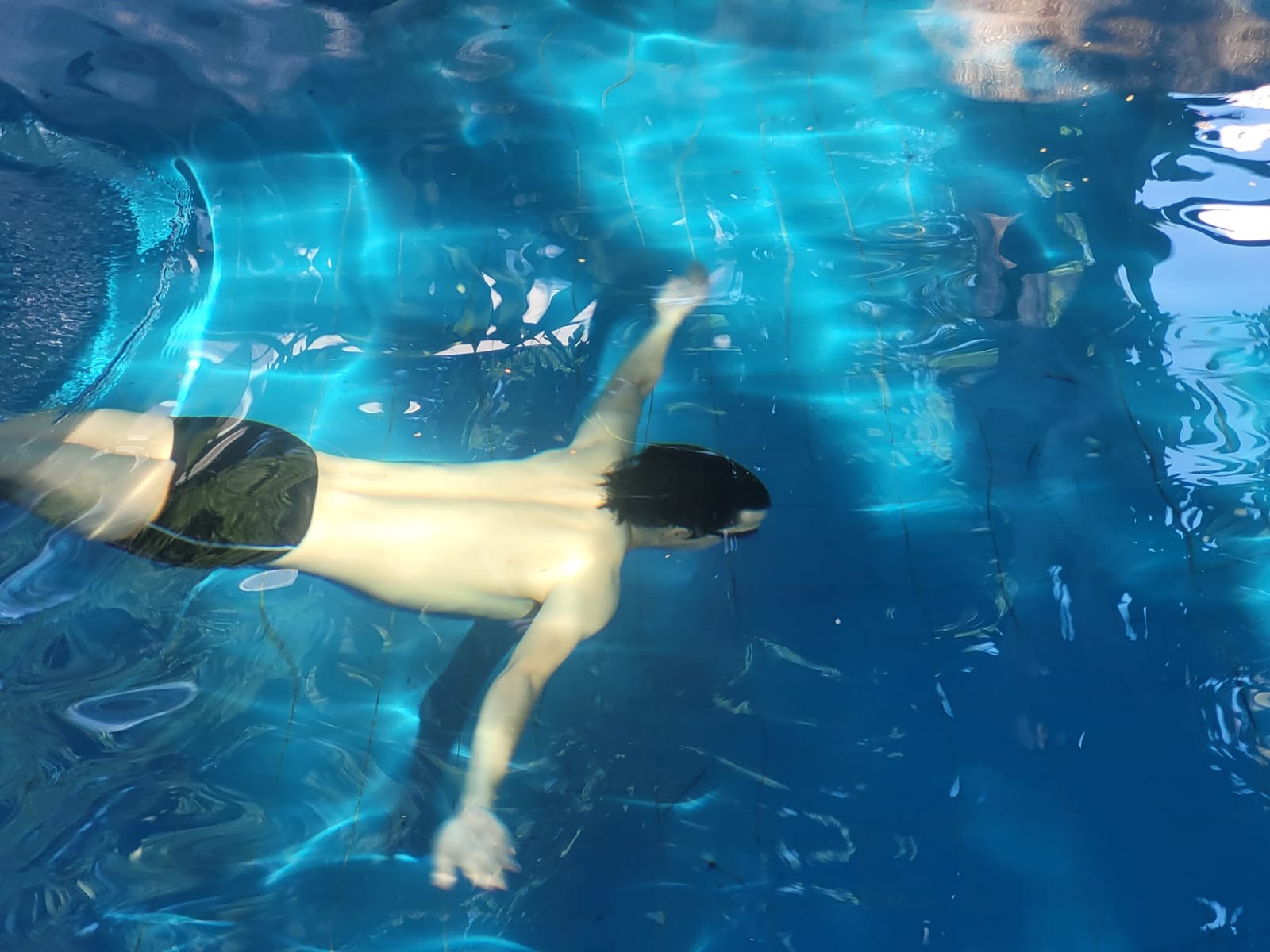
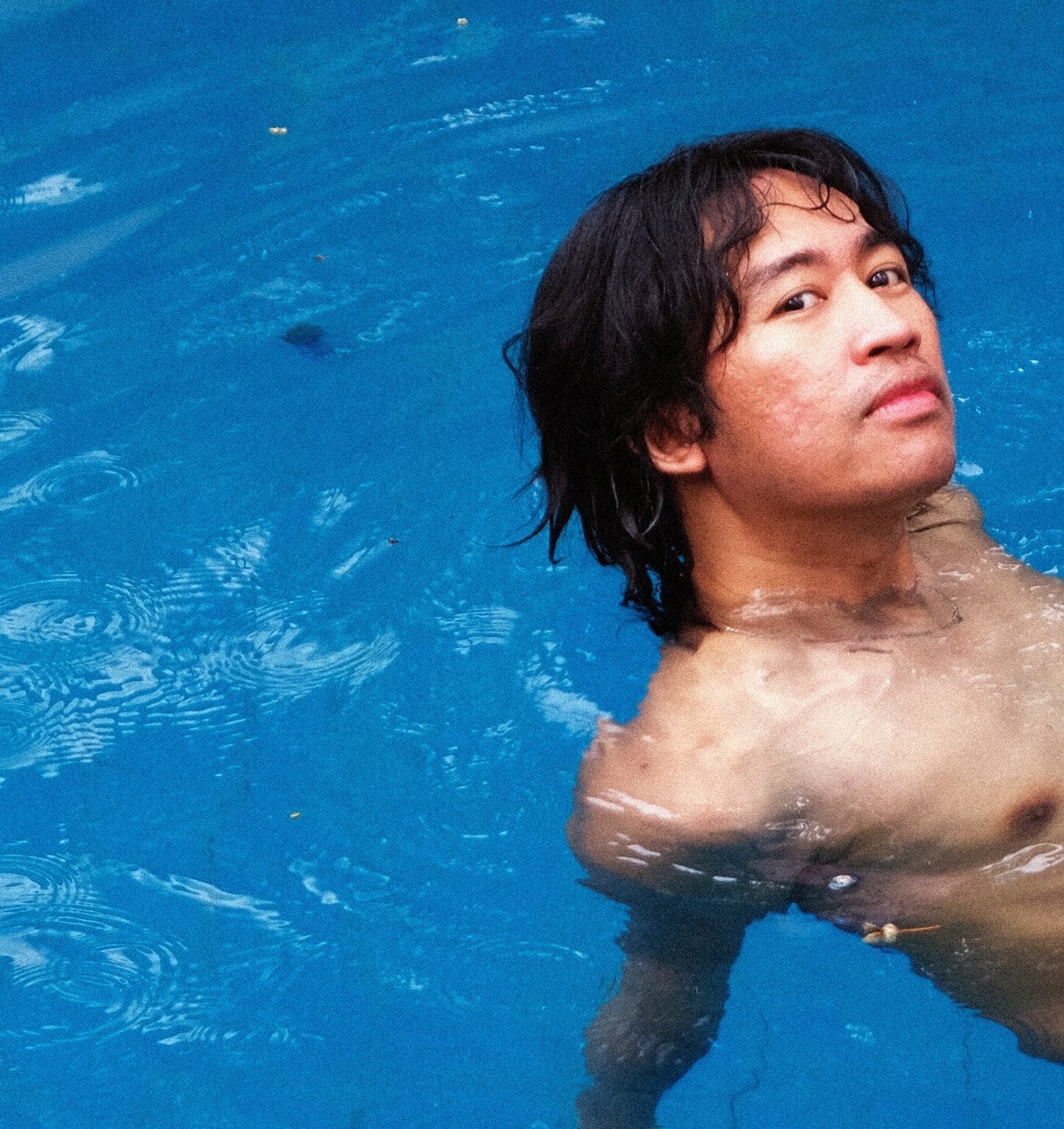
During my time at Rimbun Dahan, I’ve come to see swimming as a way to free my mind, letting my thoughts move and settle like water itself.

Swimming also a ritual that mirrors my writing process, where I strip away layers of comfort (my clothes, my façade, my tolerance) to uncover something more vulnerable, more fully myself. Almost naked, without shame.

This project is my way of peeling off what I usually hide behind, much like how swimming strips me down to just my body, just myself. The way swimming allows me to be fully in my body, this novel allows me to be fully in my voice.

My novel-in-progress is an exploration of identity, power dynamics, pain, queerness, and the working class. It is a sequel to my novel Le Rat d’égout (2023).

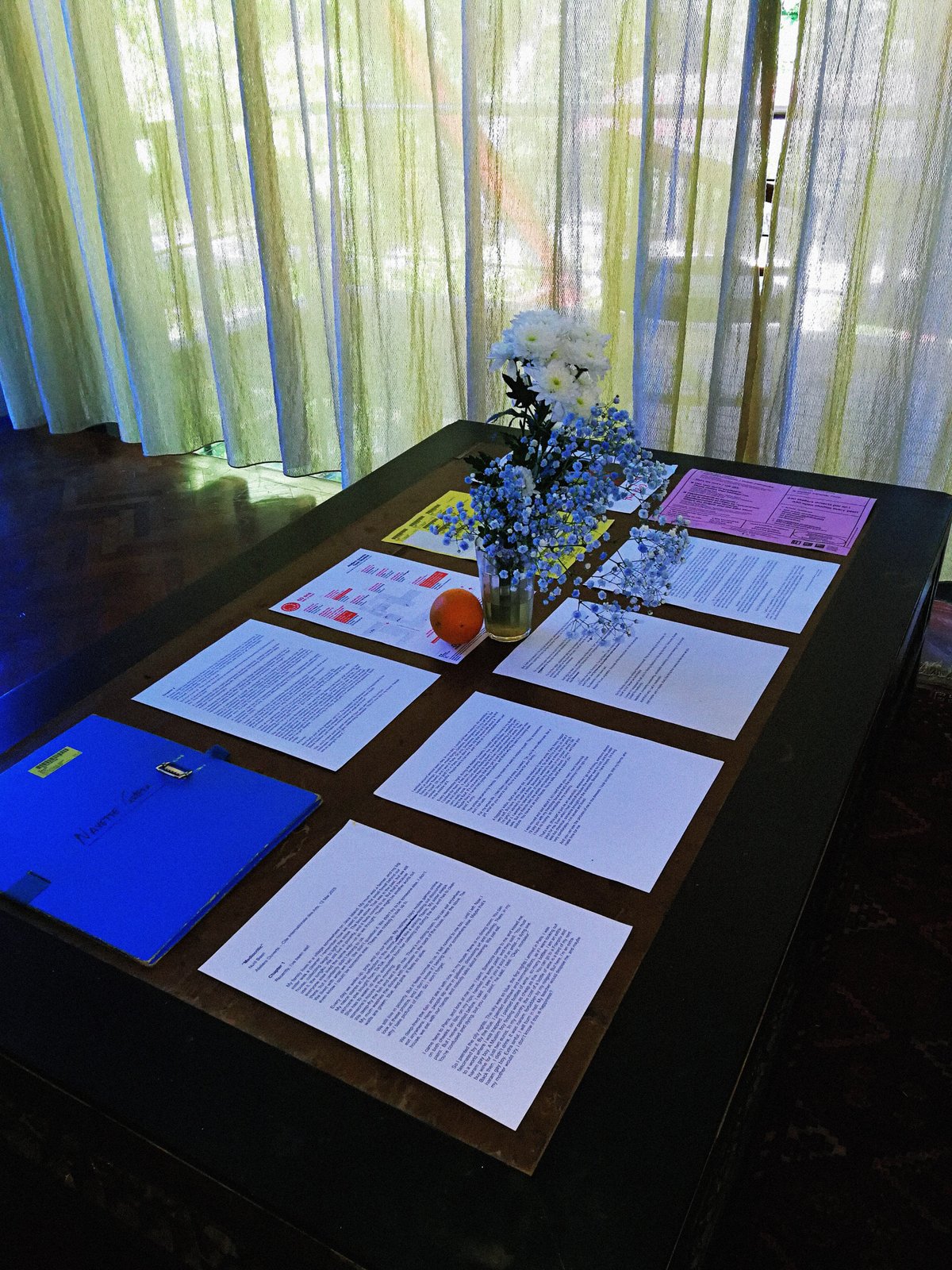
At the open studio, I will be reading one of the chapters I wrote during my residency at Rimbun Dahan, followed by a discussion about everything else. An intimate little gathering.

Tan Choon Ting

Tan Choon Ting

Malaysian painter Tan Choon Ting undertook a 3-month residency at Rimbun Dahan from March to May 2025.

About the Artist

Tan Choon Ting was born in Johor Bahru, Malaysia in 1992. Graduated from the Fine Arts Department of National Changhua Normal University in Taiwan in 2019. In recent years, he has been focusing on painting as his main creation. In his creation, he is interested in accident, expressiveness of painting and microcosm.

https://www.instagram.com/tanchoonting

About the Residency

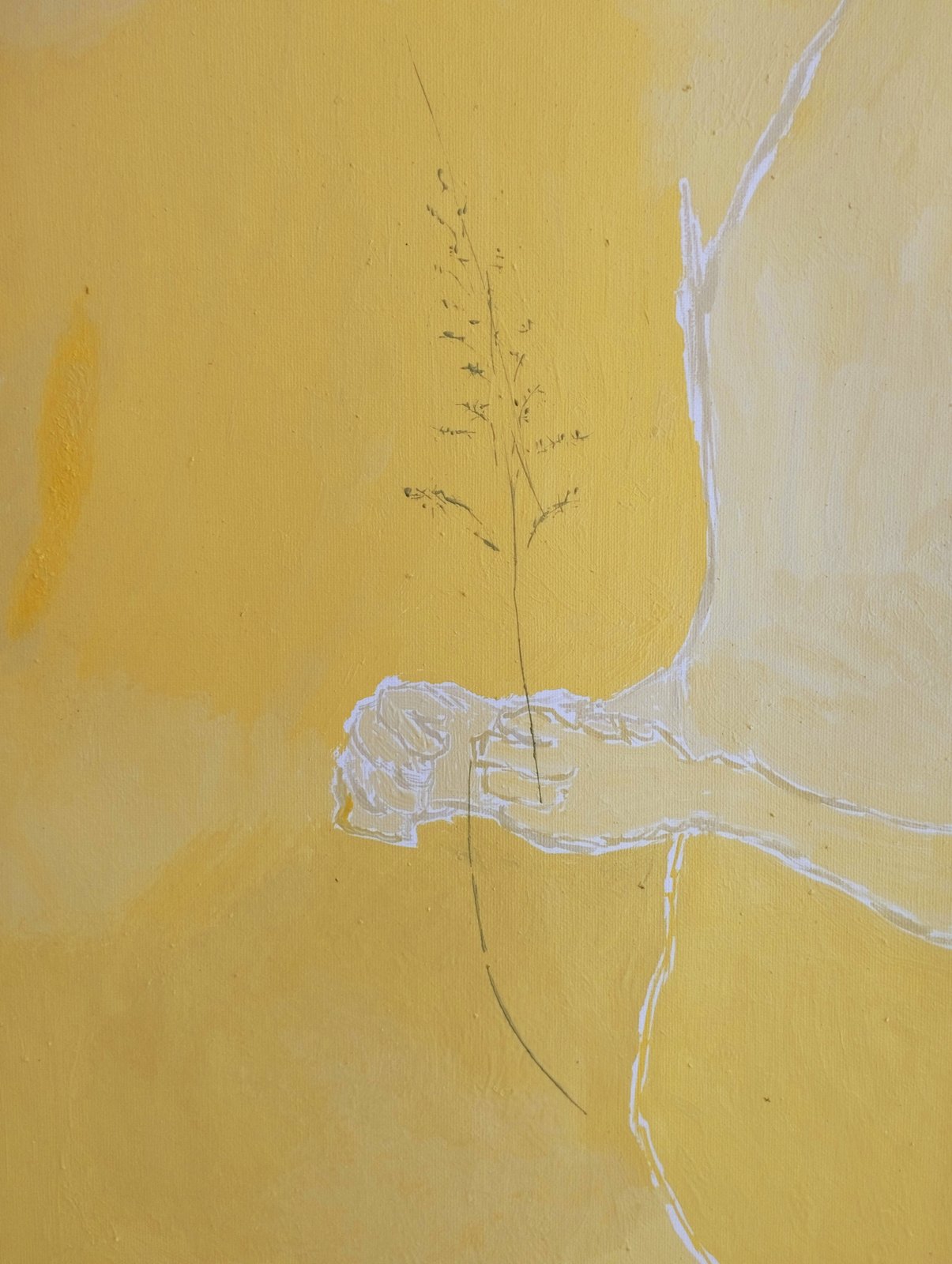
At Rimbun Dahan, I created works about nightscapes, portraits, plants, and passive imagination.

What impacted me the most when I first arrived here was the nightscape. I enjoy gazing into the night—it feels mysterious, and at the same time, there’s a strange pleasure in being conquered by it. I tried to find a subjective color that could represent this feeling within the night.

Portraits and plants always seem to “appear” together. My understanding of the plants didn’t come from actively studying them, but rather through the words of speakers during the guided tours here—those moments of “Ah, so that’s what it is.” This way of encountering things is a kind of escape I long for, a way to receive what we often call inspiration.

As for passive imagination—one day, on my way out to buy groceries, I saw some common roadside plants, and suddenly felt a sense of rediscovery. Perhaps this feeling came from the contrast with having stayed in the jungle of Rimbun Dahan for some time. It refreshed and reversed my perception, creating an alternating relationship between subject and object. At one moment, the inside becomes the outside; at another, the outside turns into the inside—pointing freely in either direction.

Bumi Liar (Izuan Shah)

Bumi Liar (Izuan Shah)

Malaysian musical artist Bumi Liar (real name Izuan Shah) undertook a six-week residency at Rimbun Dahan in April-May 2025.

About the Artist

Izuan Shah is a songwriter/composer and multi-instrumental musician based in Kuala Lumpur. He has a music repertoire stretching back 20 years with his art band Auburn, his pop duo Emmett I, and various other featured appearances. He trained at the Australia Institute of Music in Sydney, majoring in composition. Returning on break in 2013, he was awarded for his music video treatment to Auburn’s song, “Youth”, in the Best Digital Music Video category at the Malaysian Digital Film Awards that year. In 2019, his rock song for Emmett I, “Mogok”, was featured in the Southeast Asian blockbuster film, Polis Evo 2

In January 2024, his song “Jiwa Kuala Lumpur”, written for his hometown on a routine LRT commute to the studio, was performed by the Kuala Lumpur’s DBKL Orchestra. At the end of last year, he was made honorary member of London-based collective Bill Dury And The Healers in Camden’s vibrant pub scene.

His songs have arced from the third culture idealism of his youth towards a more seasoned, rustic worldview which expresses his Southeast Asian consciousness while preserving his sense of romanticism for a just world.

A writer at heart, his lifelong journaling and lyrical practice has crystallised over time as one with his musical output, evolving him into an artist striding further into the realm of poeticism. Izuan’s current residency brings him back home full circle to the essence of his creative purpose: storytelling.

https://www.instagram.com/izuanshah.isme/
https://vimeo.com/81976138
https://open.spotify.com/playlist/1EK8FMYRp1JT21bAUAjE2D


About the Residency

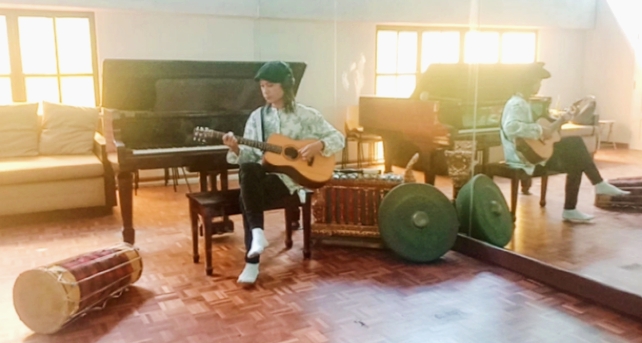
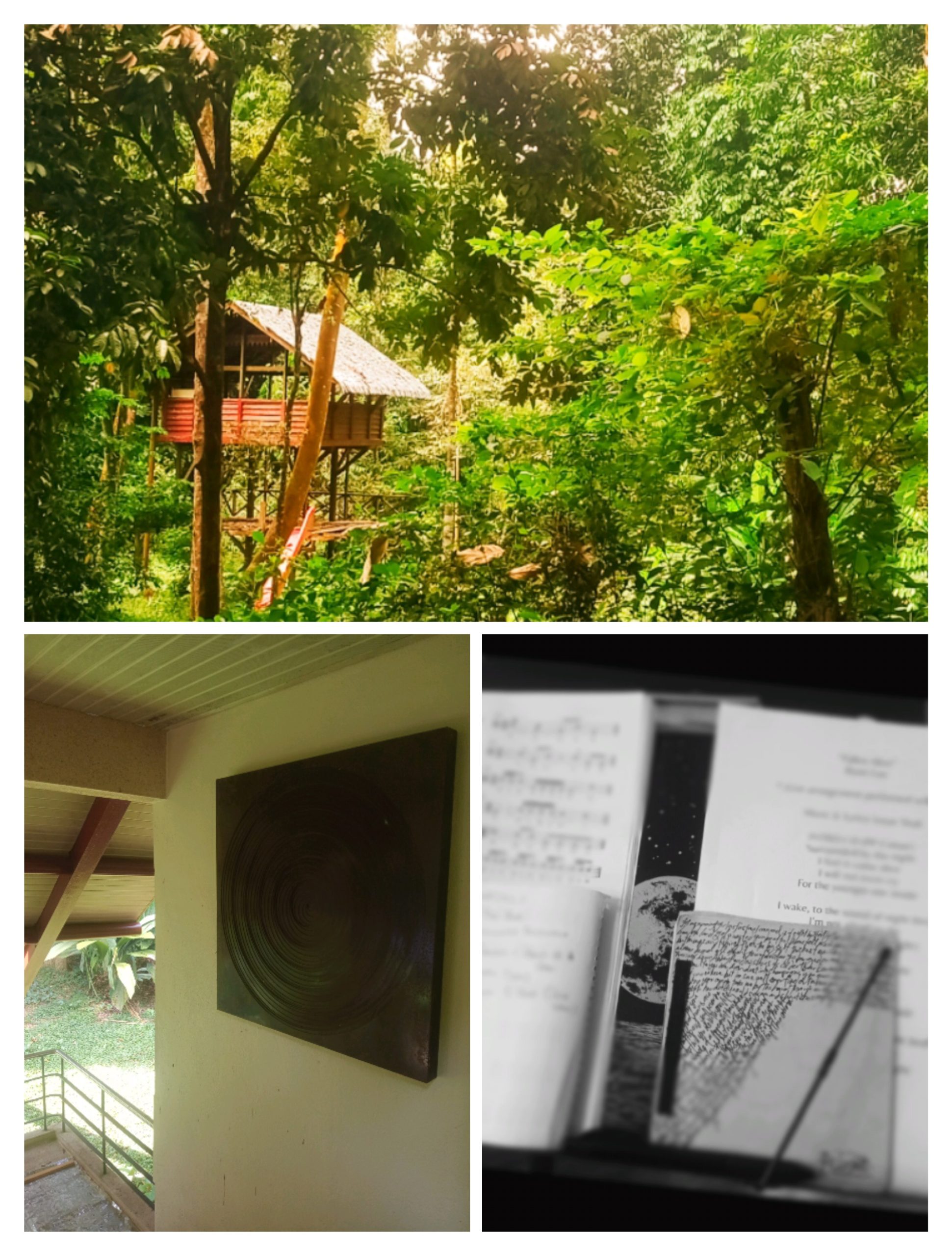
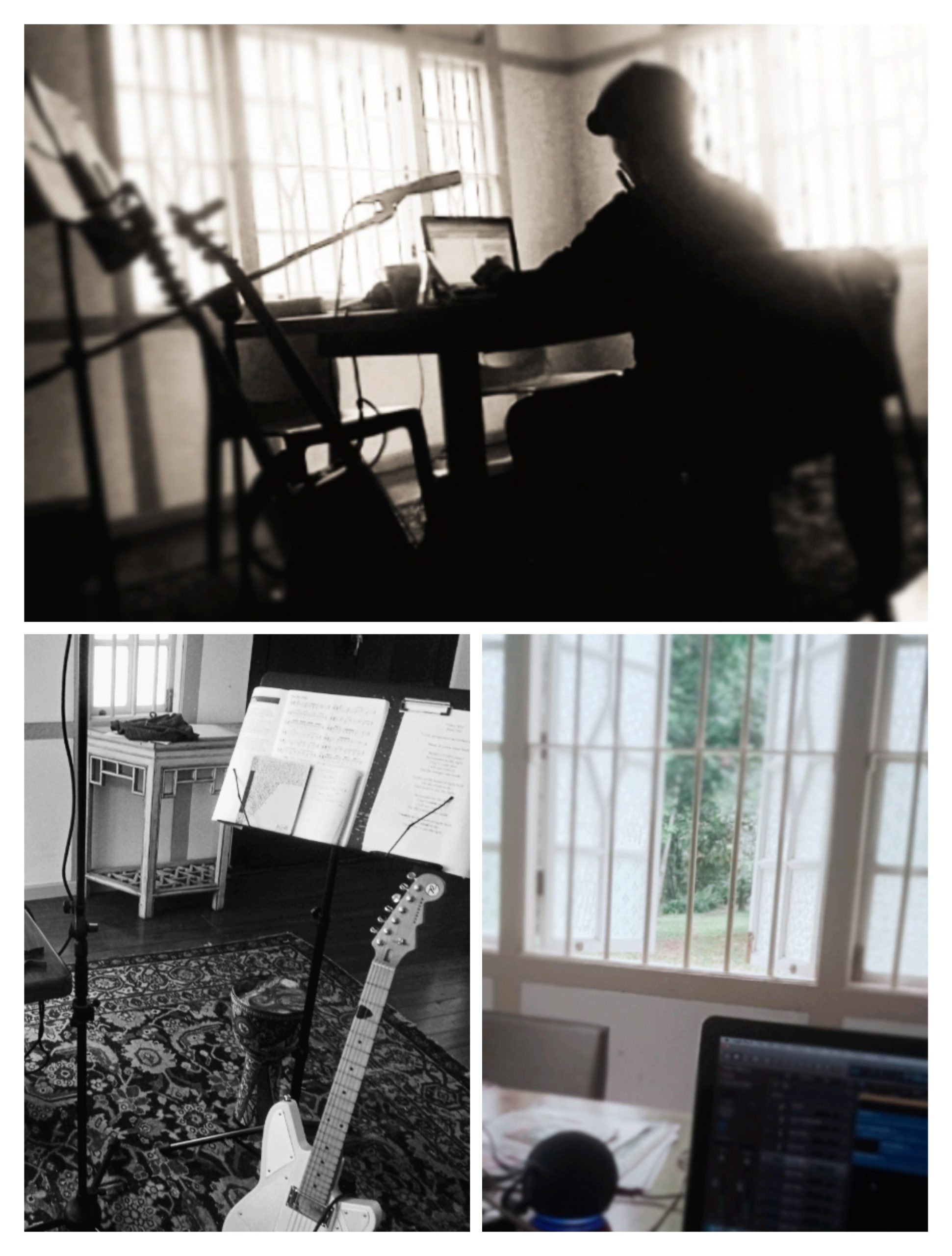
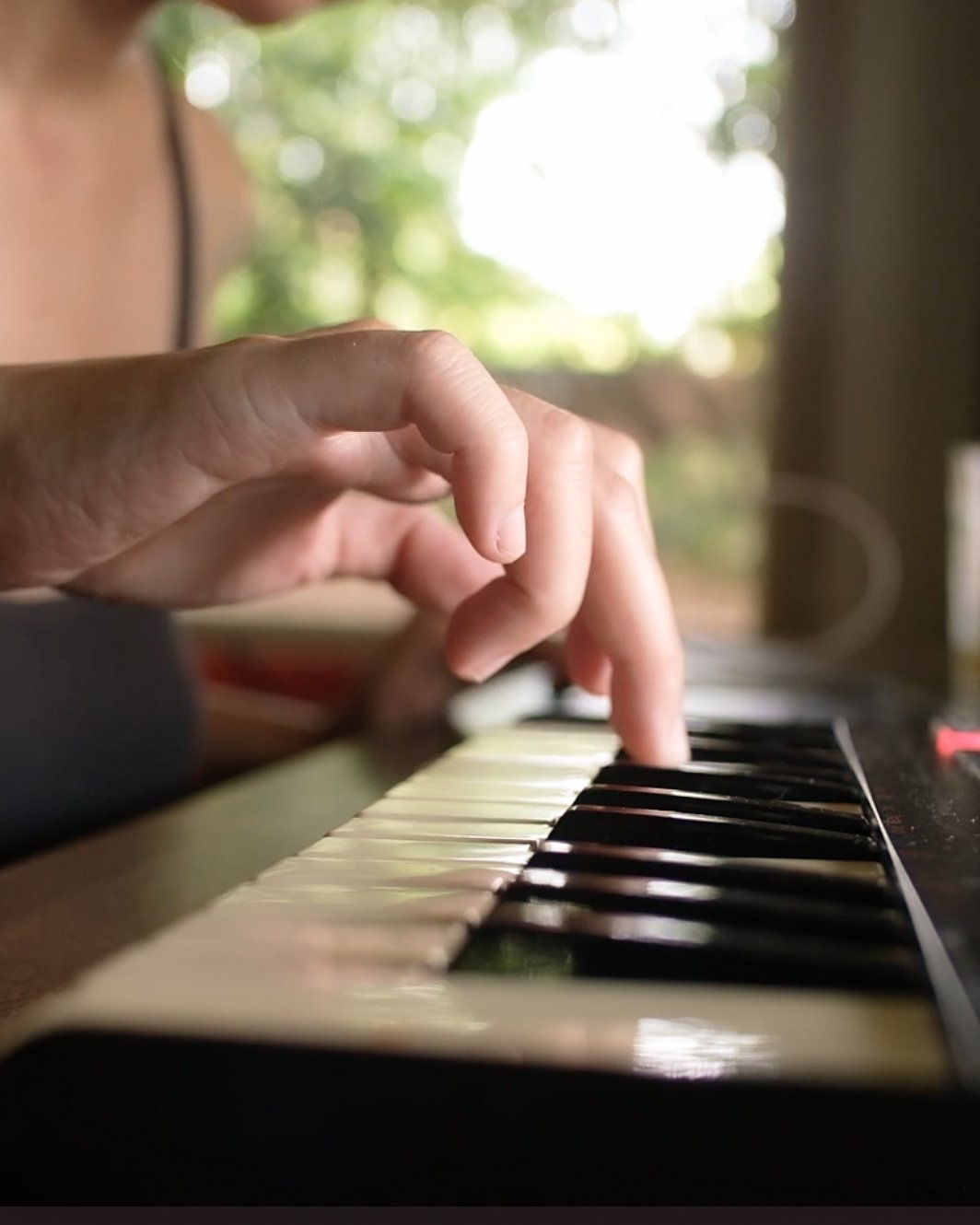
My tenure at Rimbun Dahan has removed me from the racing machinery of city existence, and opened me up to redirect my musical journey. Here I am given license to pursue a solo album that accepts realist commercial standards, while crucially returning to the beauty and parity of nature and the communal. My main focus here has entailed the sharpening of an artistic style where an East/West fusion serves the universal receiver, ideally sparking a conjunct spectrum of response and activation from both the proud listener and the inspired arts practitioner. The lyrical work meanwhile should speak for a silent majority, beyond the introspection and catharsis of the songwriter. For my current process, I have deliberately eschewed the luxury of modern studio approaches, making do with only voice, guitar, the humble dabruka hand drum, and maracas to shape the harmonic and rhythmic foundations. With a white canvas to express melody lines and inflections to my taste, I am also prompted to record previously suppressed traditional rhythms myself without relying on the touch of specialist players.

Unique synthesis options are also available to me here, such as live gamelan ensemble, prepared piano, and field recordings. Digital treatment has been only necessary for the rendering of these found sounds into the raw song material to complete these album demos, which will be reproduced in Jakarta as a full-length to be mixed and mastered in London. In a concerted move away from the rock band format, the original spirit of my previous ouvre–truth, resistance, rebellion, protest, amplified dissonance–has not been abandoned, but merely augmented with a matured emotional quotient in resilience towards the external chaos of the times. These dramatic elements have not been necessarily softened, but refined with subtler textures and refrained tones in the performance of my present Bumi Liar vessel (a stage name which translates simply to ‘wild world’) and my personal constitution of what could be defined as contemporary Malaysiana. This Bumi Liar aesthetic was conceived with a view towards preserving the musical, literary, visual, and cultural tenets of my birth heritage, descendant of my multi-strained ‘Nusantaran’ lineage, with all its inherent spiritual, mystical, and folklore aspects. The bi-lingual Melodis Pasca Silam (Post-Ancient Melodist) album may be preceded by an EP, entitled Kehalusan (Refinery), and will be made available into physical formats as a touring card along with its requisite digital presence.

Pare Patcharapa Inchang

Pare Patcharapa Inchang

Thai visual artist Pare Patcharapa Inchang was in residence at Rimbun Dahan for one month in April 2025.

About the Artist

Pare Patcharapa Inchang (b. 1984) is an artist based in Thailand. She began painting in her mid-thirties. Her painting work primarily focuses on themes of emotions through poetics, memories within individuals or communities, and the interaction of social issues and political conditions, reflecting personal experiences.

Pare holds a BA from King Mongkut’s Institute of Technology Ladkrabang. Her works have been exhibited across Thailand. Her photo book Touch Me is published by 89books, Italy (2022). She was a fellow at apexart in New York in 2024.

www.parepatcharapa.com
https://www.instagram.com/parepatcharapa

About the Residency

Whisper from the Ground : Soundscape Between Soil and Sun

Time is the creator of what we are and what we desire to become. We live in the moment, whether because it has not yet happened or because it has already passed.

Music is an art that conveys sensations in another form, is the aesthetic of time without consuming space.

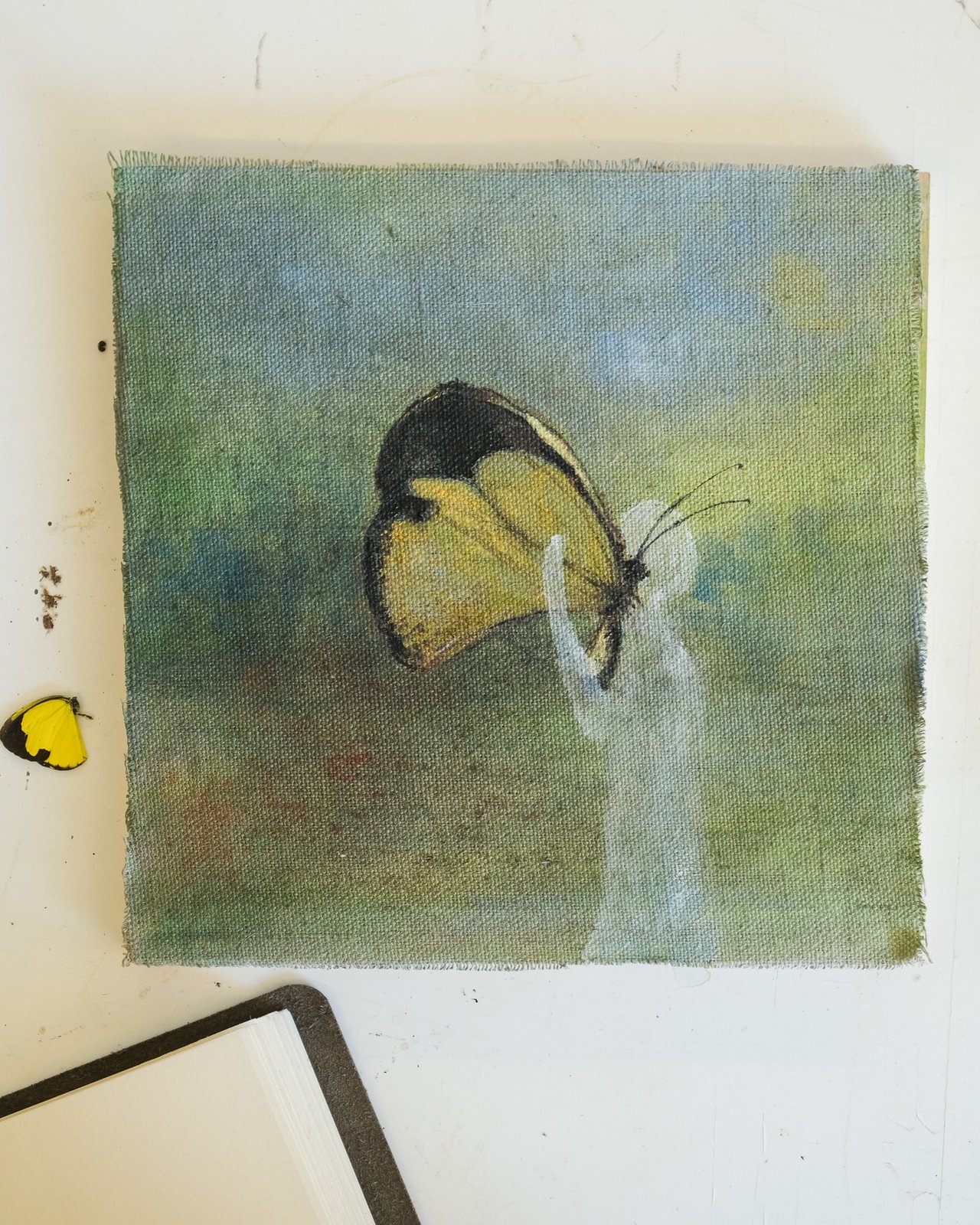
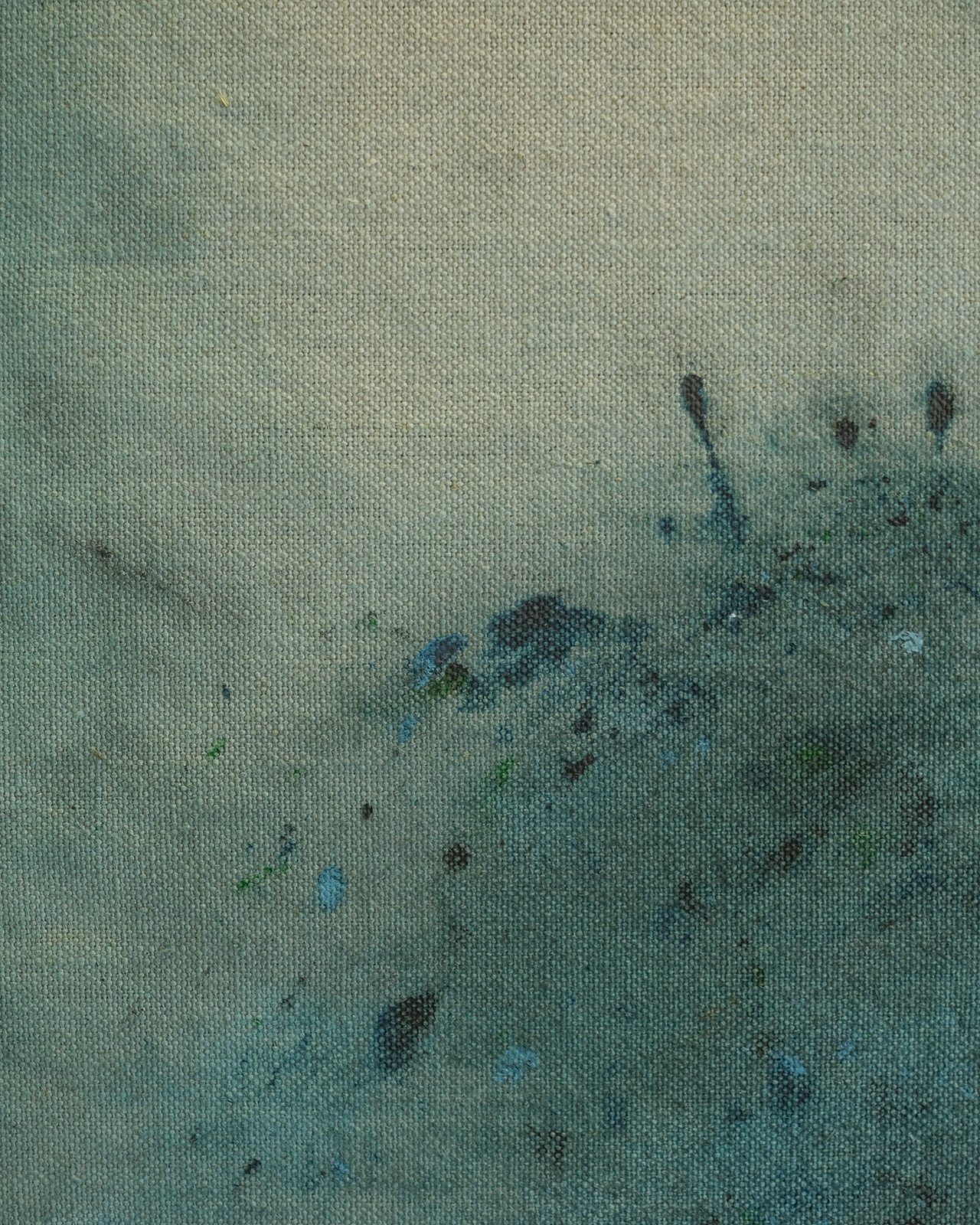
The process of this project started with exploring the area around Rimbun Dahan, examining the traces of living beings. It presents stories of the passage of time that moves through the story of life, labor for whom the completeness of plant species is never ending, in the form of paintings to represent the feeling of being enveloped by movement of colors in raw linen, as well as sound recordings of insects and wind to create a music about space between the creator and the sun, reflecting the state of something that resembles reality.

All painting and music experiments emerge at the atmospheric crux between present and past, conjuring the liveness of place where I was.

M. Sahzy

M. Sahzy

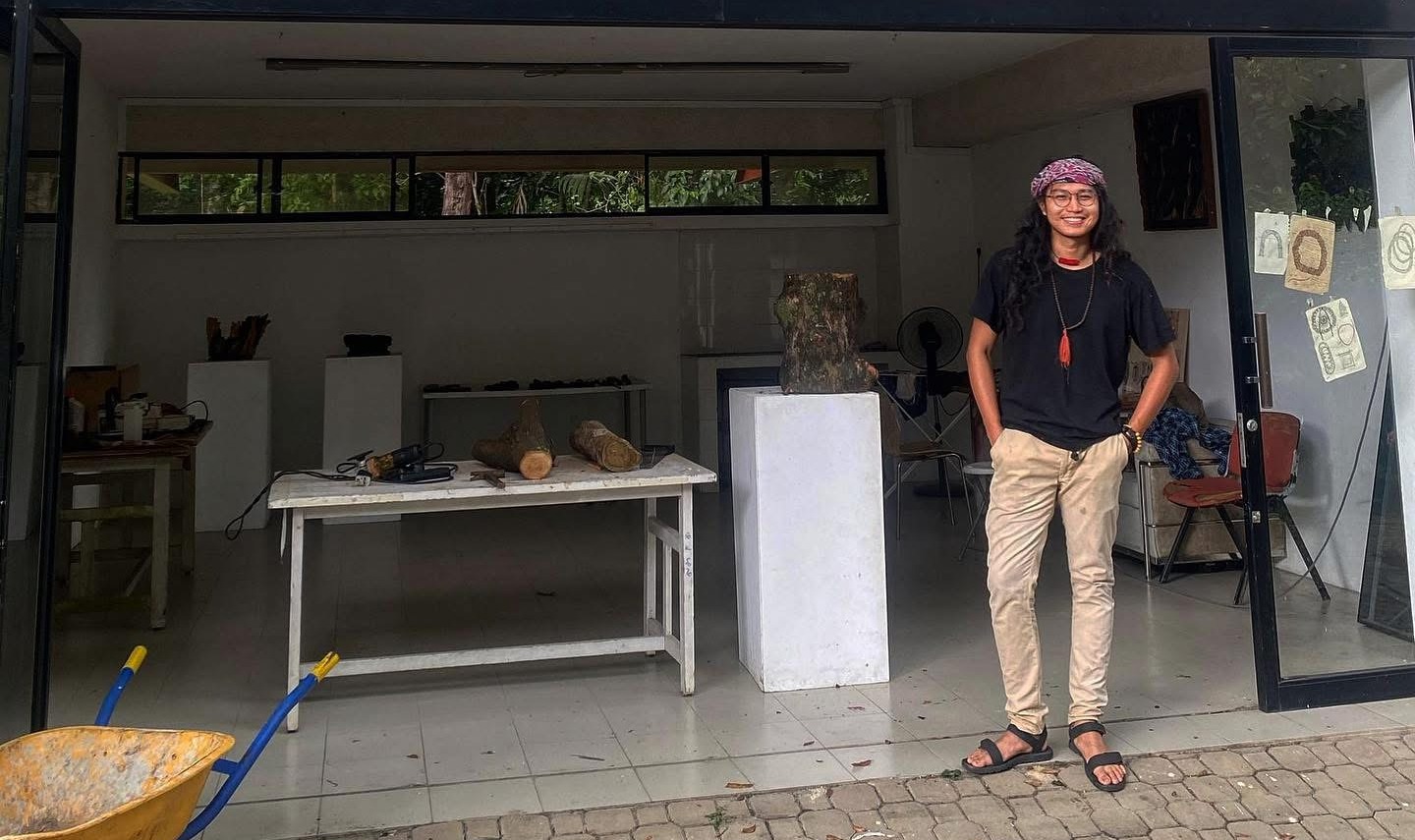
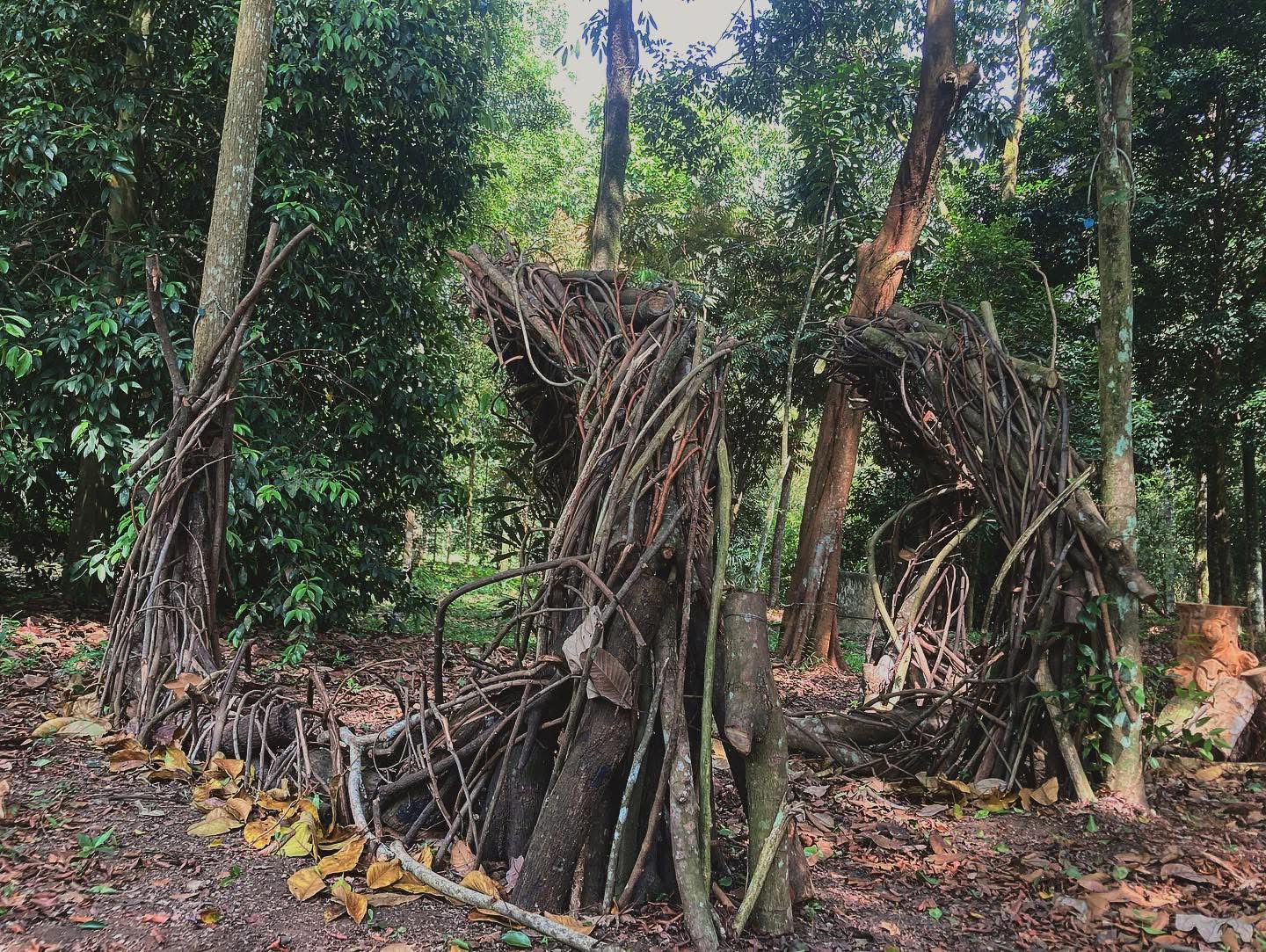
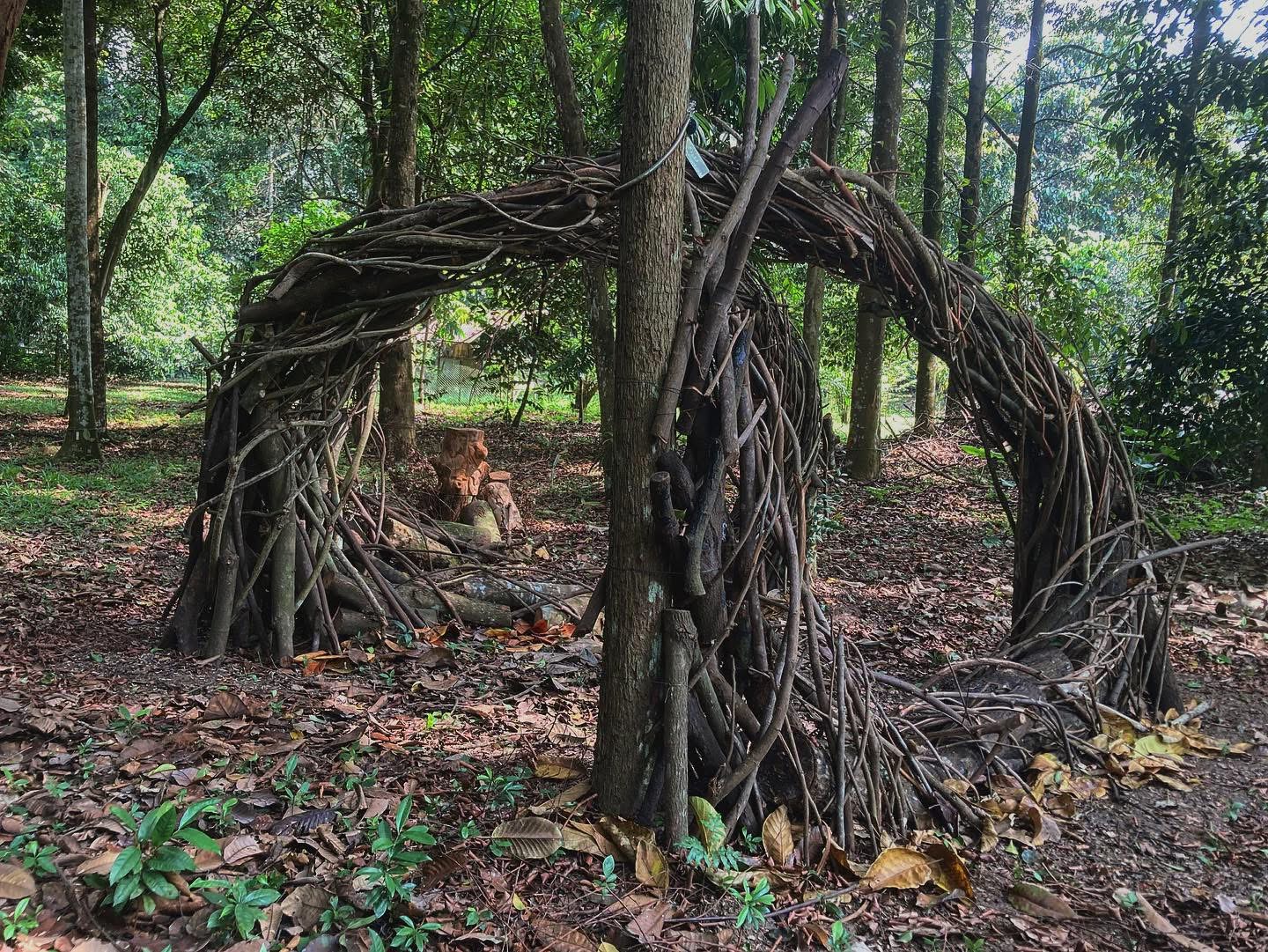
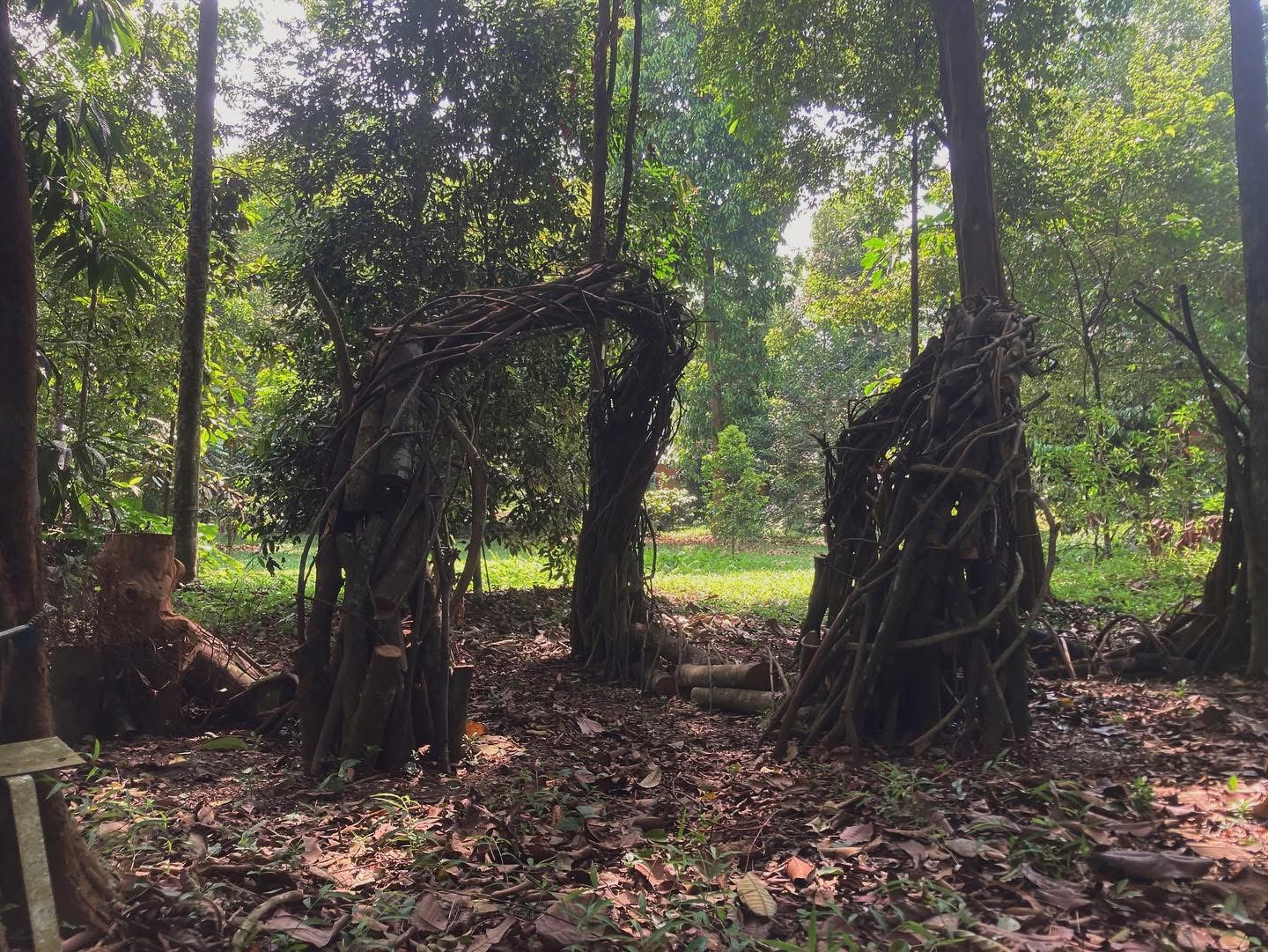
Malaysia sculpture artist M. Sahzy was in residence at Rimbun Dahan for one month in March 2025.

About the Artist

Born in 1996, M. Sahzy, an artist and sculptor residing in Kuching, Sarawak, draws inspiration from the lush jungle surroundings, crafting surreal sculptures from organic materials found within.

Each artwork is a testament to his deep connection with nature, reflecting the intricate interplay between materials, environment, and his boundless imagination. Spending weeks or even months on each piece, Sahzy infuses his sculptures with personal narratives and experiences, creating a captivating visual journey for the viewer. In addition to natural elements, Sahzy seamlessly incorporates discarded man-made objects, further enriching the storytelling aspect of his creations.

Through his artworks, Sahzy invites people to think about change, strength, and the cycles of life. He also highlights his deep interest in forgotten objects and the spaces they inhabit.

About the Residency

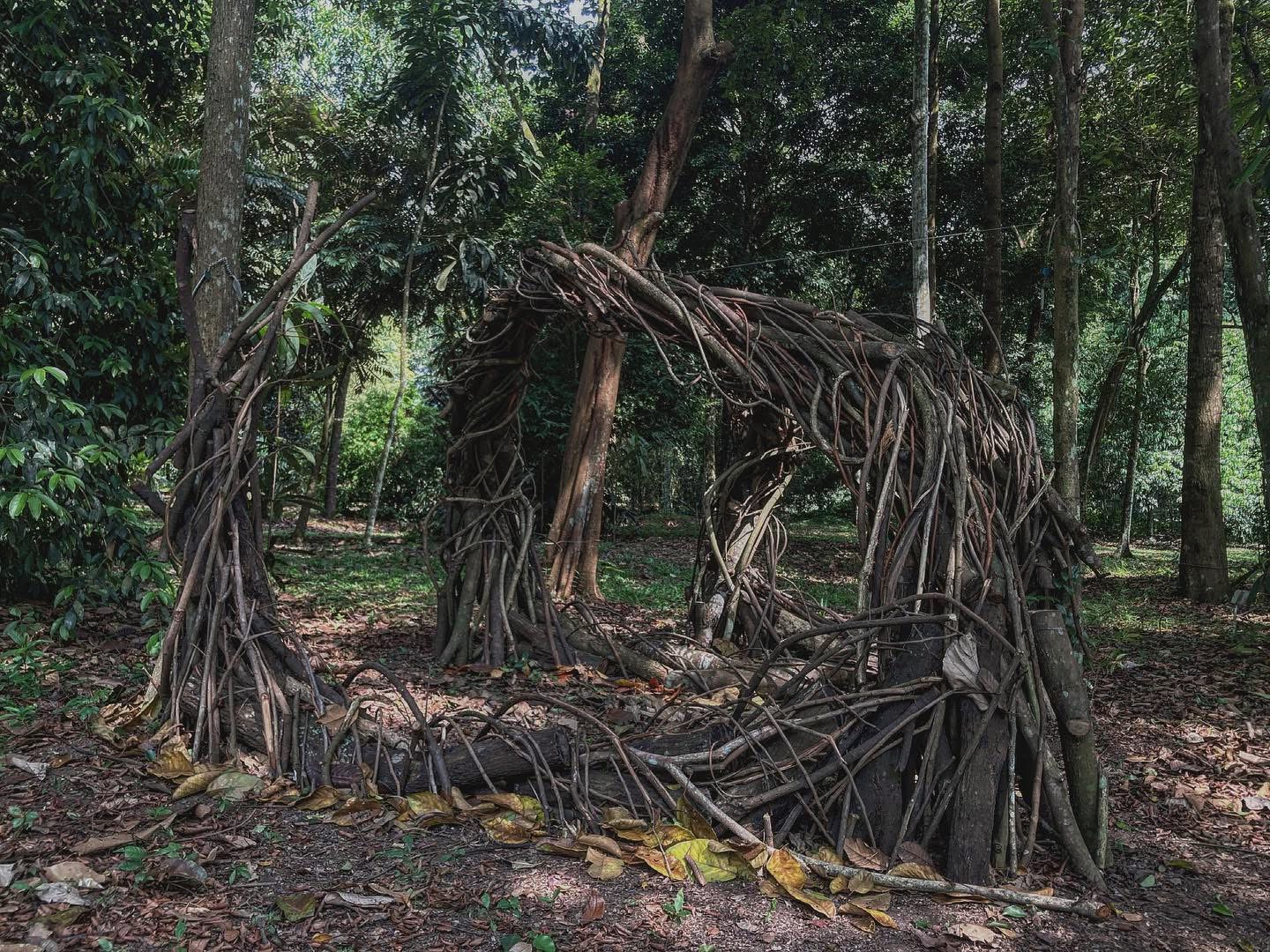
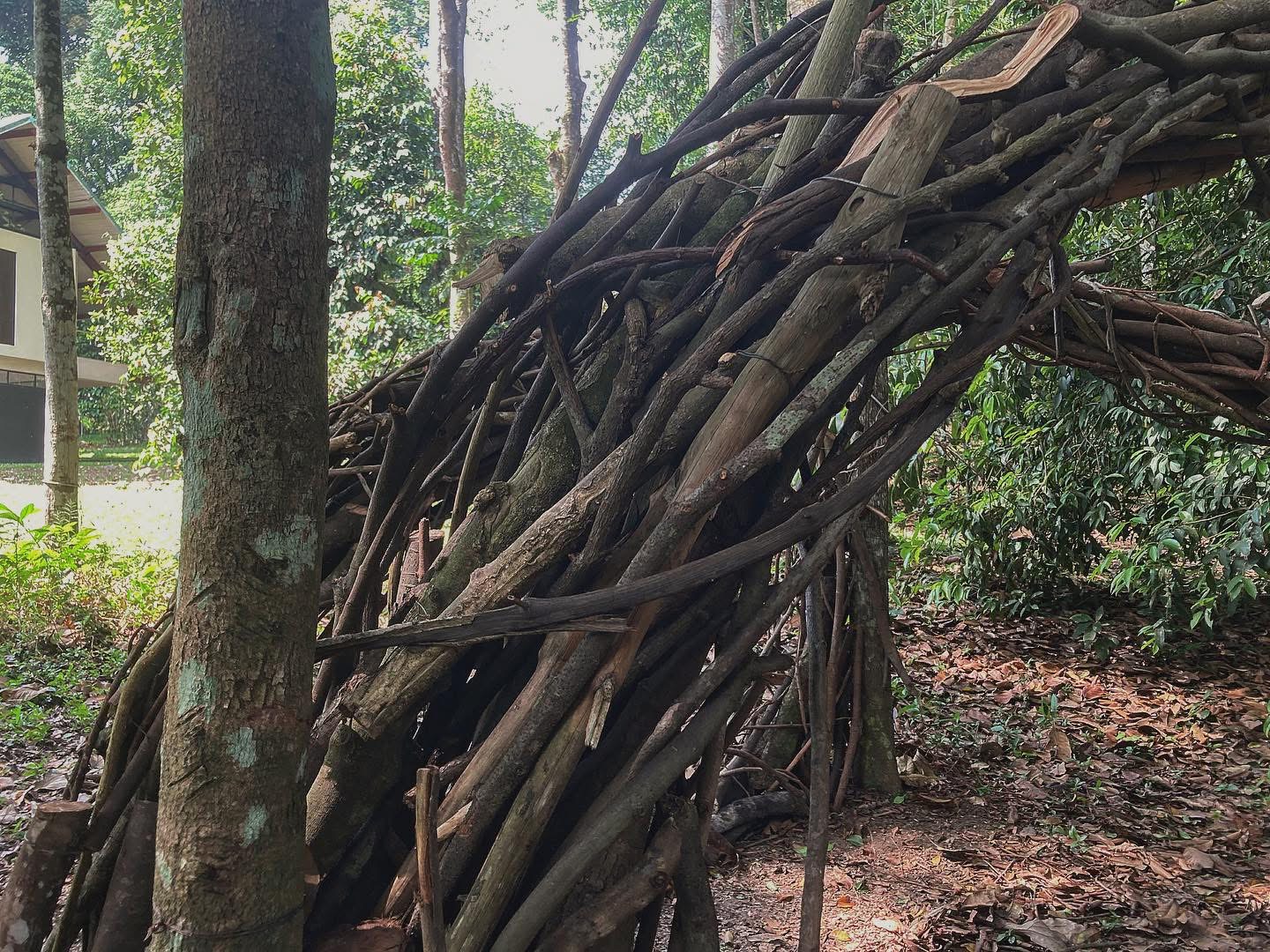
During my one-month art residency at Rimbun Dahan, I embraced the challenge of creating an installation and sculptures that carried a familiar narrative—but using entirely new materials and spaces, far from my usual resources in Sarawak.

The lush forest of Rimbun Dahan became both my muse and my source of materials. I collected discarded objects scattered throughout the woodland, transforming forgotten fragments into something meaningful. With my studio nestled so close to the forest, I was able to fully immerse myself in the creative process.

Each day, the symphony of rustling leaves, the earthy scent of damp soil, the presence of monkeys, birds, and frogs, and the textures of bark and trees guided my hands.

What began as an experiment in adaptation became a month-long dialogue between nature and creation.

Now, Gerbang Alam / Portals stands complete—a testament to the beauty of reinvention and the quiet whispers of the forest that shaped it.

The Otters sculpture, crafted from driftwood and ironwood, will find its place by the lake at Rimbun Dahan—a fitting home for its spirit.

Kieu-Anh Nguyen

Kieu-Anh Nguyen

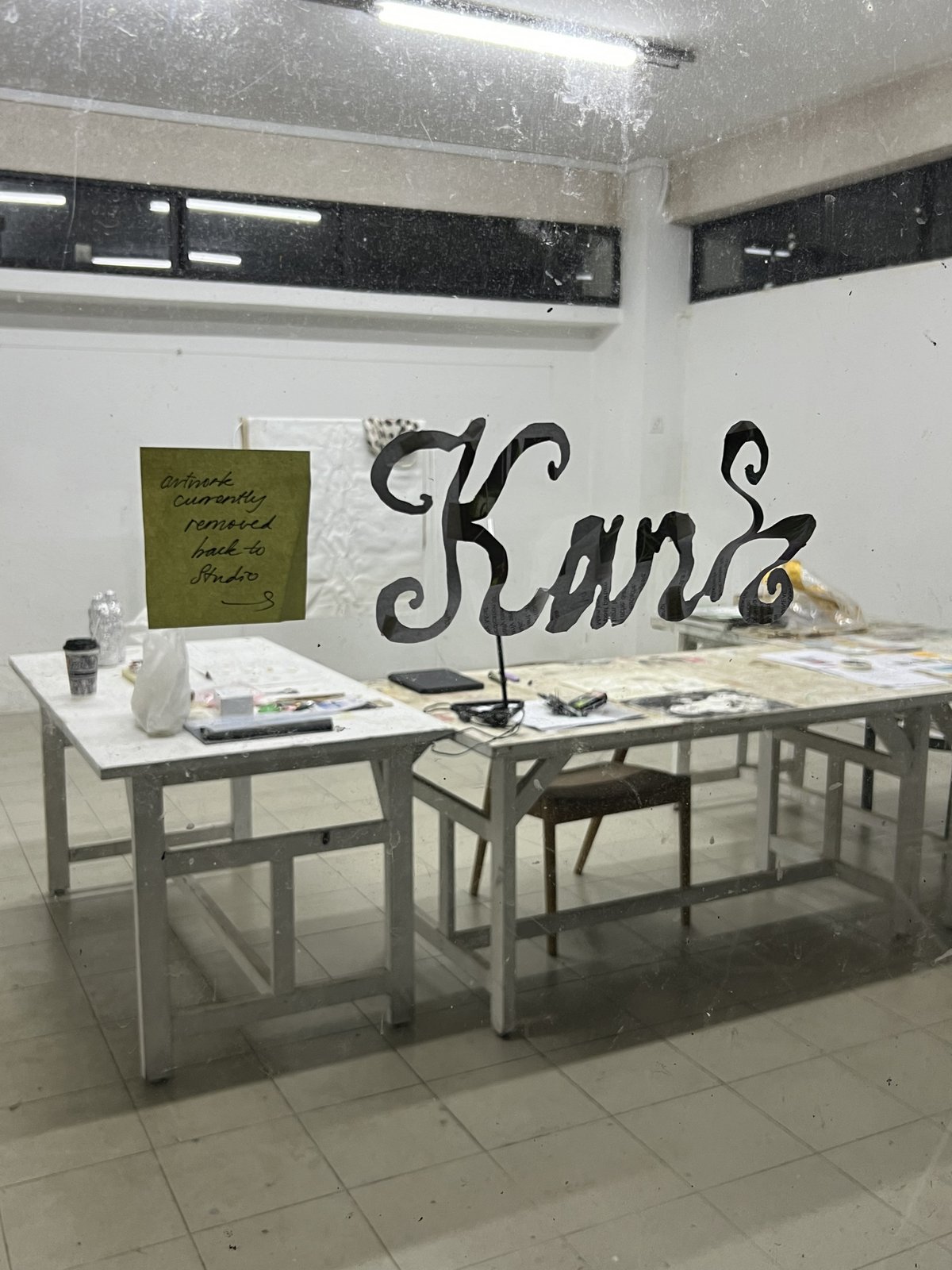
In July 2024, Kieu-Anh Nguyen undertook one month of residency at Rimbun Dahan. Due to other visa challenges, her second month of residency has been postponed to 2025, but her studio will be open for Open Day on Sunday 25 August 2024, although she will not be present.

About the Artist

Kieu-Anh Nguyen (b. 1997) is an interdisciplinary artist based in Hanoi, Vietnam. She enjoys creating spaces to foster inclusive conversations around underrepresented bodies and narratives, notably about women.

Her art practice has foregrounded olfaction as the core line of inquiry to explore memory tracing and care practice, as it has taken the forms of participation and soft sculpture, and often suggests travels between time, spaces, and sensory experiences. 

Her work has been exhibited in various spaces, including VIVA ExCon, Vietnamese Women’s Museum, Asia Art Archive and documenta fifteen. 

About the Residency

Kieu-Anh has been immersed in inter-liminal spaces, either those given to her or those she created herself through her continuation of work and current exploration in the natural and cultural landscape of the residency.

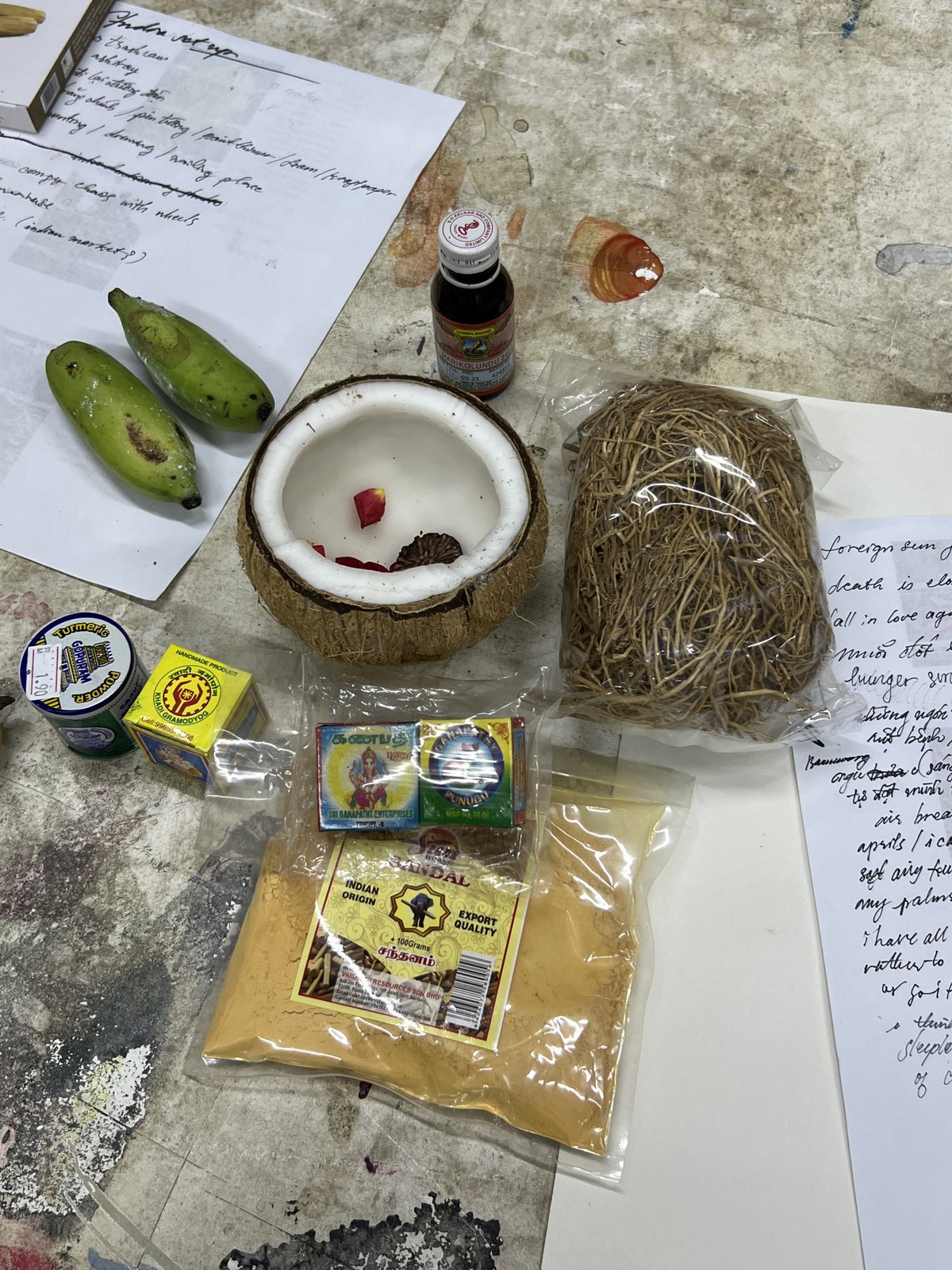
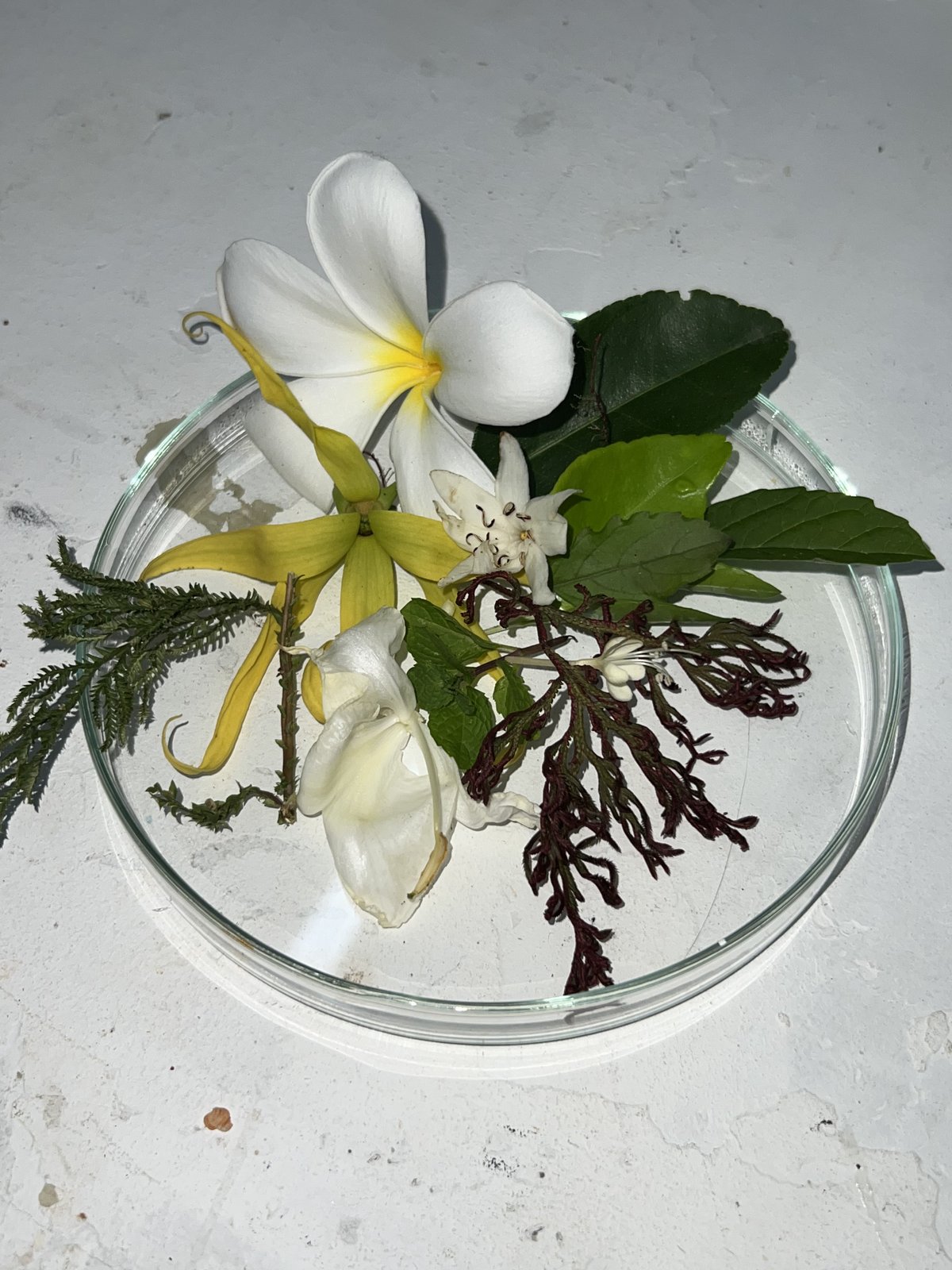
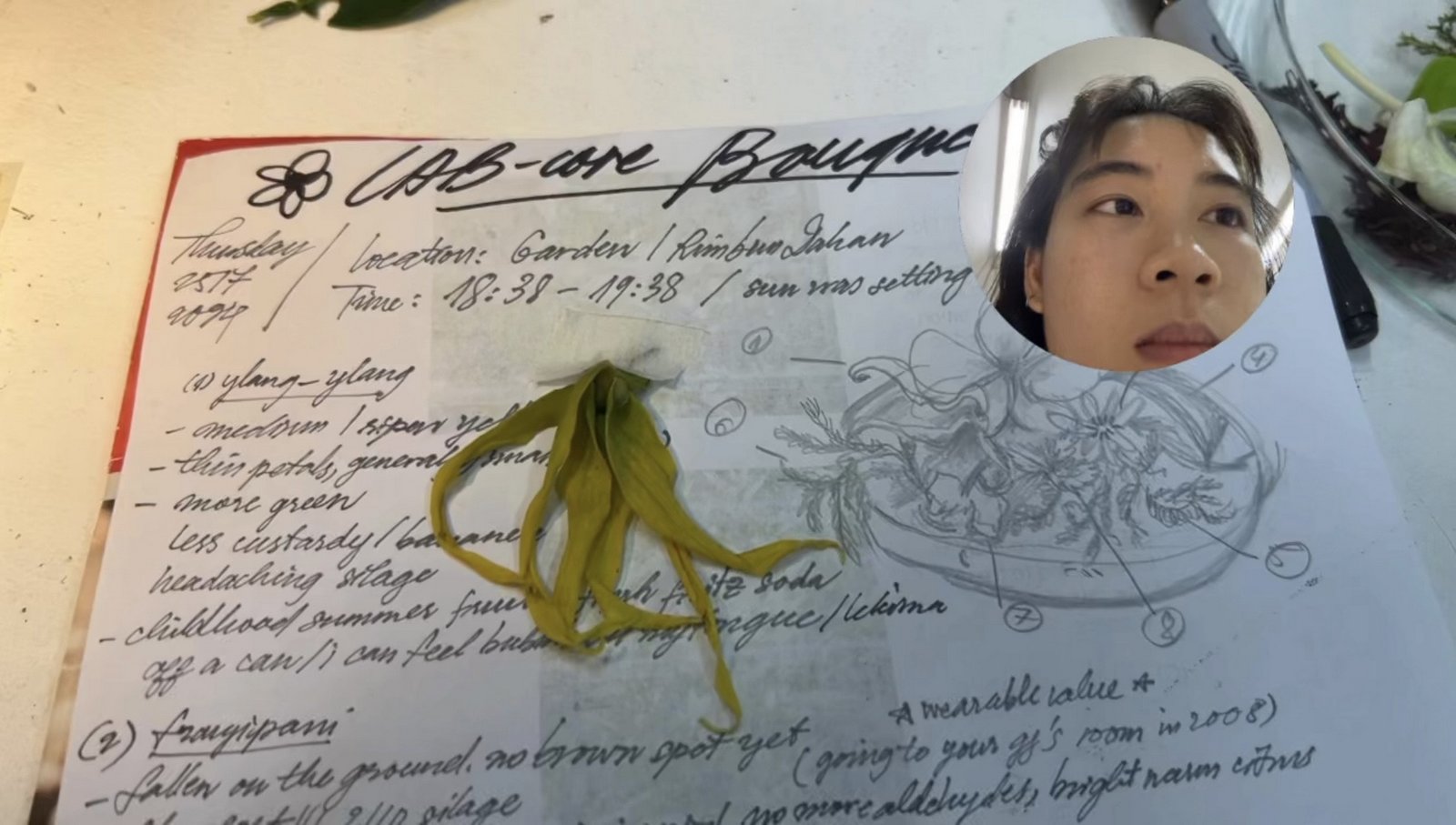
During the first month of her residency, Kieu-Anh found belonging and familiarity in creating themed bouquets from collecting plants and found objects from the garden at Rimbun Dahan and from Hindu temples on Jalan Ipoh. She then narratively recorded the experiences to reexamine and study means of nativity in nature through the smell of flora and fungi in the garden — those that share similarities and differences with species in neighboring countries. The scented rituals in the Hindu temples, coming from a religion foreign to Kieu-Anh, brought her interest to a fictional discovery of a flawless faunt of protection that came to her in a dream.

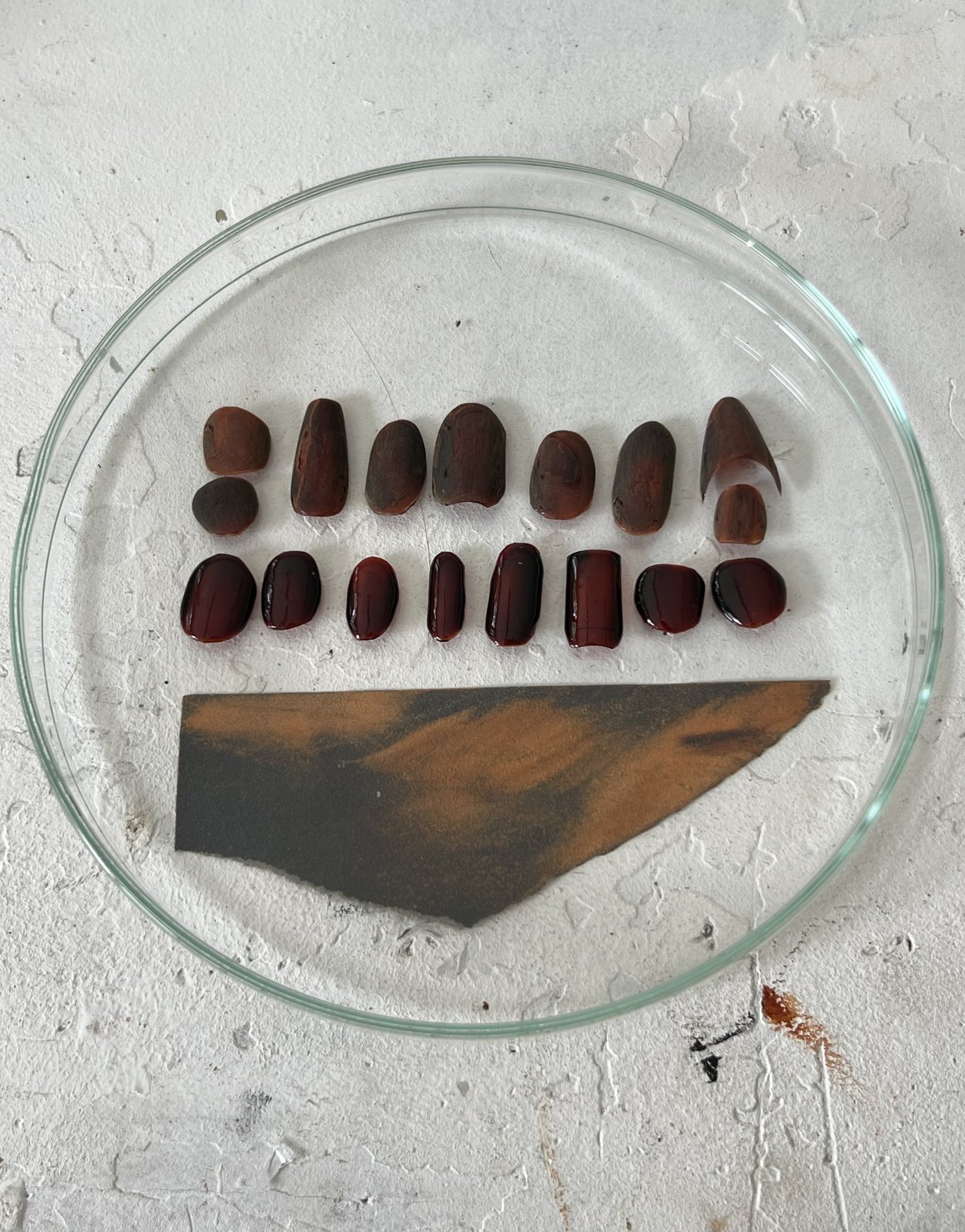
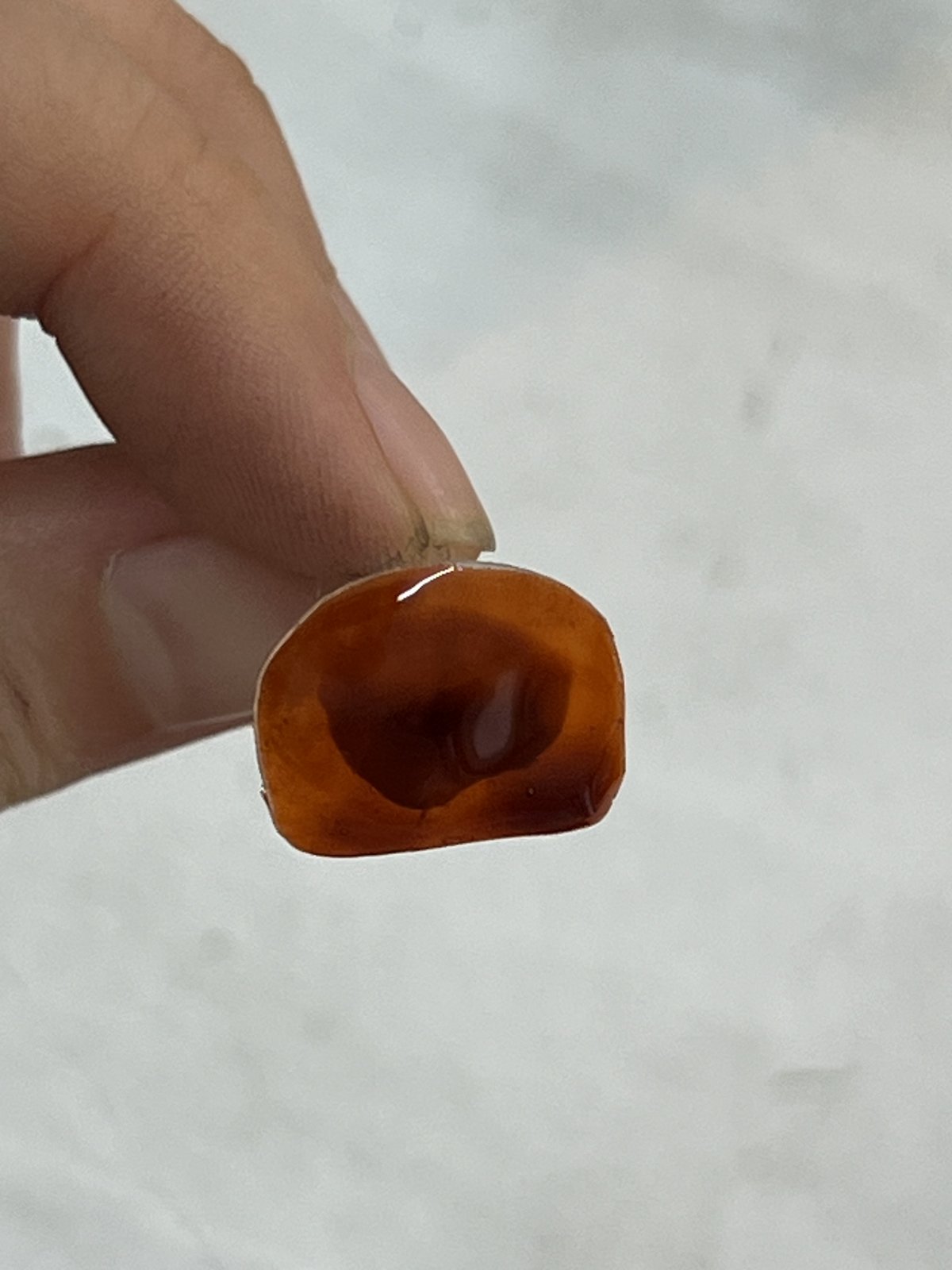
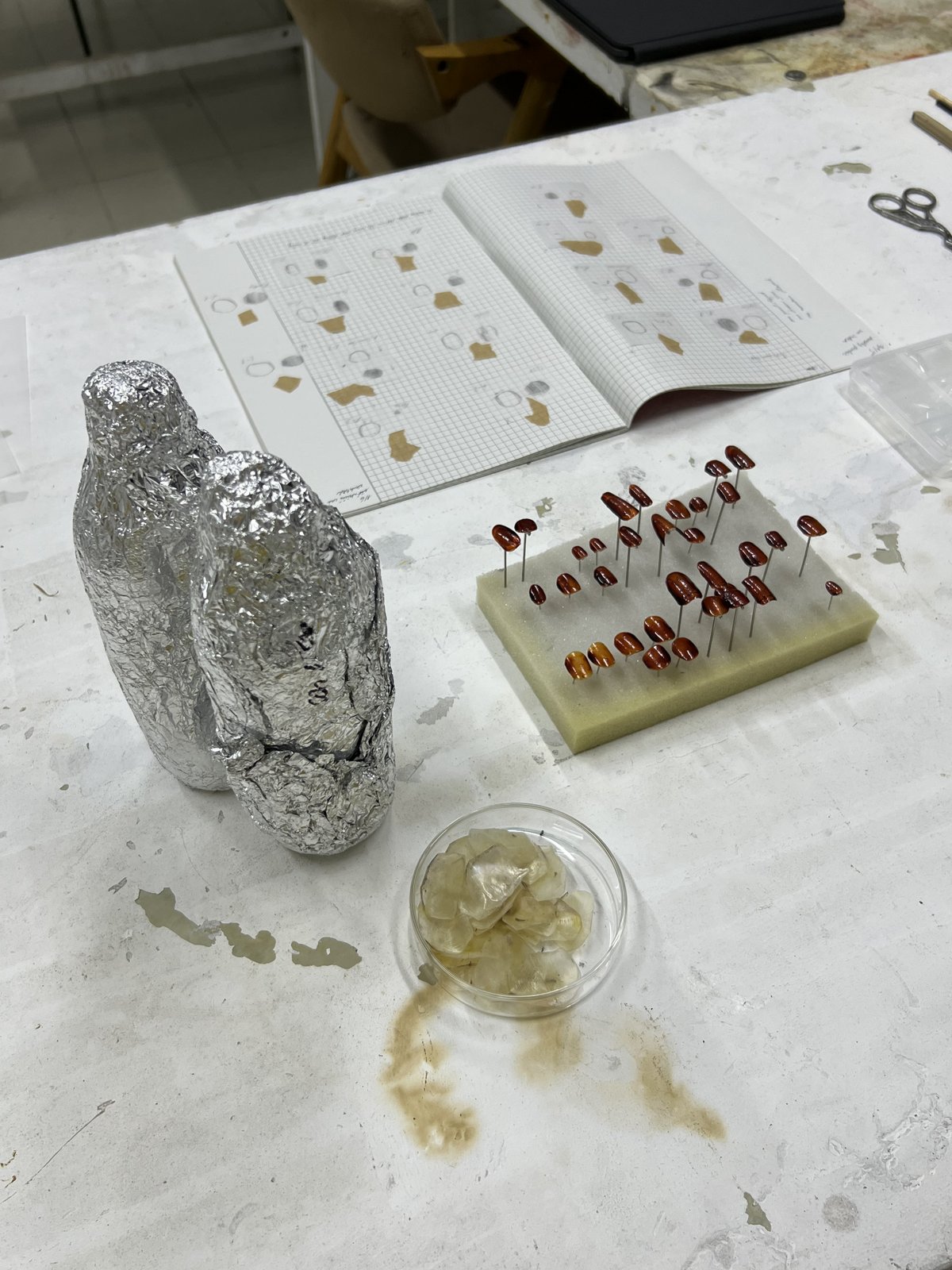
When she is not walking around and smelling plants, she is probably in the studio, doing nails eternally — stretching the reality of time and other beings that she encounters on the tiny surfaces of nail replicas. The work experiments with traditional lacquer techniques, and explores “standards of beauty” in both lacquer craft and nail aesthetics. It captures organic encounters with people through a made-up service — “one Eternailty later” — continuing its first chapter from Berlin in May and June this year. At Rimbun Dahan, she has documented every encounter into little nail copies, scanning them onto fish scales found near the pool (thanks to the otter season!), and repeats it in her eternailty. 

instagram.com/kieu____anh

About the Open Studio

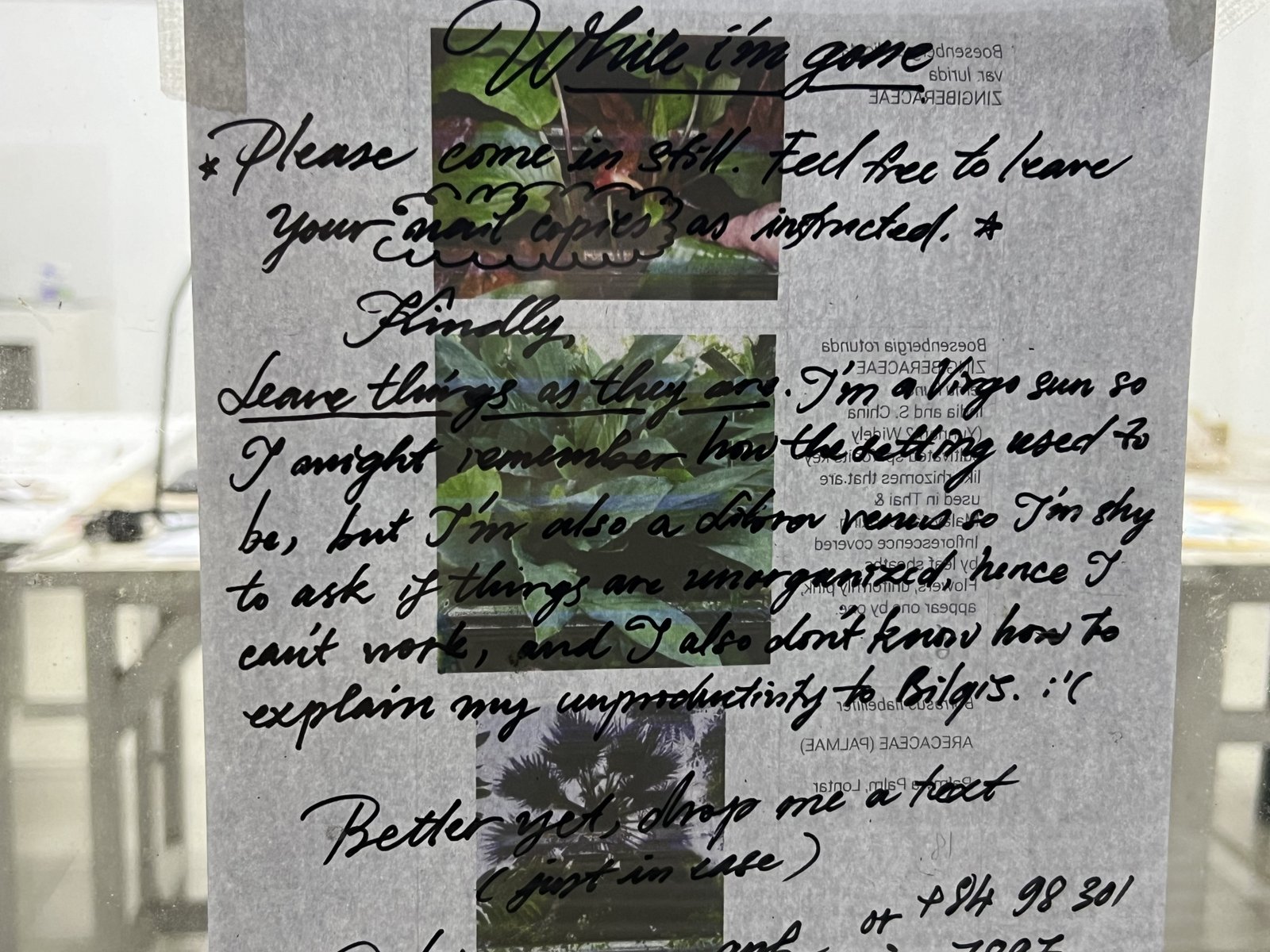
Ironically, while spending most of her headspace living and creating in a borderless world of scent and other means of counting time, Kieu-Anh is unfortunately absent for this Open Studio, not because it was her birthday, but due to an actual border problem. She has been forced to suspend her second month of residency. The flowers she has prepared have wilted, the milk-scented prayers need her presence to recharge their magic, so for now the open studio relies purely on the nail shop’s instruction to continue her residency project.
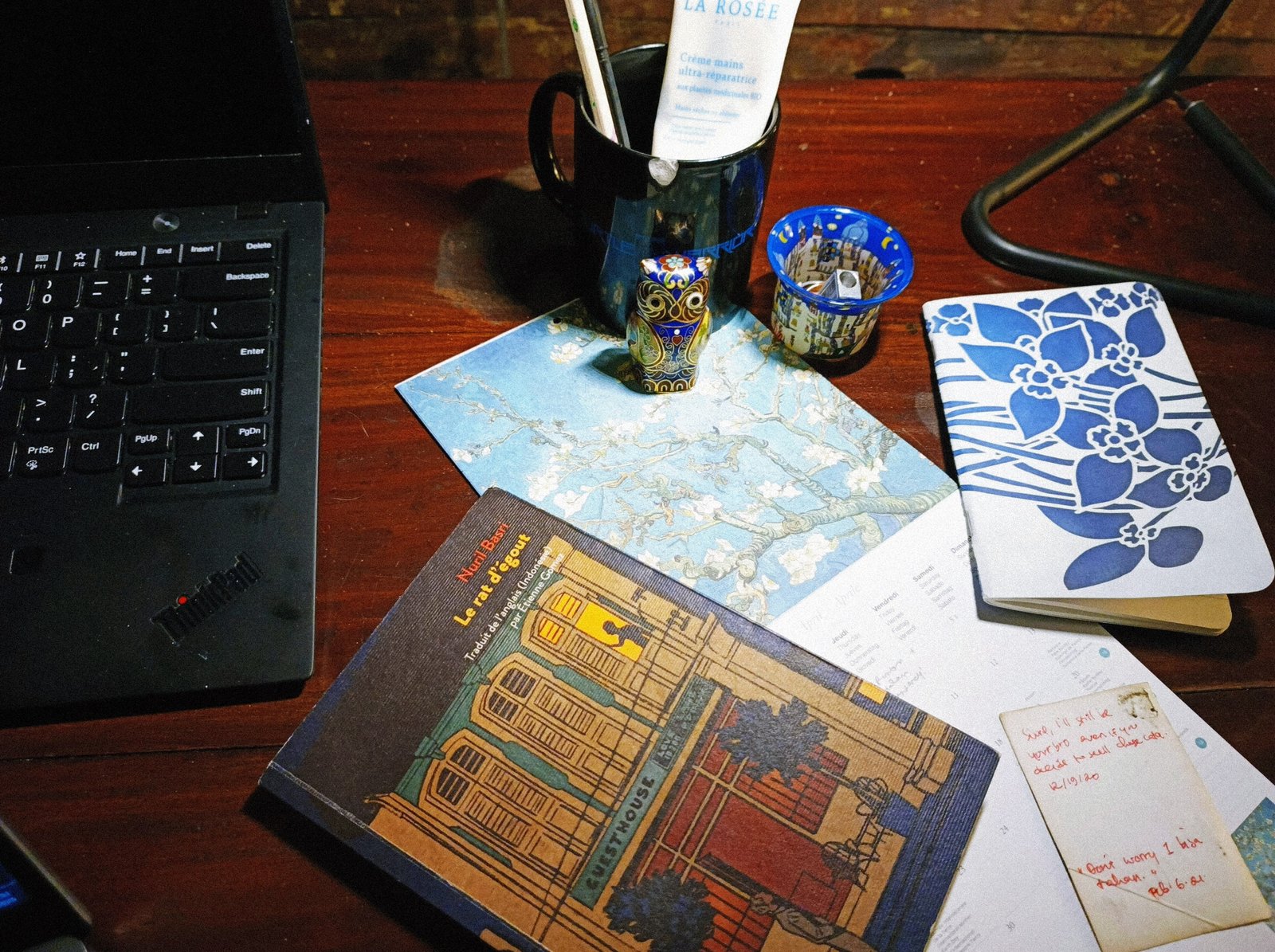
Please leave Kieu-Anh a copy of your nails, and pretend that we have actually met! Until Kieu-Anh returns to RD, let her take care of your nails in the meantime until you meet (again).