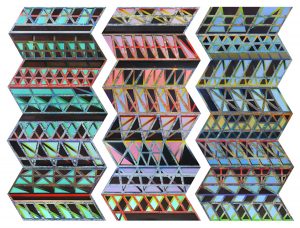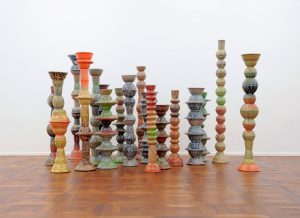
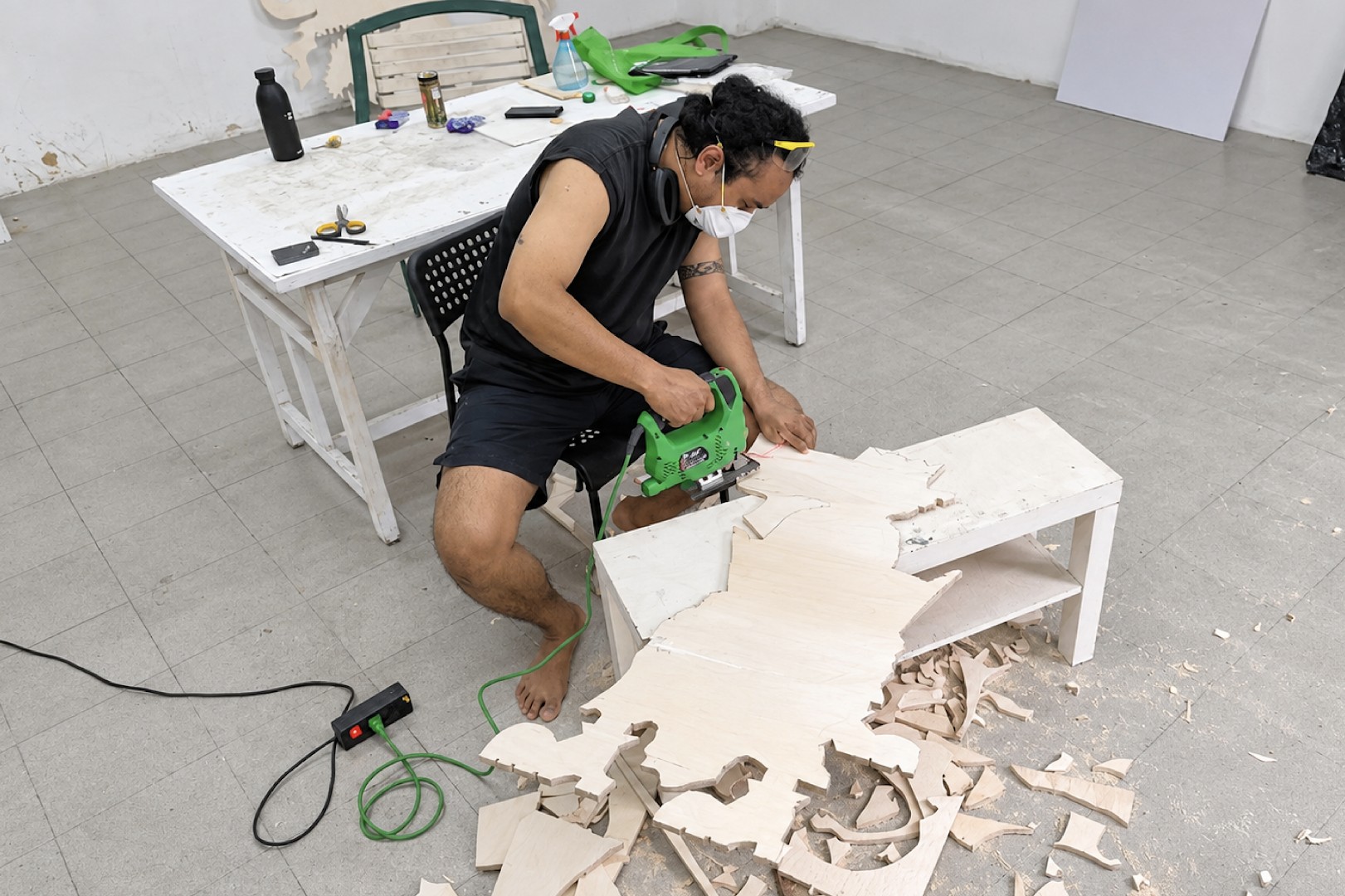
Indonesian artist Zakaria Pangaribuan spent two months in residence at Rimbun Dahan in 2026, continuing his practice of reinterpreting the symbols of the Dayak tradition, contrasted with the appearance of the tiger in contemporary symbology.
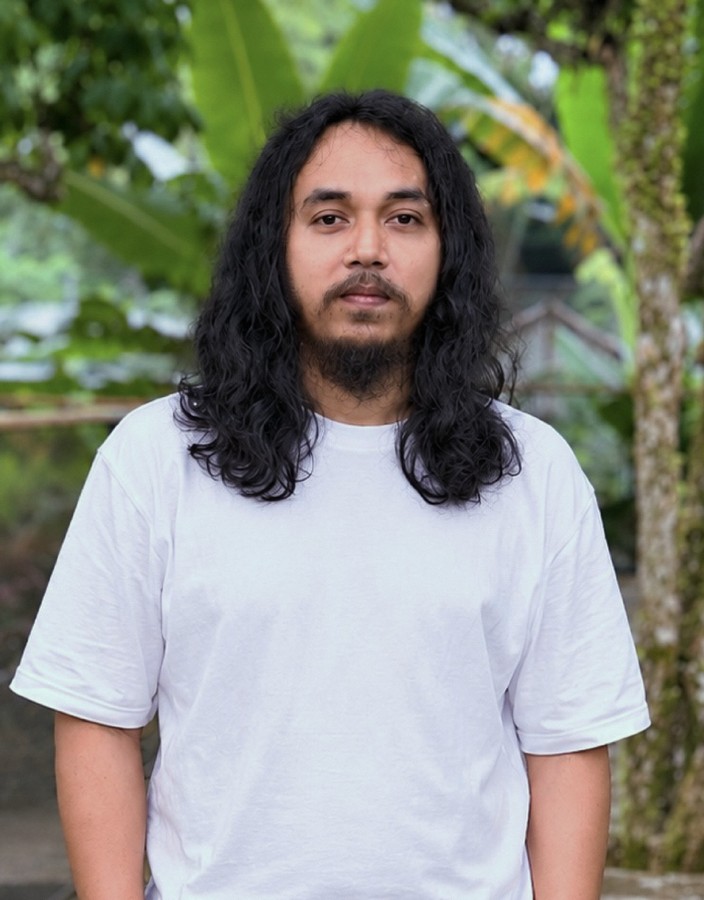
About the Artist
Zakaria Pangaribuan (b. 1996) is a multidisciplinary artist from West Kalimantan, Indonesia. Zakaria held a solo exhibition ‘Talawang Kala Kini’ in 2023, participated in the animation production entitled ‘AYA : The Last House’ for ‘Indonesia Bertutur 2024’, and was involved in the Indigenous Exchange Festival, Miri, Malaysia, in 2025. He is also active in collective practice with Emehdeyeh in Pontianak-Indonesia, which functions as a space to produce discourse about art and culture in West Kalimantan.
Instagram instagram.com/zakariapangaribuann
About the Residency
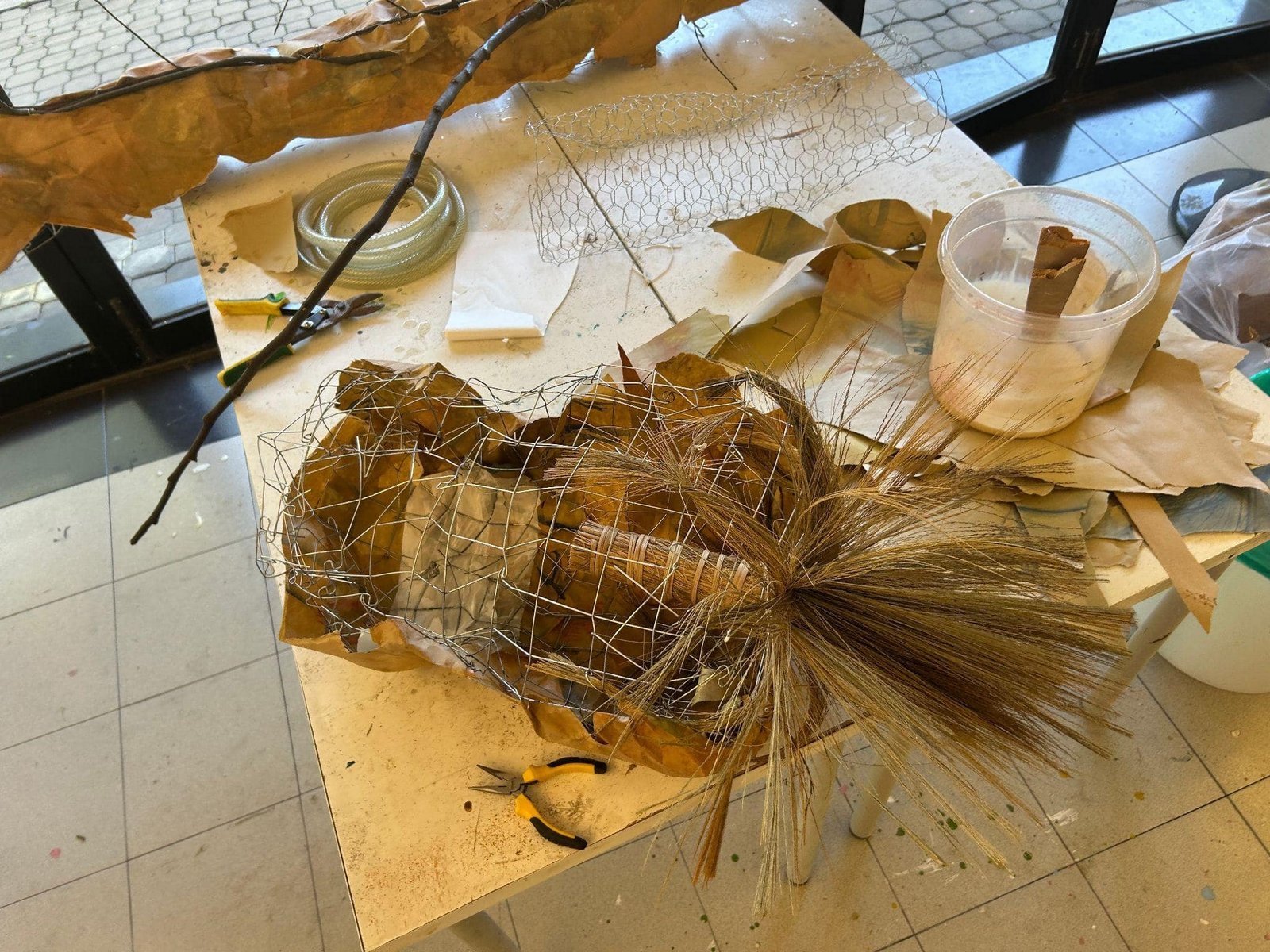
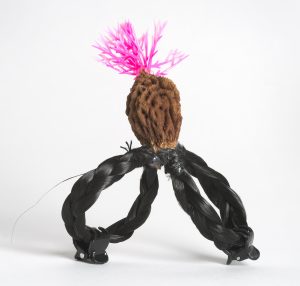
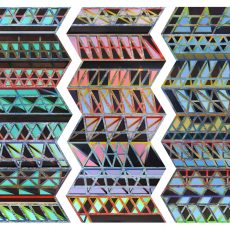
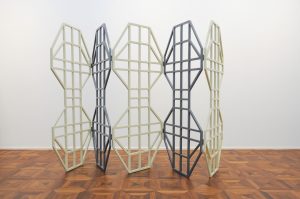
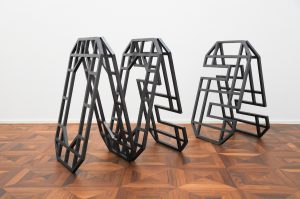
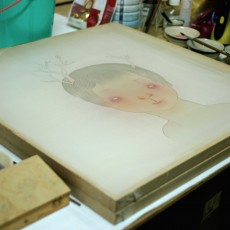
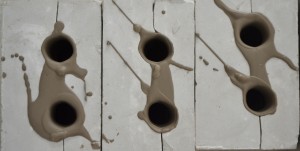
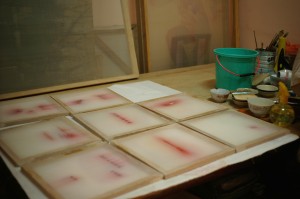
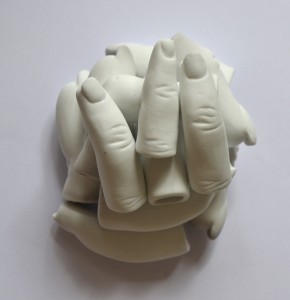
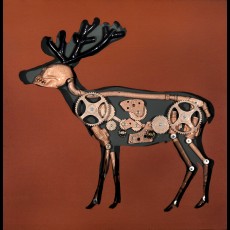
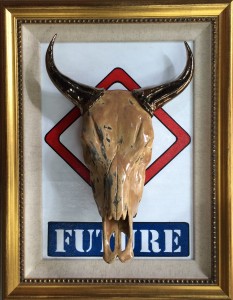
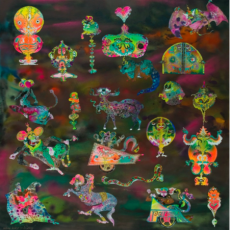
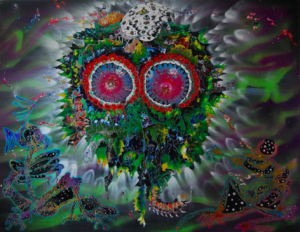
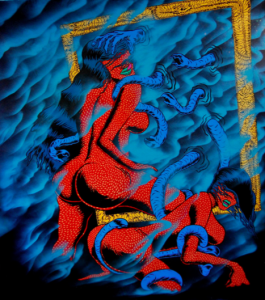
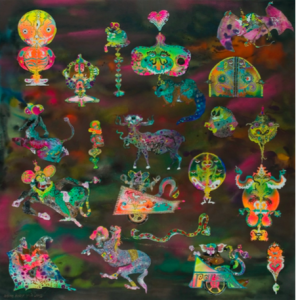
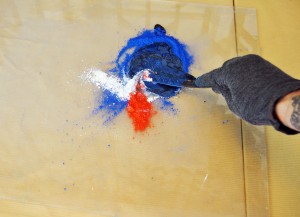
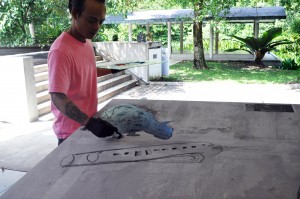
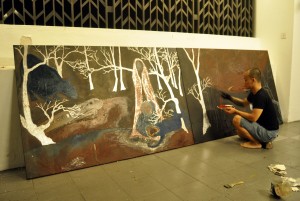
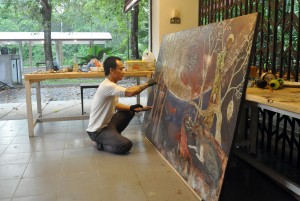
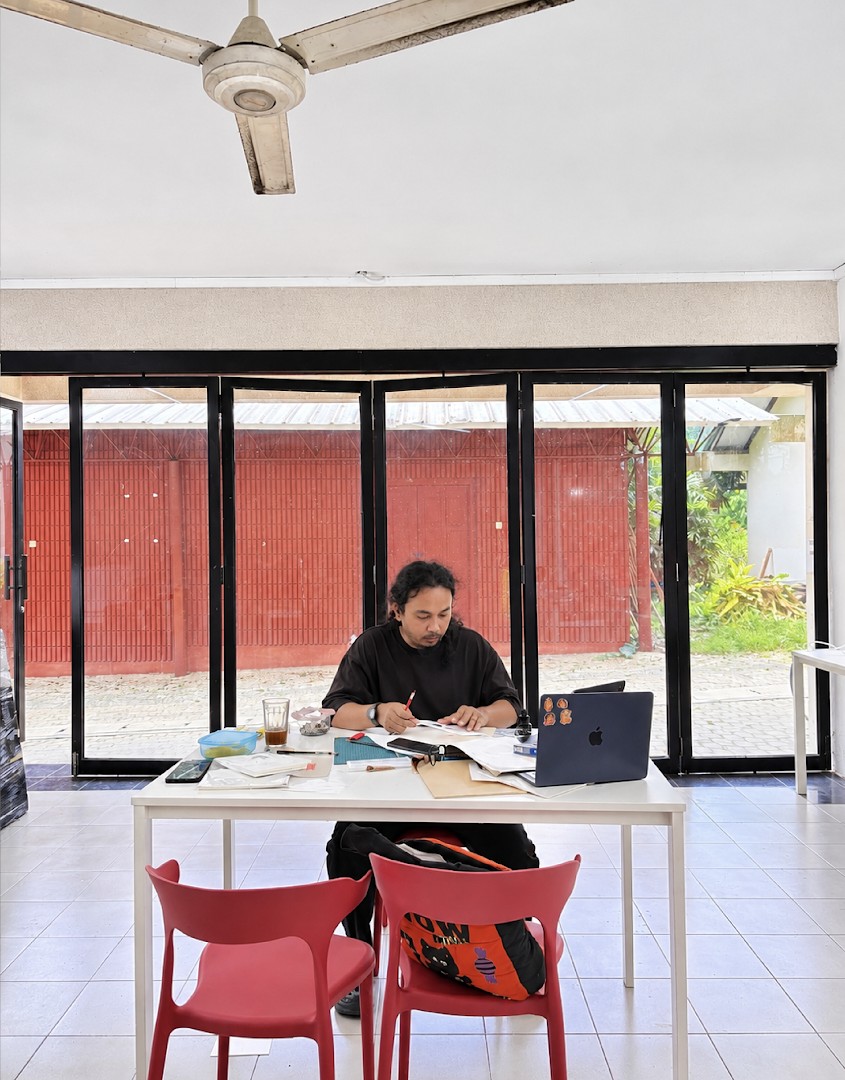
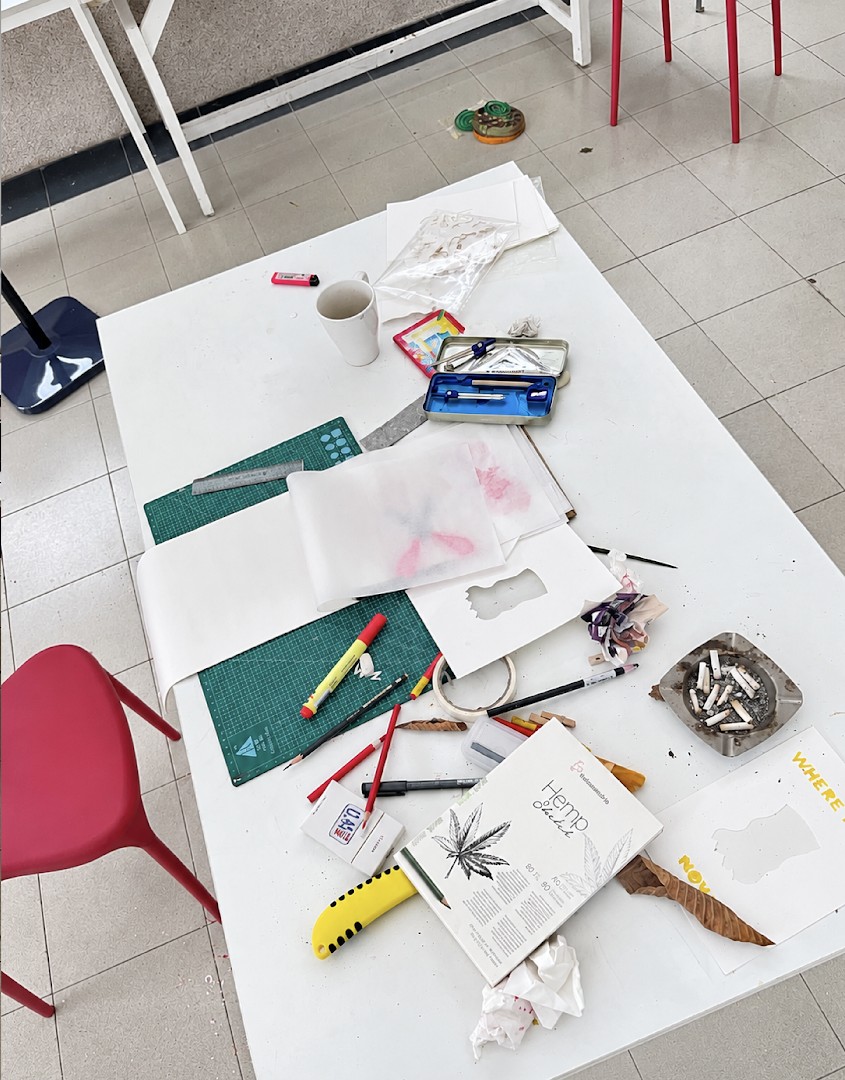
During my residency, I have produced five works consisting of paintings, sculptures, wooden relief installations, and looping animations.
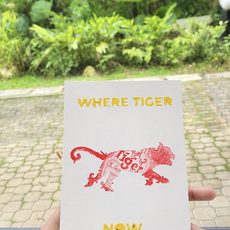
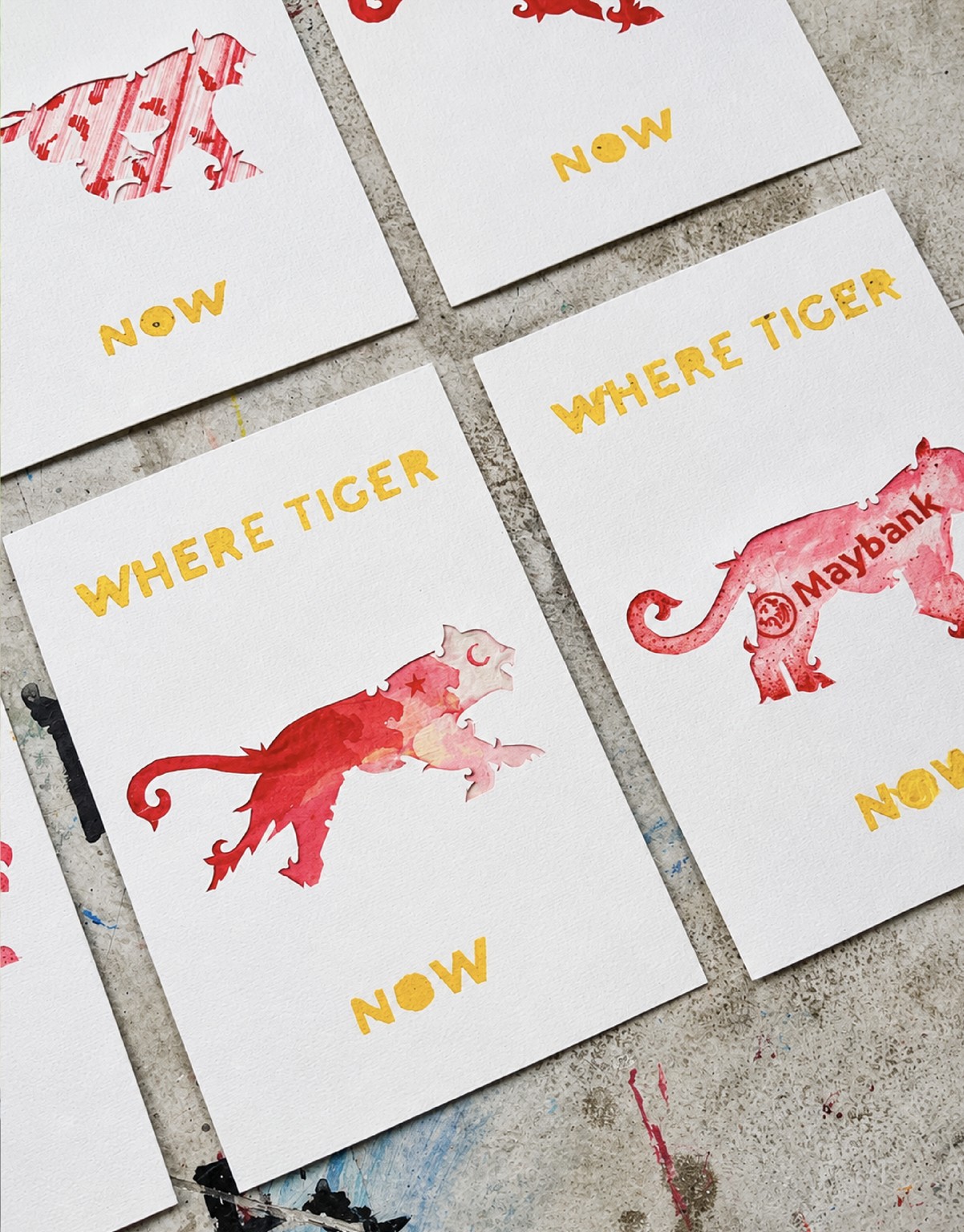
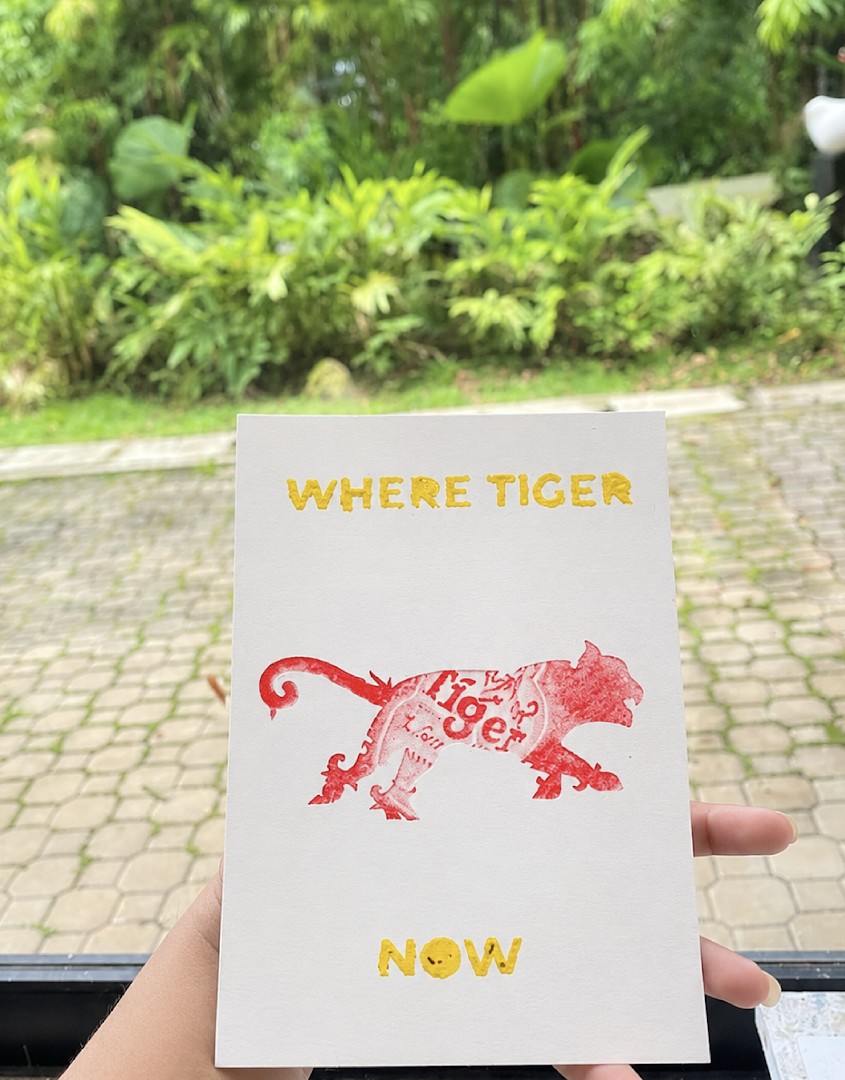
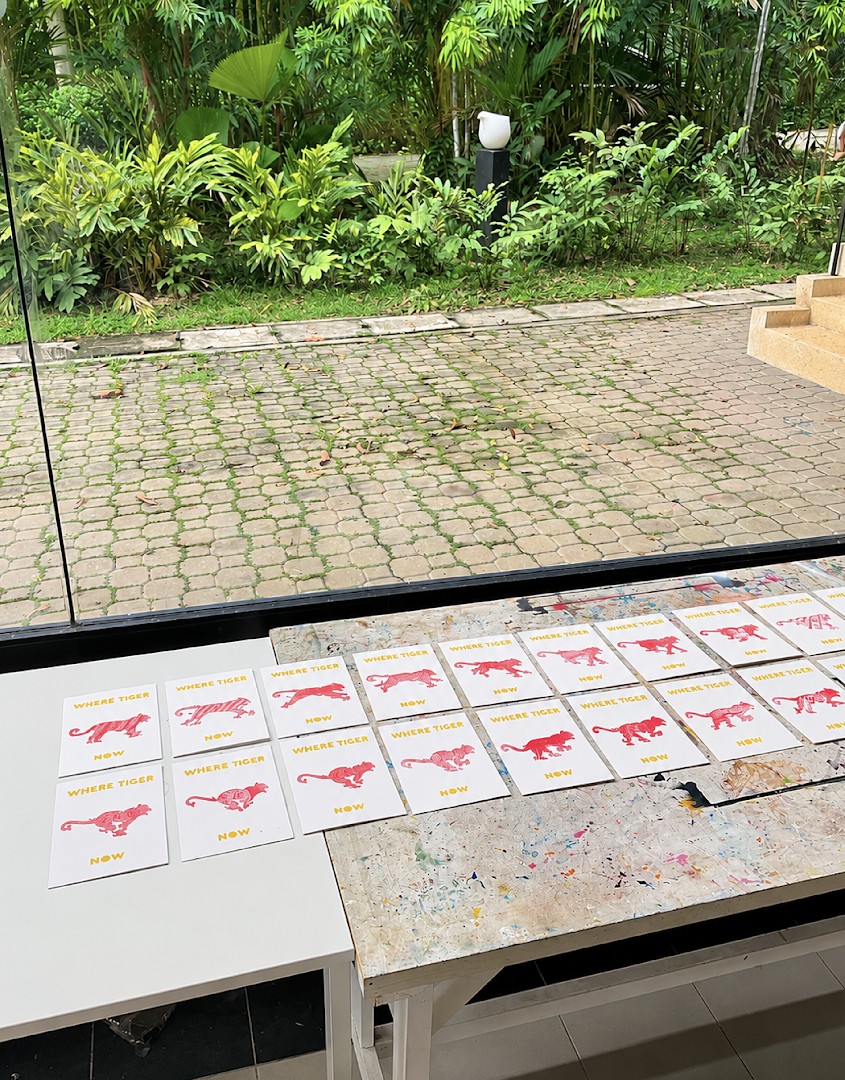
In the first month, I worked on an animated work titled “Where Tiger Now” as well as two sketch series titled “Land Was Never Empty”.
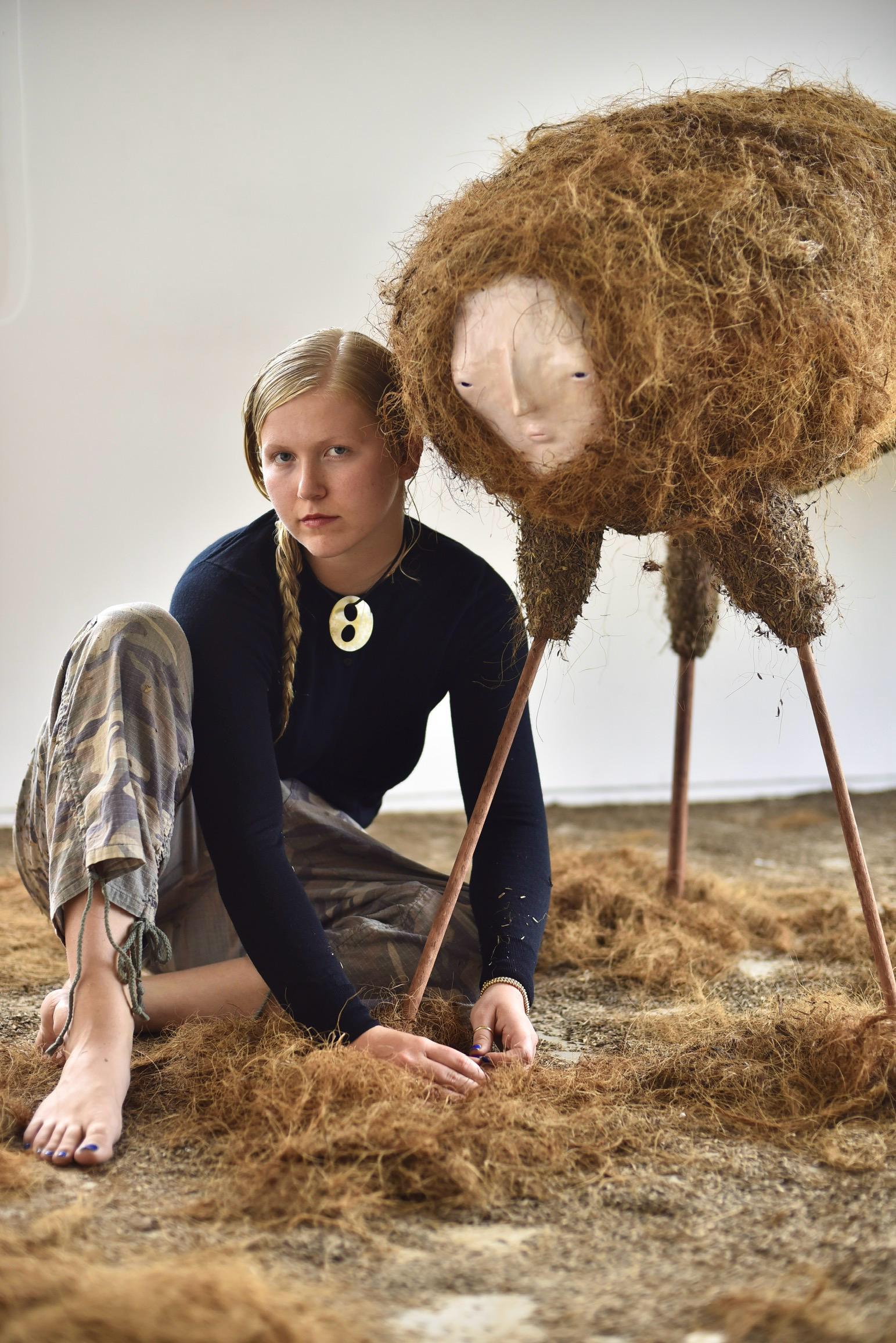
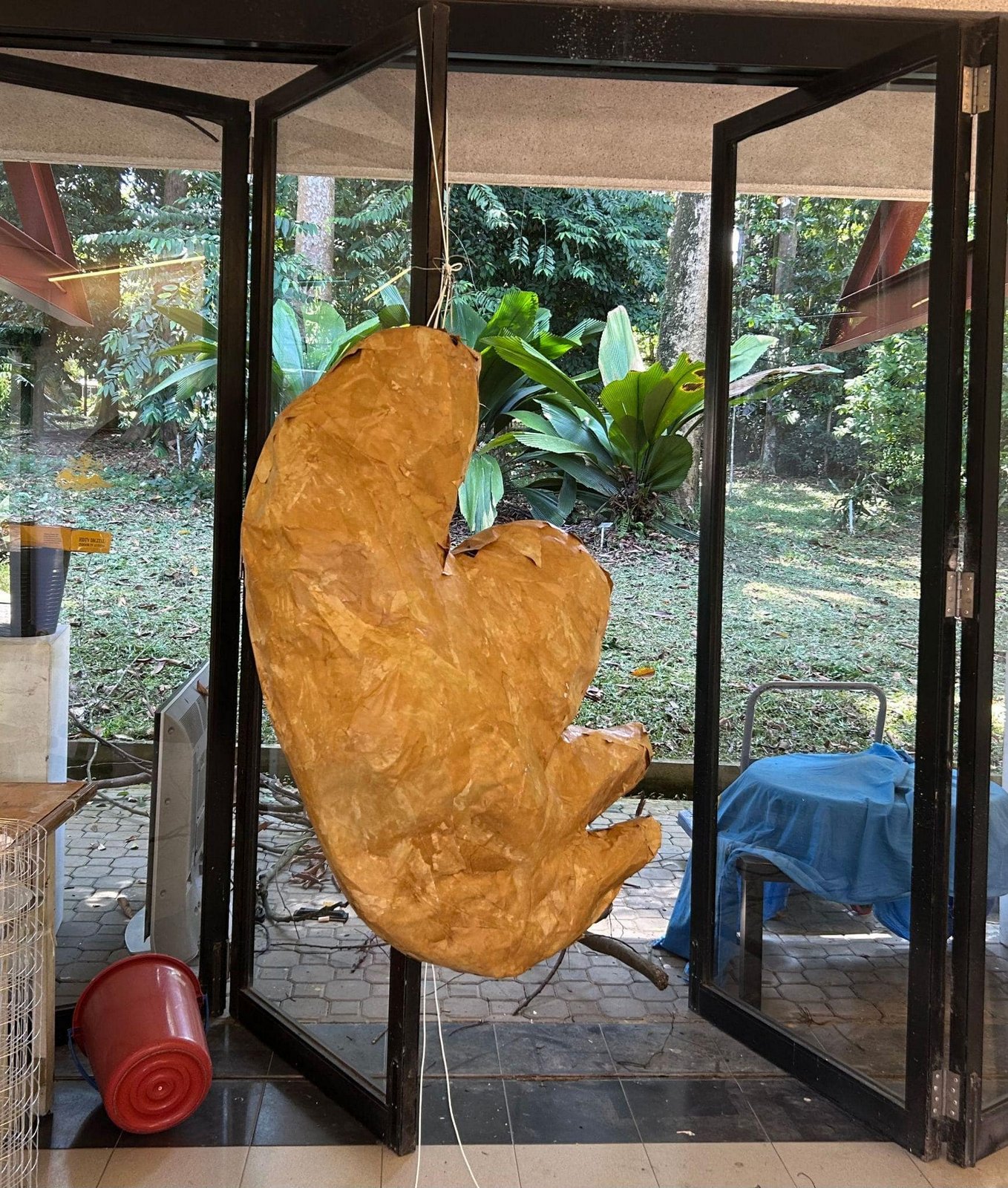
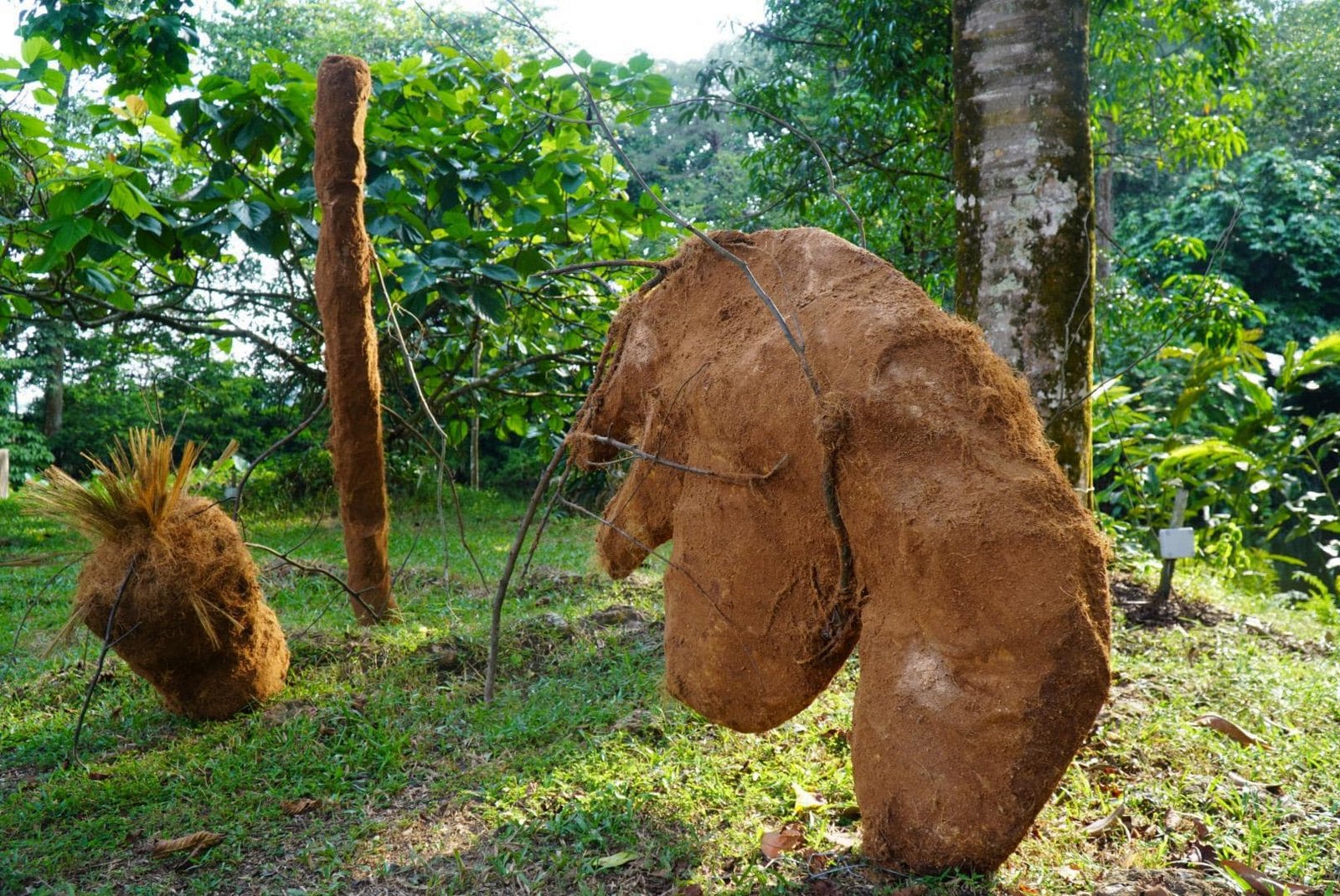
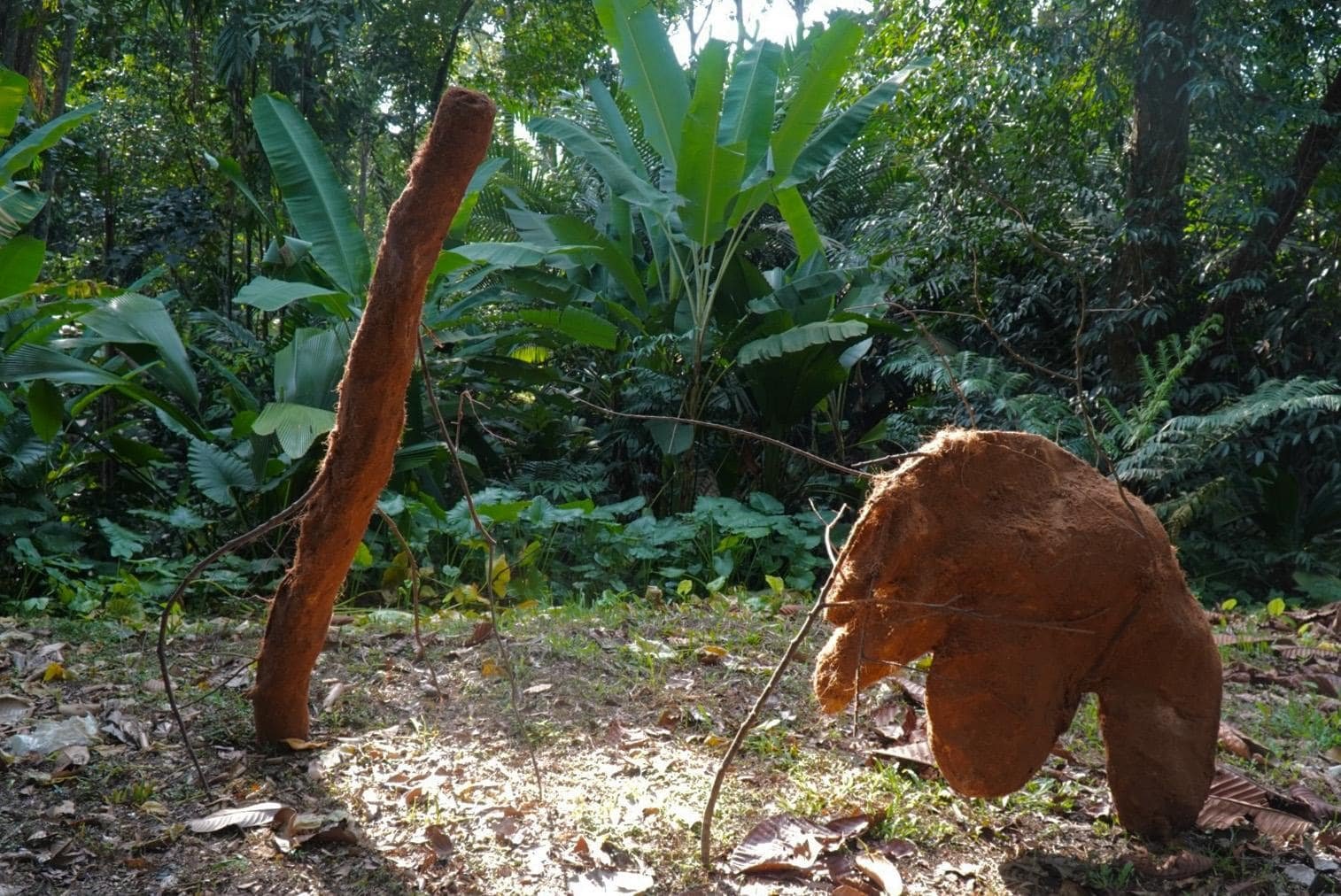
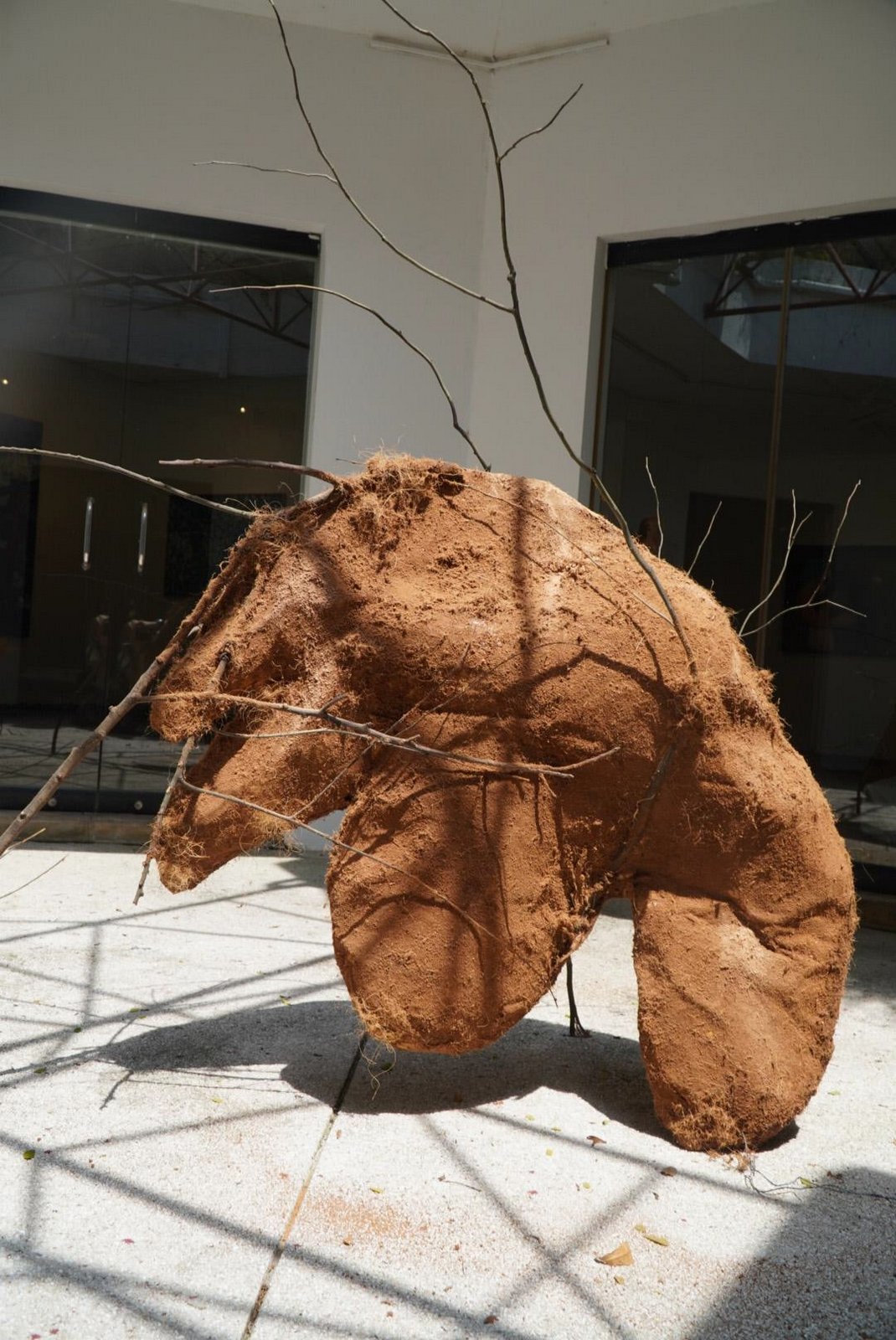
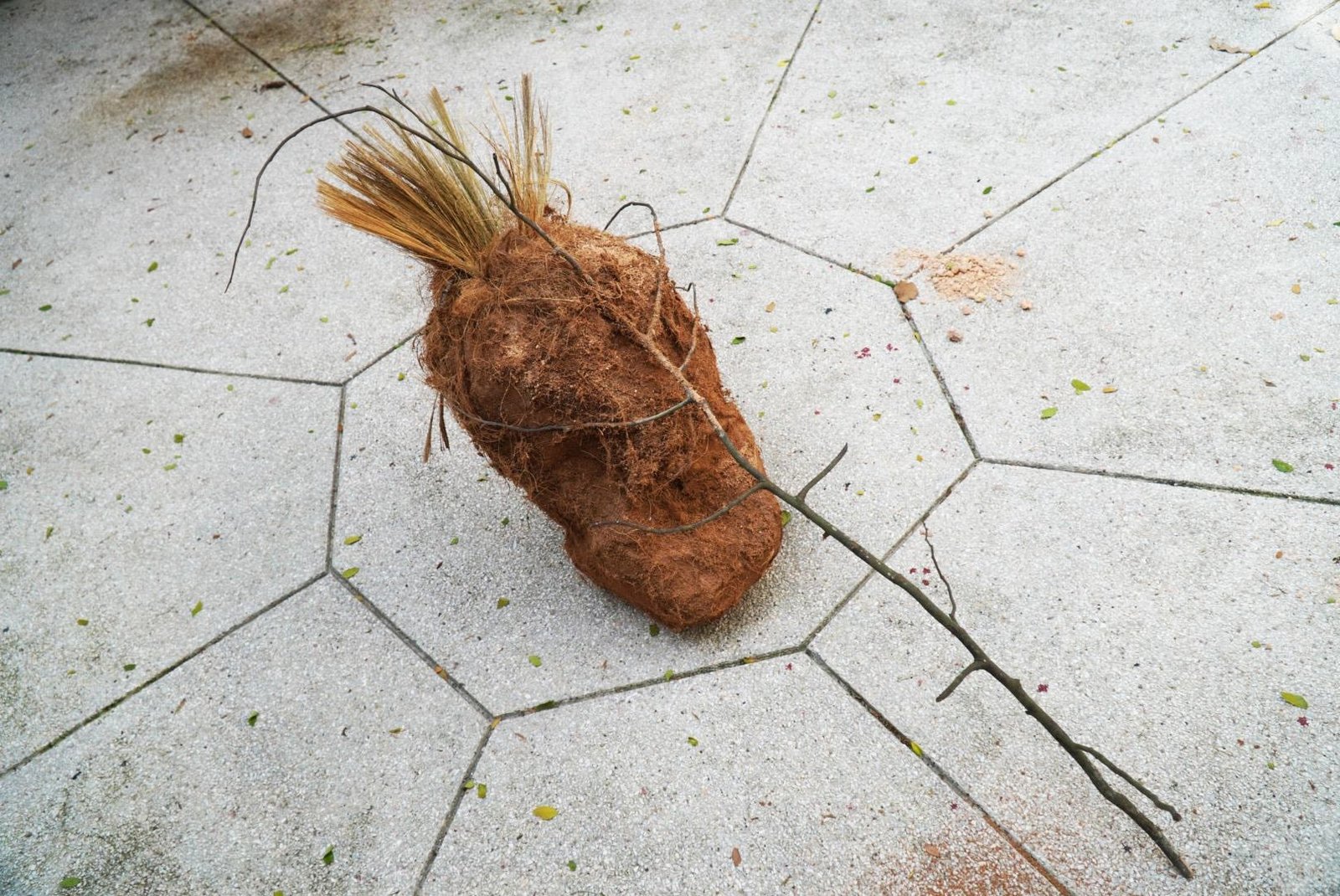
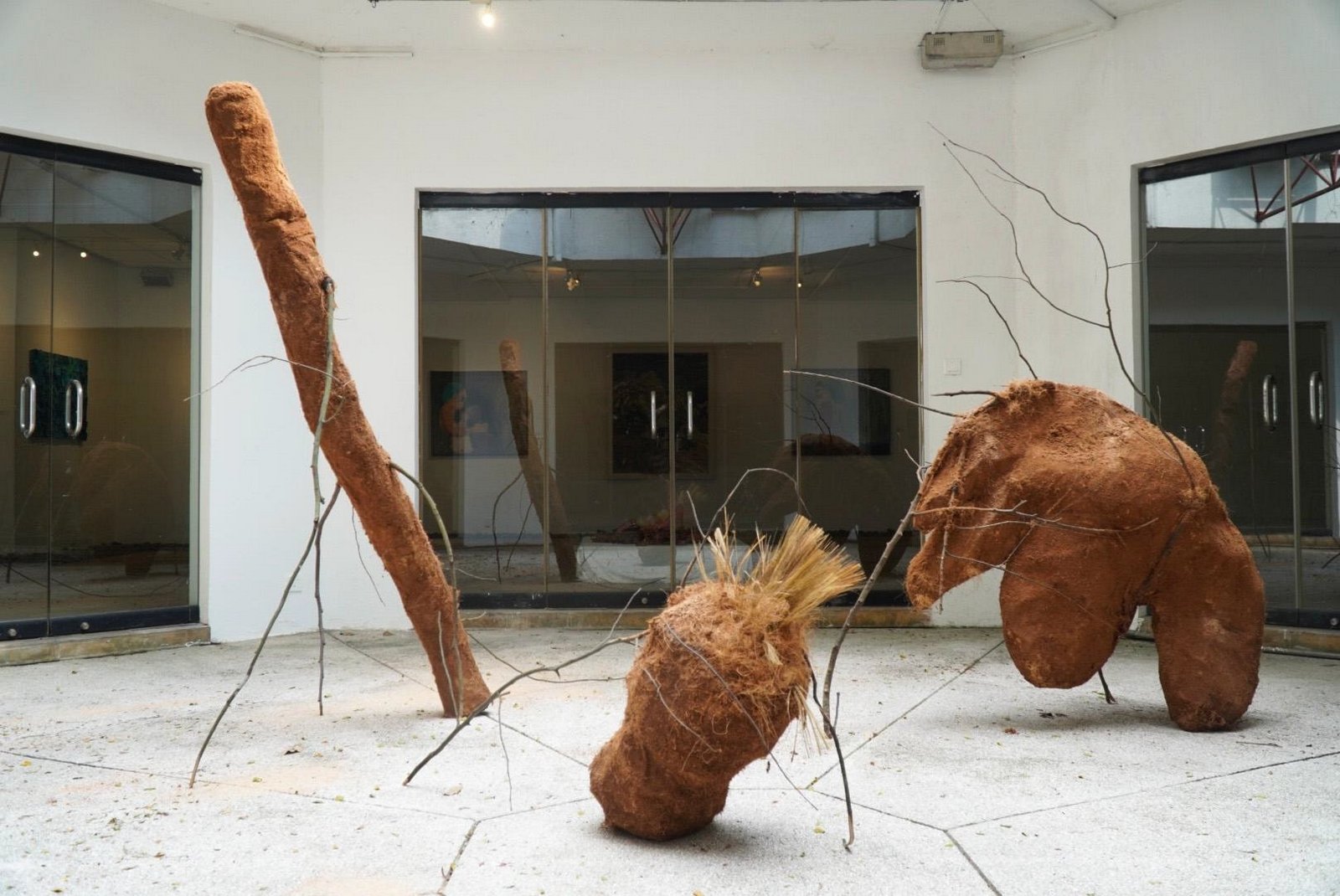
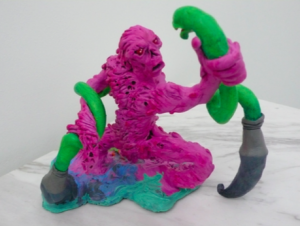
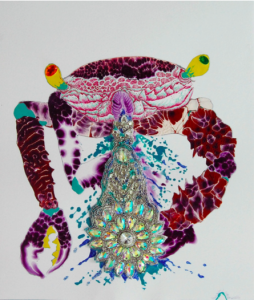
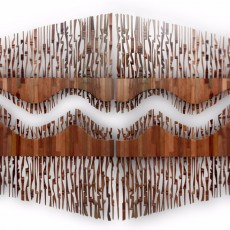
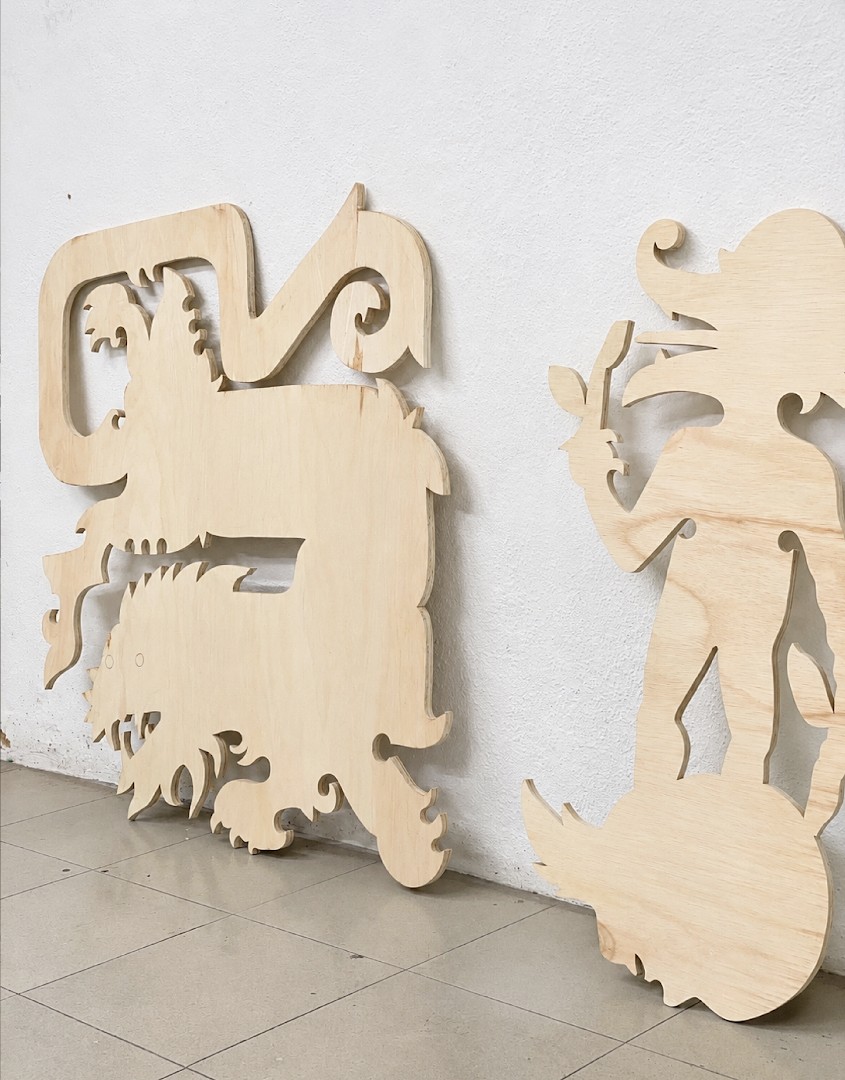
Entering the second month, I continued the process of creating a painting entitled “Absolute Cinema: Indonesia’s Endangered Wildlife”, a wooden relief installation entitled “Memory of the Tiger”, and a sculpture entitled “The Other Tiger”.
The five works that I worked on during this residency have one common thread, which is the tiger. For me, Malaysia and Indonesia have interesting memories about tigers. I have seen many tiger symbols in Malaysia, even becoming part of the national emblem. Likewise in Indonesia, especially Kalimantan, where I come from and grew up as part of the Dayak community.
In Dayak culture, tigers have a special relationship. In the past, the tiger was believed as a symbol of male travel and leadership. The belief is reflected through motifs on clothing and accessories, including the use of animal teeth as part of certain identities and symbols.
However, nowadays, tigers are slowly becoming a part of memory. Ecological crisis, habitat destruction, and the threat of extinction make its existence even more vulnerable. Through these five works, I try to trace back the relationship between humans, memory, cultural identity, and the existence of tigers in the midst of changing times.

Artist’s Statement
Zakaria Pangaribuan articulates the visual symbolism of Dayak tradition as a form of cultural epistemology within contemporary art practices. Through mediums such as painting, animation, sculpture, and installation, he interprets Dayak traditions as a knowledge system encompassing social structures, cosmology, customary laws, and communal ethics, offering a relevant framework for understanding the Anthropocene. His works examine ecological relationships, degradation of local knowledge, and the process of cultural hybridity as consequences of modernity.
Zakaria’s artistic practice focuses on reinterpreting visual symbols and cosmology of the Dayak community as an Indigenous knowledge system that establishes an ethical relationship between humans, nature, and the spiritual realm. In this practice, sacredness is not understood solely as a ritual aspect but as an epistemology of life that governs values, customary laws, and ecological balance within Dayak society. His practice is rooted in spiritual ecology, which perceives nature as a relational subject, and Indigenous epistemology, which regards ancestral knowledge as a critical framework for understanding social and ecological changes.
Visually, transformation, fragmentation, and distortion of forms are employed as strategies to reflect the disconnection of cosmological relationships between humans and nature caused by modernity and extractive logics. This cosmology-based art approach allows traditional symbols not to be represented nostalgically but to be activated as a critical language relevant to the global context. Through this work, Zakaria invites cross-cultural audiences to understand sacredness as a foundation for shared ethics as a way of thinking that offers an alternative response to the environmental and cultural crises faced by societies worldwide today.