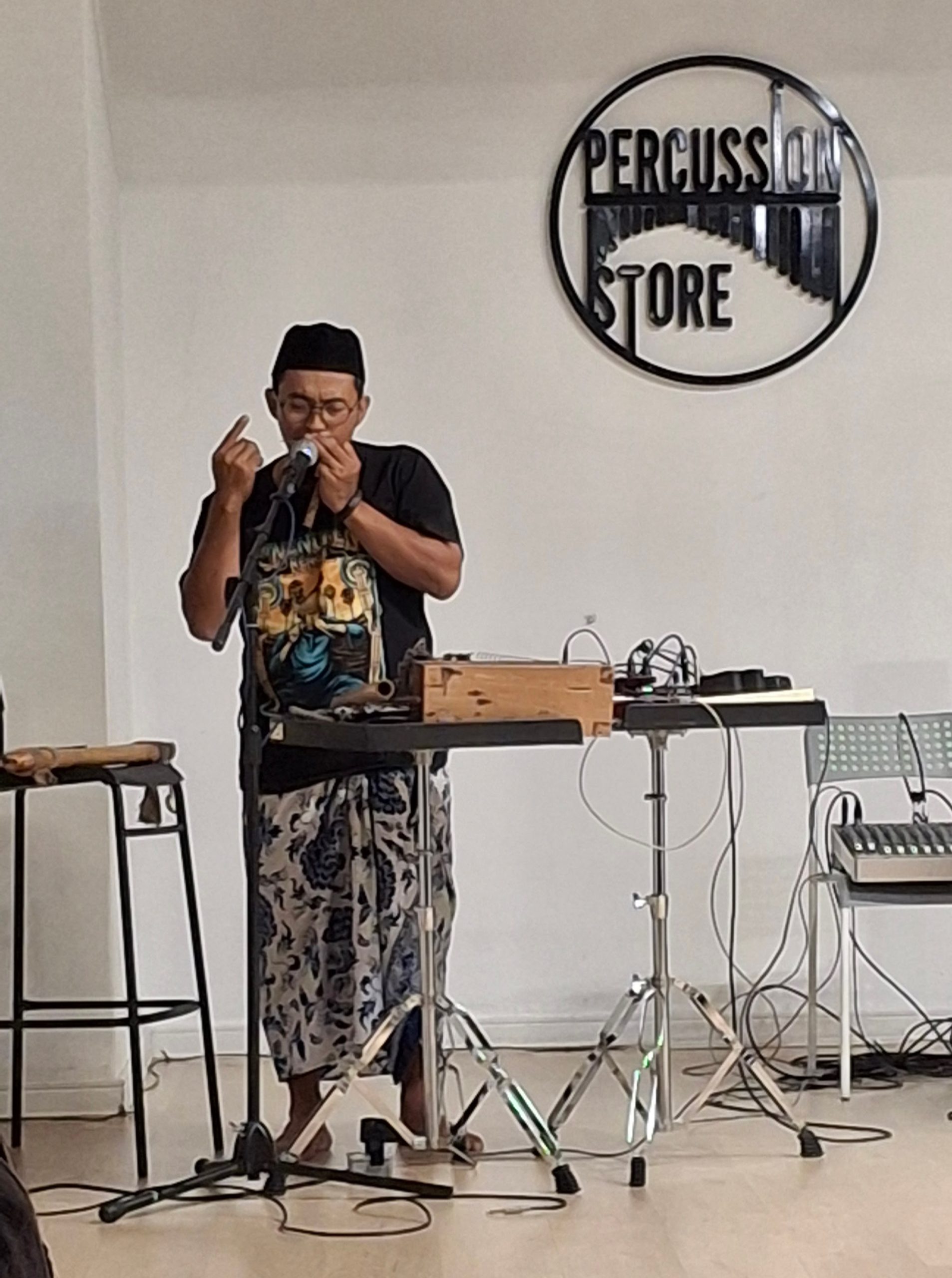
Agus Nur Wahidin, known as Hewodn, is a traditional instrument-maker and sound artist from East Java. He spent a month at Rimbun Dahan in September 2025.
About the Artist
Hewodn was born in Banyuwangi, East Java, and currently lives in Tuban. He attended the Islamic University of Malang, where he was a member and administrator of the student theatre group. He also joined their music group, and later a Jamaican percussion group in Banyuwangi, eventually forming the ethnic reggae group The Power Rengel in Tuban.
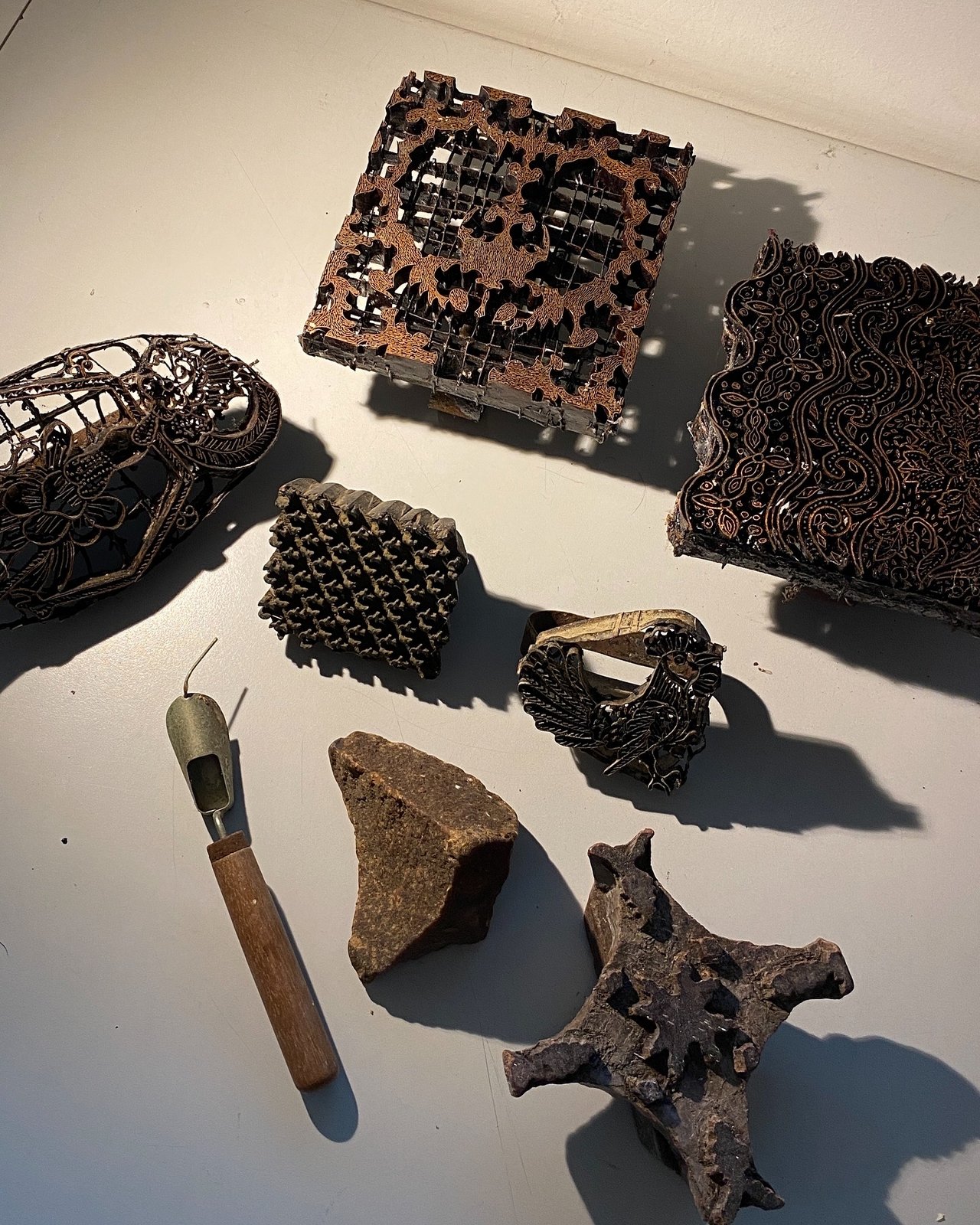
This group, now called Unen-Unen Rengel, continues today, with a focus on playing ancient folk instruments from East Java, some of which are rare or almost extinct. Hewodn has learned how to construct these instruments, and often shares his knowledge through workshops and performances. He also experiments with making sound with stones and instruments made of rontal palm leaves.
Hewodn has created works of music and performance at Melaka Art+Performance Festival, Bantengan Nuswantoro in East Javan, Bandung Art Festival and many other festivals across Indonesia.
About the Residency
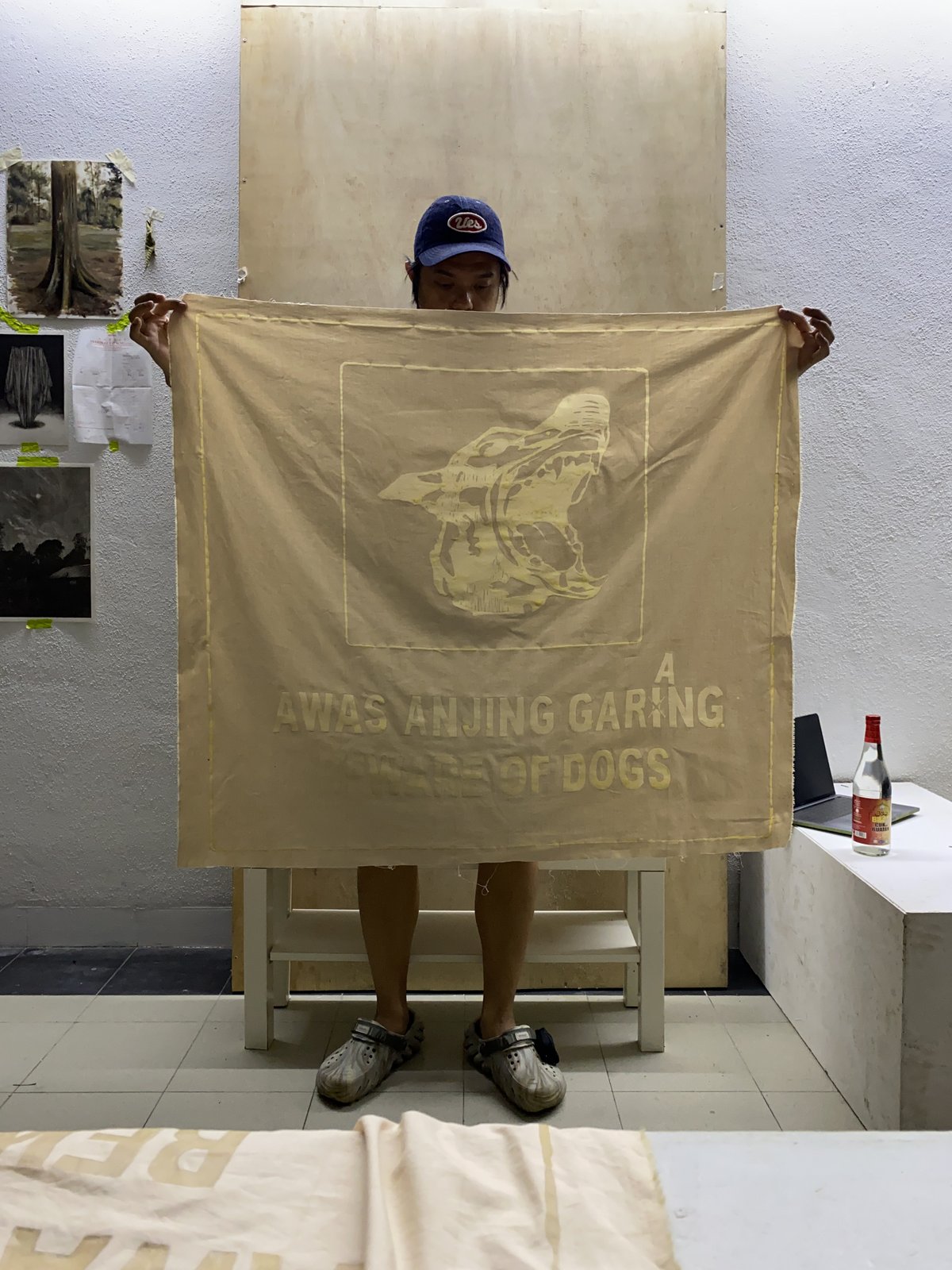
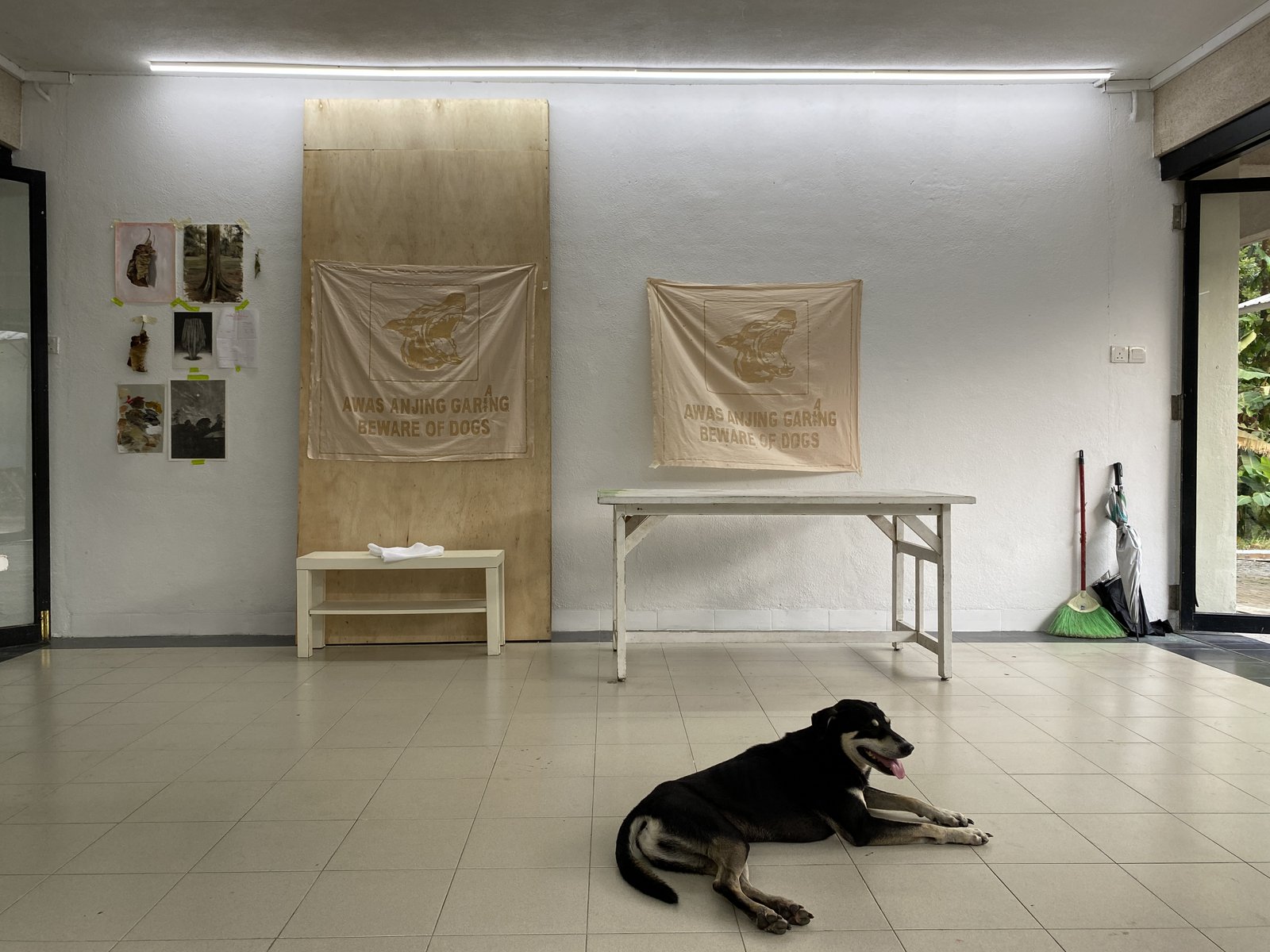
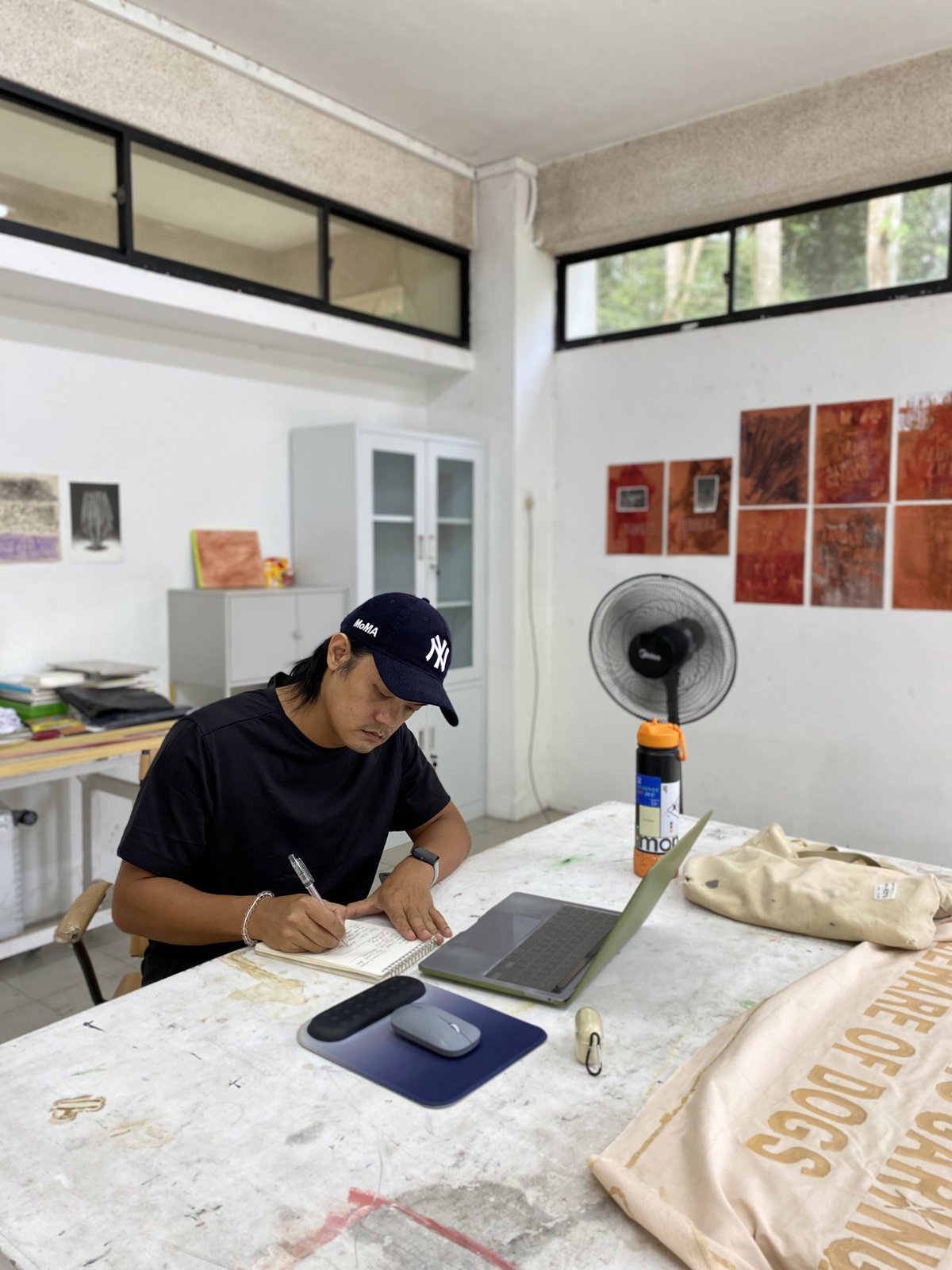
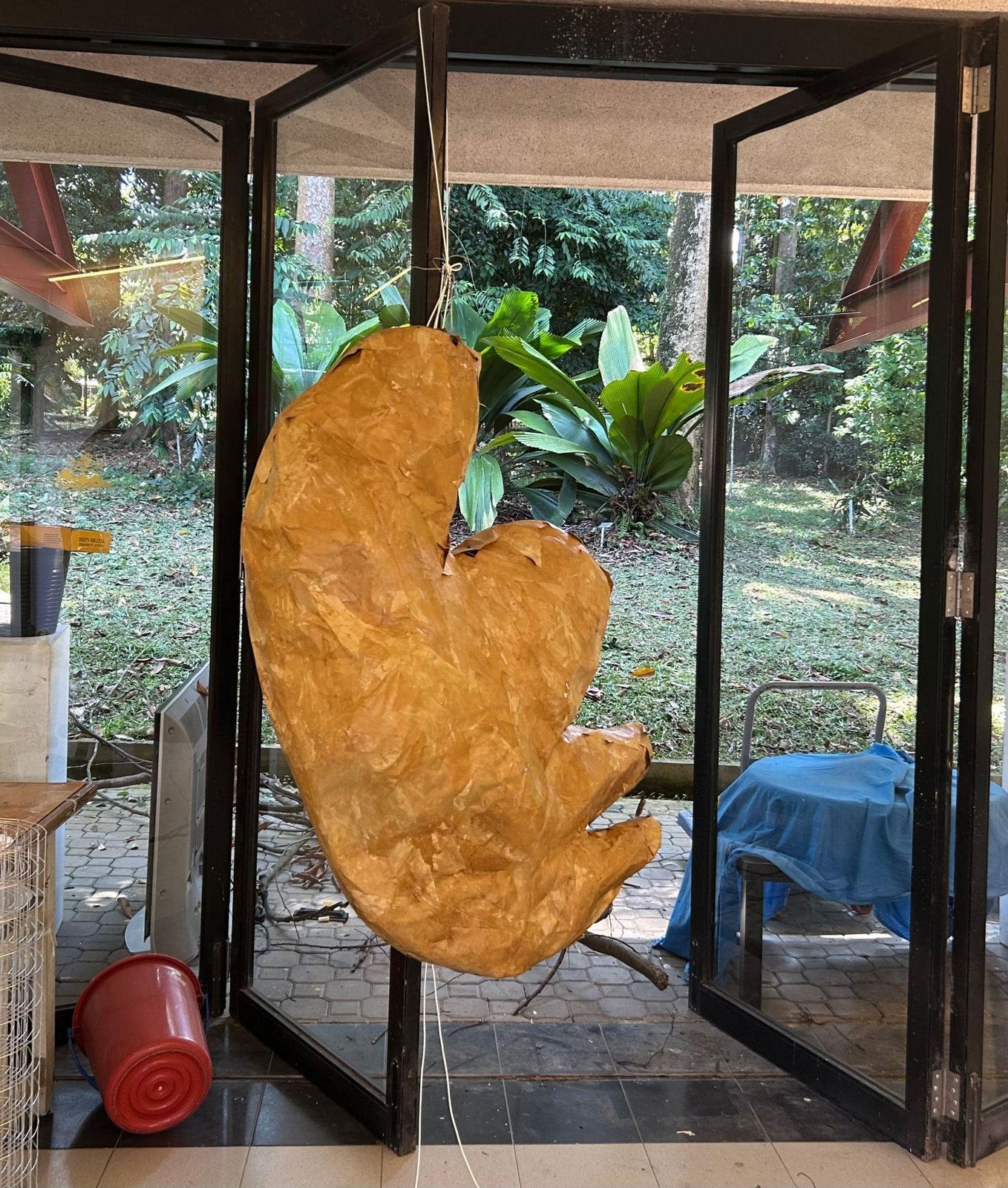
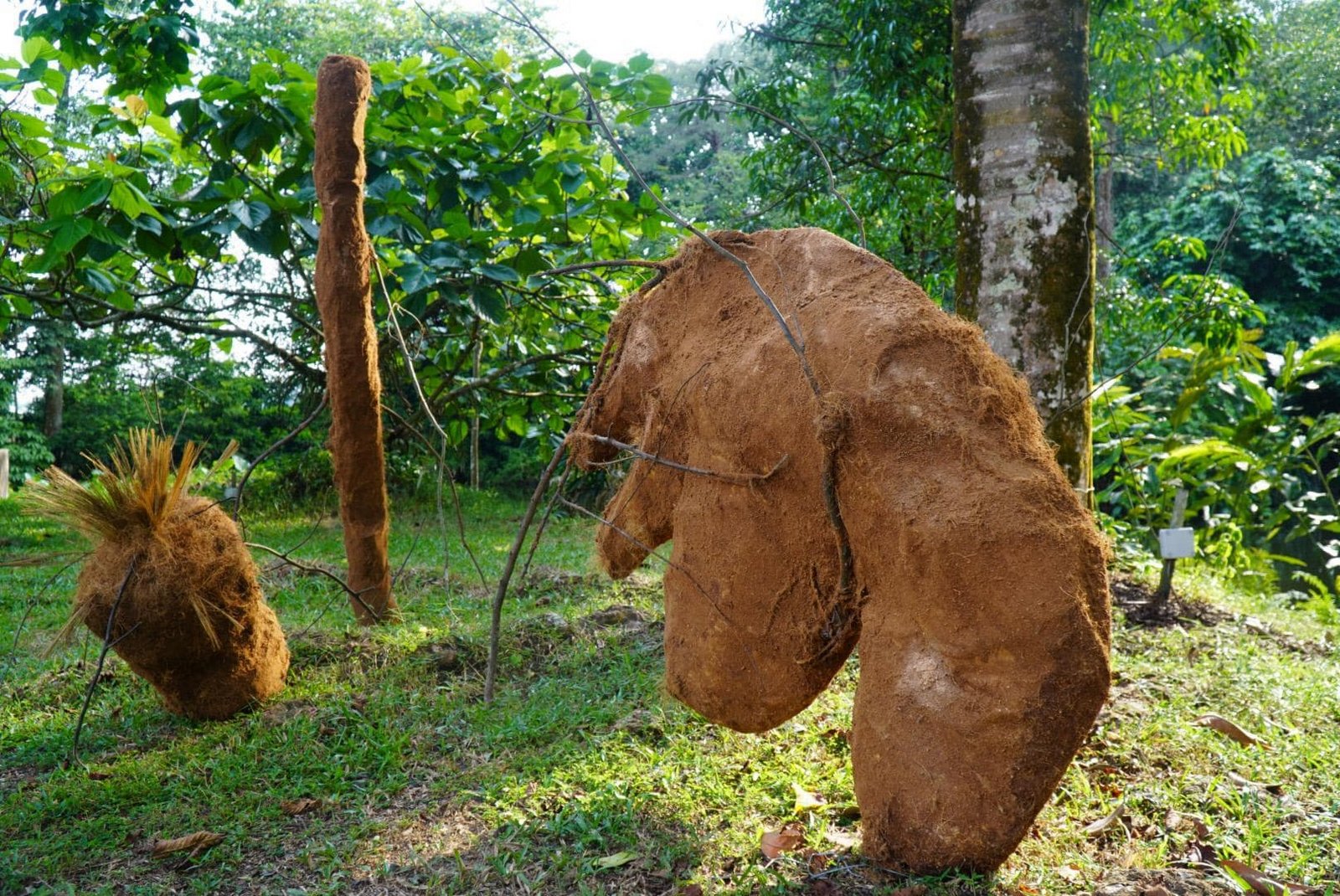
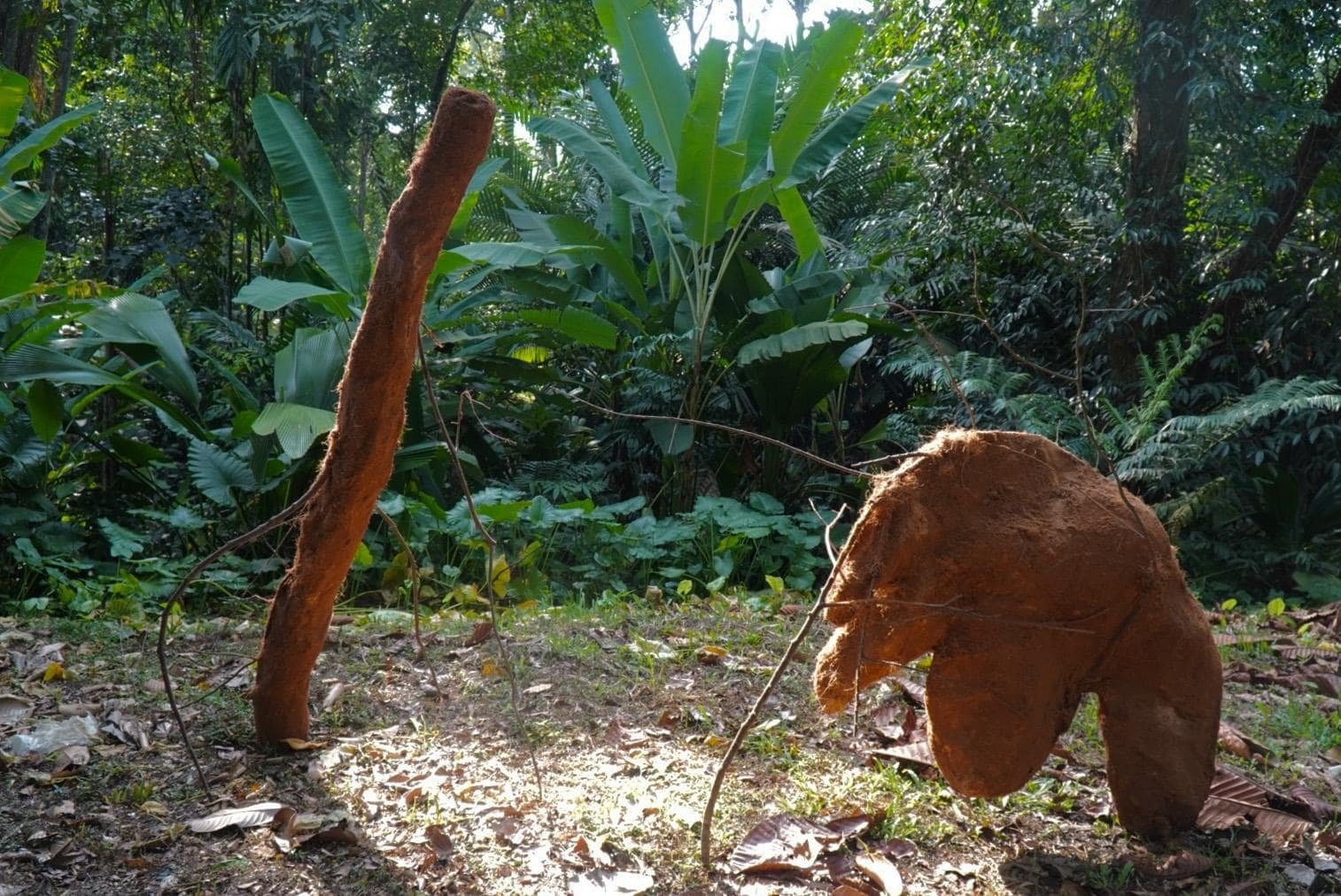
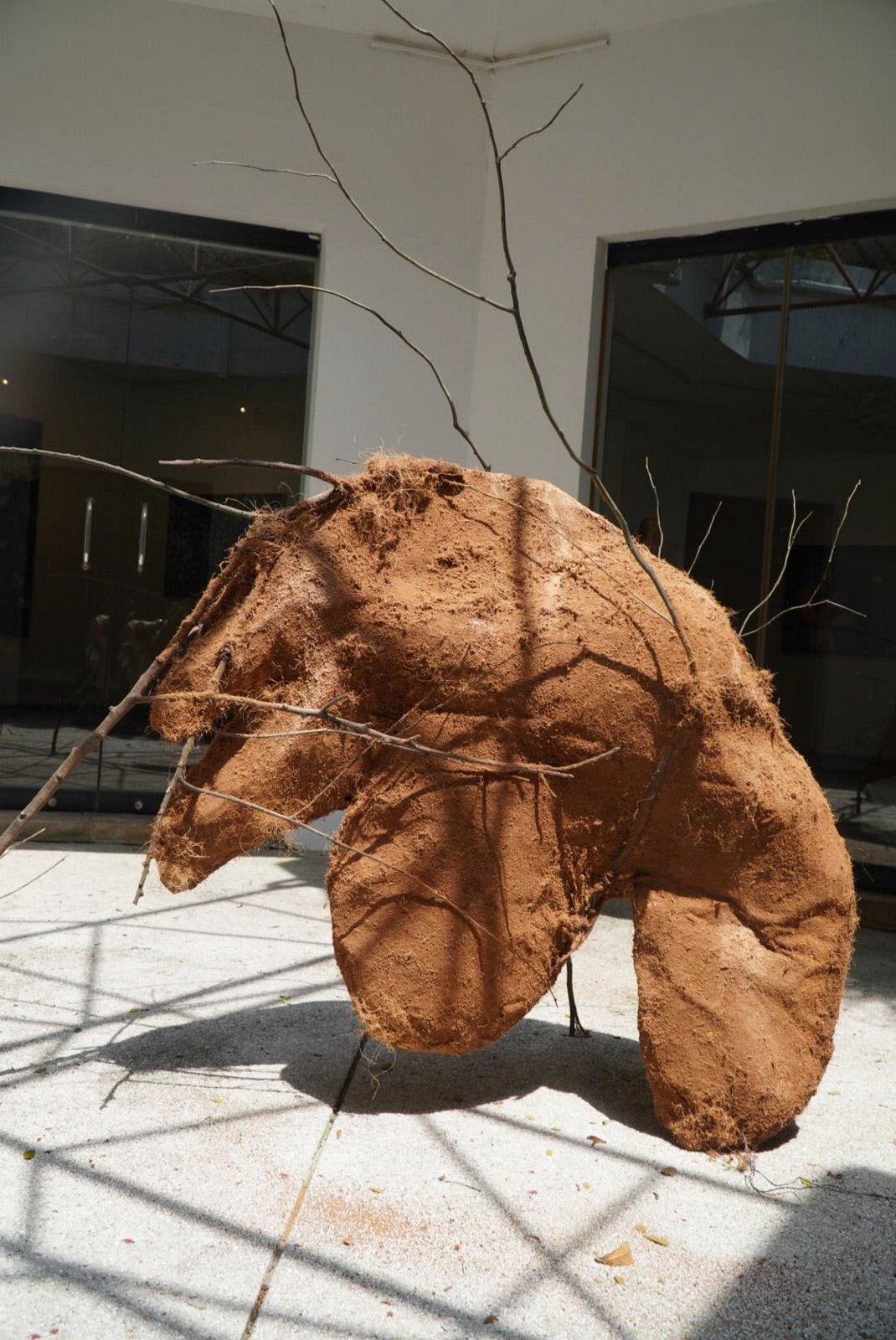
Before arriving at Rimbun Dahan, Hewodn attended the Melaka Art+Performance Festival in Melaka, as a sound artist. While he was at Rimbun Dahan, he made a site-specific music instrument installation, ‘The Trees’ Longing for Fertile Soil in the Industrial Age’ . The installation in his studio is welcome to be played by visitors on Open Day on 30 November 2025.
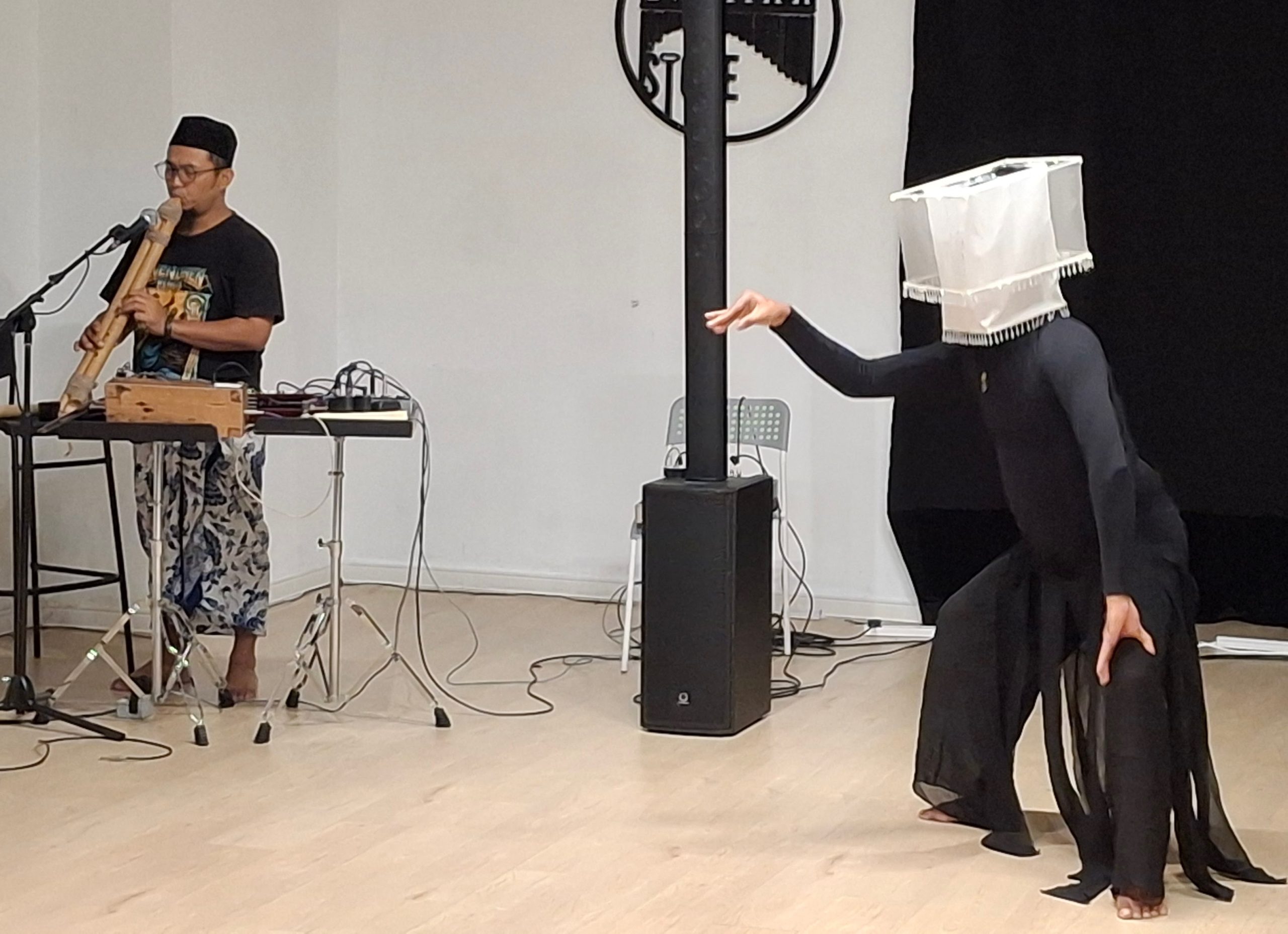
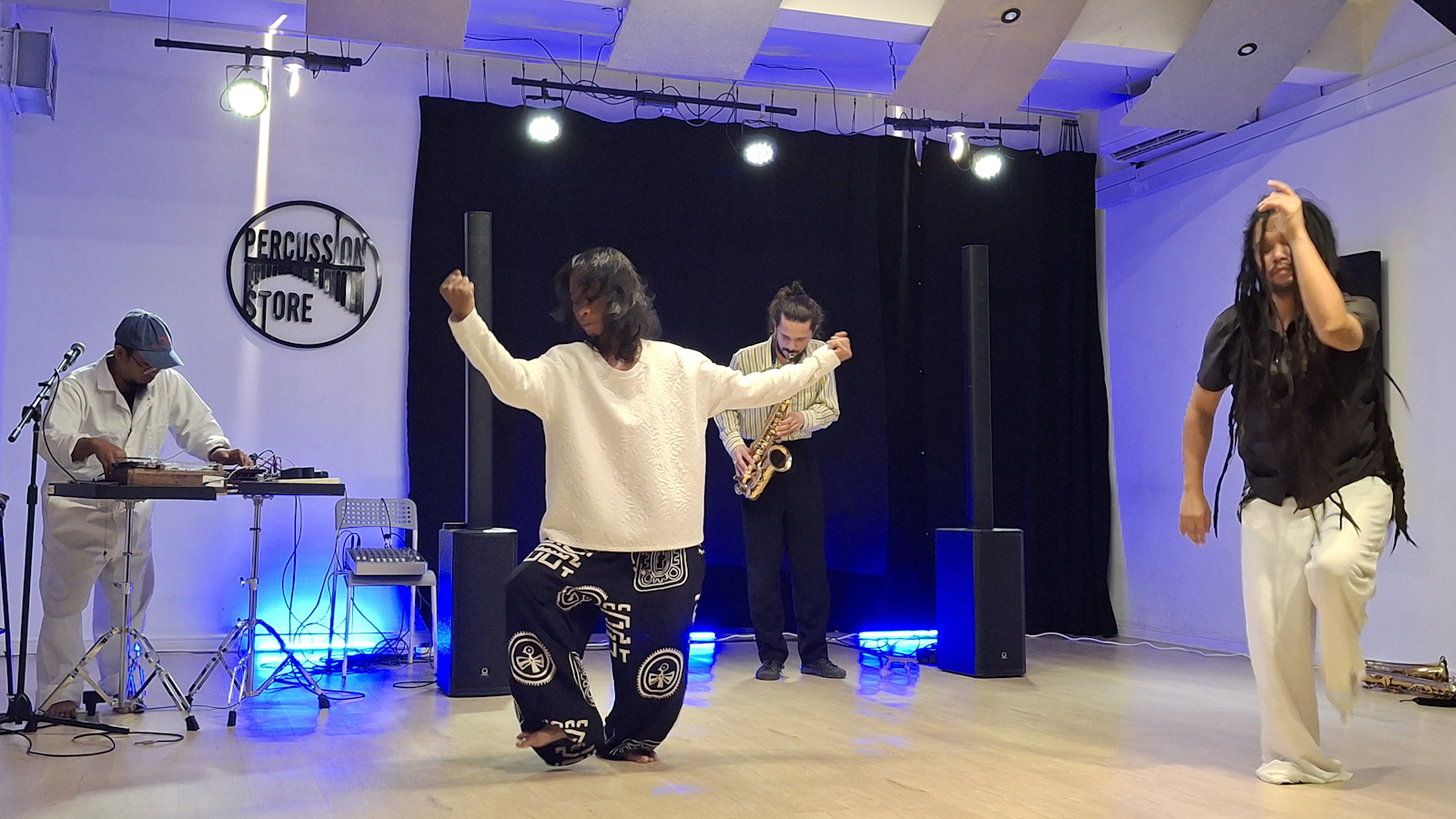
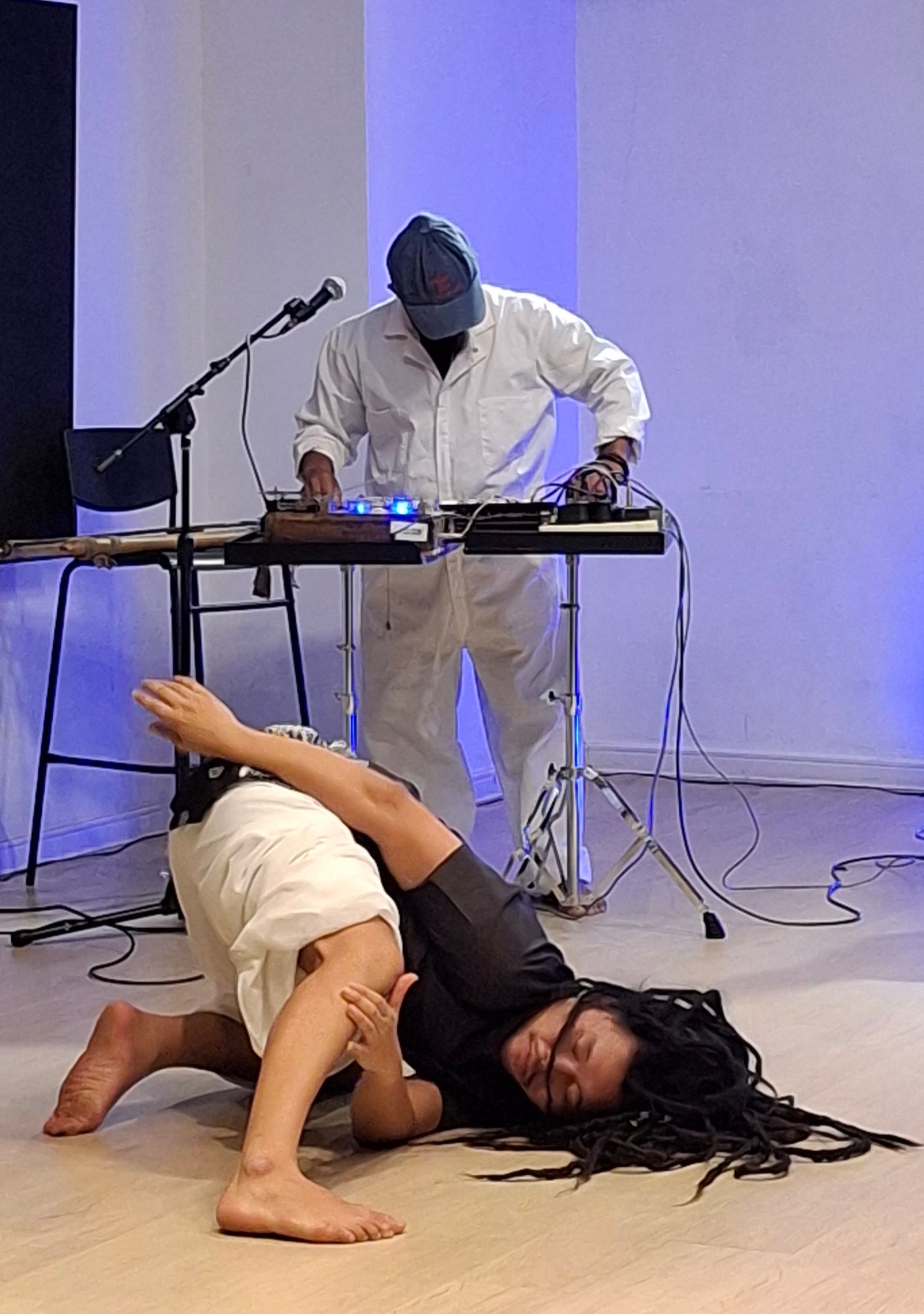
During his residency, Hewodn conducted a workshop in making and playing the traditional instrument karinding towél at Rimbun Dahan. He also performed in Serious Play Improv Lab #93 at Percussion Store in Kota Damansara, with musicians Kok Siew Wai, Yii Kah Hoe, Yong Yandsen and Rogan Kahale Tinsley (USA), and performers Rithaudin Abdul Kadir and Kien Faye.
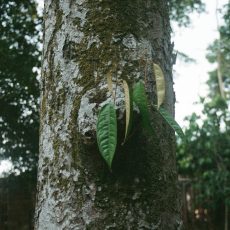
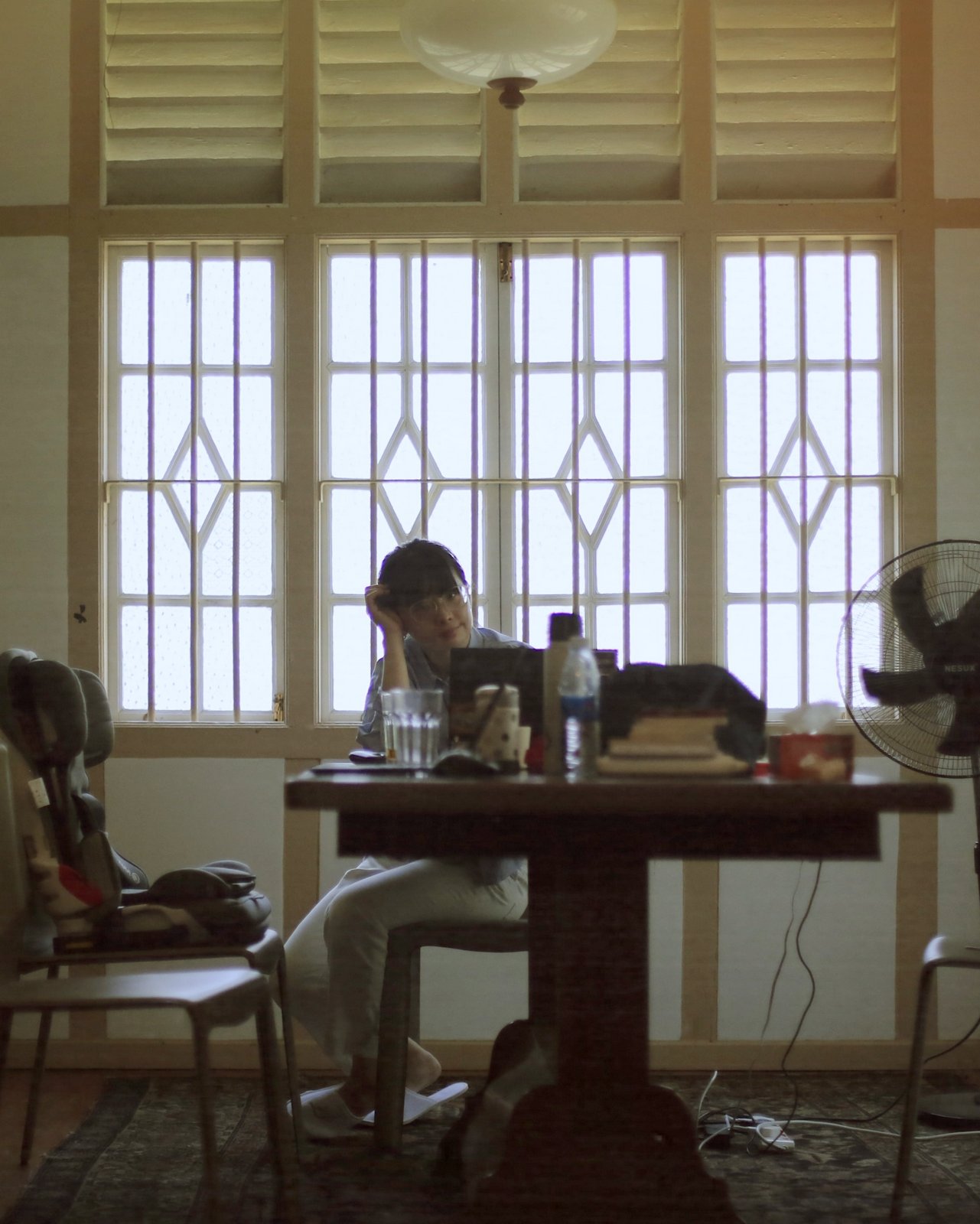
Joella Kiu, a visual arts curator and art historian from Singapore, spent a month at Rimbun Dahan in November 2025, experimenting with writing with a more personal voice and pushing past the thorny exterior of the durian.
About the Curator
Joella Kiu is a curator and art historian based in Singapore. She studies how artists employ the visual, textual, counter-cartographic, speculative and mythological to communicate urgent ecological conditions and contemporary lived realities.
Her writing has been published in AAA Like A Fever, Field Journal, The February Journal and PR&TA. Forthcoming written contributions include a chapter within Tastes of Justice: The Aesthetics and Politics of Food-Art Practices in Asia and Australia (Routledge, 2025).
In terms of independent initiatives, Joella started the discursive online platform, Object Lessons Space, and was host, writer and producer of Mushroomed, a podcast about the visual arts produced in collaboration with Singapore Community Radio. She holds an MA in History of Art from the Courtauld Institute of Art (2017), and a BA in History of Art from the University of York (2015).
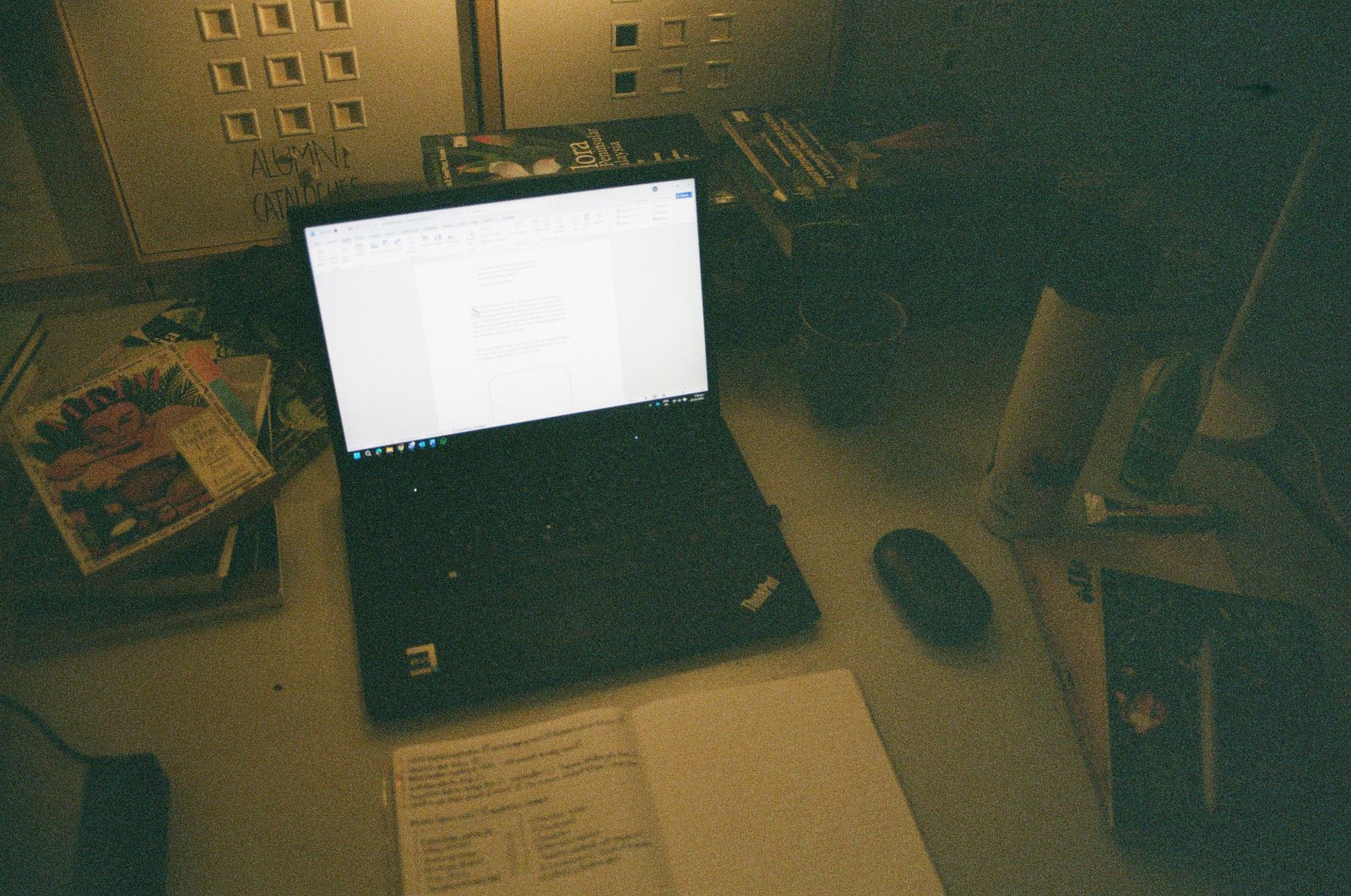
For the Open Day programme on Sunday 30 November, I’ll be presenting a new text. A Prickly Affair was written over the short time I spent at Rimbun Dahan, but it has been fermenting in my mind for a long time.
The first iteration of this research was presented in a conference in 2022. That paper was then turned into a chapter, which will be published in an edited volume that’s scheduled to hit the shelves in a month or so. That book, unfortunately, is woefully expensive (£150) and therefore largely inaccessible.
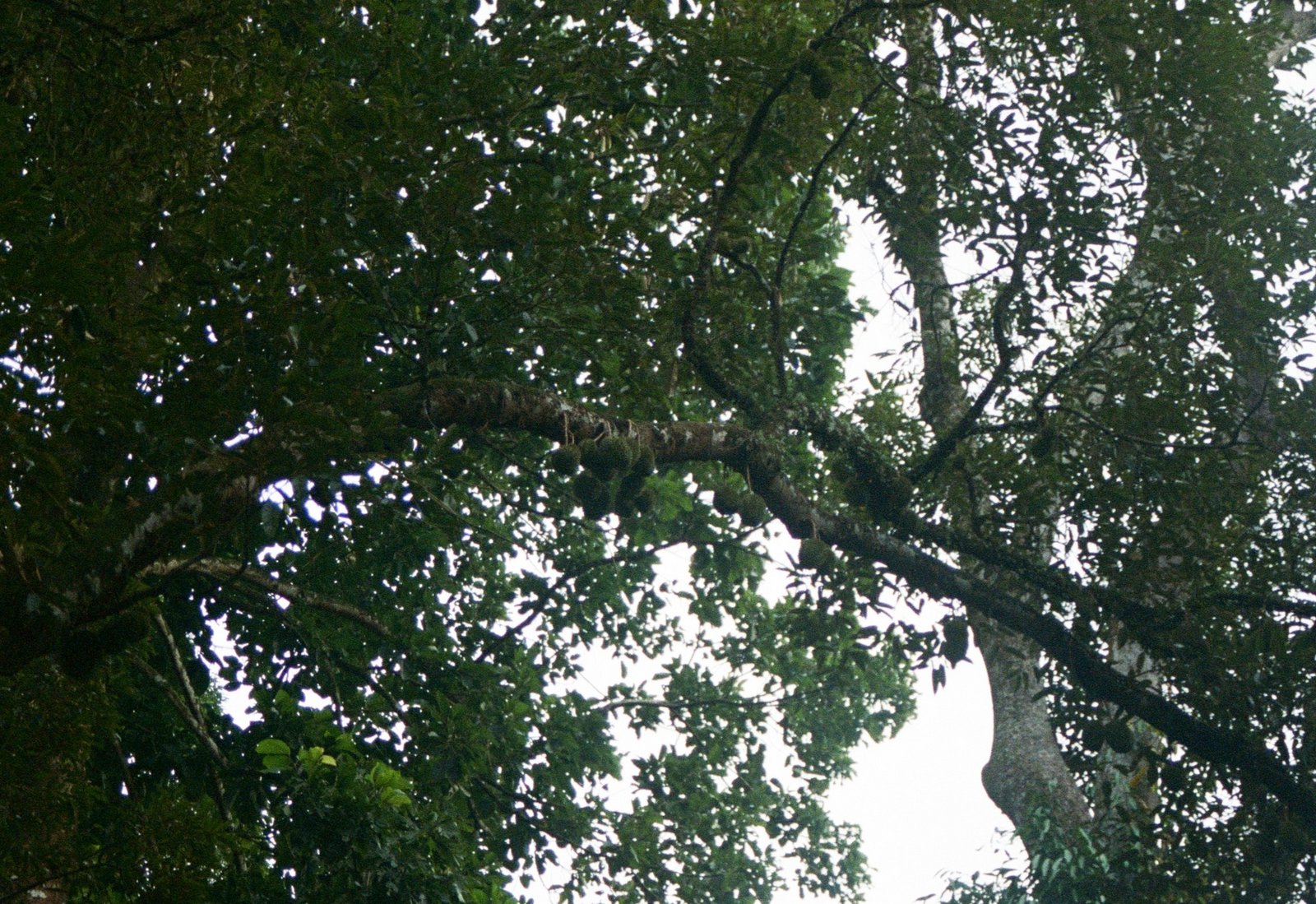
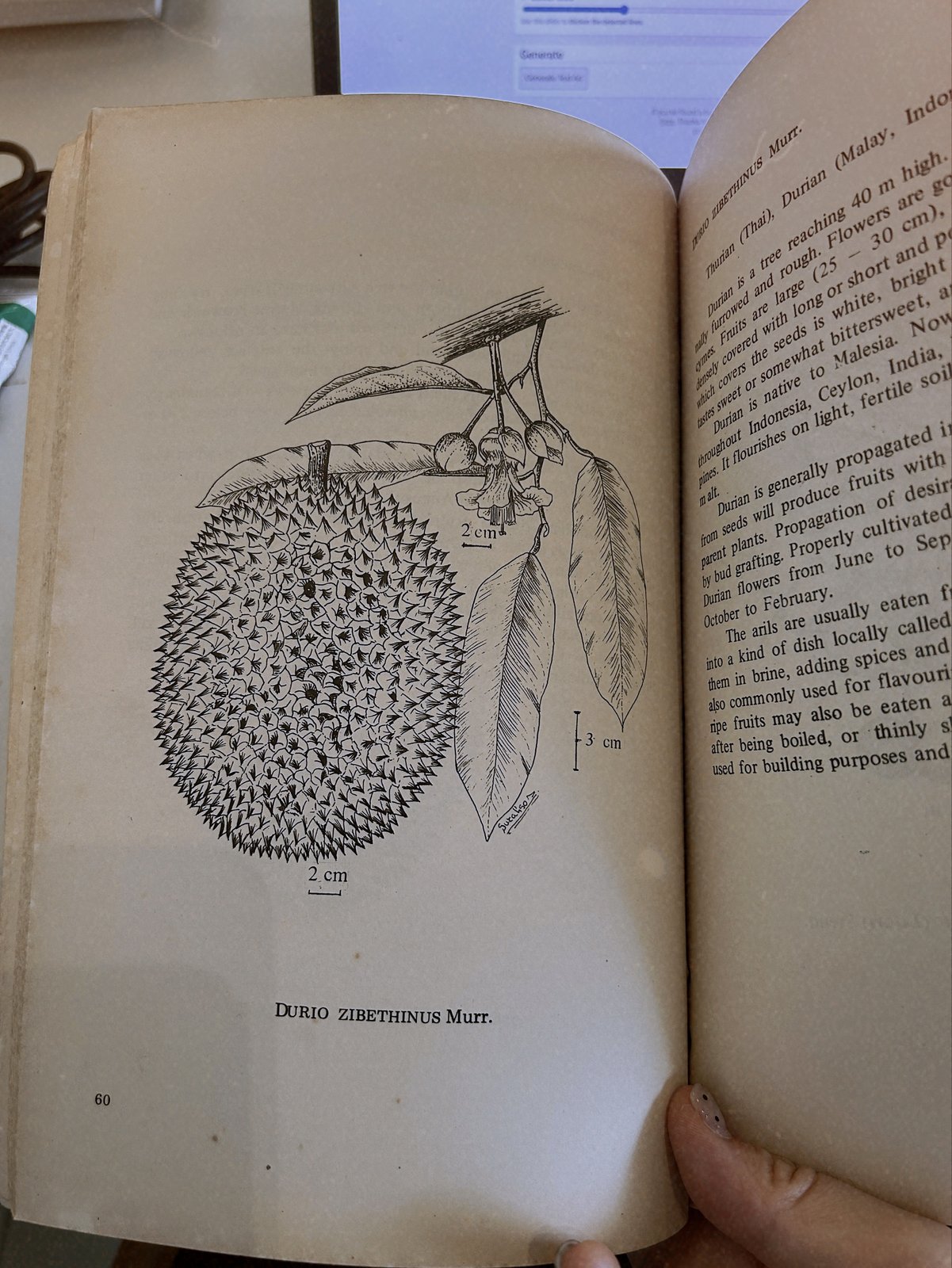
This new text is a spin-off of that research, and is largely borne out of my interest in experimenting more pointedly with a personal voice or embodied perspective within academic or curatorial research. A Prickly Affair is interested in pushing past the thorny exterior of the durian (its exotic stereotype, its reputation) towards a quieter and hopefully more attentive understanding of the fruit.
The text will be printed as physical booklets that will be free to take (while stocks last!) on Open Day. A digital copy will also be available.
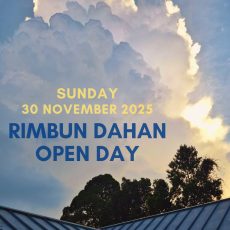
On Sunday 30 November 2025, our current resident artists will be sharing the results of their residencies with the public:
Jenny Logico-Cruz and Blonski Cruz of Langgam Performance Troupe (Philippines)
textile artist Awika Samukrsaman (Thailand)
curator Joella Kiu (Singapore)
visual artist Mao Sovanchandy (Cambodia) with her collaborator Yuryphal Tum
interdisciplinary artist Aliansyah Caniago (Indonesia)
An interactive musical artwork by musical instrument maker and sound artist Hewodn (Indonesia) will also be on display.
Entry is free. Registration is required only for the garden tour. All other activities are open for drop-in without registration. Please bring your own picnic, plus walk about our gardens at your leisure, explore our heritage house and the underground gallery.
THE GARDEN TOUR IS NOW FULL and registrations are closed. All other activities on Open Day from 11am to 6pm do not require registration — please just drop by!
Schedule
9am-11am Garden Tour [sorry — FULLY REGISTERED. Please drop in for activities from 11am onwards.] 11am-2pm Open Studios 11:30am-12:30pm “The Inheritance of Taste” — performance, lecture and sample food serving by Langgam Performance Troupe 2pm-3pm Lunch break — please enjoy your BYO picnic in the gardens! 3pm-6pm Open Studios 4pm-5pm “The Inheritance of Taste” — performance, lecture and sample food serving by Langgam Performance Troupe
Travelling Directions
Address: Rimbun Dahan, Km. 27 Jalan Kuang, Mukim Kuang, Selangor, 48050.
Landmarks: Our front gate is opposite Warung Selera Ria and also next to the start of Lorong Belimbing. Do not enter Lorong Belimbing, please enter the front gate from the main road.
Tips for Visitors
We have parking inside the compound, along the driveway. Just drive in the front gate and park as indicated along the drive.
Bring your own mosquito repellent!
We are sorry, Rimbun Dahan is not a fully wheelchair accessible venue. Wheelchair access is possible to the artists studios and some of the outdoor areas, but not to the underground gallery or the heritage houses.
Wear practical shoes if you are planning to walk around the garden.
Bring an umbrella in case of rain.
No refreshments or water provided. Feel free to bring your own picnic, and enjoy it in the gardens; please clean up all your trash.
No pets, no swimming — thank you for your cooperation.
If you have any questions, please email arts@rimbundahan.org or WhatsApp Bilqis at +6017-3103769.
About the Resident Artists
Jenny Logico-Cruz is a contemporary performance-maker, educator, and cultural worker. Blonski Cruz is a dramaturg, producer, filmmaker, and photographer. For the past 10 years, with Jenny as artistic director and Blonski as company manager, Langgam Performance Troupe has focused on experimental, process-based, interdisciplinary approaches, and practice-as-research works. The group has gained significant cultural notoriety in the independent theater landscape, becoming known as a producer for bold and innovative underground performance works. Read more about their project >>
Joella Kiu is a curator and art historian based in Singapore. She studies how artists employ the visual, textual, counter-cartographic, speculative and mythological to communicate urgent ecological conditions and contemporary lived realities. spent a month at Rimbun Dahan in November 2025, experimenting with writing with a more personal voice and pushing past the thorny exterior of the durian. The text will be printed as physical booklets that will be free to take (while stocks last!) on Open Day. A digital copy will also be available. Read more about Joella’s residency >>
A musical instrument installation, ‘The Trees’ Longing for Fertile Soil in the Industrial Age’ by East Javanese sound artist Hewodn, will be available for visitors to play during Rimbun Dahan Open Day. Agus Nur Wahidin, known as Hewodn, is a traditional instrument-maker and sound artist, who spent a month at Rimbun Dahan in September 2025. Born in Banyuwangi, East Java, he currently lives in Tuban. He attended the Islamic University of Malang, where he joined student theater and music groups. His group Unen-Unen Rengel focuses on playing ancient folk instruments from East Java, some of which are rare or almost extinct. Hewodn has learned how to construct these instruments, and often shares his knowledge through workshops and performances. Read more about Hewodn’s residency >>
Awika Samukrsaman (b.1991, Surin, Thailand) received her Bachelor of Fine and Applied Arts (BFA) from Thammasat University. She lives and works in Ratchaburi, Thailand. Awika’s interest in texture in textile works has brought her to the folk wisdom of local ethnic groups. She has been a member of Baan Noorg Collaborative Arts and Culture since 2018. Awika co-founded Wisdomative in 2019, a platform for developing local weaving art and crafts, and in 2021 she co-founded PhiFa collective. On Open Day, Awika will show a number of site-specific weaving works which seek to make visible vanished connections between humans, plants and manmade structures. Read more about Awika’s residency >>
Mao Sovanchandy, a multidisciplinary artist from Cambodia, and her collaborator Yuryphal Tum, spent two months at Rimbun Dahan in 2025, drawing inspiration from the regenerative nature of mulch. They will share their experiments with water hyacinth pulp, plaster, photography, food and performance at Open Day on 30 November 2025. Mao Sovanchandy (b. 1998) is an independent multidisciplinary artist exploring mixed-media works that reflect environmental and social issues, as well as societal norms, drawing from self-reflection and personal experience. Sovanchandy’s collaborator Yuryphal Tum (b. 1992) is an independent artist and architect from Cambodia. Her practice encompasses sculpture, installation, architecture, and archival work, often assembling meaning from small fragments and found materials. Read more about Chandy and Yury’s residency >>
More info about resident artists coming soon…
About Rimbun Dahan
Rimbun Dahan is the home of Malaysian architect Hijjas Kasturi and his wife Angela. Set on fourteen acres outside Kuala Lumpur, Malaysia, the compound of Rimbun Dahan is a centre for developing traditional and contemporary art forms. It features buildings designed by Hijjas Kasturi, as well as two early 20th century traditional Malay houses from Perak and Penang, in an indigenous Southeast Asian garden environment which has recently been awarded arboretum status. Rimbun Dahan is private property, and is only open to the public on Open Days.
The co-founders of Langgam Performance Troupe from Manila spent two months at Rimbun Dahan in 2025, developing the auto/biographical performance “The Inheritance of Taste”.
About the Artists
Jenny Logico-Cruz is a contemporary performance-maker, educator, and cultural worker. Her works have been featured locally and abroad including Manila, New York City, Honolulu, San Francisco, and London. She has also collaborated with notable arts organizations and cultural institutions such as The Cultural Center of the Philippines, St. Scholastica’s College of Music, The National Asian American Theater Company, The New York International Fringe Festival, The V&A Museum- Theatre and Performance Department, and Goethe-Institut Philippinen. Jenny holds a BA in Literature at De La Salle University, Manila, Philippines, and a Master’s degree in London’s Theatre and Performance (Viewing, Making, Writing) at the University of Roehampton (London, UK) where she received a Distinction Award. She also taught at the Theater Arts Department of De La Salle- College of St. Benilde (Manila, Philippines), with research interests focusing on contemporary practices and performance theories.
For the past 10 years, she is the co-founder and artistic director of Langgam Performance Troupe, a contemporary performance company focusing on experimental, process-based, interdisciplinary approaches, and practice-as-research works. Under her and Blonski Cruz’s (company manager) leadership, Langgam Performance Troupe has gained significant cultural notoriety in the independent theater landscape, becoming known as a producer for bold and innovative underground performance works. Her directing credits include: SOMEWHERE ELSE INSTEAD (2019-2020), SANA DEL MUNDO (OR HOPEFULLY OF THE WORLD (2020), [KOSMOS] (2021), THREAD/WARP (2021), and her most notable to date, PANGULONG BANGAW (2023), a one-man adaptation of William Golding’s LORD OF THE FLIES. As of 2025, she is an artist-of-residence for Goethe Institut Philippines’ Performance Ecologies, and Rimbun Dahan’s Southeast Asian Residency in Malaysia.
Blonski Cruz is a dramaturg, producer, filmmaker, and photographer based in the Philippines. He is a Production Design graduate from the De La Salle – College of Saint Benilde. He was a recipient of production grants with the Goethe Institut, National Commission for Culture and the Arts (NCCA), and Cinema One Film Originals. He has also partnered with heritage institutions such as Fundacion Santiago and the Emilio Aguinaldo Shrine in Kawit, Cavite to create interactive historical tour.
Blonski co-founded Langgam Performance Troupe with professional/personal partner Jenny Logico-Cruz. He operates as the resident dramaturg and company manager. His collaborations with Langgam were featured in the Lacuna Festivals (Spain), BST Journal (UK), the Singapore Biennale, and XSCENA Festival (Manila). Blonski recently finished a training program called Psychological First Aid organized by the Mekong Cultural Hub (Taiwan/UK). This program aimed to equipped cultural workers with the basic tools in establishing safe spaces and support systems for their respectively fields of practice. Currently, he is an artist-in-residence in Rimbun Dahan (Malaysia) for an auto/biographical performance titled “Inheritance of Taste”.
An Inheritance of Taste is an auto/biographical performance project that explores the intersections of food, memory, grief and longing, and the reflection of one’s family legacy and its impact on one’s identity. Utilizing an old family recipe book as the main text for performance, An Inheritance of Taste embarks on a performative dialogue between the past and the present. The past: a deceased matriarch (performed by Jenny Logico-Cruz) whose voice remains in the faded pages of a generational recipe book of Filipino dishes she once composed and compiled for her family before her passing. And the present: a daughter (also performed by Jenny Logico-Cruz) who decides to revisit the dishes of her childhood through the same recipe book, after more than 20 years ago since her mother died.
The central action of this dialogue between past and present is the very act and process of cooking—as dictated by the family recipe book itself. The performance aims to tackle the cooking process as a form of seánce that reconnects ancestors and descendants into the familiar reunion taste and smells, as well as create further discourse and communion between the subjective narrative of the performer (cook) and the objective experience of the audience (diners).
Mother and daughter.Garilao-Logico Cook BookMother and son.
During the residency at Rimbun Dahan, and immersed in the backdrop of Kuang’s slow-paced, leisurely nature, artists are finally afforded the time and space to dive deep into these heirloom recipes with invested attention into their time-intensive, laborious cooking process—which otherwise would have been unmanageable if conducted in the artists’ home city (fast-paced Metro Manila). Apart from committing to the recipes’ element of traditionally durational process, the artists further investigate on the notion of “taste memory,” as asserted by Jenny Logico-Cruz’s mother, as the only powerful “secret ingredient” in recreating these inherited dishes. The artist’s mother notes in her letter dated September 17, 2003: “The secret is this […] you have to remember how you have tasted the dish.” Taking up on this challenge, the artists explore on how such recipes can still maintain the same flavor profile despite being uprooted from their original Philippine locality and transposed using locally available produce in Malaysia. The challenge transforms, beyond just a mere exercise on cooking, but more so as an exercise on memory—memory as a potent muscle that intersects intuition, communal/personal history, and intangible inheritance; memory as the unquantifiable yet ultimate ingredient that navigates and instructs a dish together, transcending limitations and differences in cultural produce.
Trần Minh Hải (b.1993) is a contemporary dance artist and choreographer based in Hanoi, Vietnam. Ny&Khun: Sreynoch Khun (b.1996) and Ny Lai (b.1997) are a contemporary duo based in Phnom Penh, Cambodia. Muhamad Erdifadilah (b.1997) is a musician from Bangka Island, Indonesia. Pebri Irawan (b.1997) a dancer-choreographer of the Indonesian Institute of the Arts in Yogyakarta, Indonesia. Briefly accompanied by Chan Kar Kah, artist and educator of Marrow Collective and Suiyi Dance Company, Malaysia.
We are Southeast Asian artists who met at Southeast Asian Choreolab 2024 in George Town, Penang. During the program, we formed a strong connection not just through training, but through deep conversations about our work, ideas, and what matters to us. We shared how we create, what inspires us, and our thoughts about art, culture, and the world. Even though we come from 3 different countries, we found many similarities in our culture, how we think and work. This connection is still new, yet we want to keep exploring it. We hope to create something special together. We believe in strong visuals and the idea of “less is more.”
On Sunday 24 July, together with invited members of local dance community, we will perform a short outdoor ritual in the garden at Rimbun Dahan. What you’re about to witness is a living painting. Over the past two months, we’ve been living, listening, moving, and creating at Rimbun Dahan. In the stillness surrounded by nature and time, we found something we now want to share with you, not to impress but to express. This is a spiritual offering and meditation in motion. We’re not here to show off yet we’re here to show up. With every step, every pause, every breath, we’re painting. Painting with the colors of silence, of calm, of curiosity. This is a time for simply being.
Renz Baluyot (b. 1989, Saudi Arabia) focuses his art practice on the relevance of the past to the present, specifically in socio-political narratives situated within present-day urban realities. His work centers on urban decay (rust, tarpaulins, and objects) and artifacts, alongside traditional still life and landscapes. From these elements, he questions the temporality of urban destruction and investigates how these marks of the past have influenced the present under oppressive political and economic systems.
While primarily a painter, Renz Baluyot has worked on sculpture, textiles, and installations aiming to redefine relations with communities and collective memory. Inspired by craft practices and traditions from local artisans, he explores his identity within postcolonial societal structures. He weaves archives with oral histories in order to amplify marginalized perspectives. Baluyot discovers ways in which alternative knowledge manifests through his practice.
Baluyot received his BFA from the University of the Philippines, Diliman and completed artist residencies at the Virginia Center for the Creative Arts (VA, US), Elizabeth Murray Artist Residency (NY, US), Orange Project (Bacolod City, PH), Bellas Artes Projects (Bataan, PH), YOD AIR Program (Osaka, JP), and was selected for a fellowship grant at the Vermont Studio Centre (VT, US). In 2019, he was one of the artists presented at the exhibition Living Earth: Contemporary Philippine Art, curated by Luca Beatrice and Patrick Flores in Milan, Italy.
Baluyot received the Juror’s Choice Award of Merit in the 25th Philippine Art Awards (2020) and was one of the finalists in the Ateneo Art Awards – Fernando Zóbel Prizes for Visual Art (2021) for his exhibition, Empire at West Gallery. He lives and works in Manila, Philippines.
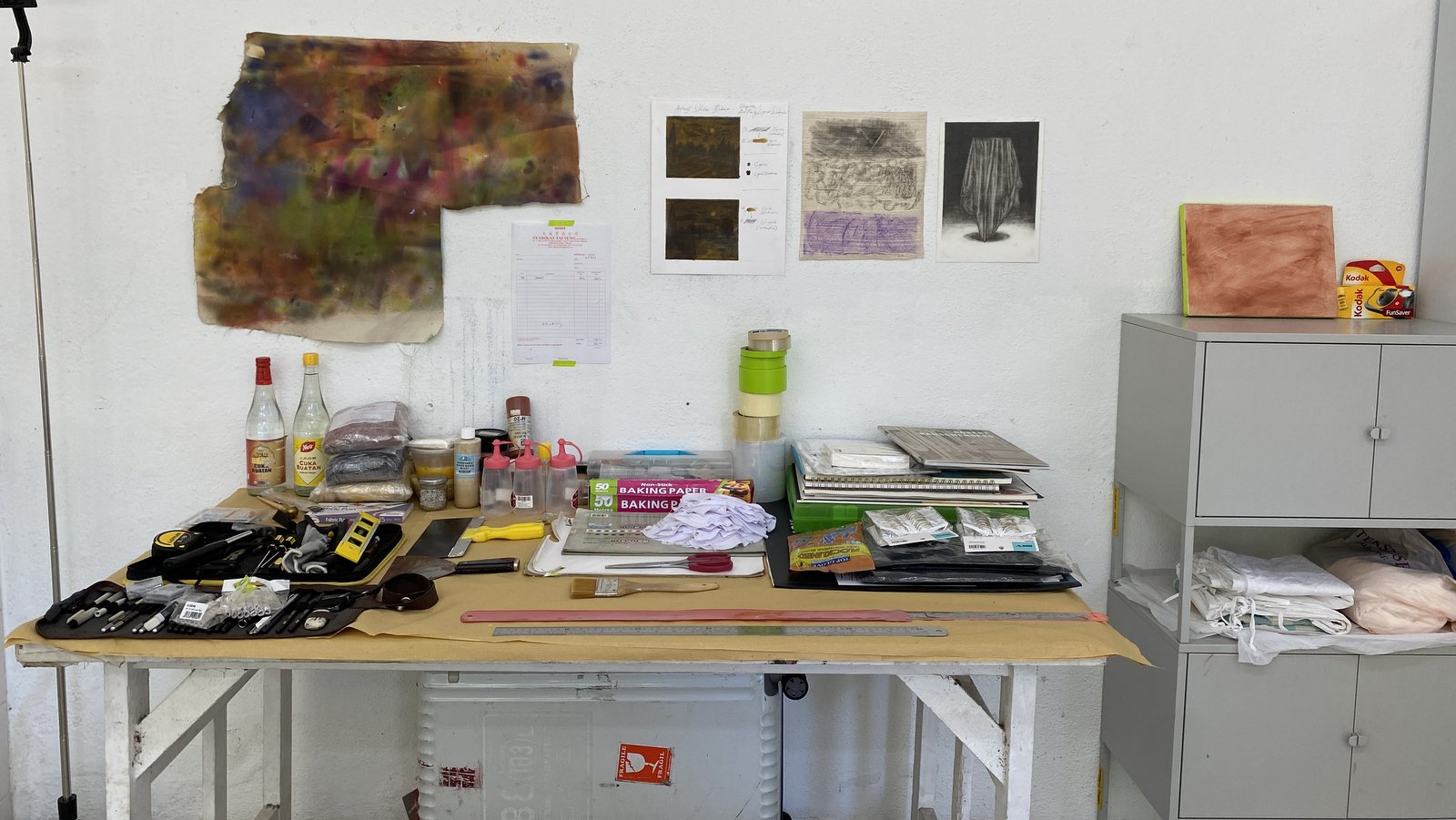
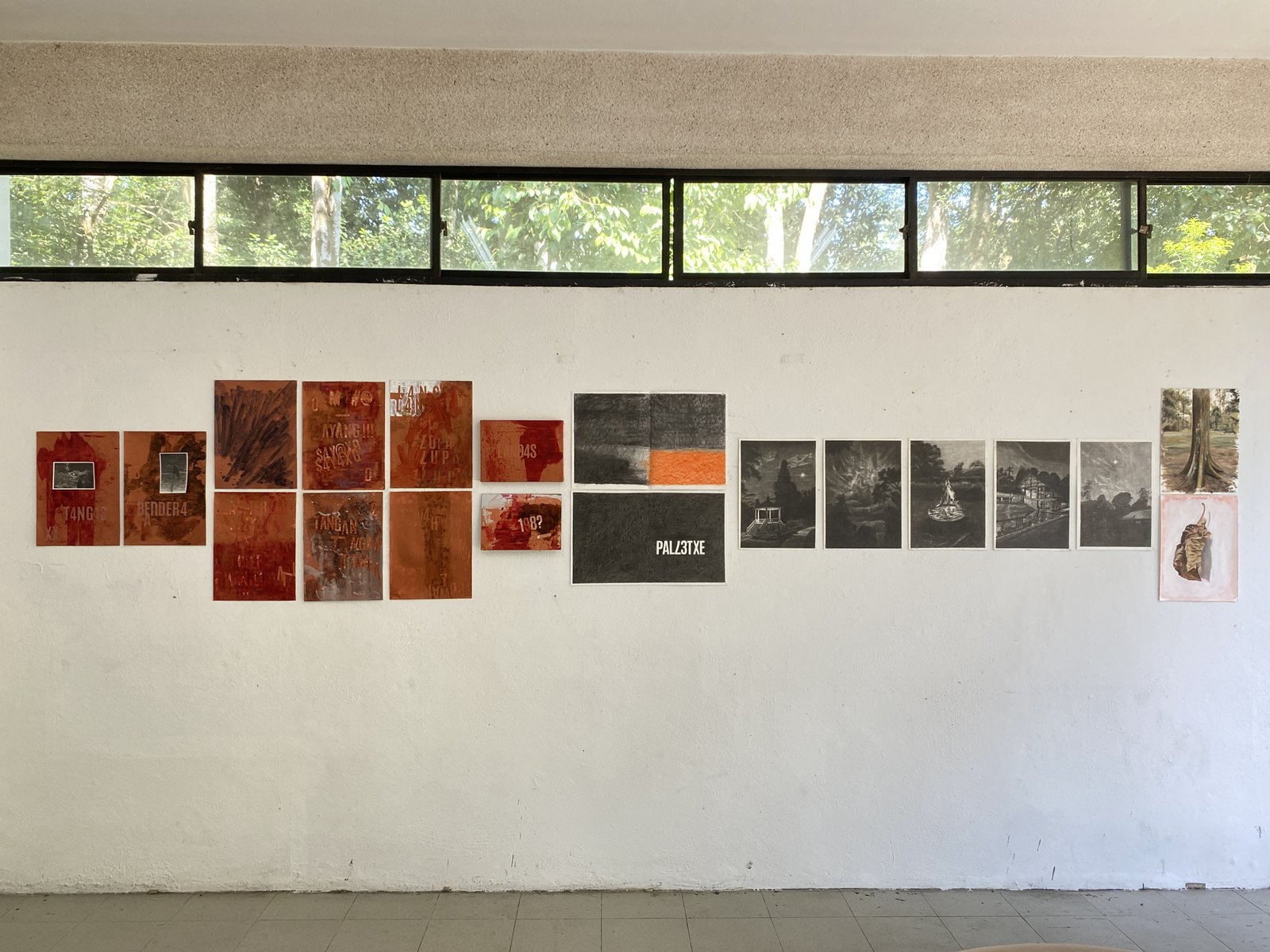
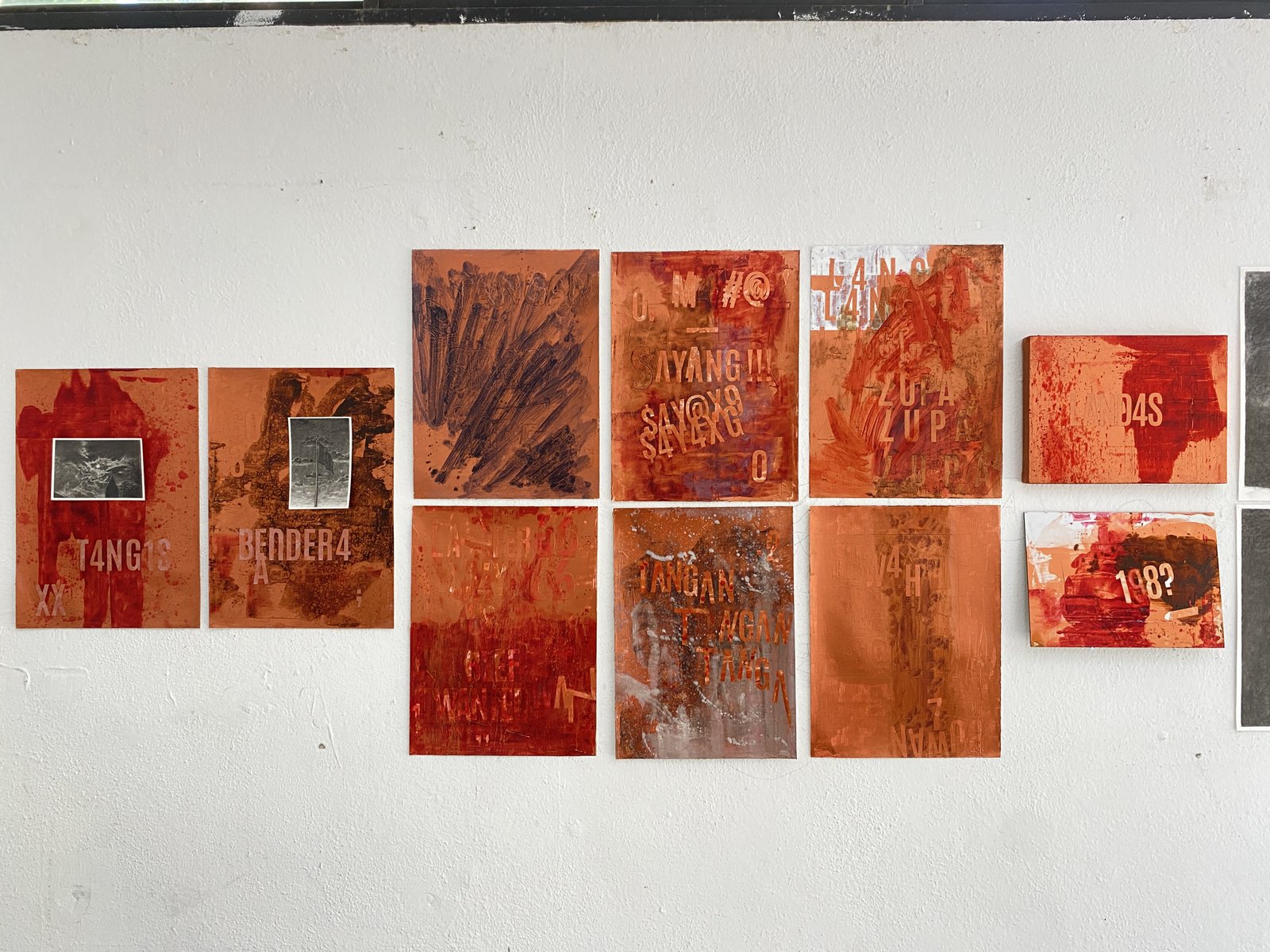
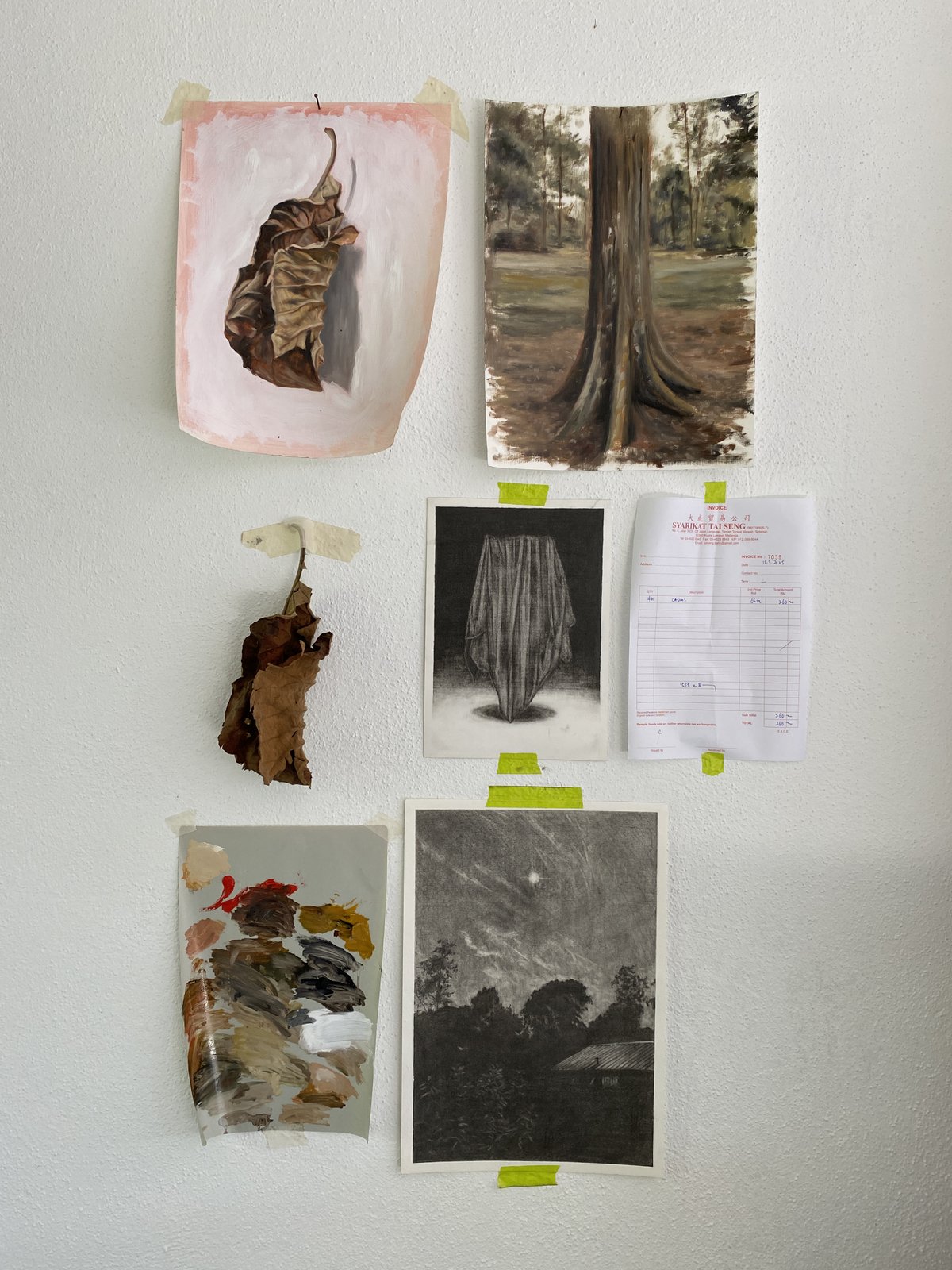
At Rimbun Dahan, I took the chance to play with new materials and techniques that I’ve been curious about and might bring into my practice later on. I started these experiments in May during my first month, carried them over to my residencies in New York (Elizabeth Murray Artist Residency) and Virginia (Virginia Center for the Creative Arts) in June and July, and concluded them back in Malaysia this August for my final month at Rimbun Dahan.
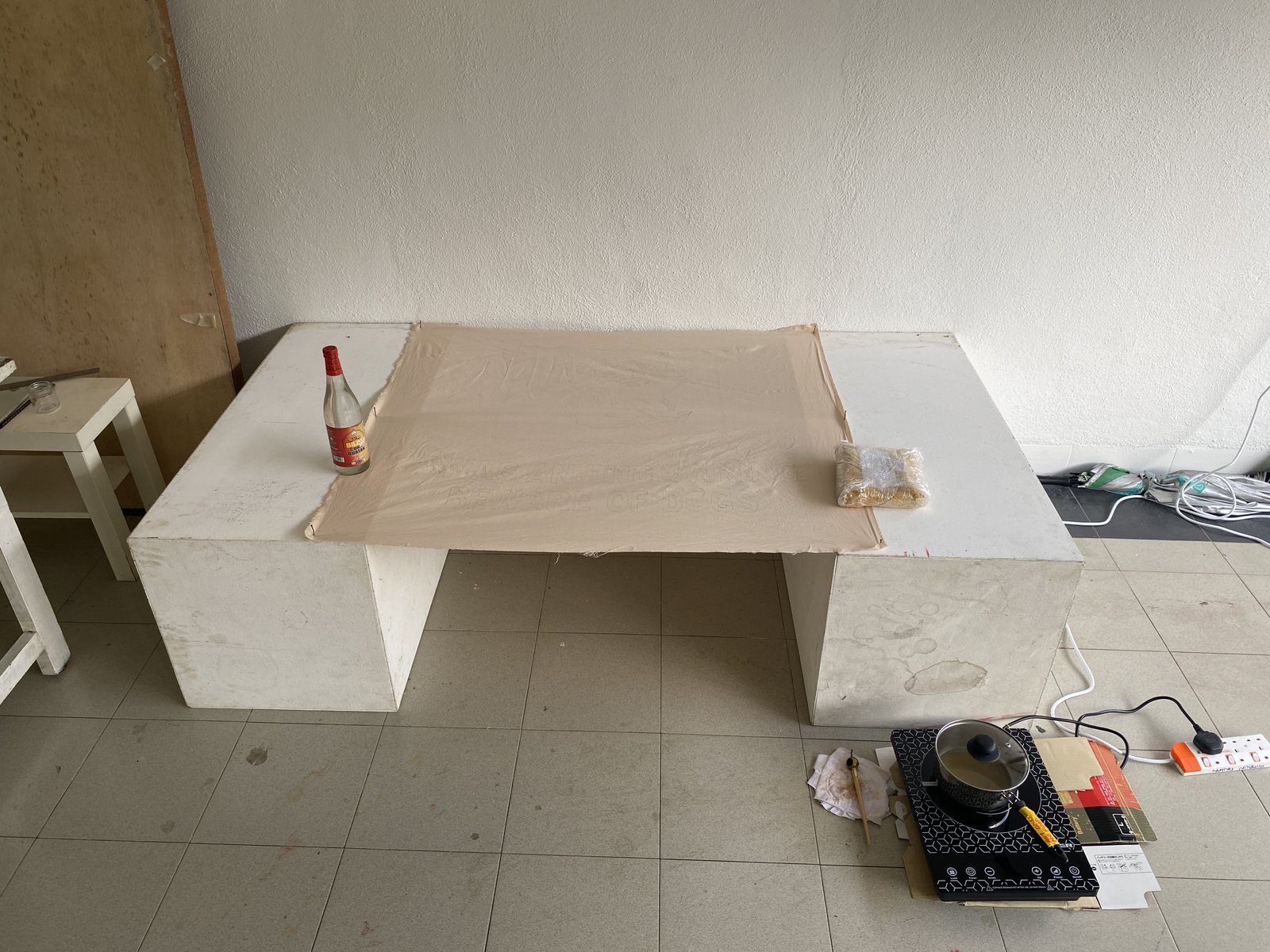
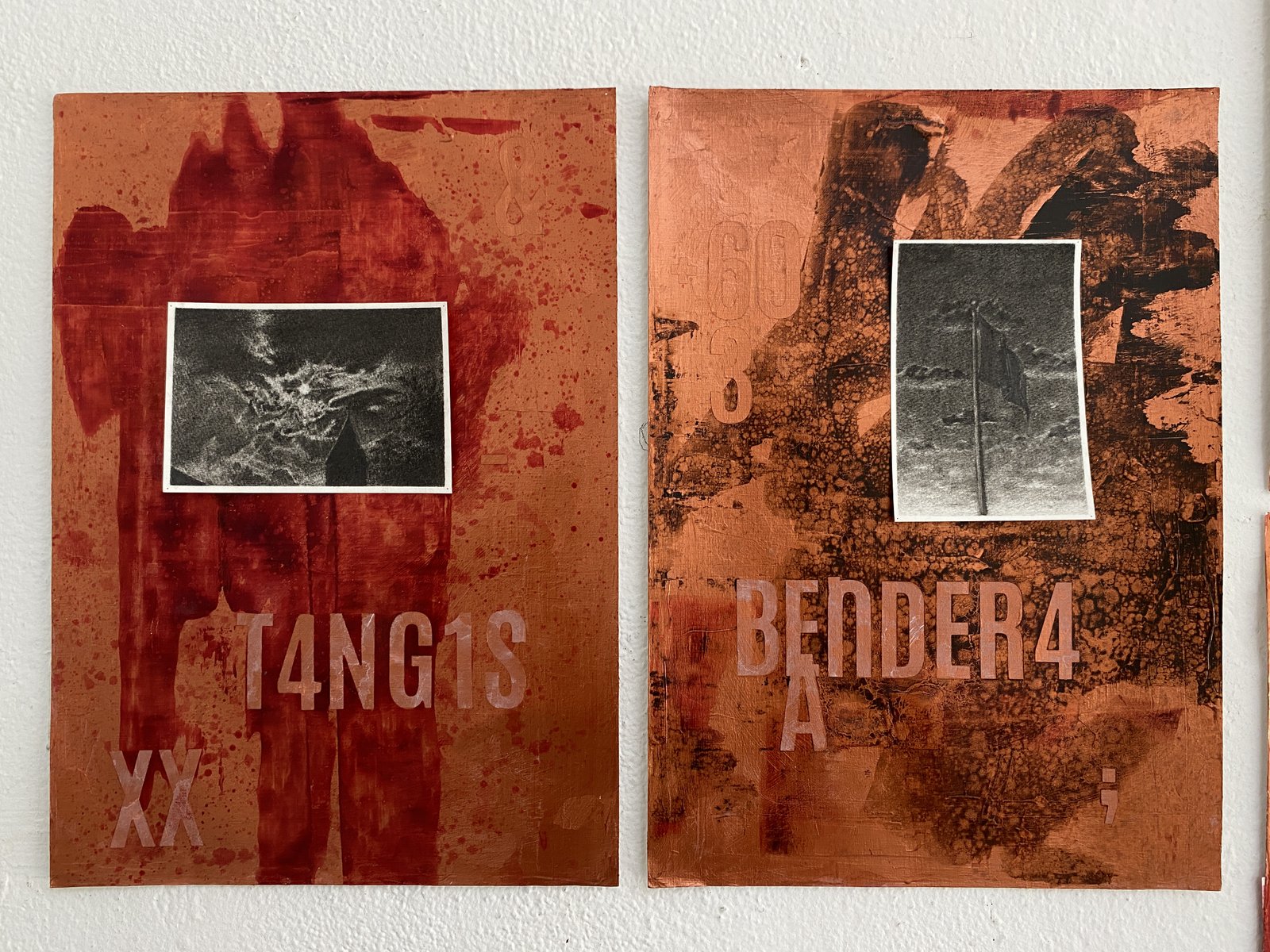
One of the first things I tried was batik, mixing it with my practice of dyeing fabrics with rust, to learn to utilize and control the medium better. I was especially interested in how wax works as a “resist” material, so I began using it to highlight words shared between Malay, Indonesian, and Filipino that, in their own way, have resisted Western colonial influence and still shape how our languages connect today.
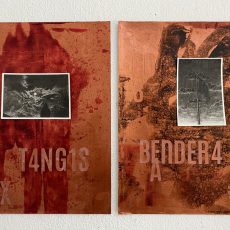
I also revisited an idea that I have wanted to pursue for a while: working with copper and aluminum as grounds for painting and mixed media, which connects back to my interest in urban decay and industrial materials. As an alternative to using actual metals, I painted copper tones on paper instead, using letter decals as a resist material between paint layers, still inspired by the batik process.
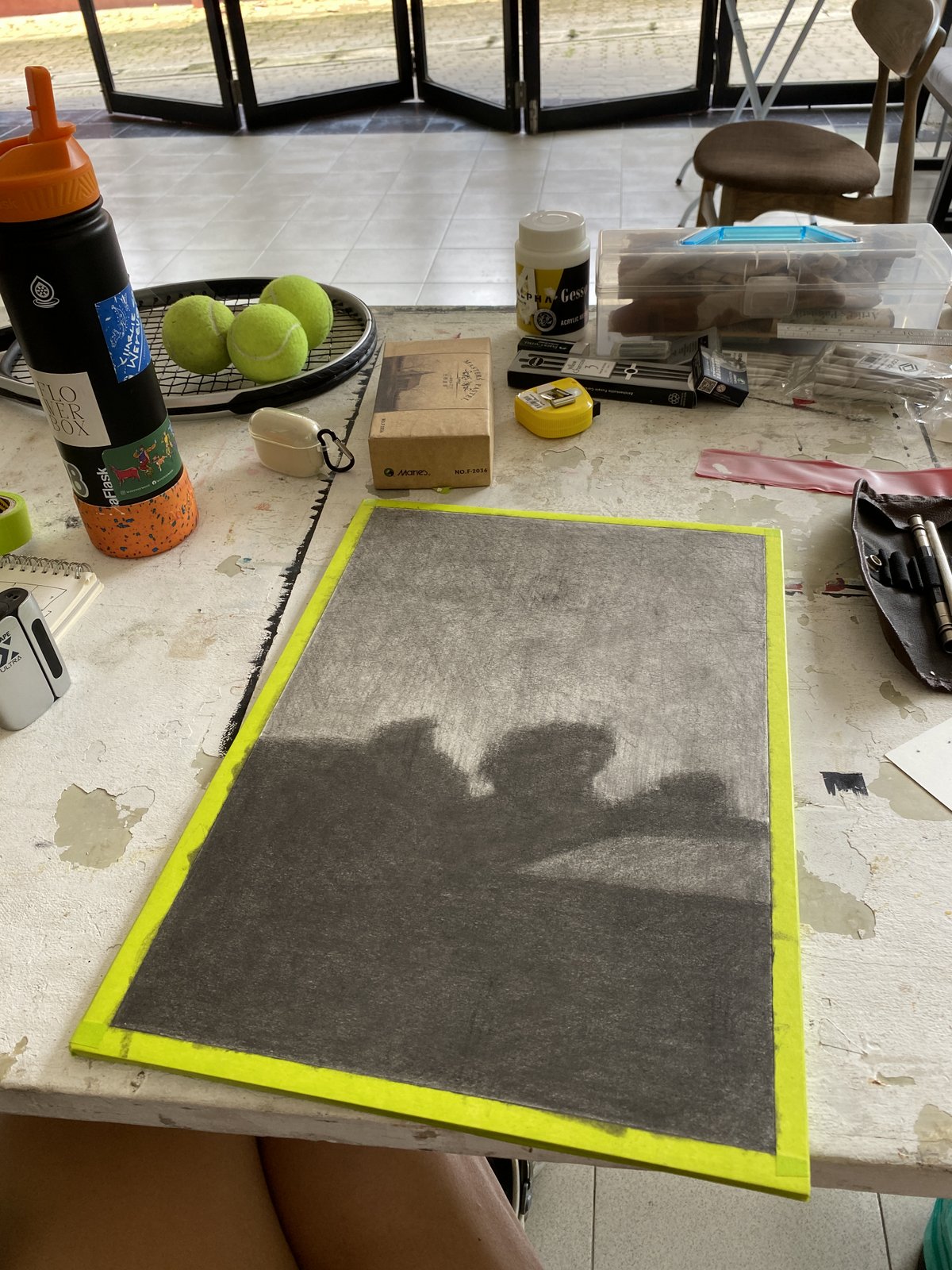
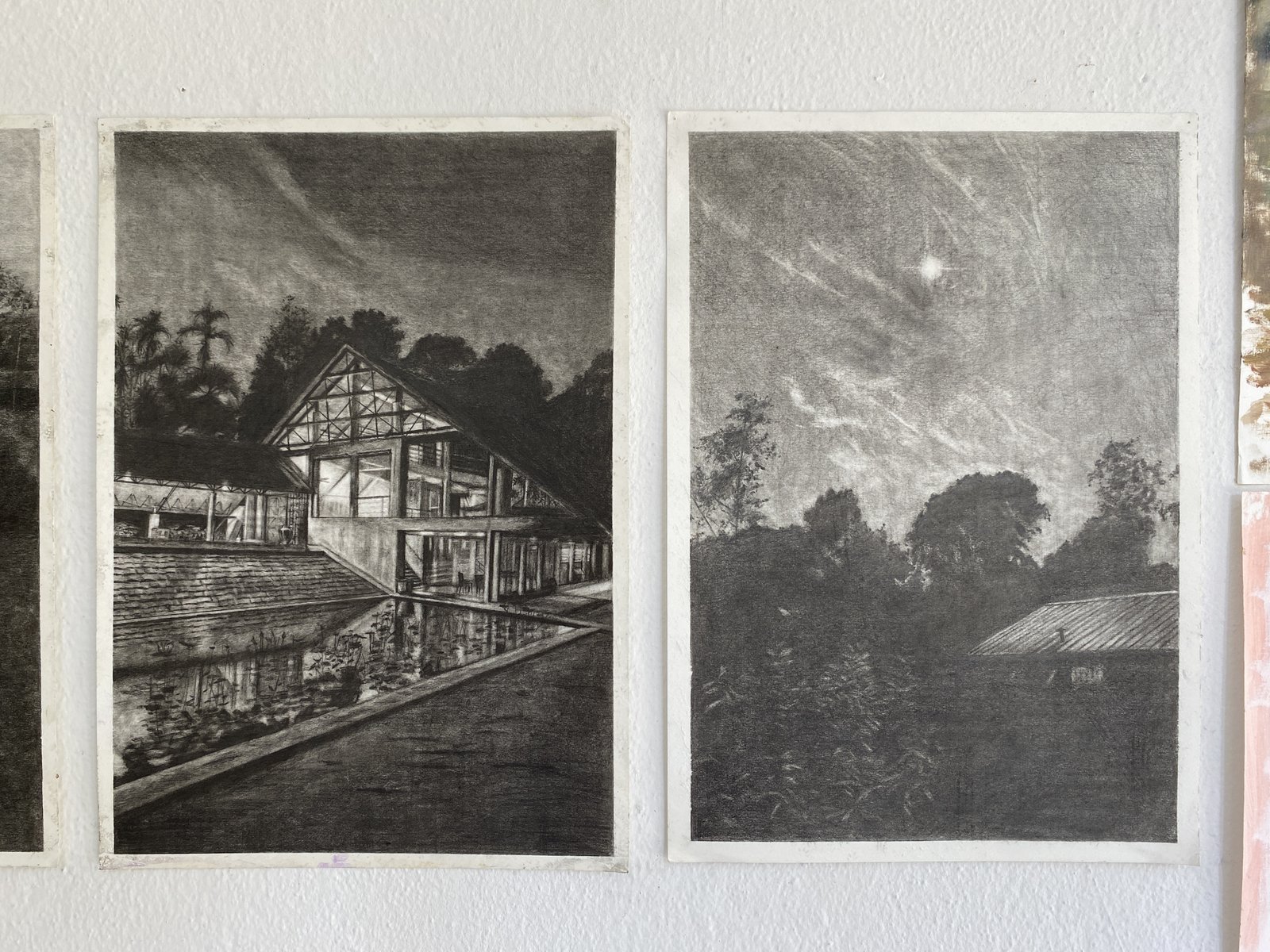
Throughout all this, I made graphite drawings of the places I stayed in Malaysia and the US as a way to document my residency journey.
Travel supported by MCAD Benilde Travel Bursary (2025).
On Sunday 24 August, our resident artists Renz Baluyot (Philippines), Alice Sarmiento (Philippines), and MixerJ (Myanmar), as well as contemporary dance choreographers Sreynoch Khun and Ny Lai (Cambodia) and Trần Minh Hải (Vietnam) will share works they have created during their residency and insights into their artistic practice. Angela Hijjas will also give a morning tour of her 14-acre native garden.
Entry is free. Registration is required only for the garden tour. BYO picnic, plus walk about our gardens at your leisure, explore our heritage house and the underground gallery.
Register for the Garden Tour: [UPDATE: Registration for the garden tour is full. All other activities on Open Day are free for drop-in entry, from 11am to 6pm.]
9am-11am Garden Tour 11am-2pm Open Studios 2pm-3pm Lunch break — please enjoy your BYO picnic in the gardens! 3pm-6pm Open Studios 3pm-4pm Alice Sarmiento in conversation with Wendy Sia (Gerimis) 4pm-5pm Contemporary dance collaboration demonstration and group practice
Travelling Directions
Address: Rimbun Dahan, Km. 27 Jalan Kuang, Mukim Kuang, Selangor, 48050.
Landmarks: Our front gate is opposite Warung Selera Ria and also next to the start of Lorong Belimbing. Do not enter Lorong Belimbing, please enter the front gate from the main road.
Tips for Visitors
We have parking inside the compound, along the driveway. Just drive in the front gate and park as indicated along the drive.
Bring your own mosquito repellent!
We are sorry, Rimbun Dahan is not a fully wheelchair accessible venue. Wheelchair access is possible to the artists studios and some of the outdoor areas, but not to the underground gallery or the heritage houses.
Wear practical shoes if you are planning to walk around the garden.
Bring an umbrella in case of rain.
No refreshments or water provided. Feel free to bring your own picnic, and enjoy it in the gardens; please clean up all your trash.
No pets, no swimming — thank you for your cooperation.
If you have any questions, please email arts@rimbundahan.org or WhatsApp Bilqis at +6017-3103769.
About the Resident Artists
Renz Baluyot, visual artist from the Philippines, was in residence at Rimbun Dahan for two months in 2025, experimenting with dyeing fabrics with rust using a resist technique, and working with copper and aluminium as grounds for paintings. Born 1989, Saudi Arabia, Renz focuses his art practice on the relevance of the past to the present. His work centers on urban decay (rust, tarpaulins, and objects) and artifacts, alongside traditional still life and landscapes, investigating how these marks of the past have influenced the present under oppressive political and economic systems. Primarily a painter, Renz Baluyot has worked on sculpture, textiles, and installations. He received his BFA from the University of the Philippines, Diliman, and has completed a number of artist residencies in the USA, Japan and the Philippines. In 2019, he was one of the artists presented at the exhibition Living Earth: Contemporary Philippine Art, curated by Luca Beatrice and Patrick Flores in Milan, Italy.
MixerJ, a visual artist of Karen descent from Myanmar, has spent two months in residence at Rimbun Dahan, creating character drawings in his signature intricate abstract style, and transforming them into portable cutouts. Originally based in Yangon until 2024, MixerJ has since continued his art practice by spending most of his time in Bangkok, Thailand, and traveling between neighboring countries. MixerJ studied graphic design for commercial purposes, and since 2017, he has been actively participating in the Myanmar art scene as a visual artist. He has previously exhibited his work in both Yangon, Myanmar, and Bangkok, Thailand. In 2024, MixerJ took part in the “Artistic Response to Burma to Myanmar” exhibition organized by the British Council Yangon in collaboration with the British Museum. His artwork, “The Weaving Dream: A Peaceful Home with Beautiful Bedrooms,” was acquired by the British Museum for its permanent collection.
Educator, freelance writer and independent curator Alice Sarmiento (PHIL) will be in conversation with Wen Di Sia artist, writer, and advocate from Gerimis Art, a group that documents and supports the arts, culture, and local economy of the Orang Asli. Alice will also be sharing printed drafts of the Malaysia sections of ‘Once A Vibrant Tradition’, a text that negotiates the tensions of craft and community caught in the crosshairs of capitalism. Alice’s writing and curatorial work centers feminist, relational, and community-engaged practices, while her work as a critic casts a feminist lens across Filipino cultural production, ranging from contemporary art to Pinoy showbiz. As a curator, Alice has worked on the curatorial teams of the inaugural (and so far, only) Manila Biennial in 2018 as well as the Visayas Visual Art Exhibition and Conference (VIVA ExCon) in 2023. Before returning to Rimbun Dahan for the second month of her residency in August 2025, she founded Spare Bedroom, a space for restaging installative and relational works, in order to extend their public programs and reactivate engagement with their community.
Contemporary dance choreographers Sreynoch Khun and Ny Lai (Cambodia) and Trần Minh Hải (Vietnam) are in residence at Rimbun Dahan in August 2025, and will give a short showing of their meditative walking ritual on Open Day including a few members of the local community. The choreographers met at the Southeast Asian Choreolab at George Town Festival last year, and they are continuing to explore their cultural links during their 2-month residency. Even though they come from three different countries, they have found many similarities in their cultures, how they think and work. Collectively, they believe in strong visuals and the idea of “less is more.” They have devised a simple walking ritual inspired by honouring the dead across different traditions, incorporating heritage textiles. If you would like to be part of this offering performance, please WhatsApp 017-310 3769. More info about their collective residency.
About Rimbun Dahan
Rimbun Dahan is the home of Malaysian architect Hijjas Kasturi and his wife Angela. Set on fourteen acres outside Kuala Lumpur, Malaysia, the compound of Rimbun Dahan is a centre for developing traditional and contemporary art forms. It features buildings designed by Hijjas Kasturi, as well as two early 20th century traditional Malay houses from Perak and Penang, in an indigenous Southeast Asian garden environment which has recently been awarded arboretum status. Rimbun Dahan is private property, and is only open to the public on Open Days.
MixerJ, a visual artist of Karen descent from Myanmar, has spent two months in residence at Rimbun Dahan, creating character drawings in his signature intricate abstract style, and transforming them into portable cutouts.
About the Artist
Saw Nyan Linn Htet (b.1999), known professionally as MixerJ, is a visual artist of Karen descent from Myanmar. Originally based in Yangon until 2024, MixerJ has since continued his art practice by spending most of his time in Bangkok, Thailand, and traveling between neighboring countries.
MixerJ studied graphic design for commercial purposes, and since 2017, he has been actively participating in the Myanmar art scene as a visual artist.
His practice centers on intricate ink drawings composed of vibrant colors and dense patterns, featuring repeating lines, dots, and geometric shapes, which are influenced by his interest in design aesthetics. At first, his works may appear purely abstract—but gradually, his abstract forms turn into character-based compositions, where he uses those characters to tell stories.
Through visual storytelling, his work engages with human nature and behavior, confronting moral dilemmas and acts of rebellion tied to social and political realities that shape both his identity and his environment. MixerJ’s practice transforms personal realities into myth-like figures that exist between chaos and clarity, memory and imagination, belief and breakdown.
He has previously exhibited his work in both Yangon, Myanmar, and Bangkok, Thailand. In 2024, MixerJ took part in the “Artistic Response to Burma to Myanmar” exhibition organized by the British Council Yangon in collaboration with the British Museum. His artwork, “The Weaving Dream: A Peaceful Home with Beautiful Bedrooms,” was acquired by the British Museum for its permanent collection.
I spent two months at Rimbun Dahan, divided into two periods: the first in February and the second in August. Before coming here, I had been living mostly in Bangkok, Thailand, since leaving Myanmar in early 2024. However, after my first residency period, circumstances prevented me from returning to Bangkok.
That was the main reason I began creating small character drawings in various postures during my first month stay, using my usual intricate and abstract drawing style. These pieces were designed to be portable, something I could easily carry with me wherever I travelled. In the months between my two stays, I produced quite a number of these drawings.
When I returned to Rimbun Dahan in August, I began transforming the drawings into paper cutouts, inspired by memories of my childhood, when I would cut characters from comic journals and invent my own storylines. This project grew into a way of telling the stories I have experienced, heard, and learned from different environments, moving between countries, meeting strangers, and sharing time with people from many walks of life. I am focusing during this time to create a visual work that can be assembled easily, removed, and carried around safely.
Through this work, I aim to reflect the fragility of human nature, the hopefulness of life, and the resilience of dreams. Stories have been with us since birth as lullabies, as bedtime stories. And as we grow older, they evolve into countless forms of narrative as novels, ideologies, and news, which shape and reshape the way we see the world. I believe we are both carriers of stories, and stories themselves, carried through the world by the lives we live.
Alice Sarmiento is a full-time educator, freelance writer, independent curator, and occasional seamstress. Her writing and curatorial work centers feminist, relational, and community-engaged practices, while her work as a critic casts a feminist lens across Filipino cultural production, ranging from contemporary art to Pinoy showbiz.
As a curator, Alice has worked on the curatorial teams of the inaugural (and so far, only) Manila Biennial in 2018 as well as the Visayas Visual Art Exhibition and Conference (VIVA ExCon) in 2023. Before returning to Rimbun Dahan for the second month of her residency, she founded Spare Bedroom, a space for restaging installative and relational works, in order to extend their public programs and reactivate engagement with their community.
Alice is also a member of the Rural Women Advocates, leading creative and curatorial projects to advocate for women in the peasant sector. She has also volunteered since 2011 as an adoption counselor and humane educator for the Philippine Animal Welfare Society.
I came to Rimbun Dahan to look at the center’s textile collection, and use it as a prompt to think about heritage textiles and indigenous craft methods. As someone who had worked with textiles in different capacities in the past (first as an undergraduate in a fashion program, then as a teacher, then as a researcher for several curatorial projects) I was familiar with the anxieties around this form of cultural production, one which so heavily depends on women’s work.
Using the time and space afforded to me by this residency, as well as its proximity to a wealth of other Malaysian resources in the form of markets, museums and friendly banter, I began working on Once A Vibrant Tradition – a text that negotiates the tensions of craft and community caught in the crosshairs of capitalism.
For Open Day, Alice will be in conversation with Wen Di Sia artist, writer, and advocate from Gerimis Art, a group that documents and supports the arts, culture, and local economy of the Orang Asli. She will also be sharing printed drafts of the Malaysia sections of Once A Vibrant Tradition in zine form, in order to open these to the public for comment.
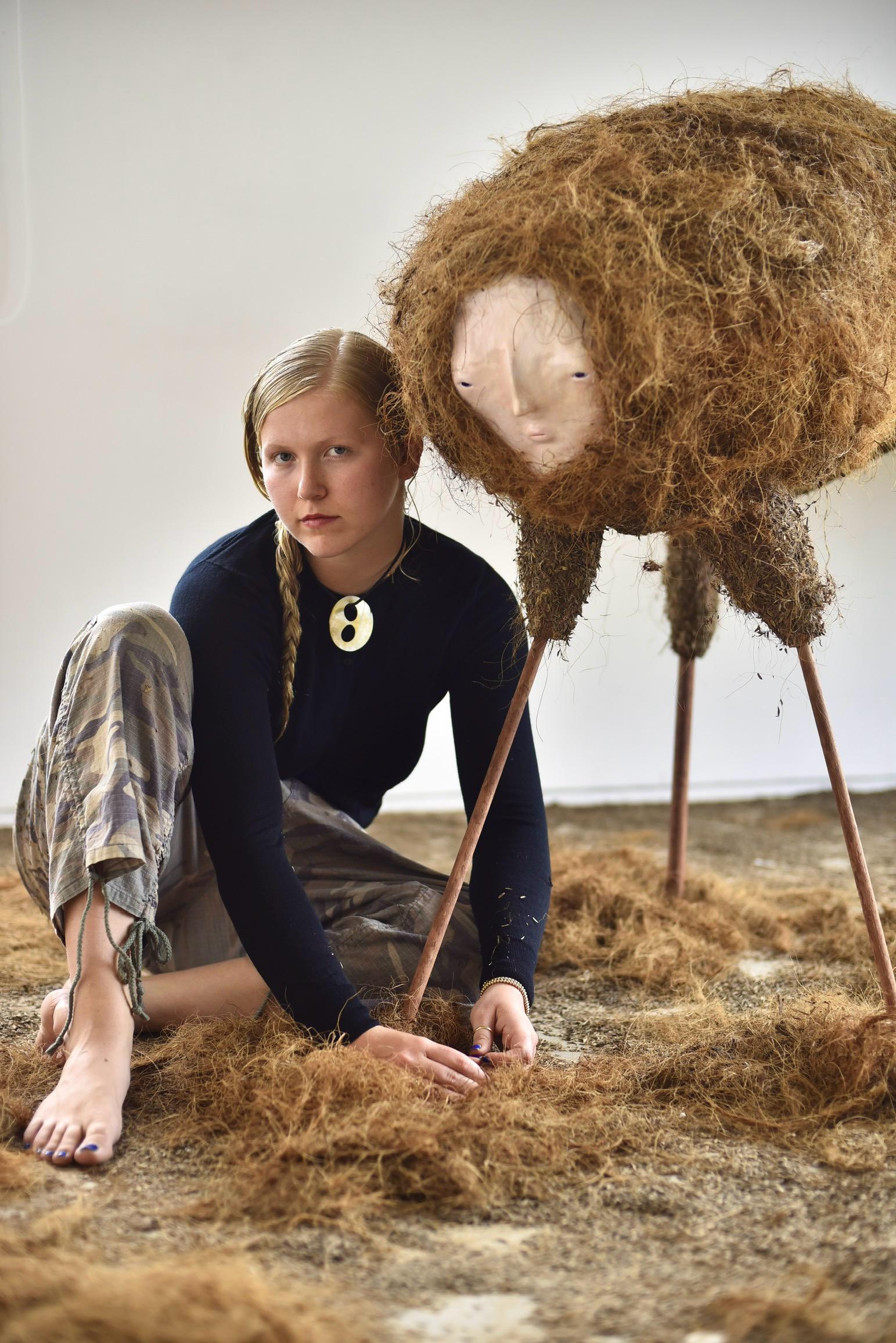
Gigi Giovanelli is a sculptor based in New York City. She studied Fine Arts at the University of North Carolina School of the Arts and is currently pursuing a BFA in Fine Arts at Parsons School of Design. Her practice centers on sculpture as a form of storytelling, grounded in material sensitivity and emotional resonance.
Rooted in her upbringing in North Carolina, Gigi’s work reflects a lifelong physical and emotional closeness to nature. Her sculptures often take the form of delicate, creature-like beings, suspended in states of balance and transformation. These forms speak to the fragile systems, both ecological and emotional, that hold us in place. Through them, she raises questions about support, purpose, and what it means to live within, or beyond, the boundaries of the present.
By blurring the distinctions between humans, animals, and natural forms, Gigi creates sculptural landscapes that evoke a sense of loss and the inevitability of return.
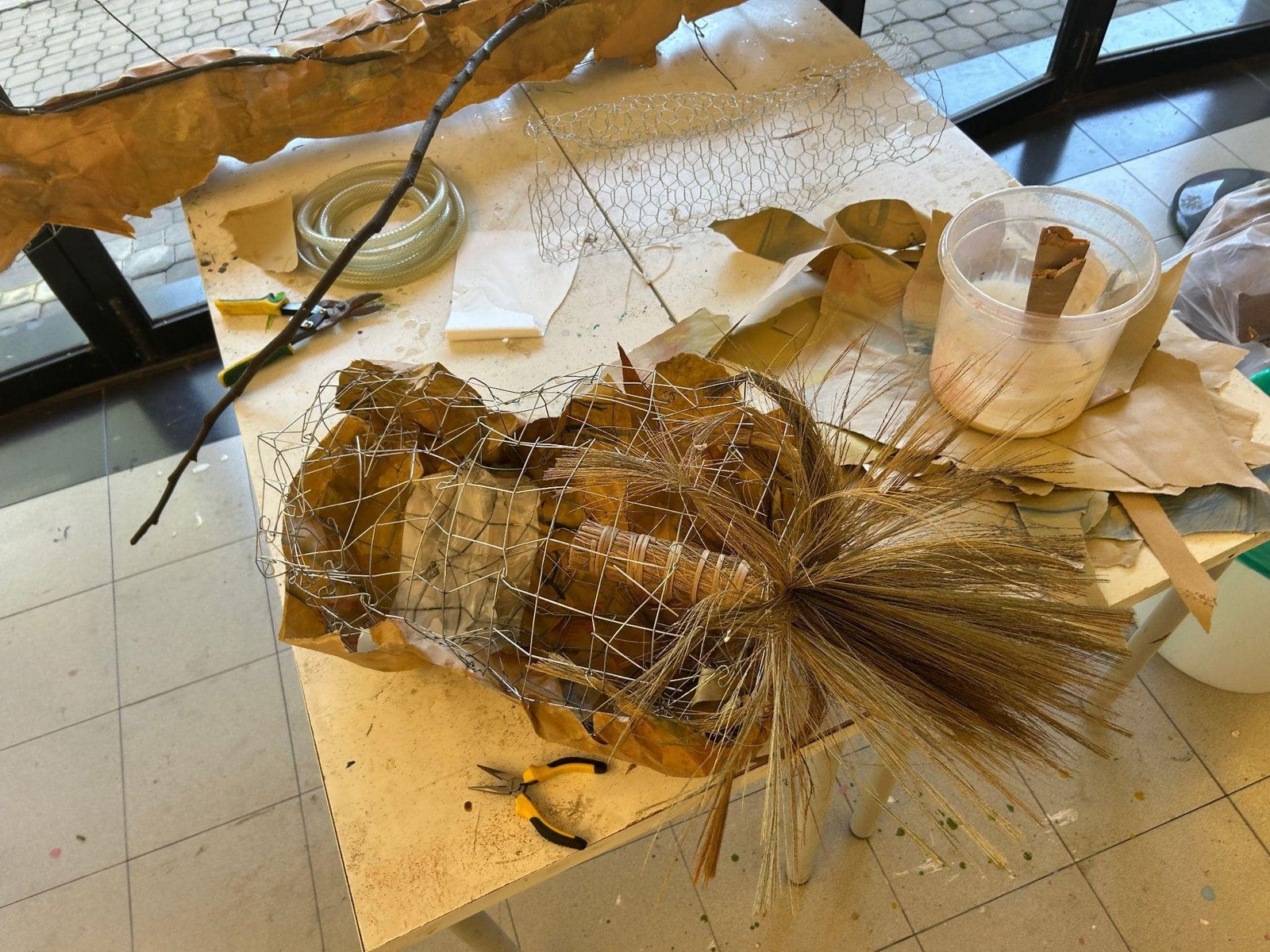
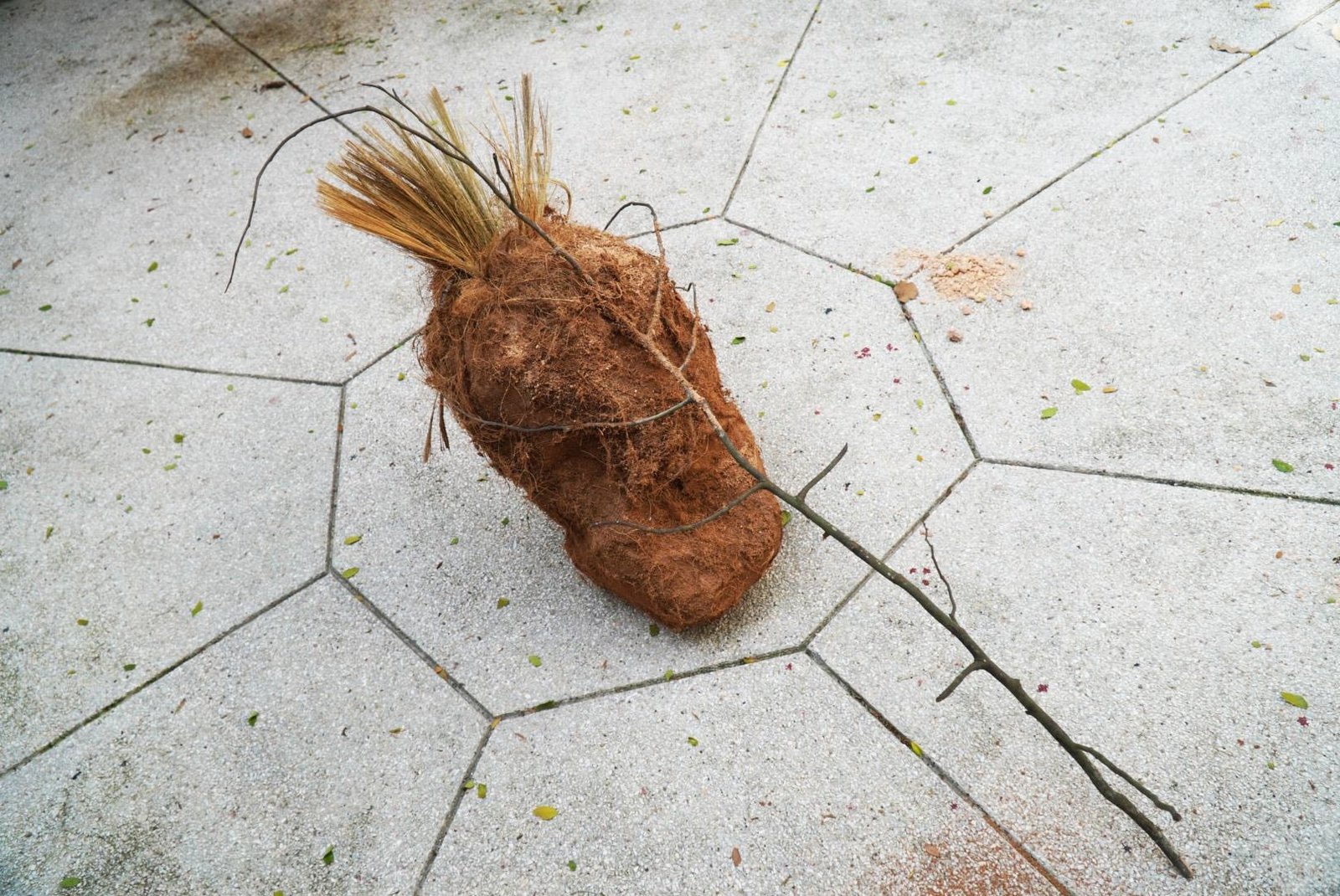
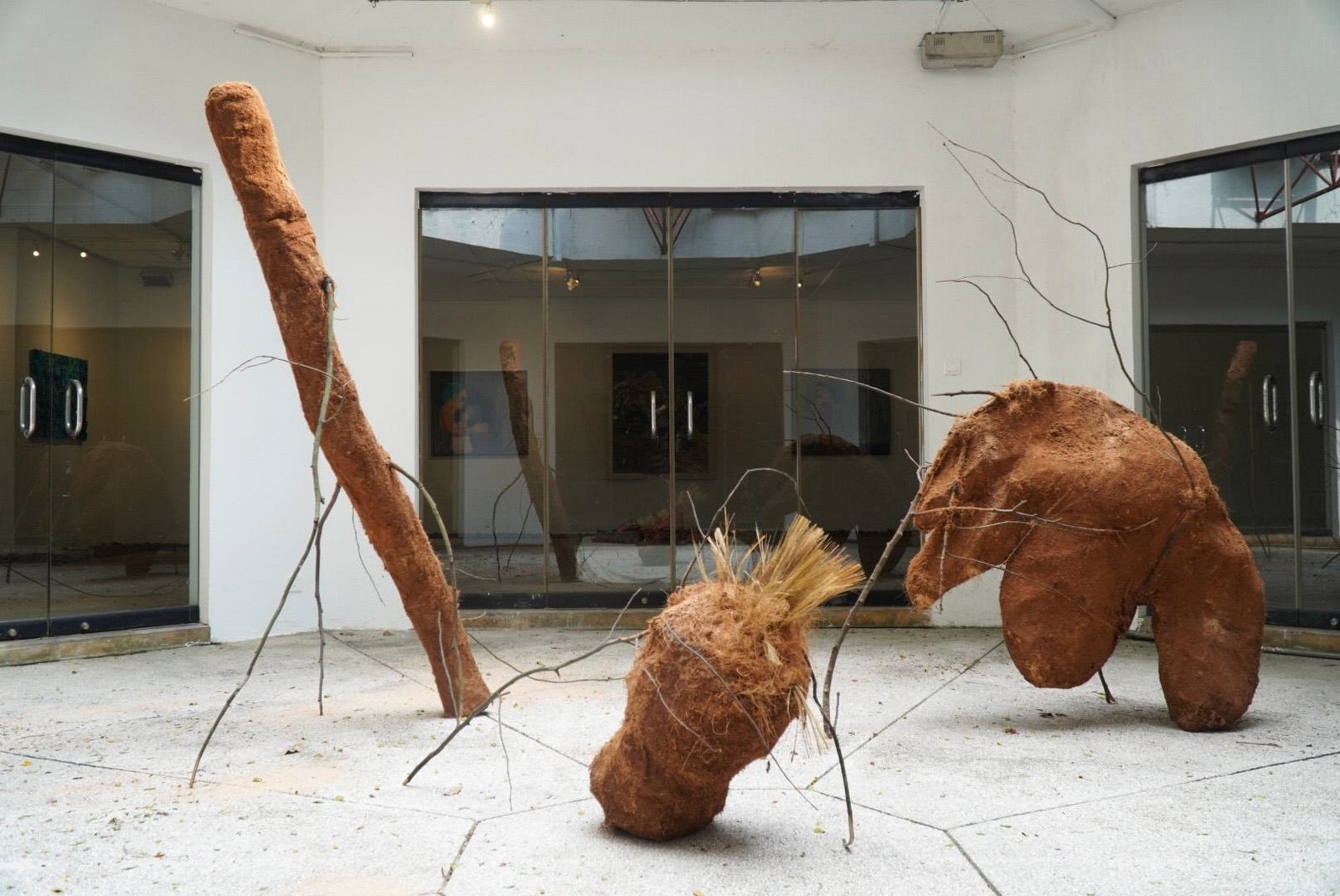
During my one-month residency in Malaysia, I chose to work entirely with materials gathered from the surrounding landscapes: burnt soil, coconut husks, and fallen branches. From these fragments of the environment, I created a series of sculptural creatures that stand and balance on their branch limbs, as though drawing support and life from the very materials they are made of.
This body of work emerged from a sensitivity to place and questions of home, investigating the origins of one’s own body and the land it calls home. The coconut shells and burnt soil: remnants of both growth and destruction, became metaphors for the ongoing cycles of life, death, and regeneration.
The creatures’ delicate balancing acts speak to the fragile interdependence we share with our environments, both physical and emotional. Just as the sculptures rely on their landscape for support, we too depend on external systems – ecological, communal, and psychological – to stay upright. This work becomes a visceral outline of those supports, a reflection on the invisible forces that keep us held. The sculptures reflect how all life depends on a delicate and sometimes unstable balance with nature.
As I worked, I found myself drawn to the idea of being lost in one’s own body, searching for a sense of belonging and grounding in a vessel that never quite feels like home. This internal displacement: of seeking support within the body but never fully arriving, led me back to the land. That’s why I chose to build the creatures from soil, coconut husks, and fallen branches: all materials that had already returned to the earth, and yet, through this process, found a new life within my forms. In this quiet cycle of return and renewal, the sculptures embody a journey where longing meets stillness, and the revelation emerges that perhaps the belonging we seek inside ourselves has always existed in the ground beneath us.
In making this work, I lent the creatures an animistic spirit, imagining the land as alive, intelligent, and expressive – qualities it truly holds, though often overlooked in its stillness. This work is as much about presence as it is about form. Each creature holds the memory of the physical land and the emotional scaffolding we lean on. They remind us that we are shaped by our surroundings, that we come from the earth, and ultimately, we return to it.